Ataxia: What It Is, Causes, Symptoms, Treatment & Types
Comprehensive guide to understanding ataxia: causes, symptoms, diagnosis, and treatment options.
Understanding Ataxia: A Comprehensive Overview
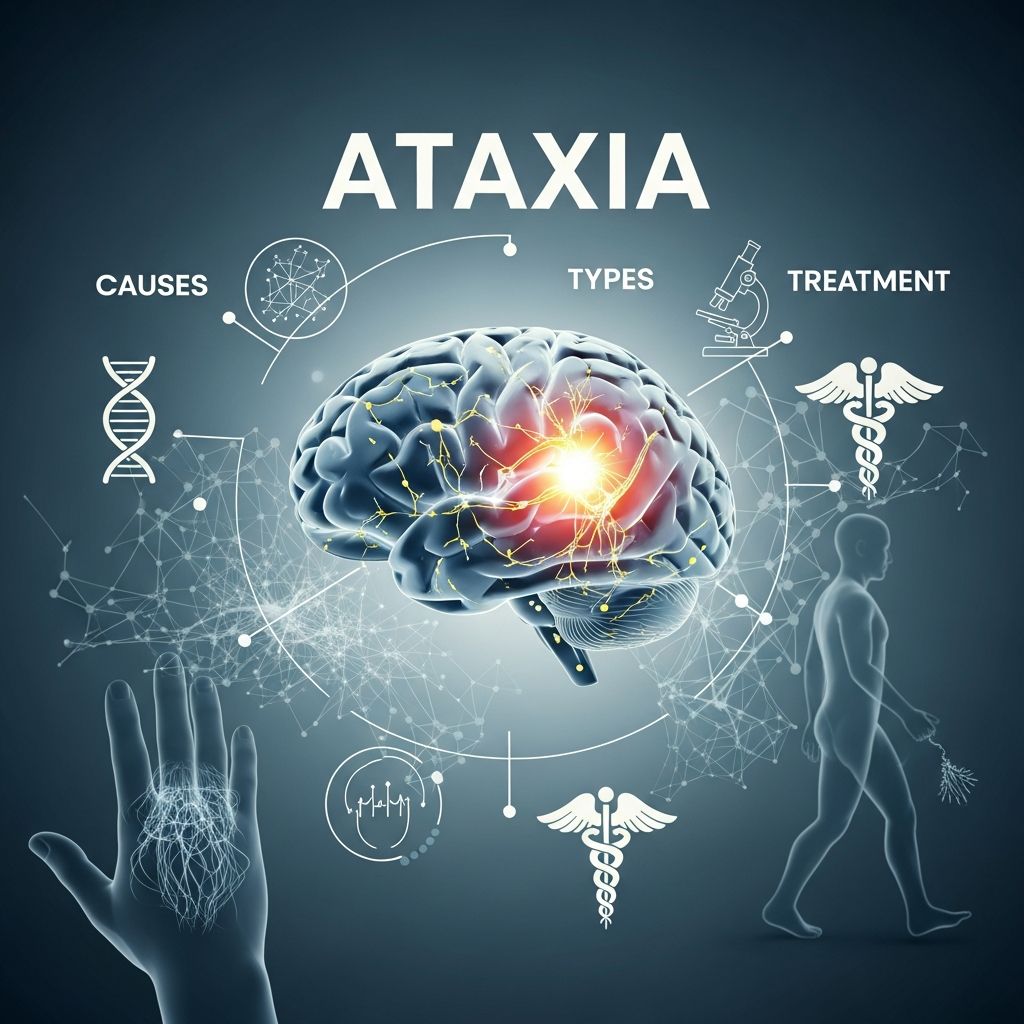
Ataxia is a neurological condition characterized by problems coordinating how your muscles work, leading to awkward, unwieldy, or clumsy movements. This lack of muscle coordination affects your ability to perform everyday tasks and maintain balance. The condition results from damage to the cerebellum, the part of your brain responsible for controlling muscle coordination, or its neural connections. Ataxia itself is not a disease but rather a symptom of an underlying condition or injury. Understanding what causes ataxia and how it manifests is crucial for getting proper diagnosis and treatment.
What Causes Ataxia?
Ataxia can develop from numerous causes, ranging from genetic conditions to acquired injuries or illnesses. The causes fall into two main categories: genetic (inherited) and acquired (developed during your lifetime).
Genetic Causes of Ataxia
Some types of ataxia are inherited, meaning they run in families and are passed down through genetic mutations. These include Friedreich’s ataxia, spinocerebellar ataxia, and episodic ataxia. Genetic ataxias are typically progressive, meaning symptoms worsen over time. People with these conditions may have a shorter life expectancy than the general population, though early intervention and symptom management can significantly improve quality of life.
Acquired Causes of Ataxia
Acquired ataxia develops as a result of external factors or medical conditions that damage the cerebellum or its connections. Common acquired causes include:
- Alcohol Misuse: Long-term excess alcohol consumption may cause persistent ataxia. The condition may improve by abstaining from alcohol completely.
- Medications: Certain medications can cause ataxia as a side effect, including sedatives like phenobarbital and benzodiazepines, anti-seizure medicines (particularly phenytoin), and some chemotherapy drugs.
- Toxin Exposure: Heavy metal poisoning from lead or mercury, and solvent poisoning from paint thinner, can trigger ataxia.
- Vitamin Deficiencies: Insufficient levels of vitamin E, vitamin B-12, vitamin B-1 (thiamine), or abnormal levels of vitamin B-6 may cause ataxia. When deficiency is the cause, symptoms are often reversible with supplementation.
- Thyroid Conditions: Hypothyroidism and hypoparathyroidism can contribute to ataxia development.
- Stroke: A sudden stroke, whether from blood vessel blockage or brain bleeding, can cause immediate onset of ataxia.
- Multiple Sclerosis: This autoimmune condition may damage the cerebellum, resulting in ataxia symptoms.
- Brain Injuries: Head trauma and brain damage can cause ataxia. Brain infections (abscesses) and growths (tumors, cancerous or noncancerous) can also damage the cerebellum.
- Cerebral Palsy: This group of conditions affecting children’s brain development and motor coordination often includes ataxic features.
- Wilson’s Disease: Copper accumulation in the brain, liver, and other organs can cause ataxia and other neurological symptoms.
Types of Ataxia
Medical professionals classify ataxia into several distinct types based on their origin and characteristics:
Friedreich’s Ataxia
Friedreich’s ataxia (FA or FRDA) is a rare genetic condition causing progressive nervous system damage and movement issues. The condition typically begins with difficulty walking and progressively affects the arms and trunk. Physical changes may include high arches in the feet and spinal curvature (scoliosis). As the disease progresses, individuals may experience slurred speech, fatigue, irregular eye movements, and hearing loss. Some people develop heart enlargement (cardiomyopathy), heart failure, and diabetes. Early treatment of heart complications can improve quality of life and survival rates.
Episodic Ataxia
Episodic ataxia is a genetic condition characterized by episodes of movement and balance problems with clear beginnings and endings. Rather than continuous symptoms, people with episodic ataxia experience distinct episodes separated by periods of normal function. This condition is not curable, but healthcare providers can help manage symptoms through medications and physical therapy.
Spinocerebellar Ataxia
Spinocerebellar ataxia encompasses several inherited conditions affecting the spinal cord and cerebellum. These progressive disorders lead to increasing incoordination and may be managed with assistive devices such as crutches, canes, walkers, or wheelchairs.
Congenital Cerebellar Ataxia
This type results from cerebellar damage present at birth, affecting the child’s motor development and coordination.
Related Stories



Ataxia-Telangiectasia
Ataxia-telangiectasia (AT) is a rare genetic condition affecting the nervous system, immune system, and several other body systems. This progressive disorder requires comprehensive medical management.
Machado-Joseph Disease
Also known as spinocerebellar ataxia type 3, Machado-Joseph disease is an inherited ataxia disorder affecting the nervous system and muscle control.[10]
Recognizing Symptoms of Ataxia
Ataxia manifests through various movement and coordination problems. The primary symptoms include loss of balance, lack of coordination, and difficulty controlling muscles. Individuals may experience:
- Clumsiness or unsteady movements
- Balance problems and increased fall risk
- Difficulty with fine motor tasks like writing or eating
- Slurred or unclear speech
- Involuntary eye movements
- Fatigue and muscle weakness
- Walking difficulties or gait disturbances
Symptoms may develop suddenly (as with stroke-related ataxia) or gradually (as with genetic or degenerative forms). The specific symptoms and their severity depend on the underlying cause, the extent of brain damage, and which part of the cerebellum is affected.
Diagnosis of Ataxia
Diagnosing ataxia requires a thorough medical evaluation by healthcare professionals, particularly neurologists specializing in movement disorders. At Cleveland Clinic, physicians have more than 300 experts trained to diagnose and treat conditions affecting the connection between your brain, nerves, and body.
Initial Evaluation Process
Your healthcare provider will begin by reviewing your complete medical history and discussing your symptoms. Important topics during this conversation include:
- When symptoms first appeared
- How symptoms have progressed over time
- Family history of neurological conditions
- Medication use and potential side effects
- Alcohol or substance use
- Recent illnesses, infections, or injuries
- Environmental exposures to toxins
Physical and Neurological Examination
Your doctor will perform a comprehensive physical examination to assess your overall health. A neurological exam evaluates brain function and nerve health, including balance tests, coordination assessments, and muscle strength evaluation. These tests help determine the location and extent of nervous system involvement.
Diagnostic Testing
Depending on the initial findings, your healthcare team may recommend additional tests such as MRI or CT scans to visualize brain structure, blood tests to identify vitamin deficiencies or metabolic disorders, genetic testing for inherited ataxias, or lumbar puncture (spinal tap) if infection is suspected.
Treatment Options for Ataxia
Treatment for ataxia depends on its underlying cause. Some temporary causes may require no treatment, while others may need targeted interventions.
Cause-Specific Treatments
When ataxia results from a reversible cause, treating that underlying condition often relieves ataxia symptoms. For example:
- Vitamin Deficiencies: Supplementation with the deficient vitamin can reverse ataxia symptoms.
- Medication Side Effects: Discontinuing or changing the offending medication may resolve symptoms.
- Alcohol-Related Ataxia: Complete abstinence from alcohol may improve or resolve symptoms.
- Stroke or Tumor: Appropriate treatment of the underlying condition helps restore function.
Symptom Management Strategies
For progressive or permanent ataxia, the main treatment goal is managing symptoms and complications to help your body function as well as possible for as long as possible. Personalized treatment plans are essential, as no two cases of ataxia are identical, and everyone experiences the condition at different rates.
Medications: Treatment options may include vitamin supplements for deficiencies, medications to manage specific symptoms (such as channel-blocking medications for episodic ataxia), or drugs to address associated conditions like seizures or irregular eye movements.
Rehabilitation Therapies: Physical therapy helps maintain strength, balance, and mobility. Occupational therapy addresses daily living tasks and fine motor skills. Speech therapy improves communication if speech is affected. Regular exercise programs help maintain physical function and independence.
Assistive Devices: Adaptive devices such as walkers, canes, crutches, or wheelchairs help maintain independence and reduce fall risk. These devices allow people to move safely through their environment and participate in daily activities.
Lifestyle Modifications: Dietary adjustments, stress management, adequate rest, and environmental modifications to reduce fall hazards all contribute to better symptom management.
Living with Ataxia
While ataxia can be challenging, proper medical management and support help people maintain quality of life and independence. Cleveland Clinic’s comprehensive approach involves developing care plans focused on all your symptoms, regardless of their cause. With more than 300 neurology experts available at convenient locations, individuals with ataxia can access specialized care tailored to their specific needs.
Your healthcare team will continuously adjust your treatment plan as your condition evolves. Many people with ataxia successfully manage their symptoms through medication, physical therapy, emotional support, and adaptive strategies, allowing them to maintain active, independent lifestyles.
Frequently Asked Questions About Ataxia
Q: Is ataxia curable?
A: The curability of ataxia depends on its cause. Ataxia from reversible causes like vitamin deficiencies or medication side effects may be curable through appropriate treatment. However, genetic ataxias and those resulting from permanent brain damage are not curable, though symptoms can be managed effectively. Early intervention and proper treatment can improve outcomes regardless of cause.
Q: Can ataxia be prevented?
A: Some causes of ataxia are preventable through lifestyle choices. Avoiding excessive alcohol consumption, maintaining proper nutrition, preventing head injuries, and careful medication management can reduce your risk. However, many causes like genetic conditions and strokes cannot be prevented or avoided.
Q: How is ataxia different from other movement disorders?
A: Ataxia specifically involves incoordination and lack of muscle coordination as the primary symptom, distinguishing it from other movement disorders. While conditions like Parkinson’s disease involve tremor and rigidity, ataxia centers on balance and coordination problems.
Q: What should I do if I experience sudden ataxia symptoms?
A: Sudden onset of ataxia symptoms, especially accompanied by severe headache, vision changes, or weakness, requires immediate medical attention as it may indicate stroke or other serious conditions. Contact emergency services or visit an emergency room immediately.
Q: How do I find specialized ataxia treatment?
A: Seek care from neurologists or movement disorder specialists experienced in ataxia diagnosis and treatment. Getting an appointment is often easy through major medical centers like Cleveland Clinic, which have dedicated neurology teams equipped to provide comprehensive ataxia care.
References
- Ataxia Treatment — Cleveland Clinic. 2024. https://my.clevelandclinic.org/services/ataxia-treatment
- Ataxia: Symptoms and Causes — Mayo Clinic. January 30, 2024. https://www.mayoclinic.org/diseases-conditions/ataxia/symptoms-causes/syc-20355652
- Ataxia — Cleveland Clinic Abu Dhabi. 2024. https://www.clevelandclinicabudhabi.ae/en/health-hub/health-resource/diseases-and-conditions/ataxia
- Friedreich’s Ataxia: Causes, Symptoms & Treatment — Cleveland Clinic. 2024. https://my.clevelandclinic.org/health/diseases/23084-friedreichs-ataxia-fa
- Episodic Ataxia: What It Is, Types, Diagnosis & Treatment — Cleveland Clinic. 2024. https://my.clevelandclinic.org/health/diseases/22794-episodic-ataxia
- Ataxia: What It Is, Causes, Symptoms, Treatment & Types — Cleveland Clinic. 2024. https://my.clevelandclinic.org/health/symptoms/17748-ataxia
- Spinocerebellar Ataxia (SCA): Symptoms, Causes & Types — Cleveland Clinic. 2024. https://my.clevelandclinic.org/health/diseases/24077-spinocerebellar-ataxia
Similar Articles








Read full bio of Sneha Tete