Ataxia-Telangiectasia: Key Symptoms, Diagnosis & Treatment
Rare genetic disorder causing progressive ataxia, oculocutaneous telangiectasia, immunodeficiency, and cancer predisposition.
Ataxia-Telangiectasia
Author: Dermatological Society Review | Last Updated: 2025
What is ataxia-telangiectasia?
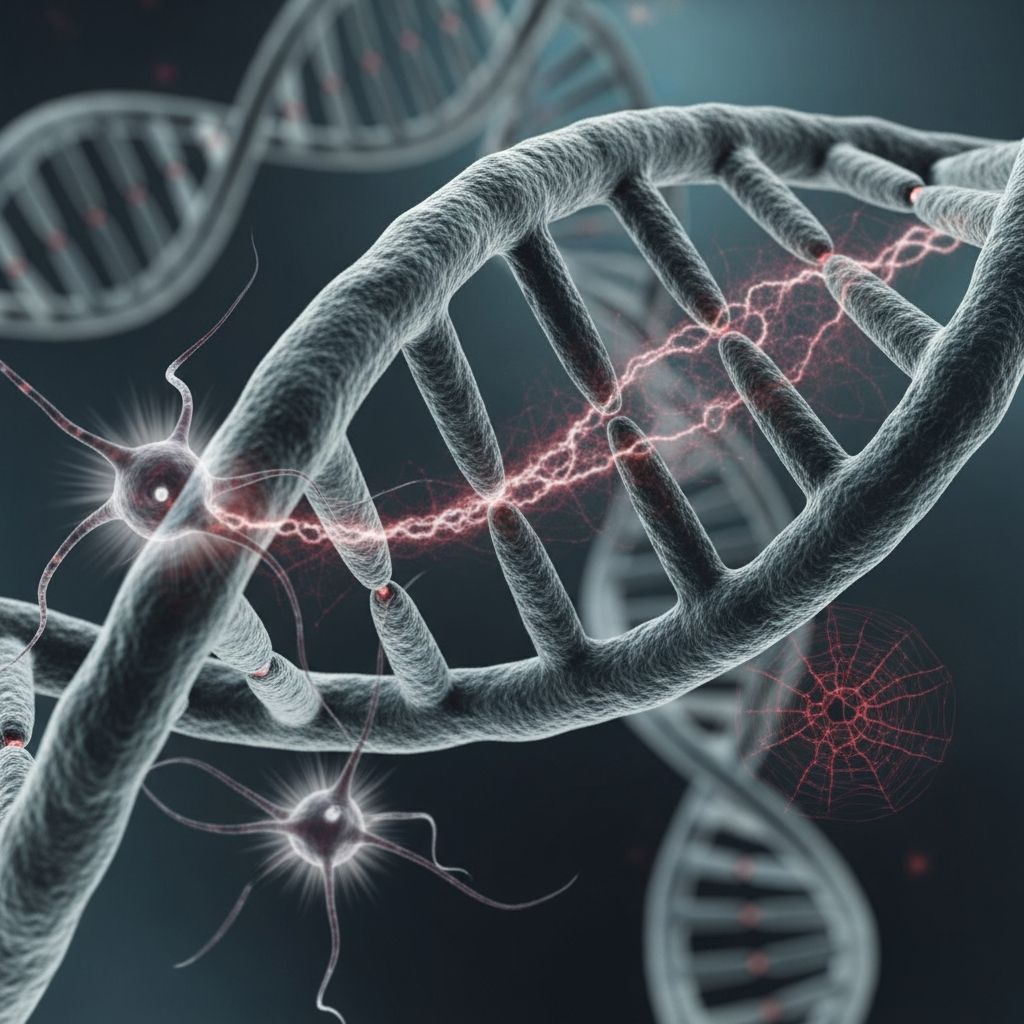
Ataxia-telangiectasia (A-T), also known as Louis-Bar syndrome, is a rare, inherited neurodegenerative disorder characterized by progressive cerebellar ataxia, oculocutaneous telangiectasias (dilated small blood vessels), immunodeficiency, recurrent infections, and a markedly increased risk of malignancy. It is an autosomal recessive condition caused by biallelic mutations in the ATM gene on chromosome 11q22-23, which encodes a protein kinase essential for DNA double-strand break repair, cell cycle checkpoint control, and response to oxidative stress. The global incidence is approximately 1 in 40,000 to 100,000 live births, with higher rates in populations with consanguinity.
A-T typically manifests in early childhood with gait ataxia becoming evident around age 1-4 years as children learn to walk. Telangiectasias appear later, usually by age 3-6 years, first in the bulbar conjunctivae and then on sun-exposed skin such as ears, eyelids, and cheeks. Systemic features include growth failure, premature aging, endocrine dysfunction, and chronic lung disease from recurrent sinopulmonary infections. Elevated serum alpha-fetoprotein (AFP) and carcinoembryonic antigen (CEA) levels are nearly universal and serve as useful diagnostic markers. Neurological progression leads to wheelchair dependence by adolescence, with most patients surviving into their 20s-30s, primarily limited by malignancy or respiratory failure.
Who gets ataxia-telangiectasia?
A-T affects both sexes equally and is panethnic, though founder mutations increase prevalence in certain groups (e.g., c.103C>A in Polish populations). It requires inheritance of two mutated ATM alleles, one from each carrier parent (25% recurrence risk per pregnancy). Carriers (heterozygotes) are asymptomatic but have slightly elevated cancer risks. Diagnosis often occurs in toddlerhood when ataxia prompts evaluation, though prenatal genetic testing is available for known families.
- Age: Onset <5 years (classic form); milder variants present later.
- Sex: Equal.
- Genetics: Autosomal recessive; >900 ATM mutations identified.
What causes ataxia-telangiectasia?
Homozygous or compound heterozygous mutations in ATM (ataxia-telangiectasia mutated) disrupt DNA damage response pathways. ATM kinase phosphorylates targets like p53, BRCA1, and CHK2 to halt cell cycle progression, repair DNA breaks, or trigger apoptosis following ionizing radiation or oxidative damage. Absent ATM function causes cerebellar Purkinje cell death (explaining ataxia), vascular fragility (telangiectasias), lymphoid hypoplasia (immunodeficiency), and genomic instability predisposing to leukemia/lymphoma.
Pathophysiology involves:
- Cerebellar degeneration: Selective Purkinje neuron loss due to unrepaired DNA damage and oxidative stress.
- Vascular lesions: Endothelial cell apoptosis leading to capillary dilation; mechanism unclear.
- Immune defects: Thymic hypoplasia, low IgA/IgE/G, lymphopenia.
- Cancer risk: Chromosomal translocations (e.g., t(7;14)) in T-cells; 40% develop malignancy, often lymphoid.
What are the clinical features of ataxia-telangiectasia?
Neurological features
Progressive cerebellar ataxia is hallmark, starting with truncal instability and wide-based gait, evolving to appendicular ataxia, dysmetria, and intention tremor. Children lose independent ambulation by age 10-15. Additional features include:
- Dysarthria (scanning speech).
- Oculomotor apraxia (difficulty initiating saccades).
- Peripheral neuropathy (axonal, sensory > motor).
- Extrapyramidal signs (dystonia, choreoathetosis, parkinsonism).
- Mild-moderate intellectual disability (IQ 25-77 points below normal); preserved verbal > performance IQ.
Dermatological features
Telangiectasias are pathognomonic: bulbar (90% by age 6), facial (ears/cheeks), antecubital/periarticular. Skin may show café-au-lait spots, vitiligo, progeroid changes (gray hair, scleroderma-like). Photosensitivity and radiation hypersensitivity contraindicate radiotherapy.
Immunological features
Variable humoral (IgA deficiency 50-80%) and cellular (CD4 lymphopenia) immunodeficiency causes sinopulmonary infections, bronchiectasis. 20-30% have no infections.
Oncological features
30-40% lifetime malignancy risk: 60% lymphoid (T-ALL, NHL), 30% epithelial (breast, gastric). Median onset teens.
Other features
- Growth retardation (short stature, microcephaly).
- Endocrine: gonadal dysgenesis, insulin resistance, hypothyroidism.
- Cardiopulmonary: dilated cardiomyopathy (10%), pulmonary fibrosis.
- Labs: ↑AFP (all cases), ↑CEA (60%), radiosensitivity (clastogen assay), absent ATM protein.
Diagnosis of ataxia-telangiectasia
Diagnosis combines clinical triad (ataxia + telangiectasia + AFP elevation) with confirmatory tests:
| Test | Finding | Sensitivity |
|---|---|---|
| Serum AFP | >10x normal | ~100% |
| ATM sequencing | Biallelic mutations | ~95% |
| Western blot | Absent ATM protein | Classic 95%; variants 30% |
| Chromosomal breakage | 14;14 translocations | 80% |
| Radiosensitivity | Exaggerated chromosome damage | 95% |
Differential includes NBS1 mutation, Friedreich ataxia, Niemann-Pick C. Prenatal diagnosis via CVS/amnio for at-risk pregnancies.
Treatment of ataxia-telangiectasia
Symptomatic and supportive:
- Mobility: Physiotherapy, orthotics, wheelchair by adolescence.
- Communications: Speech therapy.
- Infections: IVIG for hypogammaglobulinaemia, aggressive antibiotics, vaccinations (avoid live post-BMT).
- Cancer: Reduced-dose chemotherapy (alkylators/radiotherapy contraindicated); HSCT for leukemia.
- Endocrine: Growth hormone, sex steroids.
- Antioxidants: N-acetylcysteine trialed.
Experimental: gene therapy, ATM kinase agonists. Multidisciplinary team essential.
What is the outcome for ataxia-telangiectasia?
Life expectancy 20-40 years; cancer (25%) and respiratory failure primary causes of death. Survivors face severe disability but retain insight. Heterozygotes have 2-3x breast cancer risk; screening recommended.
Prevention of ataxia-telangiectasia
Genetic counseling, prenatal diagnosis, preimplantation genetic diagnosis. IVF-PGD available.
Ataxia-telangiectasia FAQs
Is ataxia-telangiectasia curable?
No cure exists; management is palliative. HSCT corrects immunodeficiency but not neurological features.
Can A-T patients have children?
Males usually infertile (azoospermia); females have ovarian failure but rare pregnancies reported.
Is radiation safe for A-T?
Absolutely contraindicated due to hypersensitivity.
How is A-T inherited?
Autosomal recessive; carrier testing available.
What vaccines for A-T children?
Inactivated vaccines safe; avoid live vaccines if immunodeficient.
References
- Ataxia-Telangiectasia — Gatti RA et al. StatPearls [Internet]. NCBI Bookshelf. 2023-07-17. https://www.ncbi.nlm.nih.gov/books/NBK519542/
- Ataxia-telangiectasia: Symptoms, Causes and Outlook — Cleveland Clinic. 2024-01-12. https://my.clevelandclinic.org/health/diseases/23415-ataxia-telangiectasia
- Ataxia-Telangiectasia — Rady Children’s Hospital. 2023. https://www.rchsd.org/health-article/ataxia-telangiectasia/
Similar Articles




Read full bio of medha deb