Atelectasis: Causes, Symptoms, Diagnosis & Treatment
Understanding atelectasis: Learn about collapsed lung causes, symptoms, diagnosis methods, and effective treatment options.
What is Atelectasis?
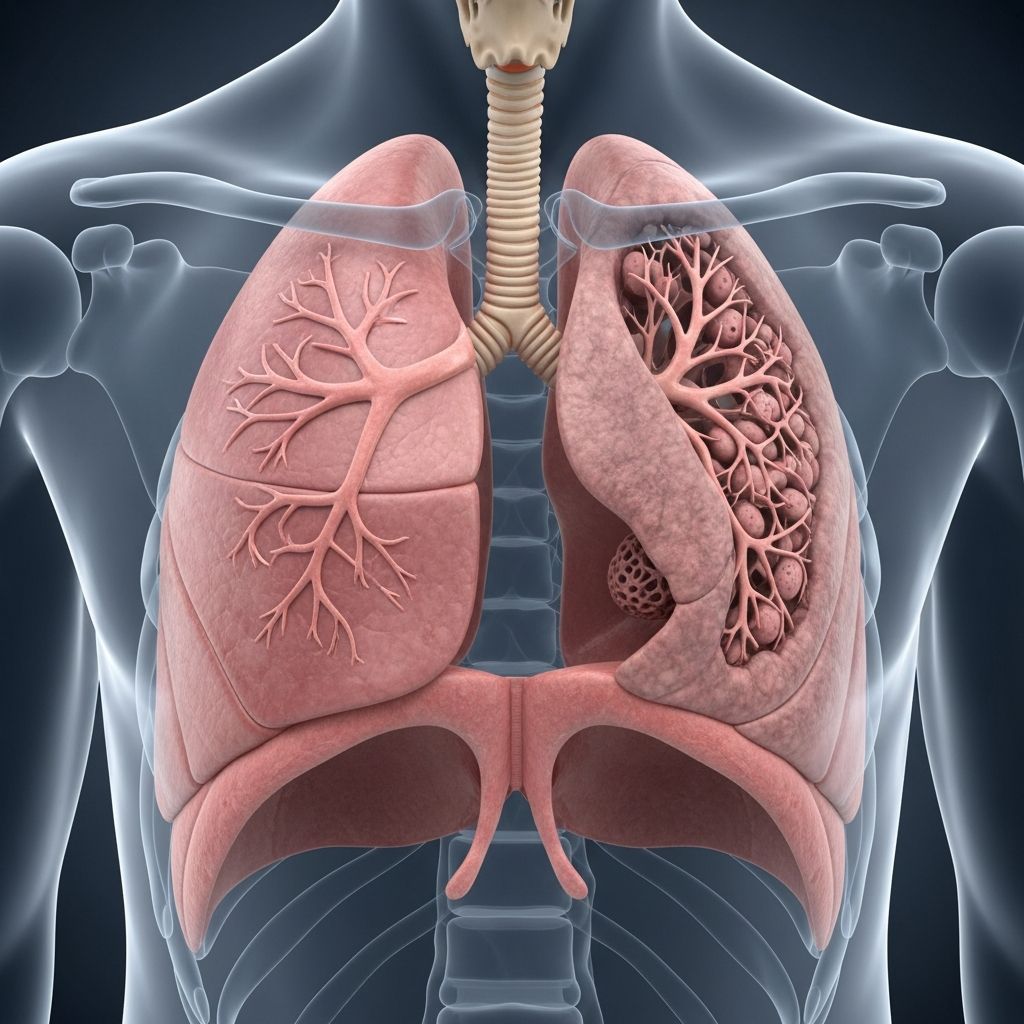
Atelectasis is a medical condition characterized by the partial or complete collapse of one or more sections of the lung, or occasionally the entire lung. The condition occurs when tiny air sacs within the lungs, called alveoli, become deflated or filled with fluid, preventing them from inflating properly. This deflation significantly impairs the lung’s ability to intake oxygen, which is essential for maintaining normal bodily functions and oxygen exchange throughout the body.
The term “atelectasis” comes from the Greek words meaning “incomplete” and “expansion,” accurately describing how the affected lung tissue fails to fully expand and function as intended. When atelectasis occurs, blood flow to the collapsed lung tissue continues, but because the lung tissue isn’t properly inflated, the blood cannot pick up oxygen efficiently, leading to reduced oxygen levels in the bloodstream.
Understanding Lung Anatomy and Function
To better understand atelectasis, it is important to know how healthy lungs work. The lungs contain millions of tiny air sacs called alveoli, organized into clusters resembling bunches of grapes. When you breathe, air fills these alveoli, and oxygen from the air passes through thin walls into the blood vessels surrounding them. At the same time, carbon dioxide moves from the blood into the alveoli to be expelled when you exhale.
The inner surfaces of the alveoli are coated with a special substance called pulmonary surfactant, which reduces surface tension and helps keep the air sacs open and stable. When atelectasis occurs, whether due to surfactant impairment or other causes, this delicate balance is disrupted, and the alveoli collapse.
Types of Atelectasis
Atelectasis is generally classified into two broad categories based on the underlying mechanism: obstructive (resorptive) atelectasis and nonobstructive atelectasis. Understanding these types helps healthcare providers determine the most appropriate treatment approach.
Obstructive Atelectasis
Obstructive atelectasis, also known as resorptive atelectasis, occurs when something blocks the airway, preventing air from entering the alveoli. When oxygen and carbon dioxide in the alveoli gradually move into the bloodstream and no new air moves in to replace them, the alveoli collapse. Common causes of obstructive atelectasis include:
- Mucus buildup in the airways
- Lung tumors or abnormal growths
- Foreign objects that have been accidentally inhaled
- Excessive fluid accumulation in the airways
Nonobstructive Atelectasis
Nonobstructive atelectasis results from factors outside the airway system that affect lung expansion. This category includes several subtypes:
- Compression atelectasis: External pressure on the lung causes the air sacs to collapse. This can result from pleural effusions (fluid around the lung), pneumothorax (air leak around the lung), abdominal distension, or tumors pressing on the lung tissue.
- Adhesive atelectasis: Also called surfactant-related atelectasis, this occurs due to impaired surfactant function. Surfactant normally reduces alveolar surface tension, and when it becomes deficient or dysfunctional, increased tension causes alveolar collapse. This condition is associated with acute respiratory distress syndrome (ARDS) or neonatal respiratory distress syndrome (RDS).
- Contraction atelectasis: Also known as cicatrization atelectasis, this occurs when scar tissue in the lungs prevents the alveoli from holding as much air as they should. Scarring can result from serious lung conditions like pulmonary fibrosis or tuberculosis.
Related Stories



Causes of Atelectasis
Atelectasis can develop for various reasons, with some causes being more common than others. The condition occurs when there is poor inspiratory effort, airway obstruction, external pressure on the lungs, or deficient production or function of surfactant protein.
Post-Surgical Atelectasis
Surgery is the most common cause of atelectasis. During general anesthesia, the medication used to keep you asleep affects your ability to breathe deeply or cough effectively to clear mucus from your airways. Research shows that atelectasis appears in the dependent regions of both lungs within five minutes of anesthesia induction, with up to 15-20% of the lung at its base collapsing during routine anesthesia before any surgical intervention even occurs. In fact, the incidence of atelectasis in patients undergoing general anesthesia is approximately 90%. Interestingly, ketamine, when used as a sole anesthetic agent, is the only anesthetic drug that does not increase the risk of developing atelectasis.
Other Common Causes
Beyond surgery, atelectasis can develop due to numerous other factors:
- Prolonged bed rest and immobility
- Cystic fibrosis, which causes abnormal mucus production
- Lung tumors or cancer
- Chest injuries or trauma
- Respiratory weakness from various conditions
- Fluid accumulation in and around the lungs
- Inhalation of foreign objects
- Severe respiratory conditions affecting surfactant production
Symptoms of Atelectasis
The symptoms of atelectasis vary depending on the extent of lung collapse and the speed at which it develops. In many cases, atelectasis is asymptomatic if only a few alveoli are affected. However, as more alveoli become involved, symptoms typically emerge.
Common Symptoms
When atelectasis affects larger areas of the lungs, patients may experience:
- Difficulty breathing or shortness of breath (dyspnea)
- Rapid, shallow breathing (tachypnea)
- Sharp chest pain, particularly with breathing or coughing (pleuritic chest pain)
- Wheezing or other abnormal breathing sounds
- Persistent coughing, with or without mucus production
- Elevated heart rate (tachycardia)
- Blue-colored skin, lips, fingernails, or toenails (cyanosis), indicating low oxygen levels
Associated Symptoms
In some cases, atelectasis may be accompanied by symptoms of pneumonia, such as productive cough (cough with sputum) and fever, especially if infection develops in the collapsed lung tissue.
Diagnosis of Atelectasis
Healthcare providers employ various diagnostic techniques to identify and assess atelectasis. A chest scan report may note atelectasis when an area of the lung isn’t completely expanded.
Physical Examination
During physical examination, a healthcare provider may observe:
- Increased work of breathing and respiratory effort
- Diminished or absent breath sounds in the affected area
- Crackles or abnormal lung sounds
- Decreased chest expansion on the affected side
Imaging Studies
Imaging plays a crucial role in confirming atelectasis diagnosis. Chest X-rays are typically the first imaging study ordered, as they can reveal areas of lung collapse. Computed tomography (CT) scans provide more detailed images and can help identify the underlying cause of atelectasis, such as tumors or airway obstructions.
Treatment Options
Treatment for atelectasis focuses on addressing the underlying cause while providing supportive care to re-expand the collapsed lung tissue. The approach varies depending on the severity and cause of the condition.
Preventive Measures and Conservative Management
For many patients, especially those recovering from surgery, simple interventions can effectively prevent or treat atelectasis:
- Deep breathing exercises: Consciously taking slow, deep breaths helps expand the alveoli and promotes lung re-expansion
- Incentive spirometry: This breathing device measures how much air you can inhale and encourages you to breathe more deeply than you normally do
- Early mobilization: Getting out of bed and moving around as soon as medically appropriate after surgery
- Coughing techniques: Controlled coughing helps clear mucus from airways
- Supplemental oxygen: Additional oxygen therapy may be provided to maintain adequate blood oxygen levels while the lungs re-expand
- Chest physiotherapy: Physical therapists may use percussion and vibration techniques to help loosen and mobilize secretions
Specific Treatments
Depending on the underlying cause, more targeted interventions may be necessary. If atelectasis results from airway obstruction, bronchoscopy may be performed to remove mucus, foreign objects, or other blockages. For cases caused by external compression from fluid or tumors, treating the underlying condition becomes essential. In cases where surfactant dysfunction is responsible, addressing the primary condition causing surfactant impairment is necessary.
Prognosis and Complications
The prognosis for patients with atelectasis varies greatly, with the underlying etiology and patient comorbidities being primary prognostic determinators. Most cases of post-surgical atelectasis resolve relatively quickly with appropriate management and supportive care.
Potential Complications
Without proper treatment, atelectasis can lead to serious complications:
- Lung infections: Collapsed lung tissue can become infected, leading to pneumonia
- Hypoxemia: Persistent low blood oxygen levels that can affect various organ systems
- Respiratory distress: Significant impairment of respiratory function
- Lung scarring: Recurrent atelectasis episodes may result in fibrosis and permanent lung damage
- Decreased lung reserve: Over time, repeated atelectasis can reduce overall lung capacity and function
Prevention Strategies
Several strategies can help prevent atelectasis, particularly in high-risk situations such as before and after surgery:
- Practice deep breathing and coughing exercises before surgery
- Maintain physical activity and avoid prolonged bed rest
- Use incentive spirometry as directed by healthcare providers
- Follow post-operative instructions carefully regarding mobilization and breathing exercises
- Stay well-hydrated to help keep secretions thin and mobile
- Communicate with your healthcare team about any respiratory concerns
Frequently Asked Questions
Q: Is atelectasis the same as pneumothorax?
A: No. Atelectasis is a collapsed lung caused by deflated air sacs (alveoli), while pneumothorax is a condition where air leaks into the space around the lung, compressing it and causing collapse. Both result in collapsed lungs, but through different mechanisms.
Q: Can atelectasis resolve on its own?
A: Many cases of atelectasis, particularly post-surgical atelectasis, resolve with appropriate supportive care and treatment of the underlying cause. However, untreated atelectasis can lead to serious complications.
Q: How long does it take to recover from atelectasis?
A: Recovery time varies depending on the extent of lung collapse and the underlying cause. Many post-surgical cases improve within days to weeks with proper management, while others may take longer.
Q: What should I do if I experience symptoms of atelectasis after surgery?
A: Seek immediate medical attention, especially if experiencing significant difficulty breathing. Follow your healthcare provider’s instructions regarding breathing exercises and mobility, and report any worsening symptoms.
Q: Can atelectasis be prevented before surgery?
A: Yes. Pre-operative preparation including breathing exercises, maintaining good physical fitness, and discussing anesthesia options with your anesthesiologist can help reduce atelectasis risk.
References
- Atelectasis | Research Starters – EBSCO — EBSCO Information Services. 2024. https://www.ebsco.com/research-starters/consumer-health/atelectasis
- Atelectasis | American Lung Association — American Lung Association. 2024. https://www.lung.org/lung-health-diseases/lung-disease-lookup/atelectasis
- Atelectasis – StatPearls — National Center for Biotechnology Information (NCBI), National Institutes of Health. 2024. https://www.ncbi.nlm.nih.gov/books/NBK545316/
- Atelectasis: Causes, Symptoms, Diagnosis & Treatment — Cleveland Clinic. 2024. https://my.clevelandclinic.org/health/diseases/17699-atelectasis
- Atelectasis: Types, Causes, Symptoms, Treatment — WebMD. 2024. https://www.webmd.com/lung/atelectasis-facts
- Atelectasis — Penn Medicine, University of Pennsylvania Health System. 2024. https://www.pennmedicine.org/conditions/atelectasis
- What Is Atelectasis? — Mass General Brigham. 2024. https://www.massgeneralbrigham.org/en/about/newsroom/articles/what-is-atelectasis
Similar Articles








Read full bio of medha deb