Atelectasis: Causes, Symptoms, Diagnosis & Treatment
Understanding atelectasis: comprehensive guide to lung collapse causes, symptoms, and effective treatment options.
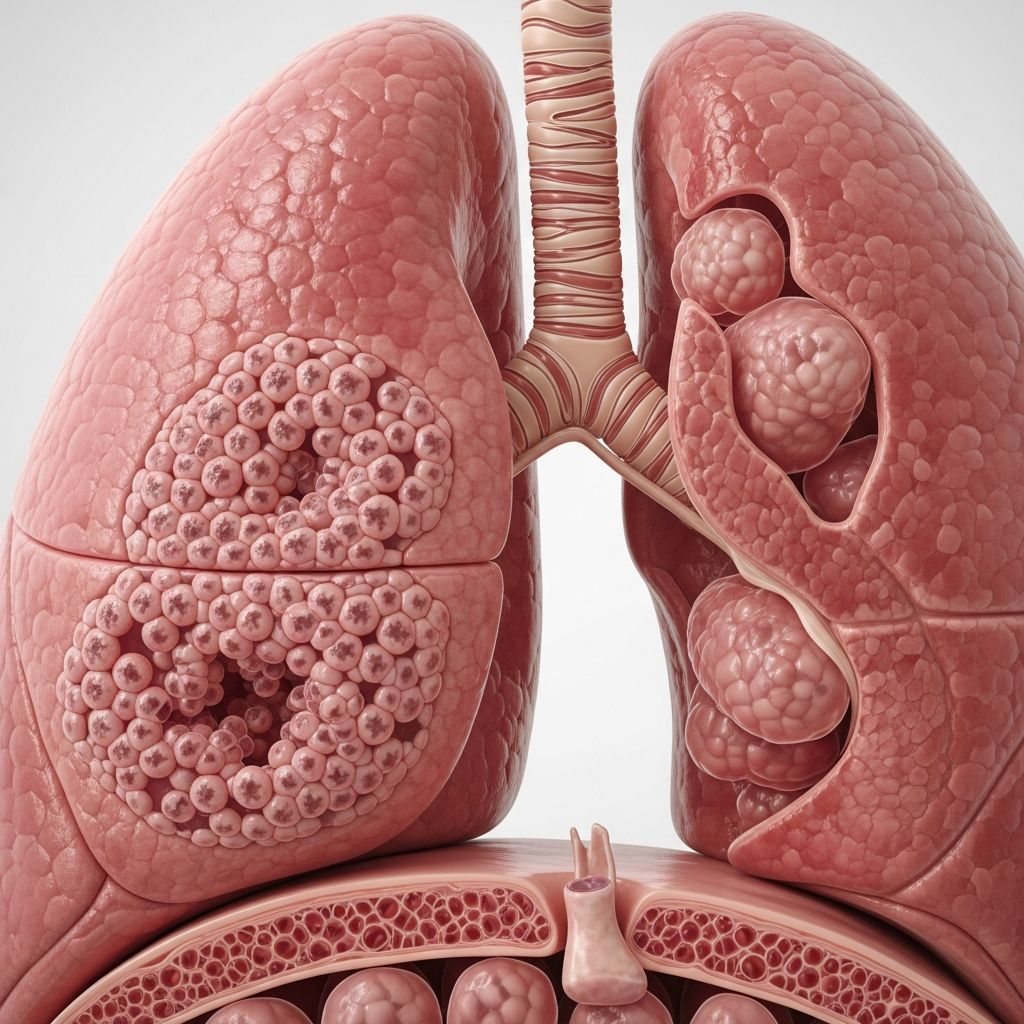
Atelectasis: Causes, Symptoms, Diagnosis and Treatment
Atelectasis is a medical condition in which the tiny air sacs in your lungs, known as alveoli, fail to inflate properly. This results in a partial or complete collapse of one or more sections of the lungs, preventing adequate oxygen exchange between your lungs and bloodstream. When atelectasis occurs, your blood, tissues, and organs may not receive sufficient oxygen, which can lead to various health complications if left untreated. Understanding this condition is crucial for recognizing symptoms early and seeking appropriate medical intervention.
What is Atelectasis?
Atelectasis represents a collapse of the lung tissue that prevents normal oxygen absorption. The condition can range from minimal involvement affecting a small portion of the lung to severe cases where an entire lung collapses. The condition is particularly common after surgical procedures requiring general anesthesia, making it one of the most frequent breathing complications experienced in the postoperative period.
The name atelectasis comes from Greek words meaning “incomplete” and “expansion,” which accurately describes the fundamental problem: the lungs or portions of the lungs fail to expand fully. This incomplete expansion compromises the lung’s primary function of oxygenating the blood and removing carbon dioxide from the body.
Common Causes of Atelectasis
Atelectasis can develop through several different mechanisms, each related to how air enters or remains in the lungs:
Pressure on the Lungs
External pressure applied to the lung tissue can prevent proper expansion. This pressure may result from fluid accumulation (pleural effusion), blood in the pleural space, or a collapsed blood vessel pressing against lung tissue. Tumors or enlarged lymph nodes can also exert significant external pressure on the lungs.
Airway Blockages
Obstruction of the airways prevents air from reaching the alveoli. Common blockages include accumulated mucus and secretions, blood clots, aspirated food particles, or foreign objects. In some cases, tumors growing within the airway can partially or completely obstruct airflow.
Reduced Breathing Effort
Insufficient inspiratory effort—the force used during inhalation—can result in inadequate lung expansion. This commonly occurs after surgery when patients experience pain or weakness, limiting their ability to breathe deeply. Anesthesia can also temporarily diminish breathing reflexes and the ability to cough effectively.
Surfactant Deficiency
Surfactant is a specialized protein substance that reduces surface tension in the alveoli, allowing them to remain inflated. Deficient production or dysfunction of this critical protein can lead to alveolar collapse, particularly in premature infants whose lungs have not yet fully developed.
Post-Surgical Complications
The most common cause of atelectasis is surgery requiring general anesthesia. During surgery, anesthesia may affect your ability to breathe deeply or cough effectively to remove mucus buildup in your airways. The prolonged period of shallow breathing during and after surgery, combined with pain and immobility, creates ideal conditions for atelectasis development.
Risk Factors for Developing Atelectasis
Certain patient populations face elevated risk for atelectasis development:
– Recent surgery under general anesthesia- Morbid obesity (increased body weight restricts lung expansion)- Advanced age and reduced lung elasticity- Chronic lung diseases such as asthma or chronic obstructive pulmonary disease (COPD)- Neurological conditions affecting respiratory muscles- Use of certain medications affecting breathing- Prolonged bed rest or immobility- Smoking history- Abdominal or chest trauma
Related Stories



Recognizing Atelectasis Symptoms
Symptoms of atelectasis vary depending on the extent of lung collapse and the speed of onset. Some patients experience no symptoms at all, while others may have significant respiratory distress. Common symptoms include:
– Shortness of breath or dyspnea- Rapid breathing (tachypnea)- Rapid heart rate (tachycardia)- Chest pain or discomfort- Low oxygen saturation levels- Cough- Fatigue or weakness- Blue-tinged skin or lips (cyanosis) in severe cases
The severity of symptoms typically correlates with the amount of lung tissue involved. Massive atelectasis affecting an entire lung can cause more pronounced symptoms than minimal atelectasis affecting only a small segment.
Diagnostic Approaches for Atelectasis
Diagnosis of atelectasis typically begins with clinical suspicion based on patient symptoms, physical examination findings, and the clinical context in which symptoms develop.
Imaging Tests
Chest X-ray: A standard chest radiograph often provides initial visualization of atelectasis. The collapsed lung area appears as a region of increased density or whiteness on the X-ray film, distinguishing it from normal aerated lung tissue.
Computed Tomography (CT) Scan: A CT scan of the chest offers superior detail compared to conventional X-rays and may better identify the specific cause and type of atelectasis. CT imaging is particularly useful when the initial X-ray findings are inconclusive or when determining the underlying cause is clinically important.
Oxygen Saturation Testing
Pulse oximetry uses a small device placed on your finger to measure blood oxygen levels. This simple, non-invasive test helps determine the severity of atelectasis by revealing how much oxygen is reaching your bloodstream.
Bronchoscopy
When less invasive diagnostic methods prove inconclusive or when airway obstruction is suspected, bronchoscopy may be performed. During this procedure, a flexible viewing tube is gently guided down the throat into the bronchus to directly visualize the airways and identify potential blockages or causes of atelectasis. Bronchoscopy can be both diagnostic and therapeutic, as obstructions can be removed during the same procedure.
Comprehensive Treatment Options
Treatment for atelectasis depends on the underlying cause and the severity of lung collapse. Many cases resolve without specific treatment through careful medical monitoring, while others require targeted interventions.
Conservative Management Approaches
Deep Breathing and Coughing Exercises: Nurses or respiratory therapists guide patients through breathing exercises while in an upright position as soon as possible after surgery. These exercises, collectively called chest physiotherapy, help re-expand collapsed lung tissue and mobilize secretions.
Incentive Spirometry: An incentive spirometer is a hand-held device that encourages you to take deep, full breaths and helps measure your breathing progress. Using this device helps clear mucus from your lungs and promotes lung re-expansion. Typically, you inhale slowly and deeply through the device, and a marker rises to show your achievement, providing immediate feedback and incentive for continued effort.
Positioning Techniques: Positioning your body so that your head is lower than your chest allows mucus to drain better from the bottom of your lungs. This postural drainage technique, combined with body positioning on the unaffected side, facilitates secretion clearance and promotes lung re-expansion.
Chest Percussion and Postural Drainage: Tapping on your chest over the collapsed area helps loosen mucus in the airways. Trained healthcare professionals can perform percussion, and mechanical mucus clearance devices such as air pulse vibrator vests or hand-held instruments can achieve similar effects.
Medication-Based Treatments
Medications delivered through inhalers help open airways and facilitate breathing. Bronchodilators expand the airways, making it easier for air to reach the alveoli. If infection is present, antibiotics may be prescribed to clear any bacterial or other infections that could perpetuate the atelectasis.
Mechanical Ventilation Support
Continuous Positive Airway Pressure (CPAP): CPAP therapy may help people who are too weak to cough and have low oxygen levels after surgery. This non-invasive breathing device delivers pressurized air through a mask, maintaining positive pressure in the airways to prevent collapse.
Intermittent Positive Pressure Breathing (IPPB): In this technique, short-term mechanical ventilation is delivered via a mouthpiece to expand the lungs and deliver aerosol medication. The positive pressure forces air into the lungs, promoting re-expansion of collapsed tissue.
Mechanical Ventilation: In severe cases, a breathing tube may be necessary. Airway pressure is applied through a tube inserted via the nose, mouth, or an opening created on the neck. The positive nature of this pressure causes gas to flow into the lungs until ventilation is terminated.
Surgical and Procedural Interventions
Bronchoscopy with Obstruction Removal: When less invasive efforts such as early ambulation, incentive spirometry, and bronchodilators prove unsuccessful, bronchoscopy becomes indicated. During this procedure, the doctor gently guides a flexible tube down your throat to clear airways and remove blockages such as excess mucus, blood clots, or foreign material.
Tumor Treatment: If a tumor is causing atelectasis, treatment may involve removing or shrinking the tumor during bronchoscopy or surgery. Additional cancer treatments such as chemotherapy or radiation therapy may be recommended depending on the tumor type and staging.
Pressure Relief: Doctors may remove the source of external lung pressure surgically or through medications. This might involve draining excess fluid, treating underlying conditions, or surgically addressing masses compressing lung tissue.
Prevention Strategies
Atelectasis is largely preventable through several evidence-based strategies. Avoiding general anesthesia when possible, early mobilization after surgery, adequate pain control, and minimizing opioid administration can significantly reduce atelectasis risk. When general anesthesia is unavoidable, continuous positive airway pressure, optimal oxygen management during induction and maintenance, positive end-expiratory pressure (PEEP), lung recruitment maneuvers, and low tidal volumes of 6 to 10 mL/kg help prevent atelectasis development.
Recovery and Prognosis
Most atelectasis that appears during general anesthesia causes transient lung dysfunction that resolves within 24 hours after surgery. The vast majority of patients recover quickly with no serious lasting effects once the underlying cause is treated. Most cases of atelectasis are reversible, and the condition typically improves with appropriate management.
However, some patients may develop significant perioperative respiratory complications that require more intensive intervention. In people with long-lasting chronic conditions, further treatment may be needed to manage the underlying cause of atelectasis and prevent recurrence.
Potential Complications
While atelectasis itself is usually not serious, some cases can develop into more significant complications if not properly managed. Reduced oxygen delivery can stress the heart and other vital organs. Secondary infections such as pneumonia may develop in atelectatic lung regions. Prolonged or severe atelectasis can contribute to increased morbidity and mortality if untreated, particularly in critically ill patients.
When to Seek Medical Attention
Contact your healthcare provider if you experience shortness of breath, chest pain, persistent cough, or low oxygen saturation levels, particularly after surgery or respiratory illness. Seek emergency care if you experience severe difficulty breathing, chest pain with pressure sensation, confusion, or blue-tinged skin or lips.
Frequently Asked Questions
Q: Can atelectasis be prevented?
A: Yes, atelectasis is largely preventable through avoiding general anesthesia when possible, early mobilization, adequate pain control, deep breathing exercises, and limiting opioid use. During necessary anesthesia, specific ventilator settings and PEEP can minimize atelectasis risk.
Q: Is atelectasis permanent?
A: No, atelectasis is usually reversible. Most cases resolve within 24 hours after surgery or with appropriate treatment of the underlying cause. Only in rare chronic conditions does permanent lung damage result.
Q: How long does atelectasis recovery take?
A: Most patients recover quickly, typically within 24 hours after surgery. However, recovery time varies depending on the severity of collapse, the underlying cause, and how quickly treatment is initiated.
Q: What is the difference between atelectasis and pneumonia?
A: Atelectasis involves lung collapse from impaired air entry, while pneumonia is a lung infection with inflammation and fluid accumulation. They are distinct conditions requiring different treatments, though pneumonia can complicate untreated atelectasis.
Q: Can I use an incentive spirometer at home?
A: Yes, incentive spirometers are portable devices designed for home use. They are commonly prescribed after surgery for patients to use multiple times daily to promote lung expansion and mucus clearance.
References
- Atelectasis: Causes, Symptoms, Diagnosis & Treatment — Cleveland Clinic. 2024. https://my.clevelandclinic.org/health/diseases/17699-atelectasis
- Atelectasis — StatPearls, National Center for Biotechnology Information (NCBI), National Institutes of Health (NIH). Updated 2024. https://www.ncbi.nlm.nih.gov/books/NBK545316/
- How Do You Fix Atelectasis? Treatment, Causes & Symptoms — MedicineNet. 2024. https://www.medicinenet.com/how_do_you_fix_atelectasis/article.htm
- Atelectasis – Diagnosis and Treatment — Mayo Clinic. 2024. https://www.mayoclinic.org/diseases-conditions/atelectasis/diagnosis-treatment/drc-20369688
- Atelectasis: Types, Causes, Symptoms, Treatment — WebMD. 2024. https://www.webmd.com/lung/atelectasis-facts
- Atelectasis — American Lung Association. 2024. https://www.lung.org/lung-health-diseases/lung-disease-lookup/atelectasis
- Atelectasis – Lung and Airway Disorders — Merck Manuals. 2024. https://www.merckmanuals.com/home/lung-and-airway-disorders/bronchiectasis-and-atelectasis/atelectasis
Similar Articles








Read full bio of medha deb