Atelectasis Overview: Causes, Symptoms, and Treatment
Complete guide to atelectasis: understand lung collapse, symptoms, and recovery options.
What Is Atelectasis?
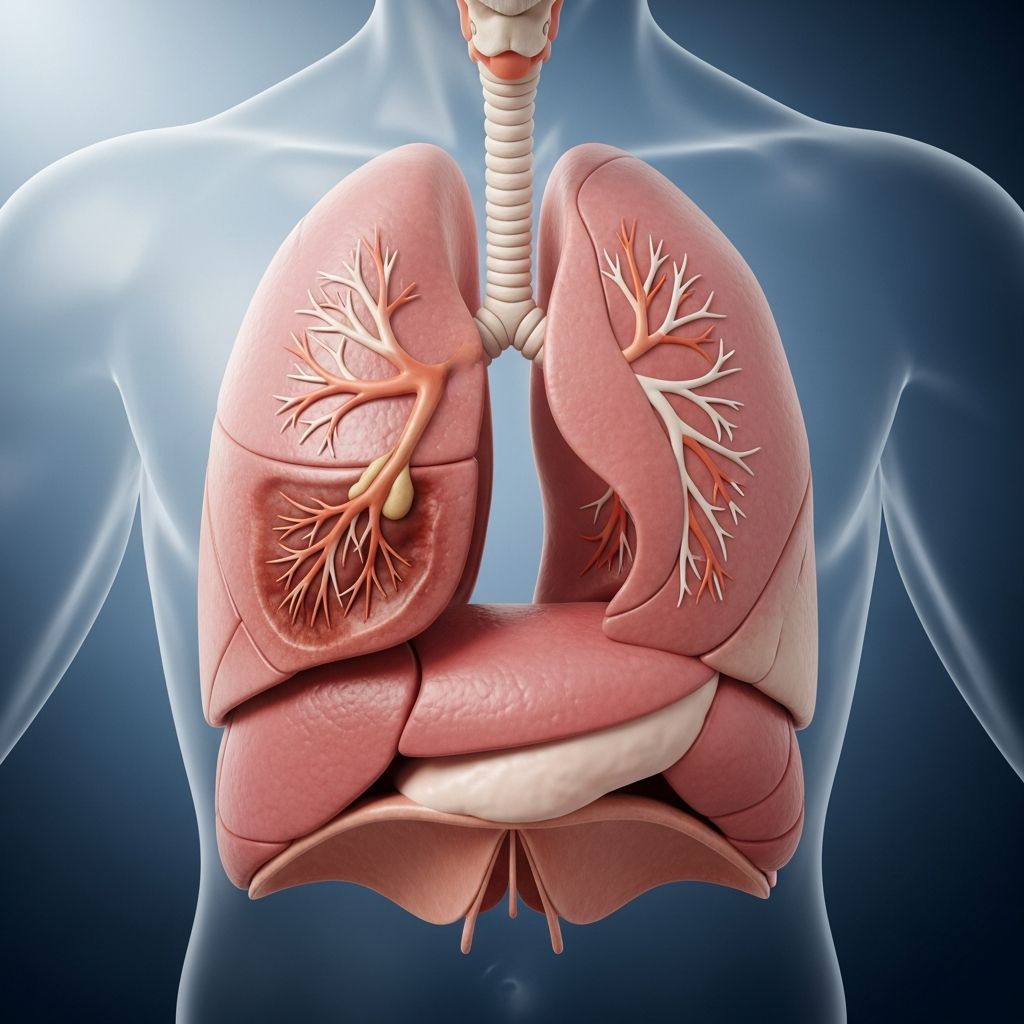
Atelectasis is a medical condition in which the airways or air sacs in the lungs collapse or fail to fully expand. Also known as total or partial lung collapse, atelectasis occurs when the tiny air-filled sacs called alveoli lose their air, causing the affected area of the lung to shrink and become unable to participate in gas exchange. This condition can affect one or both lungs and may involve just a small portion of lung tissue or a more substantial area.
The term “atelectasis” comes from Greek words meaning “incomplete” and “extension,” perfectly capturing how the lungs cannot fully expand as they should. While it may sound alarming, atelectasis ranges from a minor issue that resolves on its own to a more serious condition requiring medical intervention, depending on its severity and underlying cause.
Types of Atelectasis
Atelectasis is classified into two main categories based on the mechanisms that cause it: obstructive (resorptive) and nonobstructive atelectasis. Understanding these types helps medical professionals determine the most appropriate treatment approach.
Obstructive Atelectasis
Obstructive atelectasis occurs when an obstruction blocks airflow into the lungs. When a bronchus or smaller airway (bronchiole) becomes blocked, the air beyond the blockage is gradually absorbed into the bloodstream, causing the alveoli to shrink and collapse. Common causes include mucus plugs, foreign objects (especially in children), tumors blocking airways, and buildup from use of breathing tubes. This type is particularly common in post-operative patients whose breathing is affected by pain and reduced movement.
Nonobstructive Atelectasis
Nonobstructive atelectasis develops when external factors prevent the lungs from fully expanding. This category includes compression atelectasis, caused by increased external pressure on the lung from pleural effusions, pneumothorax, abdominal distension, or tumors. Another subtype is surfactant-related atelectasis (adhesive atelectasis), which occurs due to impaired surfactant—a protein that reduces alveolar surface tension and prevents collapse, as seen in acute respiratory distress syndrome (ARDS) or neonatal respiratory distress syndrome.
What Causes Atelectasis?
Atelectasis has multiple causes, which generally fall into two broad categories: those blocking airflow and those exerting external pressure on the lungs. Understanding these causes is essential for prevention and treatment.
Common Causes Include:
- Anesthesia: General anesthesia significantly increases atelectasis risk, with an incidence of 90% in patients undergoing general anesthesia. Atelectasis appears in dependent lung regions within five minutes of anesthesia induction, with 15-20% of lung base collapse occurring during routine anesthesia.
- Breathing tubes and airway obstruction: Prolonged use of breathing tubes or blockage of air passages can cause atelectasis. Foreign objects in the airway are the most common cause in children.
- Mucus buildup: Mucus plugging the airway prevents proper air distribution to affected alveoli.
- Post-surgical complications: Atelectasis is one of the most common breathing complications after surgery, often resulting from shallow breathing caused by pain or muscle weakness.
- Fluid pressure on lungs: Pleural effusions (fluid accumulation between the ribs and lungs) create external pressure that collapses lung tissue.
- Tumors: Lung tumors can block airways or compress lung tissue.
- Prolonged bed rest: Remaining in one position for extended periods, with few position changes, increases atelectasis risk.
- Lung diseases: Conditions like COPD, bronchiectasis, and cystic fibrosis can increase susceptibility.
- Obesity and pregnancy: Cephalad displacement of the diaphragm in obese and pregnant patients increases atelectasis likelihood, with risk increasing as BMI increases.
Related Stories



Symptoms of Atelectasis
Symptoms vary significantly depending on how much lung tissue is affected and how quickly the condition develops. If only a small portion of the lung or airways is affected, atelectasis may cause no obvious symptoms. However, when substantial portions are involved, symptoms become more apparent.
Common Symptoms Include:
- Shallow breathing
- Rapid or increased respiratory rate
- Coughing, with or without sputum production
- Wheezing or crackling sounds when breathing
- Shortness of breath or difficulty breathing
- Chest pain or pleuritic chest pain
- Fever
- Excess mucus or sputum
- Reduced or absent breathing sounds
- Reduced chest expansion during inhalation
- Tachypnea (rapid breathing)
- Increased work of breathing
- Hypoxia or low blood oxygen levels
It’s important to note that when atelectasis develops gradually or involves only a limited portion of the lung, symptoms may be mild or entirely unnoticed. However, if a large number of alveoli are affected, particularly if atelectasis occurs rapidly, shortness of breath may become severe.
Complications of Atelectasis
When atelectasis persists, serious complications can develop. The collapsed area may become infected because bacteria and white blood cells can accumulate behind the blockage, with infection being particularly likely if atelectasis persists for several days or more. Additionally, low blood oxygen levels resulting from extensive atelectasis can lead to serious health consequences. If atelectasis persists for months, the lung may not easily re-expand.
Diagnosis of Atelectasis
Healthcare providers use several diagnostic methods to identify and assess atelectasis. Physical examination may reveal tachypnea, increased work of breathing, diminished or absent breath sounds, crackles, and decreased chest expansion. Diagnostic imaging, particularly chest X-rays, is commonly used to visualize collapsed lung areas. The specific diagnosis depends on the underlying cause and the extent of lung involvement.
Treatment Options for Atelectasis
Treatment approaches aim to address the underlying cause while providing supportive care. The specific treatment depends on the type and severity of atelectasis.
Supportive Measures:
- Deep breathing exercises: Encouraging patients to take deep breaths helps re-expand collapsed alveoli.
- Incentive spirometry: This device helps patients practice controlled, deep breathing to maximize lung expansion.
- Supplemental oxygen: When atelectasis causes low blood oxygen levels, supplemental oxygen may be prescribed.
- Position changes: Frequent repositioning, particularly for bedridden patients, helps prevent atelectasis development and promotes lung re-expansion.
- Early mobilization: Getting up and moving as soon as safely possible after surgery or illness significantly reduces atelectasis risk.
Medical Treatments:
- Medications: Treatment may involve medications to address underlying causes.
- Airway clearance techniques: When mucus obstruction is present, techniques to clear airways are essential.
- Treatment of underlying conditions: If atelectasis results from pleural effusion, pneumothorax, or tumors, treating these conditions addresses the root cause.
Surgical Intervention:
When conservative treatments fail or the obstruction is severe, surgical intervention may be necessary.
Prevention of Atelectasis
Several strategies can significantly reduce atelectasis risk:
- Pre-operative education: Patient education about deep breathing and early mobilization before surgery improves outcomes.
- Anesthetic selection: Healthcare providers may choose specific anesthetic agents; notably, ketamine used as a sole agent is the only anesthetic that does not increase atelectasis risk.
- Optimizing perioperative care: Implementing preventative measures throughout the surgical period minimizes risk.
- Regular position changes: Especially important for immobile patients and those on prolonged bed rest.
- Early mobilization: Getting patients moving as soon as safely possible after surgery.
- Respiratory exercises: Teaching and encouraging deep breathing and coughing techniques.
When to Seek Medical Attention
While minor atelectasis often resolves without treatment, you should seek medical attention if you experience severe shortness of breath, chest pain, persistent coughing, fever accompanying respiratory symptoms, or rapid breathing patterns. Post-operative patients should report any concerning respiratory symptoms to their healthcare provider promptly.
Outlook and Recovery
The prognosis for atelectasis depends on its extent, the underlying cause, and how quickly treatment is initiated. Many cases of atelectasis resolve completely with appropriate treatment and supportive care. However, when atelectasis persists for extended periods, lung re-expansion may become more difficult. Early recognition and intervention provide the best outcomes for patients with this common respiratory condition.
Frequently Asked Questions
Q: Is atelectasis the same as pneumothorax?
A: No. Atelectasis is the collapse of lung tissue due to blockage or external pressure, whereas pneumothorax is a collapsed lung caused by air escaping from the lung into the space between the lung and chest wall.
Q: Can atelectasis resolve on its own?
A: Atelectasis involving only a small portion of the lung may resolve without treatment. However, more extensive atelectasis requires medical intervention and supportive care for proper resolution.
Q: How long does it take to recover from atelectasis?
A: Recovery time varies depending on the cause and extent of atelectasis. With appropriate treatment and supportive measures like breathing exercises and early mobilization, many patients recover within days to weeks. However, atelectasis persisting for months may result in difficulty with lung re-expansion.
Q: Is atelectasis common after surgery?
A: Yes, atelectasis is one of the most common breathing complications after surgery. However, preventative measures like deep breathing exercises, incentive spirometry, and early mobilization can significantly reduce its occurrence and severity.
Q: Who is at highest risk for developing atelectasis?
A: Patients undergoing general anesthesia face the highest risk, with a 90% incidence. Other high-risk groups include post-operative patients, obese and pregnant individuals, those with lung diseases, and patients with prolonged immobility.
Q: What is the relationship between low oxygen and atelectasis?
A: When atelectasis affects a large portion of the lung, fewer alveoli participate in gas exchange, decreasing oxygen transfer to the blood. The body compensates by constricting blood vessels in the affected area to redirect blood flow to functioning alveoli.
References
- Atelectasis: Definition, types, causes, and treatments — Medical News Today. 2024. https://www.medicalnewstoday.com/articles/atelectasis
- Atelectasis – StatPearls — National Center for Biotechnology Information (NCBI), National Institutes of Health. 2024. https://www.ncbi.nlm.nih.gov/books/NBK545316/
- Atelectasis: MedlinePlus Medical Encyclopedia — MedlinePlus, National Library of Medicine. 2024. https://medlineplus.gov/ency/article/000065.htm
- Atelectasis – Lung and Airway Disorders — Merck Manuals. 2024. https://www.merckmanuals.com/home/lung-and-airway-disorders/bronchiectasis-and-atelectasis/atelectasis
- Atelectasis — Physiopedia. 2024. https://www.physio-pedia.com/Atelectasis
- Atelectasis: Symptoms, Causes, Treatments, and More — Healthline. 2024. https://www.healthline.com/health/atelectasis
- Atelectasis – Symptoms and causes — Mayo Clinic. 2024. https://www.mayoclinic.org/diseases-conditions/atelectasis/symptoms-causes/syc-20369684
Similar Articles








Read full bio of medha deb