Atelectasis: Essential Guide To Causes, Symptoms, And Treatment
Understand atelectasis: lung collapse causes, symptoms, diagnosis, treatment, and prevention strategies for better respiratory health.
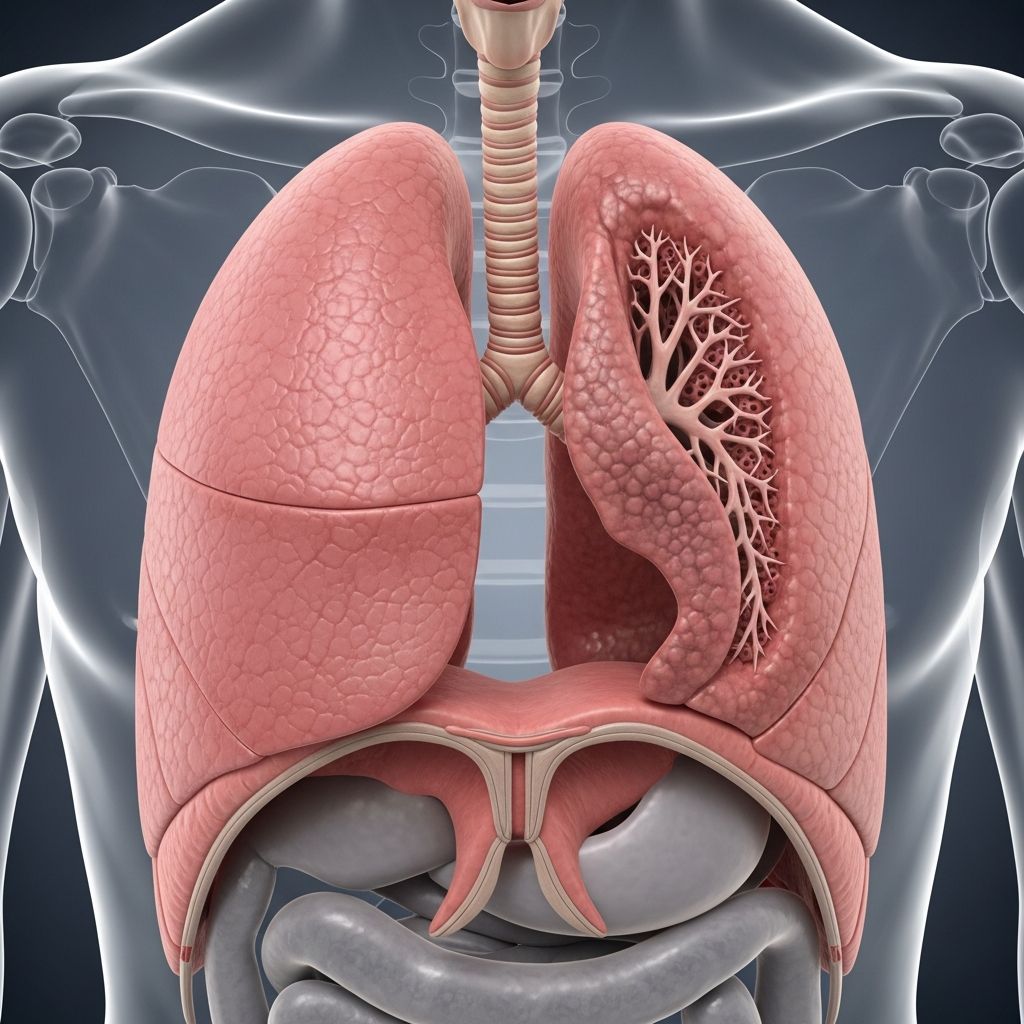
Atelectasis is the partial or complete collapse of lung tissue, resulting in reduced lung volume and impaired gas exchange. This condition occurs when the tiny air sacs (alveoli) in the lungs deflate or fill with fluid, often following surgery, due to airway blockages, or external pressure.
What Is Atelectasis?
Atelectasis refers to the collapse of lung tissue with loss of volume, affecting the alveoli—the functional units responsible for oxygen and carbon dioxide exchange. Unlike pneumothorax, where air leaks into the pleural space, atelectasis typically involves fluid accumulation between the lung and chest wall, leading alveoli to fill with fluid rather than air. It is common post-surgery, occurring in up to 90% of patients under general anesthesia within minutes of induction, primarily in dependent lung regions.
The condition is reversible if addressed promptly, but extensive atelectasis can lead to hypoxemia, hypercapnia, pneumonia, or respiratory failure. Natural mechanisms like surfactant (reducing surface tension), continuous breathing, deep breaths, and coughing normally prevent collapse.
Symptoms of Atelectasis
Atelectasis is often asymptomatic when limited to small areas, but larger involvement causes noticeable signs. Key symptoms include:
- Shortness of breath (dyspnea), especially with rapid or extensive collapse
- Cough, possibly with sputum production
- Pleuritic chest pain
- Shallow or rapid breathing, increased work of breathing
- Wheezing, crackles, or diminished breath sounds on exam
- Hypoxemia symptoms like cyanosis or fatigue if severe
- Fever if pneumonia develops
Physical findings may include reduced chest expansion on the affected side, tachypnea, and absent breath sounds. Upper lobe involvement might produce bronchial breath sounds due to airway proximity. Symptoms relate more to underlying causes or complications like pneumonia than atelectasis itself.
Causes and Types of Atelectasis
Atelectasis arises from three main pathophysiologic mechanisms: airway obstruction (resorptive), external compression, or surfactant impairment (adhesive). It is classified into obstructive and non-obstructive types.
Obstructive (Resorptive) Atelectasis
Occurs when a blockage prevents air from reaching alveoli, leading to gas resorption and collapse. Common causes:
- Mucus plugs or secretions
- Foreign objects, especially in children
- Tumors or bronchiectasis narrowing airways
- Malpositioned endotracheal tubes
Non-Obstructive Atelectasis
- Compression: External pressure from pleural effusions, pneumothorax, tumors, abdominal distension, or obesity/pregnancy shifting the diaphragm
- Passive/Adhesive: Surfactant deficiency in ARDS, neonatal RDS, or prolonged shallow breathing
- Hypoventilation: Post-anesthesia, pain limiting deep breaths, prolonged bed rest, or neuromuscular weakness
General anesthesia increases risk regardless of paralysis, except with ketamine alone. Incidence rises with BMI in obese patients.
Risk Factors
Several factors heighten atelectasis susceptibility:
- Recent surgery or anesthesia (most common)
- Prolonged immobility or bed rest
- Obesity, pregnancy, or abdominal distension
- Chronic lung diseases like COPD, cystic fibrosis
- Respiratory infections or mucus buildup
- Chest trauma or pleural effusions
Post-operative pain and shallow breathing exacerbate risk by preventing deep inspiration and coughing.
Diagnosis
Diagnosis begins with history and physical exam, suspecting atelectasis in post-op dyspnea or hypoxia. Confirmation uses imaging:
- Chest X-ray: Primary tool showing volume loss, mediastinal shift, or elevated diaphragm
- CT Scan: Detects subtle cases or identifies causes like tumors
- Bronchoscopy: Visualizes obstructions, clears mucus
Related Stories



Arterial blood gases assess oxygenation; pulse oximetry monitors hypoxia. Differential includes pneumonia, effusion, or pneumothorax.
Treatment
Treatment targets the cause while promoting re-expansion:
- Breathing Exercises: Deep breathing, coughing, incentive spirometry to open alveoli
- Mobilization: Early ambulation post-surgery
- Bronchoscopy: Removes obstructions
- Chest Physiotherapy: Percussion, postural drainage for secretions
- Oxygen Therapy: Corrects hypoxemia
- Pectoral Suction or Surgery: Rare, for persistent cases
Addressing underlying issues like effusions or tumors is crucial. Antibiotics treat secondary pneumonia.
Prevention
Preventive strategies focus on high-risk patients:
- Incentive spirometry every 1-2 hours while awake
- Encourage coughing, deep breaths, position changes
- Early mobility post-op
- Pain management for effective breathing
- Humidified oxygen, adequate hydration to thin secretions
These reduce incidence significantly, especially after anesthesia.
Complications
Untreated atelectasis risks:
- Pneumonia from stagnant secretions
- Respiratory failure in extensive cases
- Impaired gas exchange causing hypoxia/hypercapnia
- Prolonged recovery or ventilation needs
When to See a Doctor
Seek care for post-op shortness of breath, persistent cough, chest pain, fever, or low oxygen saturation. Early intervention prevents progression.
Frequently Asked Questions
Is atelectasis serious?
Usually reversible and not serious if treated early, but extensive cases can lead to pneumonia or respiratory failure.
How long does atelectasis last?
Resolves in days with treatment; persistent cases may need weeks.
Can atelectasis be cured?
Yes, through breathing exercises, addressing causes, and supportive care.
Does atelectasis show on X-ray?
Yes, chest X-ray is the primary diagnostic tool.
Can you have atelectasis without symptoms?
Yes, small areas are often asymptomatic.
References
- Atelectasis – Pulmonary Disorders — Merck Manual Professional Edition. 2023. https://www.merckmanuals.com/professional/pulmonary-disorders/bronchiectasis-and-atelectasis/atelectasis
- Atelectasis: Definition, types, causes, and treatments — Medical News Today. 2023-10-12. https://www.medicalnewstoday.com/articles/atelectasis
- Atelectasis – StatPearls — NCBI Bookshelf, NIH. 2023-07-17. https://www.ncbi.nlm.nih.gov/books/NBK545316/
- Atelectasis — MedlinePlus Medical Encyclopedia. 2024. https://medlineplus.gov/ency/article/000065.htm
- Atelectasis — Physiopedia. 2024. https://www.physio-pedia.com/Atelectasis
Similar Articles








Read full bio of Sneha Tete