Atheroma: 8 Risk Factors, Symptoms, And Treatments
Understanding atheroma: causes, risks, and effective treatment strategies for better heart health.
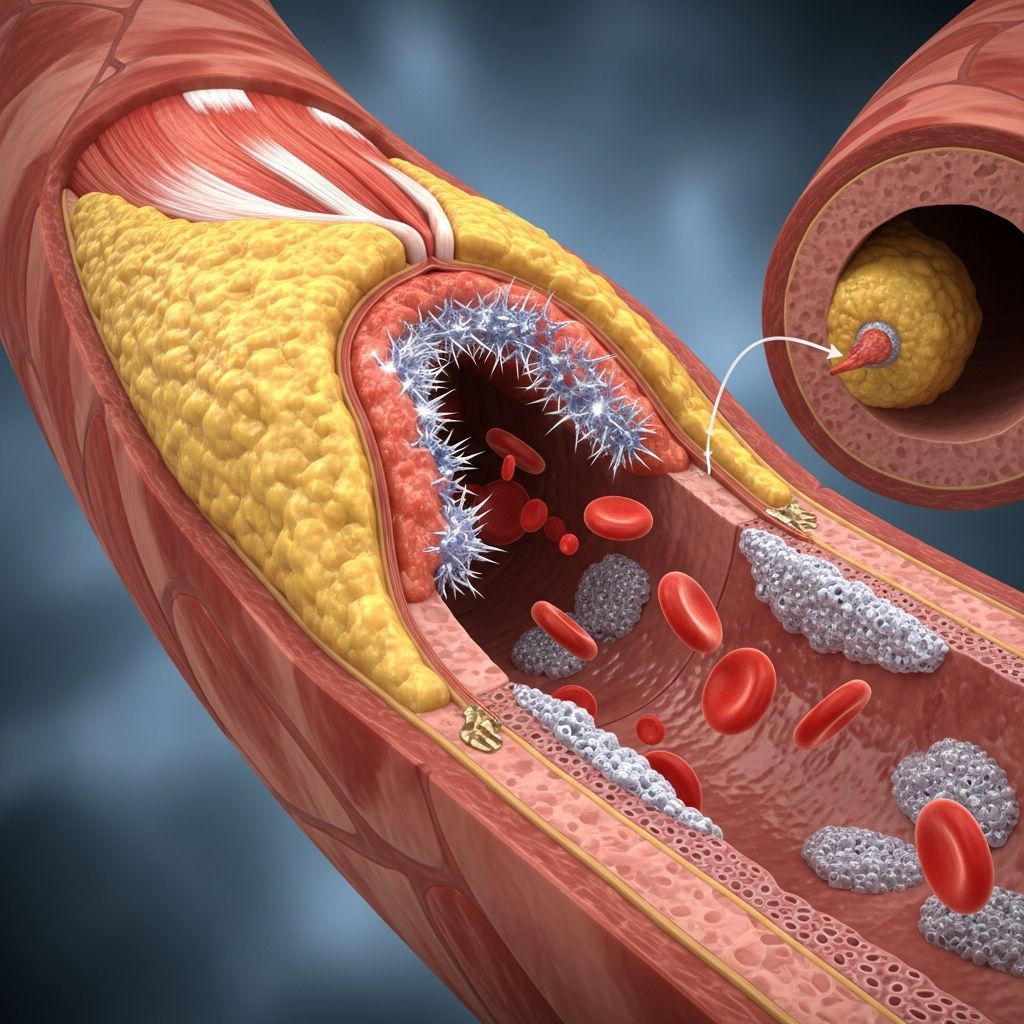
What Is Atheroma?
An atheroma, commonly known as plaque, is a fatty substance that accumulates along the inner lining of your arteries. This buildup can narrow the arteries and restrict blood flow, increasing the risk of serious cardiovascular events such as heart attacks and strokes. Atheroma is a key feature of atherosclerosis, a condition characterized by the hardening and narrowing of arteries due to plaque accumulation.
How Does Atheroma Form?
Atheroma formation begins when the inner lining of an artery, called the endothelium, becomes damaged. The exact causes of endothelial damage are still being studied, but it is clear that once the endothelium is injured, atheroma begins to form at the site and grows over time. The process involves the following steps:
- Endothelial Damage: Injury to the endothelium can result from high blood pressure, smoking, high cholesterol, or diabetes.
- Plaque Accumulation: Fatty substances, cholesterol, cellular waste products, calcium, and fibrin accumulate at the site of injury.
- Plaque Growth: Over time, the plaque grows larger, narrowing the artery and reducing blood flow.
- Complications: If the plaque ruptures, it can trigger the formation of a blood clot, which may block the artery completely, leading to a heart attack or stroke.
Risk Factors for Atheroma Formation
Several factors increase the risk of atheroma formation and growth. These include:
- High Blood Pressure: Elevated blood pressure can damage the arterial walls, making them more susceptible to plaque buildup.
- High Cholesterol: High levels of LDL (bad) cholesterol contribute to plaque formation.
- Smoking: Smoking damages the endothelium and accelerates plaque buildup.
- Diabetes: High blood sugar levels can damage blood vessels and promote plaque formation.
- Obesity: Excess body weight is associated with higher cholesterol levels and increased risk of atheroma.
- Sedentary Lifestyle: Lack of physical activity can contribute to the development of atheroma.
- Family History: A family history of heart disease increases the risk of atheroma.
- Age: The risk of atheroma increases with age.
Symptoms of Atheroma
Atheroma itself often does not cause symptoms until it significantly narrows or blocks an artery. When symptoms do occur, they depend on the location of the affected artery:
- Coronary Arteries: Chest pain (angina), shortness of breath, and heart attack.
- Carotid Arteries: Stroke or transient ischemic attack (TIA).
- Peripheral Arteries: Leg pain, numbness, or weakness.
- Renal Arteries: High blood pressure or kidney failure.
Diagnosis of Atheroma
Diagnosing atheroma typically involves a combination of medical history, physical examination, and diagnostic tests. Common diagnostic methods include:
- Blood Tests: To check cholesterol levels and other risk factors.
- Imaging Tests: Such as coronary angiography, CT angiography, or MRI to visualize plaque buildup.
- Ultrasound: To assess blood flow and detect plaque in the arteries.
- Electrocardiogram (ECG): To detect heart rhythm abnormalities.
Related Stories



Treatment of Atheroma
The goal of treatment is to reduce the risk of heart attack and stroke by slowing or reversing plaque buildup. Treatment options include:
- Lifestyle Changes: Adopting a heart-healthy diet, regular exercise, quitting smoking, and managing stress.
- Medications: Statins to lower cholesterol, antiplatelet drugs to prevent blood clots, and medications to control blood pressure and diabetes.
- Procedures: Angioplasty and stenting to open narrowed arteries, or bypass surgery to reroute blood flow around blocked arteries.
Prevention of Atheroma
Preventing atheroma involves managing risk factors and adopting a healthy lifestyle. Key prevention strategies include:
- Healthy Diet: Eating a diet rich in fruits, vegetables, whole grains, and lean proteins.
- Regular Exercise: Engaging in at least 150 minutes of moderate-intensity exercise per week.
- Smoking Cessation: Quitting smoking to reduce the risk of plaque buildup.
- Weight Management: Maintaining a healthy weight to lower cholesterol and blood pressure.
- Regular Check-ups: Monitoring cholesterol, blood pressure, and blood sugar levels regularly.
FAQs About Atheroma
What is the difference between atheroma and atherosclerosis?
Atheroma refers to the fatty plaque that builds up in the arteries, while atherosclerosis is the condition characterized by the hardening and narrowing of arteries due to plaque accumulation.
Can atheroma be reversed?
Yes, with intensive lifestyle changes and medication, atheroma can be slowed, stopped, or even reversed in some cases. Studies have shown that very intensive statin therapy can lead to regression of atheroma.
What are the complications of atheroma?
Complications include heart attack, stroke, peripheral artery disease, and kidney failure, depending on the location of the affected artery.
How is atheroma diagnosed?
Atheroma is diagnosed through a combination of medical history, physical examination, blood tests, and imaging tests such as coronary angiography, CT angiography, or MRI.
What lifestyle changes can help prevent atheroma?
Adopting a heart-healthy diet, regular exercise, quitting smoking, managing stress, and maintaining a healthy weight can help prevent atheroma.
References
References
- Coronary atherosclerosis can regress with very intensive statin therapy — Cleveland Clinic Journal of Medicine. 2006. https://www.ccjm.org/content/ccjom/73/10/937.full.pdf
- Association of Serum Lipoprotein (a) Levels and Coronary Atheroma — PMC. 2020. https://pmc.ncbi.nlm.nih.gov/articles/PMC7763761/
- Coronary atheroma volume and cardiovascular events during — European Heart Journal. 2013. https://academic.oup.com/eurheartj/article/34/41/3182/517129
Similar Articles








Read full bio of medha deb