Atherosclerosis: Understanding Hardening of the Arteries
Comprehensive guide to atherosclerosis: causes, symptoms, diagnosis, and treatment options.
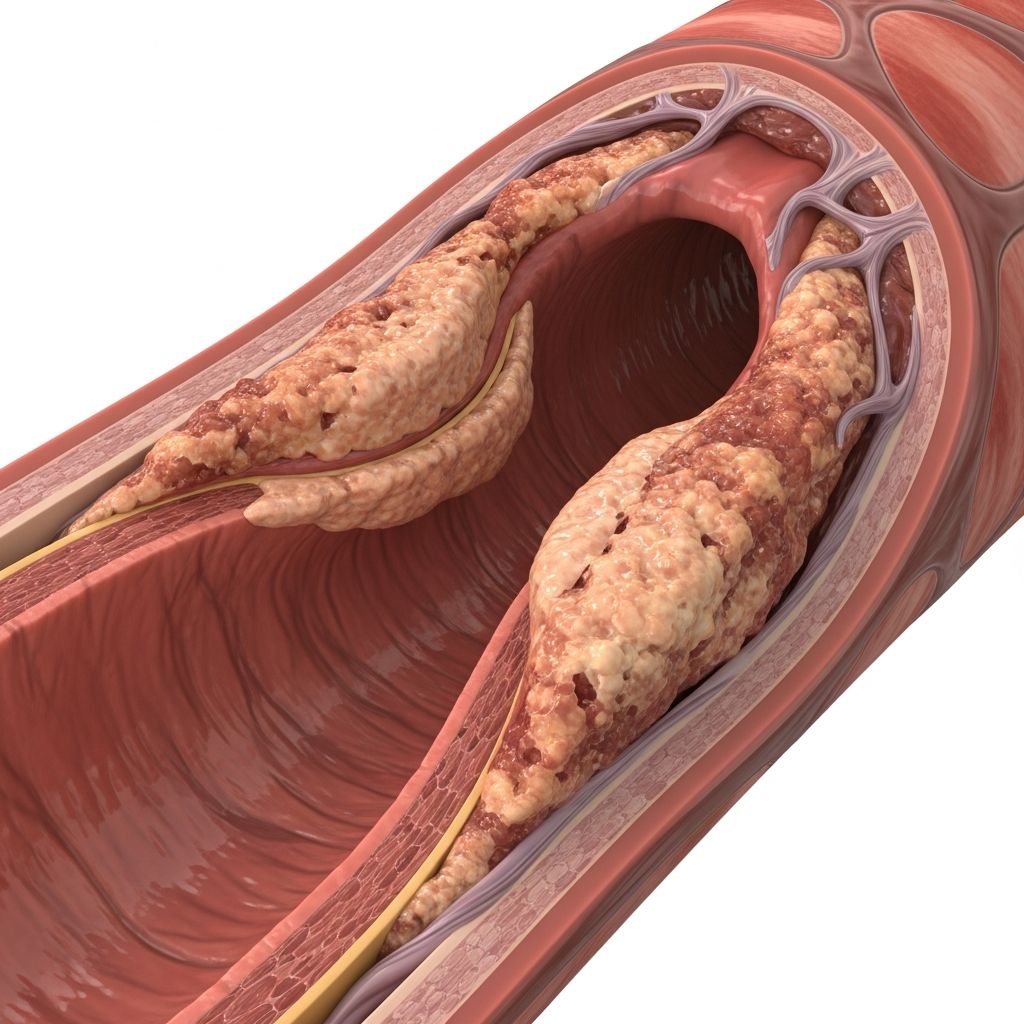
Atherosclerosis, commonly known as “hardening of the arteries,” is a progressive cardiovascular condition that affects millions of people worldwide. This disease occurs when fatty deposits, cholesterol, and other substances gradually accumulate within the walls of your arteries, forming deposits known as plaques. Over time, these plaques narrow the arterial passages, reducing blood flow and oxygen delivery to vital organs and tissues throughout your body.
Understanding atherosclerosis is crucial because it represents one of the most significant health challenges in modern medicine. The condition can develop silently over many years without causing noticeable symptoms, making prevention and early detection essential. When atherosclerosis progresses to advanced stages, it can lead to severe complications including heart attacks, strokes, and tissue damage in various parts of your body.
What Is Atherosclerosis?
Atherosclerosis is a chronic inflammatory disease characterized by the buildup of plaque in arterial walls. This plaque consists primarily of cholesterol, fatty acids, and other substances that oxidize and accumulate over time. As these plaques enlarge, they create rigid, narrowed passages through which blood must flow, significantly restricting circulation.
The disease is particularly dangerous because it can affect arteries throughout your entire body, including those supplying your heart, brain, kidneys, intestines, and legs. When blood vessels become severely narrowed or completely blocked, the tissues they supply become starved of oxygen and nutrients, potentially leading to permanent damage or tissue death.
Risk Factors for Atherosclerosis
Controllable Risk Factors
Many factors that increase your atherosclerosis risk can be modified through lifestyle changes and medical management:
- High blood cholesterol: Elevated cholesterol levels, particularly when caused by diets high in saturated and trans fats, significantly accelerate plaque formation in arteries
- Smoking: Tobacco use damages arterial walls and promotes plaque development, making smoking cessation the single most important protective factor
- High blood pressure: Hypertension damages artery linings and increases atherosclerosis risk
- Lack of physical activity: Sedentary lifestyles contribute to weight gain and poor cardiovascular health
- Obesity and being overweight: Excess body weight strains the cardiovascular system and increases cholesterol levels
- Diabetes or pre-diabetes: Elevated blood sugar levels promote arterial damage and plaque formation
- Poor diet: Consumption of foods high in saturated fats, trans fats, and processed ingredients accelerates atherosclerosis development
Non-Controllable Risk Factors
Certain factors beyond your control also influence your atherosclerosis risk:
- Family history: A genetic predisposition to hardening of the arteries significantly increases your risk
- Age: Atherosclerosis risk increases with advancing age
- Gender: Men typically develop atherosclerosis at younger ages than women
Symptoms of Atherosclerosis
One of the most concerning aspects of atherosclerosis is that it often develops without causing any noticeable symptoms. The disease can progress silently for years or even decades, with plaque gradually accumulating in arterial walls. Symptoms typically only appear once blood flow becomes significantly slowed or blocked.
Symptoms Related to Heart Arteries
When atherosclerosis affects arteries supplying the heart, you may experience:
Related Stories



- Chest pain or pressure (stable angina), particularly during physical exertion or emotional stress
- Shortness of breath, especially during activities
- Fatigue or unusual weakness
- Discomfort in the jaw, neck, or shoulder
Symptoms Related to Other Arterial Blockages
Narrowed or blocked arteries in other areas can produce specific symptoms:
- Brain: Dizziness, confusion, speech difficulties, or sudden weakness
- Legs: Pain during walking, leg cramps, or difficulty climbing stairs
- Intestines: Abdominal pain after eating
- Kidneys: High blood pressure or kidney dysfunction
Diagnosis and Testing
Early detection of atherosclerosis through regular screening can help prevent serious complications. Healthcare providers use several diagnostic methods to assess your cardiovascular health.
Physical Examination
During a physical examination, your healthcare provider will listen to your heart and lungs with a stethoscope. Atherosclerosis may produce characteristic sounds called “bruits”—whooshing or blowing sounds over affected arteries that indicate turbulent blood flow around narrowed areas.
Blood Pressure Screening
All adults aged 18 and older should have their blood pressure checked at least annually. Those with a history of elevated readings or risk factors for high blood pressure may require more frequent monitoring.
Cholesterol Testing
Cholesterol screening is recommended for all adults, with testing guidelines suggesting:
- Men should begin screening between ages 20 and 35
- Women should begin screening between ages 20 and 45
- Most adults with normal cholesterol levels require repeat testing every five years
- More frequent testing is necessary for those with high cholesterol history, diabetes, kidney problems, heart disease, or previous stroke
Advanced Imaging Tests
Several sophisticated imaging techniques can visualize blood flow through your arteries:
- Doppler ultrasound: Uses sound waves to assess blood flow through arteries
- Magnetic resonance arteriography (MRA): Provides detailed images of blood vessels using magnetic resonance technology
- CT angiography: Special computed tomography scans that show arterial blood flow patterns
- Angiography: Uses X-rays and contrast dye to visualize the exact path of blood flow inside arteries
Treatment and Management
Lifestyle Modifications
Lifestyle changes form the foundation of atherosclerosis prevention and management. Research from Johns Hopkins demonstrates that adopting four key healthy behaviors can reduce death rates by 80 percent.
Smoking Cessation
Quitting smoking is arguably the single most important change you can make to reduce heart disease and stroke risk. Studies show that smoking avoidance plays the largest role in reducing coronary heart disease risk and mortality. Even smokers who adopt two or more other healthy behaviors still experience higher mortality rates than nonsmokers, underscoring smoking’s profound impact on cardiovascular health.
Dietary Changes
Eating heart-healthy meals is essential for managing atherosclerosis:
- Reduce intake of saturated fats and trans fats
- Consume a Mediterranean-style diet rich in vegetables, fruits, nuts, and whole grains
- Include fish in your diet at least twice weekly, but avoid fried preparations
- Focus on well-balanced meals with appropriate portion sizes
- Limit processed foods and added sugars
Weight Management
Maintaining a healthy body mass index (BMI) below 25 is recommended. Losing weight if you are currently overweight or obese significantly reduces atherosclerosis risk and improves overall cardiovascular health.
Physical Activity
Regular moderate-intensity physical activity is crucial for cardiovascular health. Aim for at least 150 minutes of moderate exercise weekly, which improves heart function and helps maintain healthy cholesterol and blood pressure levels.
Blood Sugar Management
For individuals with diabetes or pre-diabetes, controlling blood sugar levels through diet, exercise, and medication when necessary helps prevent atherosclerosis progression.
Medication Therapy
Your healthcare provider may recommend medications to manage atherosclerosis risk factors:
- Antiplatelet drugs: Medicines like aspirin help prevent blood clots from forming in arteries (only take aspirin under medical supervision)
- Cholesterol-lowering medications: Statins and other drugs reduce LDL cholesterol levels
- Blood pressure medications: Various classes of drugs help control hypertension
- Diabetes medications: Manage blood sugar levels when needed
Prognosis and Outlook
Atherosclerosis cannot be reversed once it has developed. However, this does not mean the condition is hopeless. With appropriate lifestyle modifications and medical treatment, you can prevent plaque from worsening and significantly reduce your risk of heart attacks and strokes.
The key is early detection and aggressive management of risk factors. Many people successfully manage atherosclerosis for decades without experiencing major cardiovascular events when they commit to healthy lifestyle habits and follow their healthcare provider’s recommendations.
Complications of Atherosclerosis
Without proper management, atherosclerosis can lead to serious complications:
- Heart attack: Occurs when coronary arteries become blocked, starving heart muscle of oxygen
- Stroke: Results from blockage of cerebral arteries depriving brain tissue of blood
- Aneurysm: Atherosclerotic plaque can weaken arterial walls, causing dangerous bulges that may rupture and cause life-threatening bleeding
- Tissue damage: Organ failure in kidneys, intestines, or limbs due to oxygen deprivation
Frequently Asked Questions
Q: At what age should I start being screened for atherosclerosis?
A: Cholesterol screening should begin between ages 20-35 for men and 20-45 for women. Blood pressure screening should start at age 18. Those with risk factors may need earlier or more frequent testing.
Q: Can atherosclerosis be cured?
A: Atherosclerosis cannot be reversed once it develops. However, lifestyle changes and medication can prevent it from worsening and reduce your risk of serious complications like heart attack and stroke.
Q: How important is smoking cessation for atherosclerosis prevention?
A: Smoking cessation is the single most important lifestyle change you can make. Research shows it plays the largest role in reducing coronary heart disease risk compared to diet, exercise, and weight management.
Q: What diet is best for managing atherosclerosis?
A: A Mediterranean-style diet rich in vegetables, fruits, nuts, whole grains, and fish is recommended. Avoid foods high in saturated fats, trans fats, and processed ingredients.
Q: How much exercise do I need to reduce atherosclerosis risk?
A: Aim for at least 150 minutes of moderate-intensity physical activity per week. This includes activities like brisk walking, swimming, or cycling.
Q: What is coronary calcium screening?
A: Coronary calcium screening uses CT scans to detect early calcium deposits in heart arteries, which indicate early atherosclerosis development and help assess your cardiovascular risk.
References
- Atherosclerosis — MedlinePlus Medical Encyclopedia, U.S. National Library of Medicine. 2024. https://medlineplus.gov/ency/article/000171.htm
- Four lifestyle changes protect heart, save lives — Johns Hopkins University Hub, Research from the Multi-Ethnic Study of Atherosclerosis. 2013-06-03. https://hub.jhu.edu/gazette/2013/july/news-multicenter-study-finds-link-between-lifestyle-heart-health/
Similar Articles








Read full bio of Sneha Tete