Atomoxetine for ADHD: Uses, Dosage, and Side Effects
Complete guide to atomoxetine treatment for ADHD: how it works, dosing, side effects.
Atomoxetine for ADHD
Atomoxetine is a prescription medication used to treat attention deficit hyperactivity disorder (ADHD) in children, adolescents, and adults. Also known by the brand names Strattera and Atomaid, this non-stimulant medicine works differently from traditional ADHD medications by increasing the amount of noradrenaline (norepinephrine) in the brain. Understanding how atomoxetine works, its potential benefits, and important safety considerations can help you make informed decisions about ADHD treatment.
About Atomoxetine
Atomoxetine is classified as a selective norepinephrine reuptake inhibitor (SNRI) and represents an important alternative to stimulant medications for managing ADHD symptoms. It is designed for use in children aged six years and older, as well as teenagers and adults.
| Information | Details |
|---|---|
| Type of Medicine | Non-stimulant medicine |
| Used For | Attention deficit hyperactivity disorder (ADHD) in children aged over 6 years, young people and adults |
| Brand Names | Strattera; Atomaid |
| Generic Name | Atomoxetine |
| Available Forms | Capsules and oral liquid medicine |
| Prescription Required | Yes |
| Controlled Substance | No |
Understanding ADHD and Treatment Options
Attention deficit hyperactivity disorder is a relatively common condition affecting behavior and concentration in children and adults. People with ADHD typically experience persistent restlessness, impulsiveness, and difficulty maintaining attention. While behavioral interventions, counseling, and educational support form the foundation of ADHD management, medication like atomoxetine may be prescribed when these approaches alone are insufficient.
Atomoxetine offers a non-stimulant option for individuals who cannot tolerate stimulant medications or prefer an alternative approach. Unlike stimulants such as amphetamine or methylphenidate, atomoxetine does not carry the same risk of dependence or abuse, making it a suitable choice for many patients.
How Atomoxetine Works
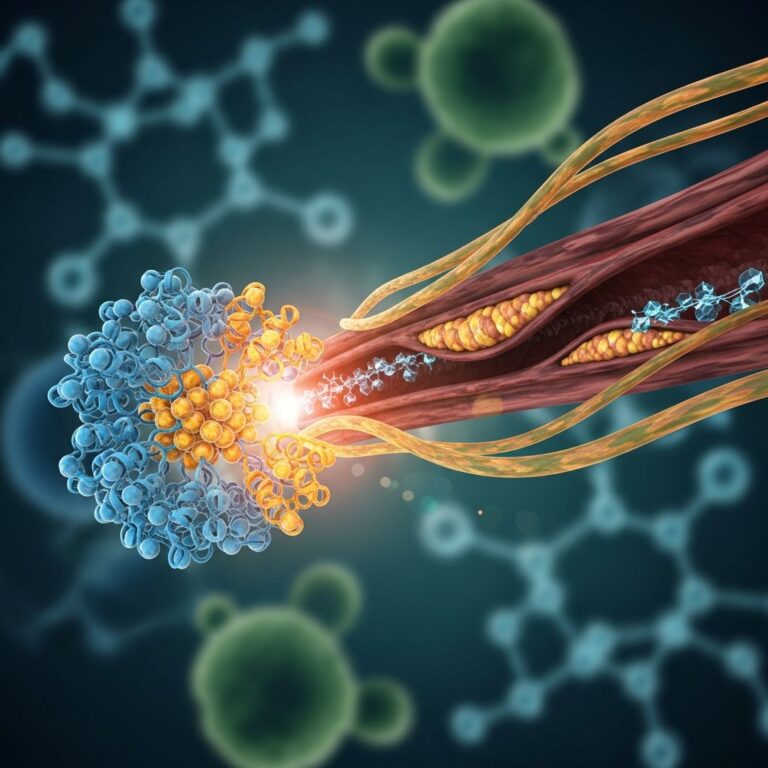
Atomoxetine works by increasing the amount of noradrenaline (also called norepinephrine) available in the brain. This natural chemical plays a crucial role in regulating attention, impulse control, and executive function. By preventing the reabsorption of noradrenaline in the brain, atomoxetine allows this neurotransmitter to remain active longer, thereby improving focus and reducing hyperactivity in people with ADHD.
The exact mechanism of how atomoxetine improves ADHD symptoms continues to be studied, but research suggests that enhanced noradrenaline availability helps strengthen the neural pathways responsible for attention and behavioral control.
Dosage and Administration
Atomoxetine is initially prescribed by a specialist doctor who will determine the appropriate starting dose based on the patient’s age, weight, and individual response to treatment. The medication is available as capsules that are swallowed whole or as an oral liquid formulation for those who have difficulty swallowing capsules.
Patients typically take atomoxetine once or twice daily, depending on their prescribed dosage. It is essential to follow your doctor’s instructions regarding dosage and frequency, as adjustments may be necessary to achieve optimal therapeutic benefit while minimizing side effects.
Timeline for Effectiveness
One important consideration when starting atomoxetine is that it does not produce immediate effects like some stimulant medications do. According to manufacturers’ information, it can take four to eight weeks for atomoxetine to reach its maximum therapeutic effect. Some patients may notice small improvements in ADHD symptoms as early as one week, but most will experience the full benefit after a month or longer of consistent use. The medication provides 24-hour coverage, allowing for once or twice-daily dosing schedules.
Related Stories



Common Side Effects
Like all medications, atomoxetine may cause side effects. Many of these side effects are mild and tend to improve as your body adjusts to the medication over time. Common side effects include:
- Lack of appetite or decreased appetite
- Feeling sleepy or drowsy
- Nausea or vomiting
- Stomach upset or abdominal discomfort
- Dizziness
- Constipation
- Dry mouth
- Mood changes or irritability
- Sexual side effects (in some cases)
If any of these side effects persist or become bothersome, it is important to inform your doctor or pharmacist. They may recommend adjusting your dose, taking the medication at a different time of day, or switching to an alternative treatment.
Serious Side Effects Requiring Immediate Medical Attention
While serious side effects are uncommon, you should seek medical help immediately if you experience any of the following symptoms while taking atomoxetine:
- Abdominal pain accompanied by sickness or vomiting
- Dark-colored urine
- Yellowing of the skin or the whites of the eyes (jaundice)
- Feeling generally unwell or severe fatigue
- Suicidal or self-harming thoughts
- Feeling depressed, severely irritated, or agitated
- Chest pain or difficulty breathing
- Severe allergic reactions
These symptoms may indicate liver problems, psychiatric changes, or other serious conditions that require prompt medical evaluation. Do not delay seeking help if you experience any of these warning signs.
Important Precautions Before Starting Treatment
Before beginning atomoxetine, inform your doctor about any existing health conditions, medications you are currently taking, or allergies you may have. This is particularly important if you have:
- Heart disease or high blood pressure
- Liver or kidney disease
- Mental health conditions such as depression or anxiety
- A personal or family history of suicidal thoughts
- Glaucoma
- Urinary retention problems
Always check with your pharmacist about which other medicines are safe to take alongside atomoxetine, as certain drug interactions can occur.
Monitoring and Regular Check-ups
During treatment with atomoxetine, you will be invited for regular check-ups to monitor your progress and ensure the medication continues to be appropriate for you. It is crucial that you keep these appointments, as your doctor will assess whether the treatment is working effectively and whether any dose adjustments are needed.
From time to time, your doctor may assess the need for continued treatment and may recommend stopping atomoxetine for a short period to evaluate whether ongoing medication is still necessary.
Complementary Approaches to Treatment
While atomoxetine is effective for many people, it works best as part of a comprehensive ADHD management program. This total treatment approach typically includes:
- Behavioral therapy or counseling
- Educational support and accommodations
- Psychologic treatment addressing emotional and behavioral aspects
- Lifestyle modifications and routine establishment
There is a small amount of evidence suggesting that dietary changes may help some people with ADHD. If you believe diet may be a contributing factor for you or your child, discuss this with your doctor to determine whether consultation with a dietician might be beneficial.
Atomoxetine versus Stimulant Medications
Atomoxetine differs significantly from stimulant medications like Adderall in several important ways. Stimulant medications work by boosting dopamine and norepinephrine in the brain and are considered first-line treatment for ADHD due to their rapid onset and generally superior effectiveness. However, atomoxetine serves as an important alternative, particularly for patients who cannot tolerate stimulants or have concerns about dependency.
Stimulant medications typically produce noticeable effects within 30 minutes to one hour and last 4 to 12 hours depending on the formulation. In contrast, atomoxetine has a slower onset and longer duration of action (24 hours), making it suitable for all-day symptom management without the peaks and valleys associated with shorter-acting stimulants.
Special Considerations for Different Age Groups
Atomoxetine is not suitable for children under six years of age. For children aged six to twelve, adolescents, and adults, dosing and monitoring requirements may vary. Your healthcare provider will determine the most appropriate dose based on the patient’s age, weight, and individual response to treatment.
ADHD is typically diagnosed in childhood but often continues into adulthood. This leaflet serves as a source of information for parents and carers of children prescribed atomoxetine, as well as for young people and adults taking the medication themselves.
Frequently Asked Questions
Q: Is atomoxetine a controlled substance?
A: No, atomoxetine is not a controlled substance. Unlike stimulant ADHD medications, it does not have a high risk of misuse, addiction, or physical dependence, making it a safer option for certain populations.
Q: How long does it take for atomoxetine to work?
A: While some patients may notice small improvements within one week, atomoxetine typically requires four to eight weeks to reach its maximum therapeutic effect. Full benefits may take a month or longer to become apparent.
Q: Can atomoxetine be used for anxiety?
A: A review of studies found that atomoxetine may help improve anxiety in some children who have both ADHD and anxiety. However, this medication is not FDA approved for anxiety treatment, and more research is needed. Consult your healthcare provider about using atomoxetine for off-label anxiety management.
Q: What should I do if atomoxetine causes side effects?
A: Most common side effects improve over time as your body adjusts. If side effects persist or become bothersome, contact your prescriber. They may recommend adjusting your dose, changing when you take the medication, or exploring alternative treatments.
Q: Can atomoxetine be combined with other ADHD medications?
A: Atomoxetine can be additive to other second-line ADHD medications such as the alpha agonist medications guanfacine and clonidine. Always discuss potential medication combinations with your doctor before making changes.
Q: Is atomoxetine suitable if I cannot take stimulant medications?
A: Yes, atomoxetine is specifically designed as an alternative for people who cannot or do not want to take stimulants. It offers a non-stimulant approach to managing ADHD symptoms while avoiding concerns related to dependency and abuse.
References
- Atomoxetine for ADHD (Strattera, Atomaid) — Patient.info. Last updated 23 October 2022. https://patient.info/medicine/atomoxetine-for-adhd-strattera-atomaid
- Atomoxetine (oral route) – Description — Mayo Clinic. https://www.mayoclinic.org/drugs-supplements/atomoxetine-oral-route/description/drg-20066904
- Strattera: Atomoxetine Side Effects, Uses, Dosages, and Warnings — ADDitude Magazine. https://www.additudemag.com/medication/strattera/
- Atomoxetine – StatPearls — National Center for Biotechnology Information (NCBI), National Institutes of Health. https://www.ncbi.nlm.nih.gov/books/NBK493234/
- Atomoxetine: MedlinePlus Drug Information — MedlinePlus, National Library of Medicine. https://medlineplus.gov/druginfo/meds/a603013.html
- Atomoxetine (Strattera) — National Alliance on Mental Illness (NAMI). https://www.nami.org/About-Mental-Illness/Treatments/Mental-Health-Medications/Types-of-Medication/Atomoxetine-(Strattera)
Similar Articles








Read full bio of Sneha Tete