Atopic Dermatitis: Symptoms Beyond Skin to Report
Recognize critical atopic dermatitis symptoms beyond visible skin changes that require immediate healthcare provider attention.
Understanding Atopic Dermatitis Beyond Surface Symptoms
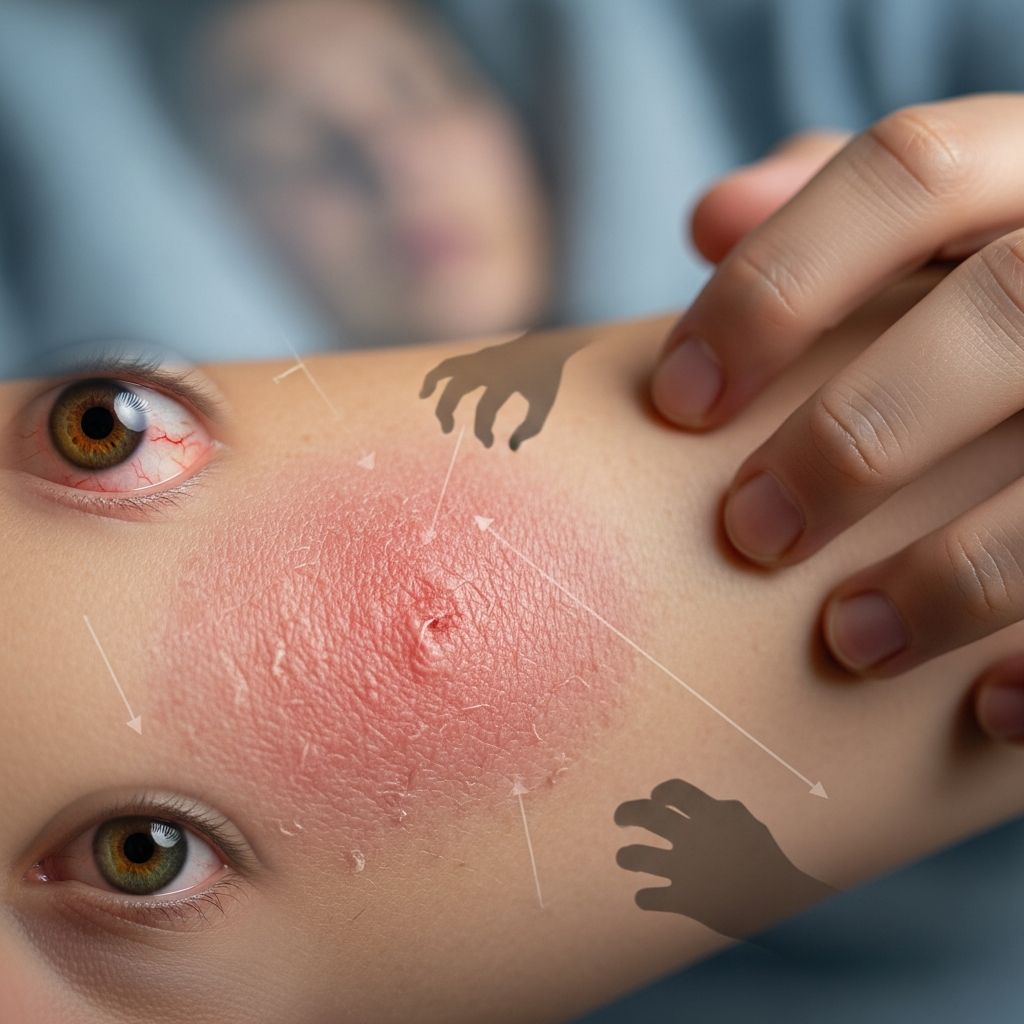
Atopic dermatitis, commonly known as eczema, is frequently perceived as a cosmetic skin concern characterized by visible redness, dryness, and discoloration. However, this chronic inflammatory skin disease extends far beyond what appears on the surface of the skin. The condition affects millions of people worldwide and carries a substantial burden that impacts multiple aspects of daily life, from physical health to psychological well-being. Understanding the full spectrum of symptoms associated with atopic dermatitis is crucial for patients and healthcare providers alike, as many significant symptoms occur internally or mentally rather than visibly on the skin.
While visible skin manifestations like scaly patches, blisters, and color changes are hallmark features of atopic dermatitis, research demonstrates that the most debilitating aspects of the condition often remain invisible to observers. These hidden symptoms can profoundly affect quality of life, workplace productivity, relationships, and overall health outcomes. Healthcare providers must ask targeted questions about symptoms beyond skin appearance, and patients should feel empowered to report their full experience with the condition.
The Overwhelming Impact of Intense Itching and Pruritus
One of the most significant symptoms of atopic dermatitis that extends beyond visible skin changes is pruritus—the medical term for intense itching. While itching might seem like a minor annoyance, research demonstrates that pruritus in atopic dermatitis represents one of the most debilitating aspects of the condition. Studies show that patients experiencing severe itch report quality of life impairment comparable to or worse than those living with chronic conditions such as heart failure or stroke. This comparison underscores the severity of this symptom and why it must be communicated to healthcare providers.
The intense itching in atopic dermatitis differs from ordinary itching associated with dry skin or minor irritation. It can be so severe that it leads to skin pain and bleeding from continuous scratching, yet the urge to scratch remains irresistible. Patients often describe the itching as debilitating, interfering with their ability to concentrate, work, and engage in normal daily activities. The compulsive nature of scratching creates a vicious cycle: itching leads to scratching, which damages the skin barrier further, creating more irritation and intensifying the itching sensation.
When reporting symptoms to your healthcare provider, be specific about the intensity, timing, and triggers of your itching. Describe whether itching is constant or intermittent, whether it worsens at particular times of day, and which body areas are most affected. This detailed information helps providers understand the true burden of disease and select appropriate treatment strategies.
Sleep Disturbances and Night-Time Symptoms
One of the most frequently overlooked symptoms of atopic dermatitis is sleep disruption caused by nighttime itching and discomfort. Many patients with atopic dermatitis experience significant sleep disturbances, as the intense itching often worsens during evening and nighttime hours. The condition can keep patients awake, sometimes in considerable agony, preventing them from achieving restorative sleep. Sleep disruption represents a critical symptom that extends beyond visible skin changes and warrants immediate discussion with healthcare providers.
The impact of sleep disturbance in atopic dermatitis extends far beyond simple tiredness. Poor sleep quality triggers a cascade of negative health consequences, including impaired cognitive function, reduced workplace productivity, and increased irritability. Patients who do not sleep well due to atopic dermatitis symptoms experience diminished ability to perform work tasks, manage stress, and maintain emotional stability. Over 85% of patients with moderate-to-severe atopic dermatitis report sleep disturbance as a symptom.
Related Stories



When discussing sleep with your healthcare provider, mention:
- How many nights per week your sleep is disrupted
- Whether you wake frequently or have difficulty falling asleep
- Whether nighttime itching prevents you from returning to sleep
- How many hours of sleep you typically obtain
- The impact on your energy levels and daytime functioning
Mental Health Complications and Psychological Burden
Perhaps one of the most significant symptoms beyond visible skin changes is the profound impact of atopic dermatitis on mental health. Research indicates that patients with atopic dermatitis experience substantially higher rates of depression, anxiety, and other mental health conditions compared to the general population. In one comprehensive study, nearly 100% of patients with severe atopic dermatitis demonstrated abnormal depression and anxiety scores, and the severity of these mental health symptoms correlated directly with the severity of skin disease.
The relationship between atopic dermatitis and mental health is bidirectional and complex. The chronic itching, pain, and sleep disruption create substantial psychological stress. Simultaneously, stress and anxiety can trigger or worsen atopic dermatitis symptoms, creating a difficult cycle that perpetuates both skin disease and mental health challenges. Patients often experience mood swings, behavioral changes, and emotional dysregulation as their skin condition fluctuates.
Depression and anxiety in atopic dermatitis patients warrant serious clinical attention because they are associated with increased healthcare utilization, reduced treatment adherence, and in severe cases, suicidal ideation. Healthcare providers note that sleep disturbances from itching can contribute to depression and anxiety, which then further impair sleep quality and skin health. This interconnected web of symptoms demands comprehensive treatment addressing both dermatological and mental health aspects.
Important mental health symptoms to report to your healthcare provider include:
- Persistent feelings of sadness or hopelessness
- Increased anxiety or worry
- Difficulty concentrating or making decisions
- Social withdrawal or isolation
- Thoughts of self-harm or suicide
- Mood changes that correlate with skin flare-ups
- Feelings of frustration or anger about your condition
Skin Pain: A Newly Recognized but Common Symptom
Pain represents a relatively newly recognized symptom of atopic dermatitis that many patients experience but few healthcare providers routinely assess. Beyond the itching sensation, patients with atopic dermatitis often report actual pain in affected skin areas. This pain can be sharp, burning, or stinging and may be as debilitating as the itching itself. Research shows that more than half of patients with atopic dermatitis report skin pain as a component of their condition, yet this symptom has not historically been on the radar of most clinicians.
The pain in atopic dermatitis can result from multiple mechanisms. Acute flare-ups create inflamed, raw skin that is extremely tender to touch. Post-scratch abrasions from intense scratching can become painful, especially if secondary infection occurs. The skin barrier dysfunction characteristic of atopic dermatitis means that even minor irritants or gentle touch can trigger pain sensations. Some patients describe a burning pain in affected areas, while others experience sharp, stabbing sensations.
Pain significantly impacts quality of life and daily functioning. Patients may avoid wearing certain clothing that touches affected areas, limit physical activity, or experience pain with bathing or showering. Communicating about pain to healthcare providers is essential for comprehensive symptom management.
Associated Allergic and Respiratory Conditions
Atopic dermatitis frequently occurs alongside other allergic and immune-mediated conditions that represent important symptoms extending beyond the skin itself. These associated conditions include allergic rhinitis (hay fever), asthma, and food allergies. The co-occurrence of these conditions reflects a broader pattern of immune dysregulation affecting multiple body systems.
Allergic rhinitis commonly accompanies atopic dermatitis and presents with symptoms such as nasal itching, sneezing, watery nasal discharge, nasal obstruction, and conjunctivitis including eye itching and tearing. These symptoms may seem unrelated to skin disease but represent part of the broader atopic syndrome. Asthma is another significant associated condition, with patients with both atopic dermatitis and bronchial asthma showing characteristic respiratory symptoms including difficulty breathing, chest pain, dry cough, wheezing, and sleep disruption from respiratory symptoms. Asthma symptoms frequently worsen at night and in early morning hours and may be triggered by environmental factors like cold, humidity, dust, and pollen.
Food allergies frequently accompany atopic dermatitis, occurring in a significant percentage of children diagnosed with eczema. These allergies can present with oral, gastrointestinal, respiratory, and even cardiovascular symptoms beyond simple skin reactions. The interconnected nature of these conditions suggests that atopic dermatitis is part of a systemic pattern rather than an isolated skin problem.
Impact on Workplace Productivity and Daily Functioning
Symptoms of atopic dermatitis that extend beyond visible skin changes have substantial consequences for workplace productivity and daily functioning. When patients do not sleep well due to nighttime itching, their cognitive function, decision-making ability, and workplace performance suffer significantly. The combination of sleep deprivation, chronic pain, intense itching, and mental health symptoms creates a perfect storm for reduced productivity and difficulty maintaining employment.
Many patients with atopic dermatitis find themselves unable to concentrate on work tasks, make important decisions, or engage in complex problem-solving after nights disrupted by itching. Some may need to take frequent breaks to manage itching or mental health symptoms. Over time, these impacts can affect job security, career advancement, and financial stability. Healthcare providers should understand these functional impacts when evaluating treatment options.
Psychological Impact on Children and Families
Atopic dermatitis, which begins before age five in 90% of cases and affects approximately one in five children, carries significant psychological burden for young patients and their families. Children with atopic dermatitis experience mood swings, sleep disorders, and behavioral changes resulting from the physical burden of the condition. Parents face stress from managing their child’s symptoms, frequent nighttime awakenings, and behavioral difficulties related to the disease.
The visible nature of skin manifestations can lead to social difficulties, bullying, and psychological distress for affected children. Beyond these visible concerns, the hidden symptoms of sleep disruption, pain, and itching substantially impact school performance, social relationships, and family well-being. Children may struggle to concentrate in school due to sleep deprivation or may feel isolated due to appearance concerns or the physical discomfort of their condition.
The Importance of Comprehensive Symptom Reporting
Atopic dermatitis represents far more than a skin condition, affecting sleep, mental health, school and work performance, and overall family well-being. Healthcare providers increasingly recognize that asking specific, pointed questions about symptoms beyond visible skin changes helps uncover the true burden of disease for individual patients. Patients should feel empowered to report all symptoms they experience, not just visible skin manifestations.
During healthcare appointments, mention symptoms that might seem unrelated to skin disease but that you suspect are connected to your atopic dermatitis. Describe how your condition affects your sleep, mood, ability to work, social relationships, and quality of life. Provide detailed information about the timing, severity, and triggers of itching and pain. Discuss any accompanying allergic or respiratory symptoms. This comprehensive reporting enables healthcare providers to develop treatment plans addressing the full scope of the condition rather than focusing only on visible skin changes.
Key Takeaways: What to Tell Your Healthcare Provider
The most important symptoms to communicate about atopic dermatitis extend well beyond visible skin color changes and include:
- Sleep disturbance: Frequency, patterns, and impact on daytime functioning
- Mental health symptoms: Depression, anxiety, mood changes, or emotional dysregulation
- Intense itching: Severity, timing, triggers, and impact on daily life
- Skin pain: Location, character (burning, sharp, stinging), and interference with activities
- Associated allergic symptoms: Hay fever, asthma, food allergies, or nasal symptoms
- Functional impairment: Effects on work productivity, school performance, or relationships
- Psychological burden: Impact on mood, behavior, or mental health
Atopic dermatitis is fundamentally a condition of neuroimmune dysregulation that signals deeper physiological and psychological dysfunction, not merely surface-level skin irritation. Modern understanding of atopic dermatitis emphasizes that effective treatment requires addressing the full spectrum of symptoms, including those invisible to casual observation. By communicating comprehensively about all symptoms you experience, you enable your healthcare provider to develop truly effective, individualized treatment strategies that improve your overall health and quality of life.
Frequently Asked Questions
Q: Is the itching in atopic dermatitis just normal itchiness?
A: No. The itching in atopic dermatitis (pruritus) is significantly more severe and debilitating than normal itching. Research shows it can be as burdensome as or worse than chronic pain conditions, making it one of the most disabling aspects of the condition.
Q: Can atopic dermatitis really cause depression and anxiety?
A: Yes. Studies demonstrate that patients with atopic dermatitis experience substantially higher rates of depression and anxiety. In severe cases, nearly 100% of patients show abnormal depression and anxiety scores, with severity correlating to disease severity.
Q: Should I mention nighttime itching to my doctor?
A: Absolutely. Sleep disruption from itching is a critical symptom affecting 85% of moderate-to-severe atopic dermatitis patients. It significantly impacts overall health, mood, and workplace productivity, making it essential to discuss with your healthcare provider.
Q: Is skin pain a real symptom of atopic dermatitis?
A: Yes. More than half of atopic dermatitis patients report skin pain as part of their condition, though this symptom has historically been underrecognized by healthcare providers.
Q: How is atopic dermatitis connected to asthma and hay fever?
A: Atopic dermatitis frequently co-occurs with other allergic conditions like asthma and allergic rhinitis because they reflect a broader pattern of immune dysregulation affecting multiple body systems.
References
- 5 Things We Now Know About Eczema (A.K.A., Atopic Dermatitis) — Johnson & Johnson Health and Wellness. Accessed 2026-01-13. https://www.jnj.com/health-and-wellness/5-things-we-now-know-about-eczema-a-k-a-atopic-dermatitis
- Beyond the Skin: Addressing the Hidden Burden of Atopic Dermatitis — DermSquared. Accessed 2026-01-13. https://dermsquared.com/videos/topical-conversations/hidden-burden-of-atopic-dermatitis
- Serious Eczema Symptoms Beyond the Skin with Jonathan Silverberg, MD, PhD, MPH — Northwestern University Feinberg School of Medicine. 2019-03-08. https://www.feinberg.northwestern.edu/research/podcast/serious-eczema-symptoms-beyond-the-skin.html
- Atopic Dermatitis—Beyond the Skin — PubMed Central / National Institutes of Health. Accessed 2026-01-13. https://pmc.ncbi.nlm.nih.gov/articles/PMC8464732/
- Eczema’s Impact Beyond the Skin — DermIndy. Accessed 2026-01-13. https://dermindy.com/eczemas-effect-beyond-the-skin/
- More Than Skin Deep: The Daily Reality of Atopic Dermatitis — Galderma. Accessed 2026-01-13. https://www.galderma.com/news/more-skin-deep-daily-reality-atopic-dermatitis
Similar Articles








Read full bio of Sneha Tete