Atopic Dermatitis Symptoms More Likely on Dark Skin
Discover how atopic dermatitis manifests differently on darker skin tones, from unique rashes to pigmentation changes, and learn effective management strategies.
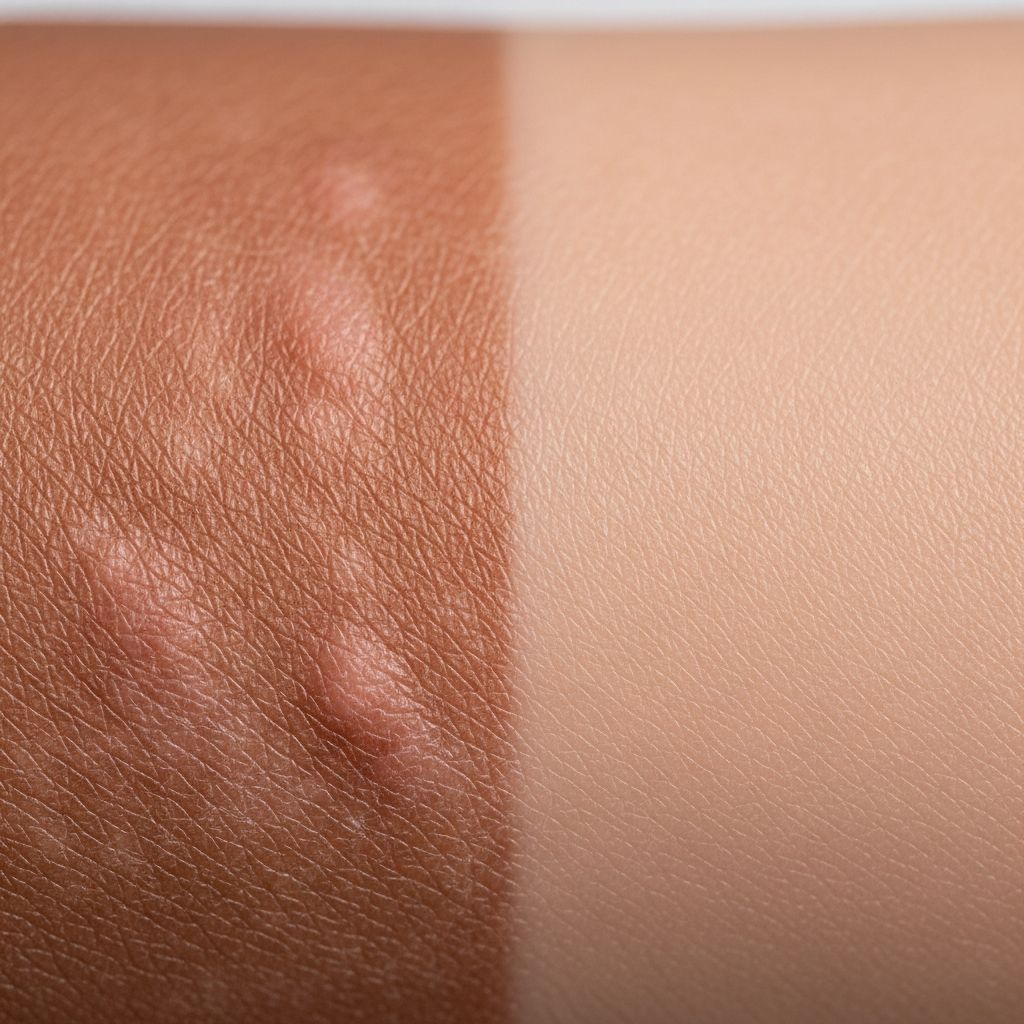
Atopic dermatitis, commonly known as eczema, affects millions worldwide, but its presentation varies significantly across skin tones. On darker skin, traditional signs like redness are often absent, leading to underdiagnosis and delayed treatment. Instead, symptoms manifest as darker brown, purple, or ashen gray patches, accompanied by unique features like papular eruptions and pronounced pigment changes.
This article examines how eczema appears on Black, Brown, and other darker skin tones, highlighting symptoms more prevalent in skin of color. Understanding these differences empowers patients and clinicians for timely intervention, reducing severity and complications like infections or chronic discoloration.
What Is Atopic Dermatitis?
Atopic dermatitis is a chronic inflammatory skin condition characterized by intense itching, dry skin, and recurrent rashes. It arises from a combination of genetic, immune, and environmental factors, impairing the skin’s barrier function.
In lighter skin tones, flares typically show as red, inflamed patches. However, on darker skin, the lack of visible erythema complicates recognition. Affected areas may appear violaceous (purple-hued), hyperpigmented, or gray, with swelling, warmth, scaling, oozing, or intense pruritus confirming the diagnosis.
Darker skin tones experience higher disease severity, greater itch impact, and more frequent complications. Black patients are prone to persistent flares and unique variants like papular eczema.
How Atopic Dermatitis Looks Different on Dark Skin
On dark skin, eczema evades classic descriptions focused on redness. Instead:
- Ashen gray, purple, or dark brown patches: Inflammation alters hue without pinkness, often on flexures like elbows and knees.
- Swelling and warmth: Subtle edema and heat signal active disease.
- Dryness and scaling: White or gray scale contrasts sharply against melanin-rich skin.
- Oozing and crusting: Clear fluid or yellow crusts indicate weeping lesions.
These manifestations demand clinicians rely on texture, temperature, and history over color alone.
Papular Eczema and Follicular Accentuation
Papular eczema, more common in darker skin, features small, itchy bumps (papules) on the torso, arms, and legs. These resemble goosebumps, especially around hair follicles—a pattern called follicular accentuation.
- Papules are firm, red-brown or hyperpigmented, and intensely pruritic.
- Follicular involvement gives a ‘pepper pot’ appearance.
- Prevalent in Black Americans, this variant responds to topical steroids but recurs if triggers persist.
Prurigo nodularis, a severe complication, forms thickened nodules from chronic scratching, disproportionately affecting skin of color.
Lichenification on Dark Skin
Lichenification—skin thickening from repeated rubbing/scratching—appears exaggerated on dark tones. Velvety, hyperpigmented plaques develop on extensors, neck, and ankles.
Key features:
- Exaggerated skin markings.
- Dark brown or blackish hue.
- Reduced elasticity, increased itch-scratch cycle.
Early intervention breaks this cycle; untreated, it leads to permanent textural changes.
Post-Inflammatory Pigment Changes
Pigment alterations are eczema’s hallmark on dark skin, often outlasting the rash itself.
Related Stories



Hyperpigmentation
Post-inflammatory hyperpigmentation (PIH) darkens healed areas via melanocyte stimulation from inflammation or trauma. Patches linger months to years, causing distress.
- Triggered by scratching, rubbing, or flares.
- Common on flexures, face, and extremities.
- More visible and persistent in Fitzpatrick types IV-VI.
Hypopigmentation
Conversely, hypopigmentation lightens skin post-flare. Pityriasis alba—round, hypopigmented patches on cheeks/arms—predominates in children with darker skin, worsening post-sun exposure.
Both changes resolve slowly; sun protection and anti-inflammatories aid fading.
Periocular Changes: Dark Circles and Dennie-Morgan Folds
Allergic shiners (dark under-eye circles) and Dennie-Morgan folds (extra eyelid creases) signal atopic disease, amplified on dark skin.
- Dark circles: Vascular congestion causes bluish-brown discoloration.
- Dennie-Morgan folds: Infraorbital wrinkling from chronic rubbing.
These cosmetic concerns drive treatment adherence.
Why Atopic Dermatitis Is Often Underdiagnosed in Skin of Color
Disparities stem from:
| Factor | Impact |
|---|---|
| Non-red presentations | Mimics other conditions like psoriasis or infections. |
| Research bias | Studies underrepresent skin of color. |
| Severity differences | Black patients face worse outcomes due to delayed care. |
| Access barriers | Structural inequities limit dermatology visits. |
Clinician training on skin of color improves accuracy.
Treatment Considerations for Dark Skin
Management mirrors general eczema but prioritizes pigment preservation:
- Moisturize aggressively: Ceramide-based emollients combat barrier defects; melanin-rich skin retains less water.
- Topicals: Low-potency steroids, calcineurin inhibitors minimize dyspigmentation.
- Antihistamines: Reduce itch to prevent trauma.
- Phototherapy: Narrowband UVB for severe cases, cautiously.
- Pigment agents: Hydroquinone or azelaic acid for PIH post-control.
Avoid irritants like fragrances, harsh soaps; identify triggers (stress, allergens).
When to See a Dermatologist
Seek care for:
- Persistent or worsening symptoms.
- Signs of infection (pus, fever).
- Pigment changes not fading in 3-6 months.
- Impact on quality of life.
Dermatologists specializing in skin of color offer tailored plans.
Frequently Asked Questions (FAQs)
Does eczema look different on Black skin?
Yes, on Black skin, eczema appears as purple, gray, or dark brown patches rather than red, with prominent papules and pigment changes.
Why does eczema cause dark spots on dark skin?
Inflammation and scratching stimulate melanin production, leading to post-inflammatory hyperpigmentation that persists after flares.
Is papular eczema unique to dark skin?
It’s more common in darker tones, presenting as itchy bumps on limbs and trunk.
How long do pigment changes from eczema last?
Months to years; consistent treatment and sun protection accelerate resolution.
Can eczema on dark skin be treated the same as on light skin?
Core treatments align, but emphasize gentle products and pigment-sparing topicals to avoid worsening discoloration.
References
- Doctor explains what ECZEMA looks like on BLACK SKIN — Doctor O’Donovan, YouTube. 2023-09-27. https://www.youtube.com/watch?v=wM3TtjP9pcY
- Skin pigmentation and eczema — National Eczema Society. Accessed 2026. https://eczema.org/information-and-advice/living-with-eczema/skin-pigmentation/
- Atopic dermatitis (eczema) – Symptoms and causes — Mayo Clinic. Accessed 2026. https://www.mayoclinic.org/diseases-conditions/atopic-dermatitis-eczema/symptoms-causes/syc-20353273
- Eczema in Skin of Color — Eczema in Skin of Color Society. Accessed 2026. https://eczemainskinofcolor.org
- Eczema In Skin Of Color — Aveeno. Accessed 2026. https://www.aveeno.com/skin-concerns/eczema/skin-of-color
- Eczema on black skin: Pictures, symptoms, and treatment — Medical News Today. 2019-05-10. https://www.medicalnewstoday.com/articles/325066
- Atopic Dermatitis: Symptoms, Causes & Treatment — Cleveland Clinic. Accessed 2026. https://my.clevelandclinic.org/health/diseases/24299-atopic-dermatitis
Similar Articles








Read full bio of medha deb