Atopic Dermatitis Treatment: Expert Options To Manage Eczema
Comprehensive guide to managing atopic dermatitis with topical therapies, biologics, and lifestyle strategies for lasting relief.
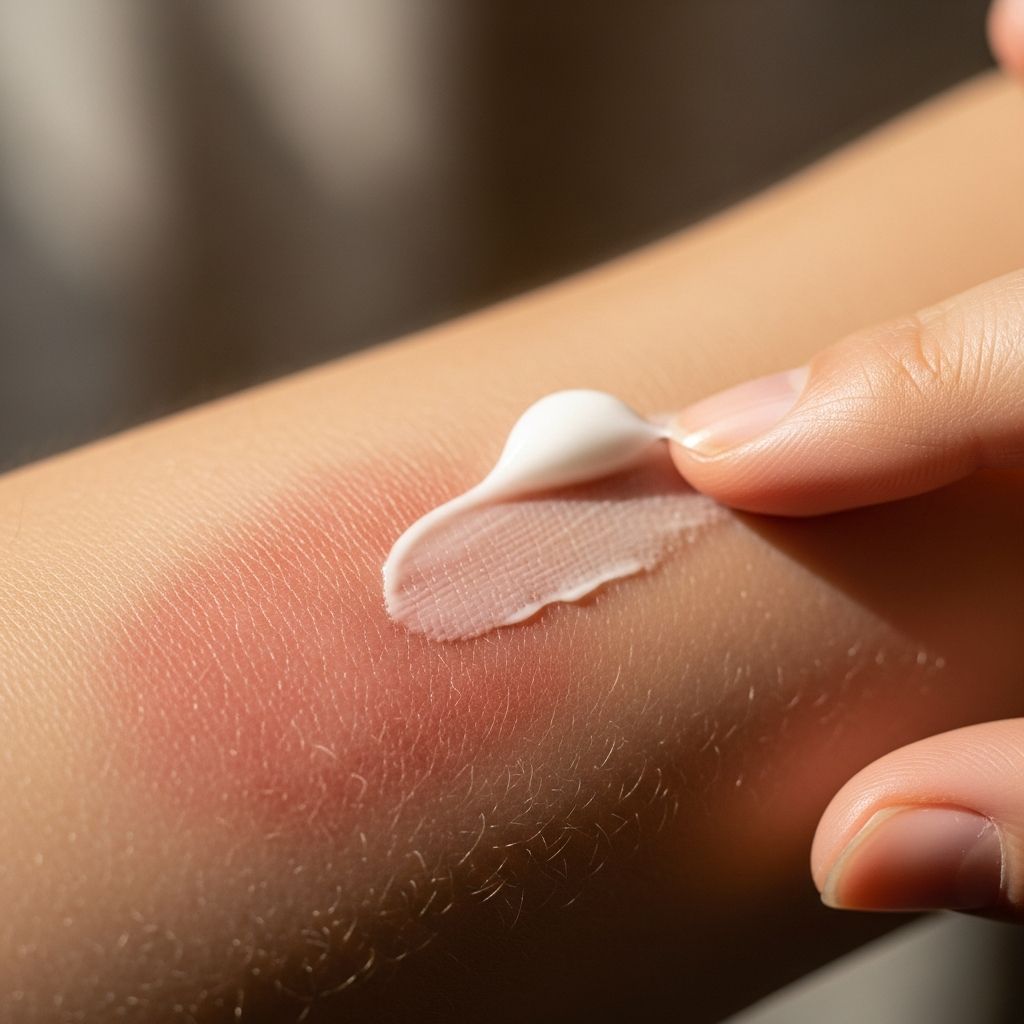
Atopic dermatitis, commonly known as eczema, affects over 26 million adults in the U.S. alone, causing itchy, inflamed skin that disrupts daily life.1 While there’s no cure, a range of treatments—from simple moisturizers to cutting-edge biologics—can control symptoms, prevent flares, and improve quality of life. Treatment choice depends on severity, age, and response to therapy. This guide covers established and emerging options endorsed by dermatology experts.
What Is Atopic Dermatitis?
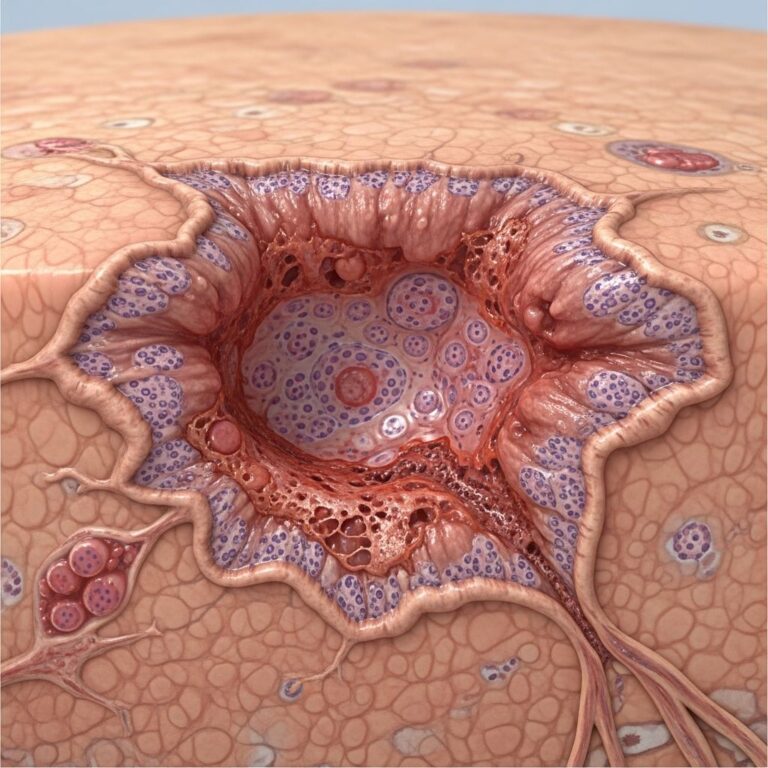
Atopic dermatitis is a chronic inflammatory skin condition characterized by dry, itchy, red rashes that flare periodically. It stems from a defective skin barrier, immune dysregulation, and genetic factors like filaggrin mutations. Triggers include allergens, irritants, stress, and weather changes. Severity ranges from mild (localized patches) to severe (widespread eczema covering much of the body).
Diagnosis relies on clinical history and exam; patch testing identifies contact allergens. Effective management requires a multifaceted approach: trigger avoidance, skin hydration, and targeted anti-inflammatory therapies.
At-Home Treatments for Atopic Dermatitis
Daily skin care forms the foundation of eczema management. Consistent routines prevent dryness and reduce flare frequency.
- Moisturizers: Apply fragrance-free ointments (petrolatum, ceramide-based) at least twice daily, especially after bathing. Look for products with colloidal oatmeal, which soothes irritation.2
- Bathing practices: Use lukewarm water (10-15 minutes max), gentle cleansers, and pat dry. Avoid hot showers and harsh soaps.
- Wet wrap therapy: Apply moisturizer or medicated cream, then wrap with damp gauze and dry layer. Ideal for severe flares; use 3-7 days under medical guidance.
- Trigger avoidance: Identify and eliminate irritants like wool clothing, harsh detergents, dust mites, and food allergens (in children).
Topical Treatments
Topicals target inflammation directly and are first-line for mild-moderate atopic dermatitis.
Topical Corticosteroids (TCS)
TCS reduce itching and redness by suppressing immune responses. Potency ranges from low (hydrocortisone 1%) for face/eyelids to super-high (clobetasol) for thick plaques on extremities.
- Usage: Apply thin layer once/twice daily for 1-2 weeks per flare; proactive twice-weekly maintenance prevents relapses.
- Safety: Risks include skin thinning (rare with intermittent use), perioral dermatitis. Monitor with dermatologist.
- Examples: Triamcinolone (mid-potency), betamethasone (high-potency).
Topical Calcineurin Inhibitors (TCI)
Tacrolimus (Protopic) and pimecrolimus (Elidel) inhibit T-cell activation, steroid-sparing options ideal for face, genitals, and children >2 years.
- Advantages: No atrophy risk; safe long-term.
- Drawbacks: Burning sensation initially; black-box warning for rare cancer (not causal per studies).
PDE4 Inhibitors
Crisaborole (Eucrisa) 2% ointment reduces itch and inflammation via phosphodiesterase-4 inhibition. Approved for mild-moderate cases in ages 3 months+.
- Efficacy: Clears skin in 30-50% of patients within 4 weeks.
- Side effects: Application-site pain (7%).
JAK Inhibitors (Topical)
Ruxolitinib (Opzelura) cream 1.5% blocks Janus kinase enzymes, rapidly reducing inflammation. FDA-approved 2021 for mild-moderate atopic dermatitis in ages 12+.
- Benefits: Twice-daily application; effective on trunk/limbs.
- Warnings: Limit to 8 weeks continuous use; avoid in pregnancy.
Phototherapy
Narrowband UVB (NB-UVB) light slows skin cell overgrowth and modulates immunity. Administered 2-3x/week in clinics for moderate-severe cases unresponsive to topicals.
- Efficacy: 60-70% achieve clear/mild skin after 3 months.
- Risks: Premature aging, skin cancer (minimal with modern protocols).
- Alternatives: Hand/foot units for localized disease.
Related Stories



Systemic Treatments
Oral Medications
For widespread or refractory disease:
- Antihistamines: Hydroxyzine, diphenhydramine for itch relief (sedating types at night).
- Antibiotics: Cephalexin for bacterial superinfections (yellow crusts, oozing).
- Oral steroids: Short prednisone bursts (5-10 days); avoid chronic use due to rebound flares.
Immunosuppressants
Cyclosporine, methotrexate, azathioprine, mycophenolate calm overactive immunity but require blood monitoring for toxicity.
- Cyclosporine: Rapid onset (2 weeks); first-line systemic for adults.
- Methotrexate: Weekly low-dose; good for long-term control.
Biologics for Atopic Dermatitis
Injectable monoclonal antibodies target specific inflammatory pathways, transforming severe eczema care.
Dupilumab (Dupixent)
IL-4/IL-13 inhibitor; first biologic approved 2017. Weekly/biweekly subcutaneous injections for ages 6 months+.
- Results: 75% achieve clear/almost clear skin; dramatic itch reduction.3
- Side effects: Conjunctivitis (10-20%), injection reactions.
Lemabrilizumab and Lebrikizumab (IL-13 Inhibitors)
Monthly dosing; approved 2024. Strong efficacy in head/neck involvement.
Tralokinumab (Adbry)
IL-13 blocker; every 2 weeks after loading doses.
Emerging: IL-31 Inhibitor
Nemolizumab targets itch directly; Phase 3 trials show superior symptom relief.
JAK Inhibitors (Oral)
Small-molecule pills disrupt cytokine signaling intracellularly.
| Drug | Dosing | Approval | Key Notes |
|---|---|---|---|
| Abrocitinib (Cibinqo) | 100-200mg daily | 2021, ages 12+ | Fast itch relief; monitor lipids, clots |
| Upadacitinib (Rinvoq) | 15-30mg daily | 2022, ages 12+ | High clearance rates; black-box warnings |
| Baricitinib (Olumiant) | 4mg daily | 2024 | Also for alopecia; herpes zoster risk |
All carry FDA boxed warnings for infections, malignancy, thrombosis, CV events. Reserve for refractory moderate-severe cases.
Treatment for Children
Pediatric options prioritize safety:
- Infants: Low-potency TCS, moisturizers, wet wraps.
- Ages 2+: Add TCI, crisaborole.
- 12+: Topical ruxolitinib, oral JAKs, dupilumab.
- Bleach baths: ½ cup in tub 2x/week prevents Staph infections.
Clinical Trial Treatments
Pipeline includes rocatinlimab (anti-OX40L, monthly injection; sustained remission post-treatment), oral roflumilast (PDE4), and more JAKs. Over 100 trials ongoing per ClinicalTrials.gov.4
Lifestyle Changes and Home Remedies
- Diet: Breastfeeding may protect infants; eliminate triggers via elimination diet if allergy confirmed.
- Stress management: Mindfulness, yoga reduce flares.
- Clothing: Cotton fabrics; humidifiers in dry climates.
- Supplements: Vitamin D if deficient; probiotics show mixed results.
When to See a Dermatologist
Seek specialist if OTC fails, widespread rash, signs of infection (fever, pus), or sleep/food disruption. Allergy testing or patch tests may be needed.
Frequently Asked Questions (FAQs)
What is the first-line treatment for atopic dermatitis?
Moisturizers and topical corticosteroids remain first-line for most patients, per American Academy of Dermatology guidelines.
Are biologics a cure for eczema?
No, biologics like Dupixent control severe atopic dermatitis but symptoms return upon discontinuation.
Can diet cure atopic dermatitis?
Diet alone rarely cures; however, avoiding confirmed allergens helps 30% of children with food-triggered flares.
How quickly do JAK inhibitors work?
Noticeable improvement in itch/skin within 1-2 weeks; maximal benefit by week 4-16.
Is atopic dermatitis contagious?
No, eczema is not contagious despite occasional bacterial/viral superinfections.
References
- Prevalence and burden of atopic dermatitis among US adults — Eichenfield LF et al. Journal of Allergy and Clinical Immunology. 2023-05-15. https://www.jacionline.org/article/S0091-6749(23)00345-6/fulltext
- Guidelines of care for the management of atopic dermatitis — Eichenfield LF et al. American Academy of Dermatology. 2024-02-01. https://www.jaad.org/article/S0190-9622(23)03392-5/fulltext
- Dupilumab long-term safety and efficacy — de Bruin-Weller M et al. British Journal of Dermatology. 2024-07-10. https://doi.org/10.1093/bjd/ljae234
- ClinicalTrials.gov: Atopic Dermatitis trials — U.S. National Library of Medicine. Accessed 2026-01-13. https://clinicaltrials.gov/search?cond=Atopic%20Dermatitis
- JAK inhibitors in atopic dermatitis — Bieber T. New England Journal of Medicine. 2023-11-16. https://www.nejm.org/doi/full/10.1056/NEJMra2300115
Similar Articles








Read full bio of medha deb