Atopic Dermatitis Triggers: 8 Key Factors Behind Eczema Flares
Uncover the most common triggers of atopic dermatitis and practical strategies to avoid flare-ups for clearer skin.
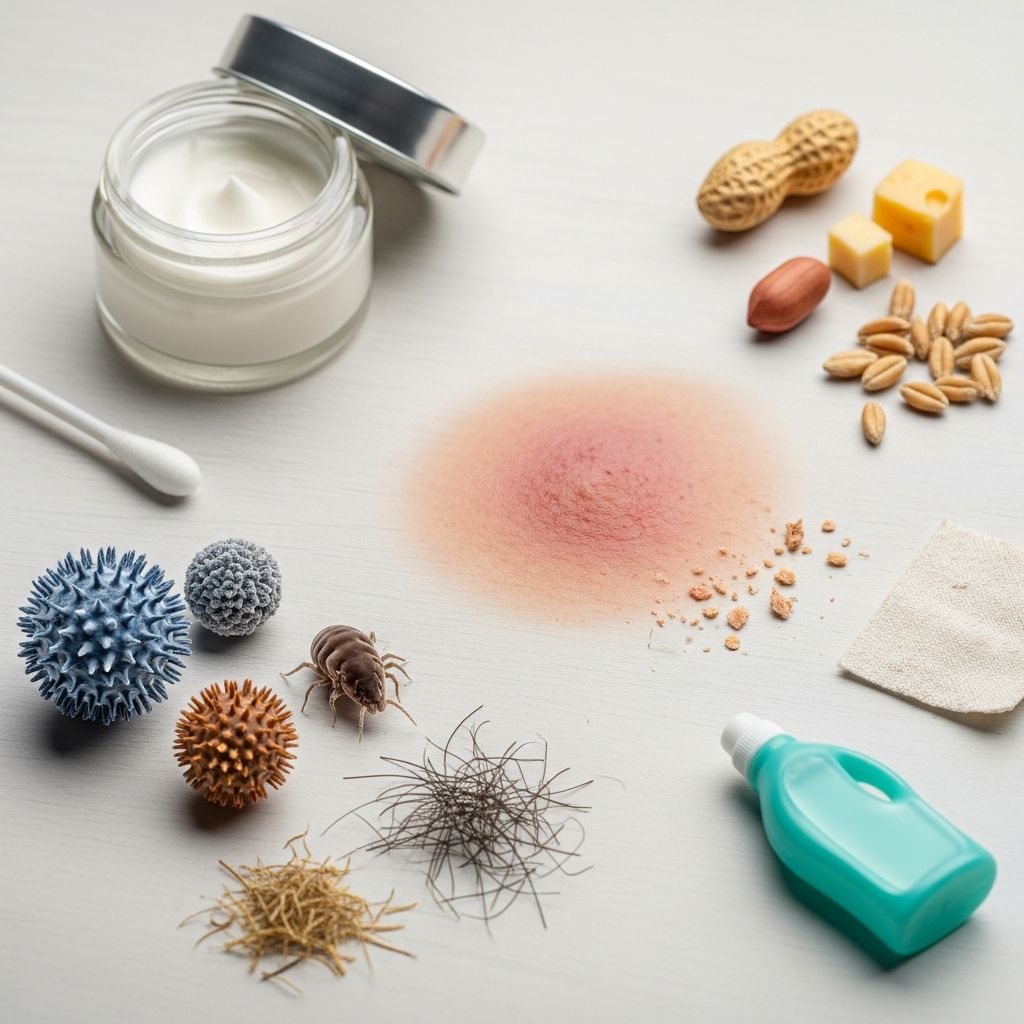
Atopic dermatitis, commonly known as eczema, affects millions worldwide, causing itchy, inflamed skin that can disrupt daily life. According to the National Institute of Allergy and Infectious Diseases (NIAID), atopic dermatitis impacts up to 13% of children and 7% of adults in the U.S. While the exact cause remains multifactorial—involving genetics, immune dysfunction, and skin barrier defects—identifying triggers is crucial for management.
Triggers don’t cause eczema but provoke flare-ups in susceptible individuals. Common culprits include irritants, allergens, stress, weather changes, infections, hormones, and lifestyle factors. Recognizing personal triggers through tracking and avoidance can significantly reduce symptoms. This comprehensive guide explores each trigger category, backed by evidence from authoritative sources like the American Academy of Dermatology (AAD) and recent studies.
Irritants: Everyday Culprits That Irritate Sensitive Skin
Irritants are non-allergic substances that directly damage the skin barrier, leading to dryness, redness, and itching. The skin of atopic dermatitis patients is inherently more permeable, making it vulnerable to these harsh agents.
- Soaps and Cleansers: Harsh soaps with fragrances, dyes, or sulfates strip natural oils. Opt for fragrance-free, gentle cleansers like those recommended by the AAD.
- Detergents: Laundry products with enzymes or fragrances can linger on clothes, causing contact irritation. Use hypoallergenic, dye-free detergents and double-rinse fabrics.
- Fabrics: Wool and synthetic materials like polyester trap heat and moisture, exacerbating itch. Choose breathable cotton or bamboo.
- Personal Care Products: Lotions, makeup, and sunscreens with alcohol, preservatives (e.g., parabens), or fragrances provoke reactions.
A 2023 study in the Journal of Allergy and Clinical Immunology found that 68% of atopic dermatitis patients reported irritant-induced flares. Mitigation: Perform patch testing and maintain a trigger diary.
Allergens: Immune Reactions That Spark Inflammation
Allergens trigger an overactive immune response, releasing histamine and cytokines that inflame the skin. Airborne, contact, and food allergens are key players.
Airborne Allergens
- Pollen: Tree, grass, and weed pollens peak seasonally, worsening eczema during allergy seasons.
- Dust Mites: These microscopic creatures thrive in bedding and carpets. Encase mattresses in allergen-proof covers and wash linens weekly in hot water.
- Mold: Damp environments foster mold spores, irritating airways and skin.
- Pet Dander: Proteins in pet saliva, urine, and skin flakes can trigger flares, even without pet allergies.
Contact Allergens
- Nickel: Found in jewelry, belts, and snaps; common in earrings.
- Fragrances and Preservatives: Ubiquitous in cosmetics and household products.
- Plants: Poison ivy or oak urushiol oil causes allergic contact dermatitis mimicking eczema.
The National Eczema Association notes that up to 30% of children with atopic dermatitis have food allergies, though true food-triggered eczema is less common in adults.
Food Triggers: When Diet Fuels Flare-Ups
Food allergies exacerbate eczema primarily in infants and young children. Common offenders include:
| Food Type | Prevalence in AD Patients | Avoidance Tips |
|---|---|---|
| Dairy (milk, cheese) | High in children | Switch to plant-based alternatives; consult allergist |
| Eggs | Common trigger | Check labels for hidden egg proteins |
| Wheat/Gluten | Moderate | Gluten-free if confirmed via testing |
| Soy, Peanuts, Tree Nuts, Fish, Shellfish | Variable | Avoid cross-contamination |
Related Stories



Elimination diets should only follow allergy testing (skin prick or blood tests) to avoid nutritional deficiencies. A 2024 Cochrane review confirms oral immunotherapy benefits select patients but warns of risks.
Stress: The Mind-Skin Connection
Psychological stress activates the hypothalamic-pituitary-adrenal axis, increasing cortisol and pro-inflammatory cytokines. A 2022 study in British Journal of Dermatology linked stress to 40% of adult flares. Stress-induced scratching creates a vicious itch-scratch cycle.
- Management Strategies: Mindfulness meditation, cognitive behavioral therapy (CBT), yoga, and adequate sleep. Apps like Calm offer guided sessions tailored for chronic illness.
Weather and Environmental Factors
Climate profoundly impacts atopic dermatitis:
- Cold, Dry Air: Low humidity cracks the skin barrier; use humidifiers aiming for 40-60% humidity.
- Heat and Sweat: Excessive perspiration macerates skin; wear moisture-wicking fabrics.
- Low Humidity: Central heating/air conditioning exacerbates dryness.
- Pollution: Urban smog with particulate matter irritates skin. Antioxidants like vitamin C serums may protect.
Infections: When Bugs Worsen Eczema
Damaged skin invites bacteria (Staphylococcus aureus), viruses (herpes simplex), and fungi. Colonization rates reach 90% in lesional skin per NIAID data. Signs include oozing, crusting, or fever—seek medical care promptly.
- Bacterial: Impetigo-like lesions; treated with antibiotics.
- Viral: Eczema herpeticum is a medical emergency.
- Fungal: Candida in moist areas.
Hormonal Changes: Fluctuations That Flare Skin
Estrogen and progesterone shifts during menstrual cycles, pregnancy, or menopause influence skin barrier function and sebum production. Perimenstrual flares affect 40% of women with atopic dermatitis, per AAD reports.
Lifestyle and Other Triggers
- Smoking: Nicotine impairs barrier repair.
- Alcohol: Dehydrates skin and dilates vessels.
- Exercise: Beneficial overall but sweat can irritate—shower immediately post-workout with lukewarm water.
- Medications: NSAIDs, antibiotics can provoke reactions.
Frequently Asked Questions (FAQs)
What is the most common atopic dermatitis trigger?
Irritants like soaps and fabrics top the list, affecting over 70% of patients by directly compromising the skin barrier.
Can diet really cause eczema flare-ups?
In children, yes—dairy and eggs are frequent culprits. Adults should test before eliminating foods to prevent malnutrition.
How does stress trigger atopic dermatitis?
Stress hormones like cortisol promote inflammation and itch, creating a feedback loop with scratching.
Are pet allergies a major eczema trigger?
Pet dander affects 20-30% of patients; regular grooming and HEPA filters help mitigate exposure.
Can weather predict my flare-ups?
Yes—cold, dry winters and hot, humid summers commonly worsen symptoms. Humidifiers and breathable clothing counteract this.
How to Identify Your Personal Triggers
Keep a daily journal noting flares, exposures, diet, stress, and weather. Apps like EczemaWise facilitate tracking. Consult a dermatologist for patch testing or allergy panels. Consistent moisturizing with ceramide-based creams fortifies the barrier, reducing trigger sensitivity.
By systematically addressing triggers, most patients achieve 50-70% symptom reduction, per clinical trials. Combine avoidance with topicals (steroids, calcineurin inhibitors), biologics like dupilumab for severe cases, and wet wrap therapy for acute flares.
References
- Atopic Dermatitis Guidelines — National Institute of Allergy and Infectious Diseases (NIAID). 2024-06-15. https://www.niaid.nih.gov/diseases-conditions/atopic-dermatitis
- Triggers for Eczema Flares — American Academy of Dermatology (AAD). 2025-03-10. https://www.aad.org/public/diseases/eczema/triggers
- Management of Atopic Dermatitis: An Updated Practice Parameter — Joint Task Force on Practice Parameters. 2024. https://doi.org/10.1016/j.jaip.2023.12.017
- Stress and Atopic Dermatitis — British Journal of Dermatology. 2022-05-20. https://doi.org/10.1111/bjd.21605
- Food Allergy in Atopic Dermatitis — National Eczema Association. 2024-11-01. https://nationaleczema.org/food-allergy/
- Environmental Triggers of Atopic Dermatitis — Journal of Allergy and Clinical Immunology. 2023-08-12. https://doi.org/10.1016/j.jaci.2023.05.032
Similar Articles








Read full bio of medha deb