Atopic Dermatitis Vs. Eczema: What You Need To Know
Unraveling the confusion: Is atopic dermatitis the same as eczema? Discover key differences, symptoms, and management strategies.
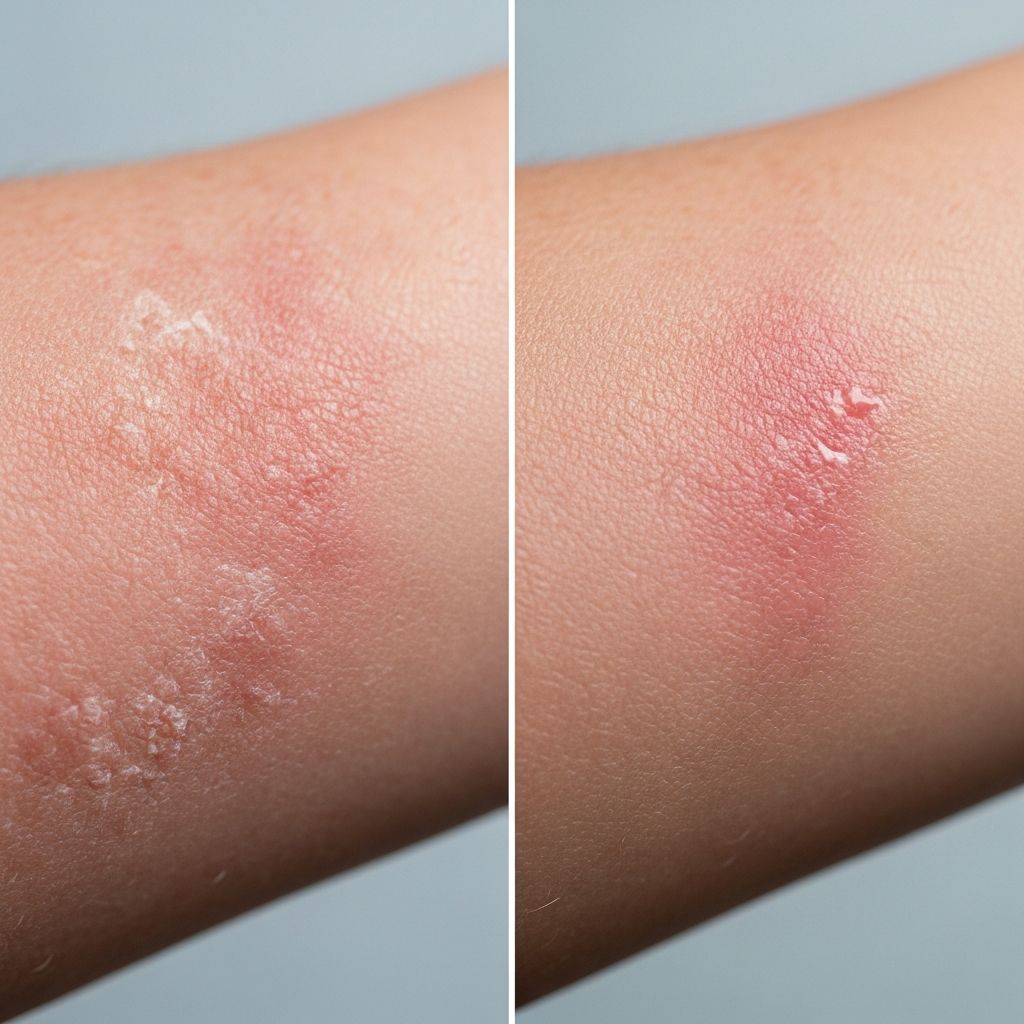
Atopic dermatitis, commonly known as the most prevalent form of
eczema
, causes dry, itchy, inflamed skin that can flare periodically, affecting millions worldwide, particularly children. While the terms are often used interchangeably, eczema is an umbrella term for several inflammatory skin conditions, with atopic dermatitis being just one type.What Is Eczema?
Eczema refers to a group of chronic skin disorders characterized by itchy, red, inflamed, and dry patches that may ooze or crust over. It impacts over 31 million people in the United States alone, disrupting daily life due to intense itching and discomfort. The condition arises from a weakened skin barrier, making it prone to irritants, allergens, and infections.
Common symptoms across eczema types include:
- Intense itching, often worsening at night
- Red or inflamed patches, varying by skin tone (gray, brown, or purplish on darker skin)
- Dry, scaly, or cracked skin
- Oozing or crusting lesions
- Thickened skin from chronic scratching (lichenification)
Eczema is not contagious but can significantly affect quality of life, leading to sleep disturbances, anxiety, and secondary infections if scratched excessively.
What Is Atopic Dermatitis?
**Atopic dermatitis (AD)** is the most common and chronic type of eczema, often starting in infancy or early childhood between 2 months and 5 years of age. It features dry, intensely itchy patches that crack, ooze, or form crusts, commonly on the face, elbows, knees, hands, and neck flexures.
AD is linked to an overactive immune response and genetic factors, often co-occurring with asthma, hay fever, and allergies (the ‘atopic triad’). A defective skin barrier allows moisture loss and irritant entry, exacerbated by triggers like stress, weather changes, or allergens.
Key Differences Between Atopic Dermatitis and Eczema
Since atopic dermatitis is a subtype of eczema, the primary distinction lies in terminology: eczema broadly describes various dermatitis forms, while AD specifically denotes the chronic, allergy-associated variant. Other eczema types differ in triggers, appearance, and demographics.
| Aspect | Atopic Dermatitis | Other Eczema Types |
|---|---|---|
| Onset Age | Infants/children (1-5 years) | Any age, often adults |
| Common Sites | Flexural areas (elbows, knees, neck) | Varies (e.g., hands for contact, legs for asteatotic) |
| Triggers | Allergens, genetics, environment | Irritants, trauma, dryness |
| Appearance | Diffuse itchy patches | Specific (round for discoid, blisters for dyshidrotic) |
Types of Eczema
Beyond atopic dermatitis, eczema includes several variants, each with unique features.
Contact Dermatitis
This occurs from direct irritant or allergen exposure, like soaps, nickel, or dyes, causing stinging, burning rashes at contact sites. Allergic contact dermatitis involves immune sensitization; irritant type is non-immune.
Discoid (Nummular) Eczema
Features coin-shaped, oozing patches triggered by dry skin, bites, or trauma. Common in adults with AD history.
Dyshidrotic Eczema
Small, itchy blisters on hands/feet, often from stress or metals. Peaks in warm weather.
Asteatotic (Xerotic) Eczema
Cracked, ‘dry riverbed’ plaques on legs, prevalent in elderly due to aging skin.
Neurodermatitis (Lichen Simplex Chronicus)
Related Stories



Thickened patches from habitual scratching, localized to neck, wrists, or ankles.
Symptoms of Atopic Dermatitis and Eczema
Both share core symptoms, but severity varies:
- Itch-scratch cycle: Primary symptom leading to worsening.
- Rashes: Red, inflamed, scaly; darker skin shows hyperpigmentation.
- Dryness: Barrier dysfunction causes flaking.
- Infections: Crusting, weeping from bacteria like Staphylococcus.
In children, AD often affects cheeks; adults see hand involvement.
Causes and Risk Factors
Eczema/AD results from gene-environment interactions:
- Genetics: Filaggrin mutations impair barrier.
- Immune: Th2 skew promotes inflammation.
- Triggers: Pollen, dust, foods, harsh soaps, low humidity.
Risk factors: Family history, urban living, early antibiotic use.
Diagnosis
No single test; dermatologists use history, exam, and elimination:
- Hansen’s criteria: Itch + 3 of 4 (onset <2yrs, flexural rash, dry skin, visible rash).
- Patch testing for allergens.
- Biopsy rarely needed.
Treatment Options
Focuses on symptom relief, flare prevention:
Skincare Basics
- Moisturize twice daily with ceramide creams.
- Gentle cleansing, avoid hot water.
Medications
- Topicals: Steroids (hydrocortisone), calcineurin inhibitors (tacrolimus).
- Systemic: Oral steroids, immunosuppressants for severe.
- Biologics: Dupilumab targets IL-4/13.
Lifestyle
- Bleach baths for infection prevention.
- Wet wraps for flares.
- Allergen avoidance.
When to See a Doctor
Seek care for:
- Persistent flares disrupting sleep/activity.
- Signs of infection: Fever, pus, swelling.
- New/spreading lesions.
Frequently Asked Questions (FAQs)
Is atopic dermatitis the same as eczema?
Atopic dermatitis is the most common type of eczema, but eczema includes other forms like contact or dyshidrotic.
Can eczema be cured?
No, it’s chronic, but manageable with treatment to reduce flares.
Does eczema affect adults?
Yes, though it often starts in childhood; 1-3% of adults have AD.
Is eczema contagious?
No, it’s not infectious.
What triggers eczema flares?
Irritants, allergens, stress, weather changes.
This comprehensive guide empowers better understanding and management of atopic dermatitis and eczema. Consult a dermatologist for personalized advice.
References
- What is the difference between atopic dermatitis and eczema? — Medical News Today. 2023-10-15. https://www.medicalnewstoday.com/articles/atopic-dermatitis-vs-eczema
- Eczema Vs. Atopic Dermatitis: Causes, Diagnosis, Treatment — UCF Health. 2024-05-20. https://ucfhealth.com/our-services/dermatology/eczema-vs-atopic-dermatitis/
- Types of Eczema: Symptoms, Differences, Diagnosis — National Eczema Association. 2025-01-10. https://nationaleczema.org/types-of-eczema/
- Eczema types: Atopic dermatitis overview — American Academy of Dermatology (AAD). 2024-08-12. https://www.aad.org/public/diseases/eczema/types/atopic-dermatitis
- Atopic dermatitis (eczema) – Symptoms and causes — Mayo Clinic. 2025-03-05. https://www.mayoclinic.org/diseases-conditions/atopic-dermatitis-eczema/symptoms-causes/syc-20353273
Similar Articles








Read full bio of medha deb