Atopic Hand Dermatitis: Causes, Symptoms, and Treatment
Complete guide to atopic hand dermatitis: understanding causes, symptoms, and effective treatment strategies.
Introduction to Atopic Hand Dermatitis
Atopic hand dermatitis, also known as atopic hand eczema, is a multifactorial inflammatory condition that primarily affects the fingers, hands, and wrists of individuals with atopic predisposition. This chronic skin disorder represents one of the most significant manifestations of atopic dermatitis and poses considerable challenges to both patients and healthcare providers due to its persistent nature and impact on quality of life. Atopic dermatitis is recognized as the most important risk factor for developing chronic hand dermatitis, establishing a clear clinical relationship between systemic atopy and localized hand involvement.
The condition emerges from a complex interplay of inherited genetic factors and environmental exposures that collectively compromise skin barrier function and trigger immune system dysregulation. Understanding the multifactorial nature of atopic hand dermatitis is essential for developing effective management strategies and providing patients with appropriate counseling regarding disease triggers and prognosis.
Demographics and Prevalence
Atopic hand dermatitis typically begins in childhood and demonstrates a variable presentation depending on individual susceptibility and environmental exposure. The condition can develop at any age but shows particular prevalence in individuals with a personal or family history of atopic conditions. Hand dermatitis frequently presents as an occupational concern, affecting individuals whose professional activities expose them to irritants or allergens. Workers in healthcare, cleaning services, food preparation, and construction industries demonstrate heightened susceptibility due to frequent hand washing, exposure to harsh chemicals, and wet environments.
Causes of Atopic Hand Dermatitis
Atopic hand dermatitis results from a combination of genetic predisposition and environmental triggers working synergistically to impair skin barrier integrity.
Genetic and Inherited Factors
Individuals with atopic dermatitis carry inherited vulnerabilities that make them susceptible to hand dermatitis development. A critical genetic factor involves filaggrin gene mutations, which are particularly common in atopic individuals. Filaggrin deficiency leads to impaired skin barrier function, resulting in increased transepidermal water loss (TEWL) and enhanced penetration of allergens and irritants. This compromised barrier increases the risk of contact dermatitis and secondary skin infections. Additionally, individuals with atopic dermatitis demonstrate altered immune system function characterized by increased Th2 activation and elevated production of inflammatory mediators including IL-4, IL-13, IL-31, CCL17, CCL18, and CCL22.
Environmental Triggers
Environmental factors play a substantial role in triggering or exacerbating atopic hand dermatitis. Water exposure represents one of the most frequently reported environmental triggers, with frequent hand washing and wet work environments significantly aggravating the condition. Additional environmental factors include:
- Exposure to harsh soaps, detergents, and disinfectants
- Contact with occupational irritants and chemicals
- Cold and dry weather conditions
- Low indoor humidity levels
- Tobacco smoke exposure
- Air pollutants and environmental contaminants
- Fragrances and compounds in personal care products
Types of Contact Dermatitis
Irritant contact dermatitis more commonly complicates atopic hand dermatitis compared to allergic contact dermatitis. This form develops from cumulative exposure to irritating substances and typically presents with symptoms localized to the backs of fingers and hands. Irritative contact dermatitis can paradoxically promote allergic dermatitis by increasing skin permeability to allergens.
Related Stories



Allergic contact dermatitis occurs in individuals with atopic hand dermatitis at rates similar to the general population, though these patients experience heightened susceptibility due to compromised skin barriers. When allergic contact dermatitis does develop in atopic individuals, symptoms often manifest on fingertips or palms.
Clinical Features and Presentation
Atopic hand dermatitis demonstrates characteristic patterns of distribution and diverse clinical presentations depending on disease stage and severity.
Distribution Patterns
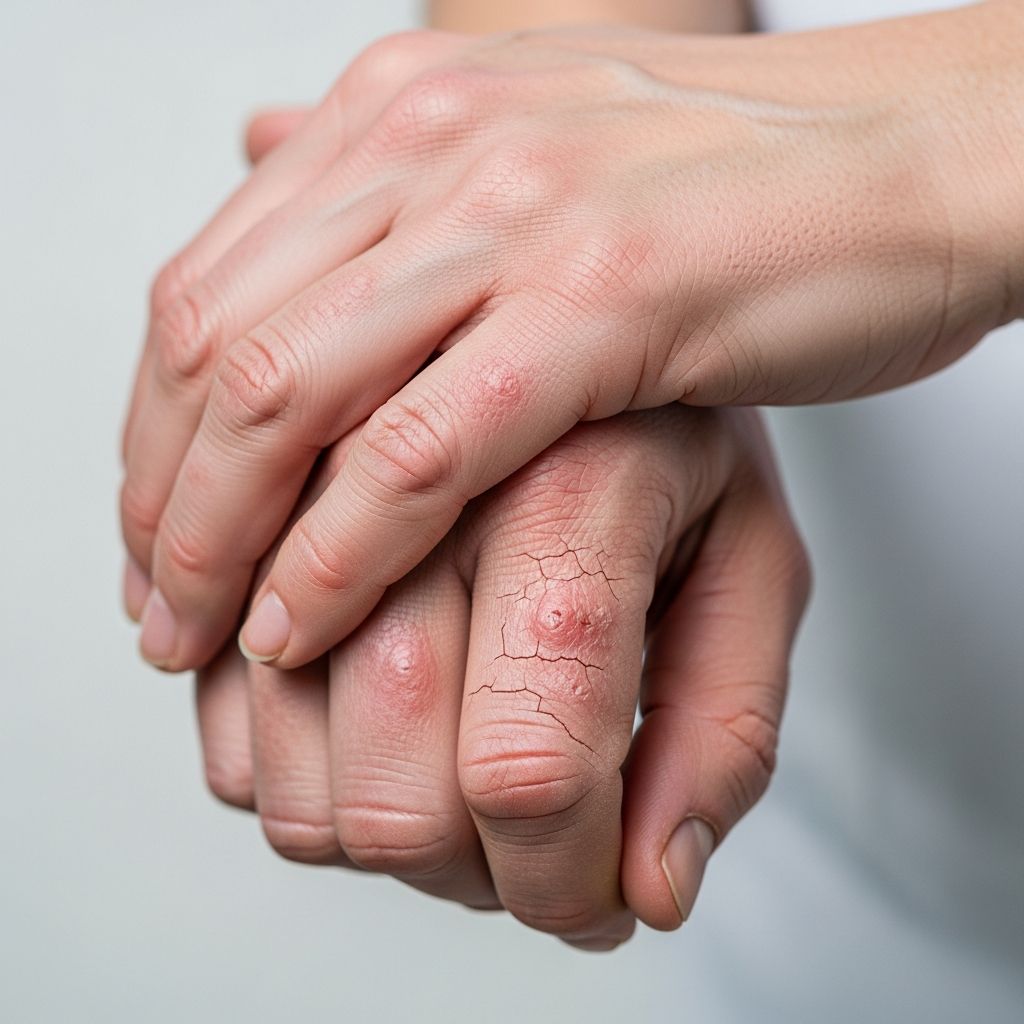
The location of atopic hand dermatitis follows predictable patterns, with the backs of the hands affected in 90% of cases. Fingers are involved in approximately 70% of presentations, while both aspects of the wrists show involvement in 50-60% of cases. By contrast, the palmar aspect of the hands and fingers demonstrates less frequent involvement at approximately 30% of presentations. This characteristic dorsal predilection aids in clinical diagnosis and distinguishes atopic hand dermatitis from other forms of hand dermatitis.
Acute Phase Symptoms
During acute presentations, atopic hand dermatitis commonly presents with characteristic clinical features:
- Redness and erythema of affected skin
- Swelling (edema) of the hands and fingers
- Macules and papules on the skin surface
- Vesicular eruptions (small fluid-filled blisters)
- Oozing and exudation from affected areas
- Crusting of the skin surface
Chronic Phase Manifestations
Chronic atopic hand dermatitis develops distinctive features reflecting longstanding inflammation and skin barrier compromise:
- Scaling and xerosis (abnormal dryness)
- Hyperkeratosis, representing thickening of the outer skin layer
- Lichenification, characterized by prominent skin markings and leathery appearance
- Fissures and cracks in the skin surface
Associated Symptoms
Patients with atopic hand dermatitis commonly present with pruritus (itching) and dryness as predominant symptoms. Additional symptoms include stinging, burning, and pain sensations, particularly in areas with significant skin barrier disruption. While vesicular hand dermatitis and nummular dermatitis represent uncommon presentations, they may occasionally occur in specific clinical contexts.
Nail Changes
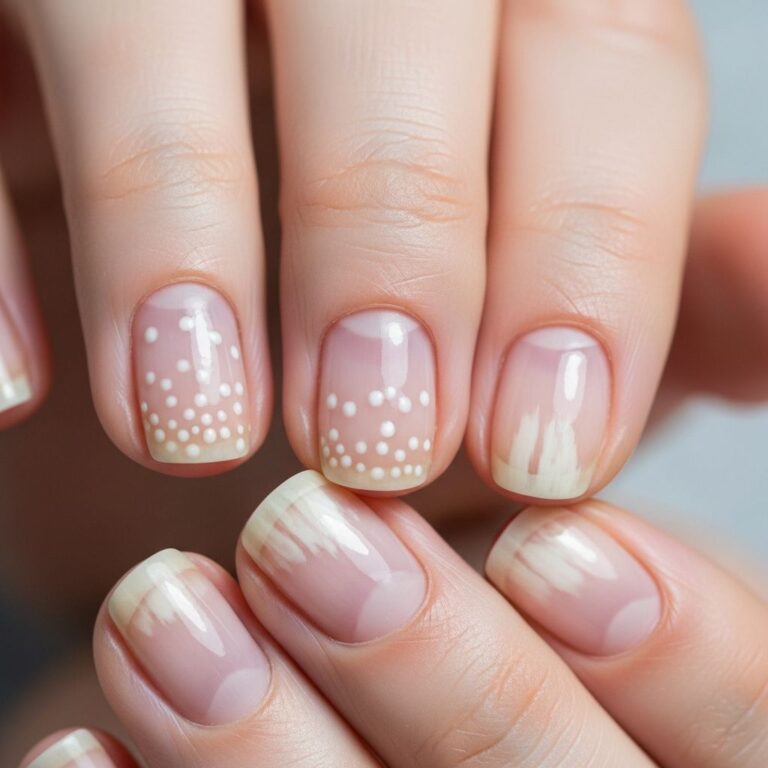
When dermatitis affects the distal fingers, characteristic nail changes may develop. These include coarse pitting, transverse ridges or grooves, and loss of cuticle, which can persist even after hand dermatitis resolution.
Clinical Signs Suggesting Atopic Hand Dermatitis
Although no specific morphological features definitively distinguish atopic hand dermatitis from other etiologies, certain clinical signs provide valuable diagnostic clues. The characteristic dorsal distribution pattern serves as an important indicator of atopic etiology. Additional signs suggesting atopic hand dermatitis include the presence of hyperlinear palms (excessive palmar creasing), keratosis pilaris (follicular papules), and evidence of atopic dermatitis affecting other body regions. Recognition of these associated findings supports diagnostic accuracy and guides appropriate management strategies.
Variations in Skin Types
Atopic hand dermatitis can present with varying clinical appearances depending on individual skin characteristics and phototype. In darker skin types, inflammation may manifest as lichenification with hyperpigmentation or hypopigmentation, while the underlying inflammatory process follows similar pathophysiological mechanisms. Clinical signs including hyperlinear palms and associated atopic features remain consistent across different skin types, though their visibility may vary.
Complications of Atopic Hand Dermatitis
Several significant complications can develop secondary to atopic hand dermatitis, complicating disease management.
Secondary Infections
Bacterial skin infections represent common complications, particularly following scratching of affected areas. These infections can substantially worsen disease severity and make atopic hand dermatitis considerably more difficult to control. The impaired skin barrier characteristic of atopic dermatitis creates an ideal environment for bacterial colonization and infection.
Viral Infections
Individuals with atopic hand dermatitis demonstrate increased susceptibility to viral skin infections, including warts and cold sores.
Contact Dermatitis Development
Patients with atopic hand dermatitis show increased risk for developing contact dermatitis due to their compromised skin barrier. While the risk of allergic contact dermatitis matches the general population, irritant contact dermatitis occurs significantly more frequently. The enhanced transepidermal water loss and filaggrin deficiency characteristic of atopic skin increase susceptibility to irritant-induced inflammation.
Diagnosis of Atopic Hand Dermatitis
Diagnosis of atopic hand dermatitis relies primarily on clinical assessment rather than specific laboratory tests. Dermatologists evaluate the characteristic distribution pattern favoring the dorsal aspects of hands and fingers, combined with associated clinical signs of atopy. A detailed history regarding disease onset, triggers, and response to previous treatments provides important diagnostic information.
Diagnostic Testing
Patch testing can be valuable when allergic contact dermatitis is suspected as a contributing factor. This test identifies specific allergens or irritants that may be triggering or perpetuating hand dermatitis, helping patients and healthcare providers pinpoint problematic substances at home or in occupational environments.
Dermatologists also assess associated atopic manifestations elsewhere on the body, which support the diagnosis of atopic hand dermatitis and help distinguish it from other forms of hand dermatitis with different etiologies.
Differential Diagnoses
Several conditions must be considered when evaluating hand dermatitis to ensure accurate diagnosis. Irritant contact dermatitis from occupational or household exposures may closely mimic atopic hand dermatitis but typically develops without evidence of systemic atopy. Allergic contact dermatitis presents with similar features but occurs in response to specific allergen exposure rather than atopic predisposition. Nummular dermatitis, characterized by discrete coin-shaped lesions, represents an uncommon presentation in atopic individuals but may require differentiation. Protein contact dermatitis, triggered by protein exposure and beginning with urticarial eruptions, demonstrates distinct clinical features.
Treatment Approaches for Atopic Hand Dermatitis
Prompt treatment is strongly recommended, as hand dermatitis tends to become chronic if left untreated. A stepwise approach tailored to disease severity guides appropriate management.
First-Line Management
The foundation of atopic hand dermatitis treatment involves identifying and eliminating triggering factors, combined with intensive skin care. Patients should minimize water exposure and wet work when possible, and thoroughly dry hands after unavoidable water contact. Emollients form a critical component of treatment, though products containing potentially allergenic substances must be avoided. Frequent application of fragrance-free, non-sensitizing moisturizers helps restore skin barrier function and reduce symptoms.
Topical Pharmacological Therapy
Topical corticosteroids treat active flares by reducing inflammation in sore, cracked, and discolored skin. Since the palms feature particularly thick skin, more potent topical steroids are typically required for hand treatment compared to other body areas. Treatment generally involves short bursts of potent topical steroids lasting approximately two weeks. For mild cases, moderately potent steroids may suffice, particularly in pediatric patients.
Topical calcineurin inhibitors, including tacrolimus (Protopic) and pimecrolimus (Elidel), provide alternative anti-inflammatory therapy. Pimecrolimus is recommended for mild to moderate atopic hand dermatitis, while tacrolimus shows greater efficacy for moderate to severe disease. A proactive maintenance approach using tacrolimus twice weekly on areas prone to flare-ups reduces disease recurrence and increases disease-free periods.
Systemic and Advanced Therapies
For severe cases inadequately controlled by topical therapies, systemic treatment may be warranted. A short course of oral corticosteroids can provide rapid disease control in severe flares. Immunosuppressive agents including azathioprine, ciclosporin, and methotrexate may be considered for refractory disease.
Alitretinoin (Toctino) represents a specialized retinoid specifically approved for severe atopic hand dermatitis when conventional therapies prove inadequate.
Phototherapy, including ultraviolet phototherapy, provides safe and effective treatment for moderate to severe atopic dermatitis when first-line treatments prove insufficient.
Adjunctive Medications
Over-the-counter hydrocortisone creams provide symptomatic relief for mild inflammation. Antihistamines taken orally may help manage pruritus and associated sleep disruption. When bacterial infection complicates atopic hand dermatitis, topical antibiotics or oral antimicrobial courses may be necessary.
Disease Outcome and Prognosis
Moderate to severe hand dermatitis represents a strong predictor of persistent disease. The chronic nature of atopic hand dermatitis necessitates long-term management strategies and realistic patient expectations regarding disease course. While complete cure remains unlikely, appropriate treatment significantly improves symptoms and quality of life. Patients with atopic hand dermatitis remain particularly prone to developing irritant contact dermatitis throughout their lives due to persistent skin barrier dysfunction.
Management Strategies and Behavioral Modifications
Successful management of atopic hand dermatitis requires comprehensive approaches addressing both disease treatment and trigger avoidance. Healthcare providers should help patients identify specific behaviors or practices contributing to disease exacerbation and develop practical strategies for modification or avoidance. Occupational dermatitis may require workplace modifications, including use of protective gloves, barrier creams, or changes in work duties when feasible. Patient education regarding trigger identification and avoidance substantially improves long-term disease control.
Frequently Asked Questions
Q: What is the difference between acute and chronic hand dermatitis?
A: Acute hand dermatitis lasts less than three months and does not recur more than once per year, featuring redness, swelling, and blistering. Chronic dermatitis persists longer than three months or recurs two or more times annually, with predominant features of scaling, thickening, and fissuring.
Q: Why are people with atopic dermatitis more prone to hand dermatitis?
A: Individuals with atopic dermatitis have filaggrin deficiency or dysfunction, leading to impaired skin barrier function and increased transepidermal water loss. This makes them more susceptible to irritant and allergen penetration, resulting in chronic hand dermatitis.
Q: Can atopic hand dermatitis be cured?
A: Atopic hand dermatitis cannot be permanently cured, but appropriate treatment can effectively manage symptoms and maintain disease control. Long-term management and trigger avoidance are essential for optimal outcomes.
Q: Which areas of the hands are most commonly affected?
A: The backs of the hands are affected in 90% of cases, fingers in 70%, and wrists in 50-60%. The palms are less frequently involved at approximately 30%.
Q: How should I manage my hand dermatitis at work?
A: Minimize water exposure when possible, use protective gloves during wet work, apply moisturizers frequently, avoid harsh soaps and irritants, and identify specific workplace triggers through patch testing if necessary.
References
- Atopic hand dermatitis — DermNet, 2024. https://dermnetnz.org/topics/atopic-hand-dermatitis
- Understanding Hand and Wrist Dermatitis: Symptoms, Causes, and Treatment — Dexeryl, 2024. https://www.dexeryl.com/en/your-skin/atopic-dermatitis/eczema-body/hands-and-wrists-eczema
- Atopic dermatitis (eczema) – Symptoms and causes — Mayo Clinic, 2024. https://www.mayoclinic.org/diseases-conditions/atopic-dermatitis-eczema/symptoms-causes/syc-20353273
- Atopic Dermatitis–Eczema Symptoms & Causes — National Institute of Arthritis and Musculoskeletal and Skin Diseases (NIAMS), 2024. https://www.niams.nih.gov/health-topics/atopic-dermatitis
- Hand Eczema: Causes, Symptoms and Treatment Options — National Eczema Association, 2024. https://nationaleczema.org/types-of-eczema/hand-eczema/
- Hand eczema — National Eczema Society, 2024. https://eczema.org/information-and-advice/types-of-eczema/hand-eczema/
- Atopic Dermatitis: Diagnosis and Treatment — American Academy of Family Physicians (AAFP), 2020-05-15. https://www.aafp.org/pubs/afp/issues/2020/0515/p590.html
- Atopic Dermatitis: Symptoms, Causes & Treatment — Cleveland Clinic, 2024. https://my.clevelandclinic.org/health/diseases/24299-atopic-dermatitis
- Atopic eczema — National Health Service (NHS), 2024. https://www.nhs.uk/conditions/atopic-eczema/
Similar Articles








Read full bio of medha deb