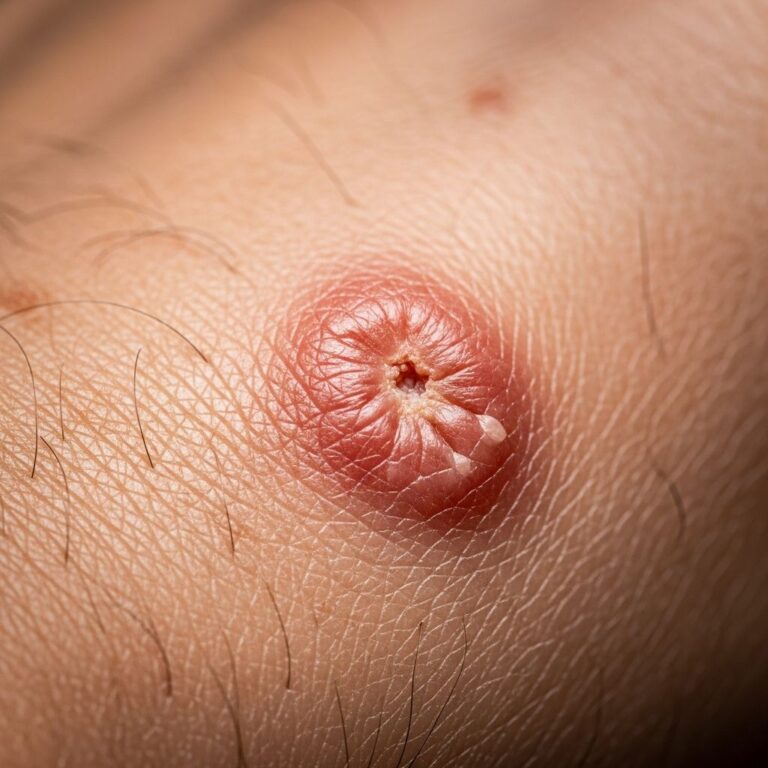
Understanding the Atopic Triad: From Eczema to Allergic Diseases
Explore how atopic dermatitis connects to asthma, allergies, and hay fever in one disease progression.
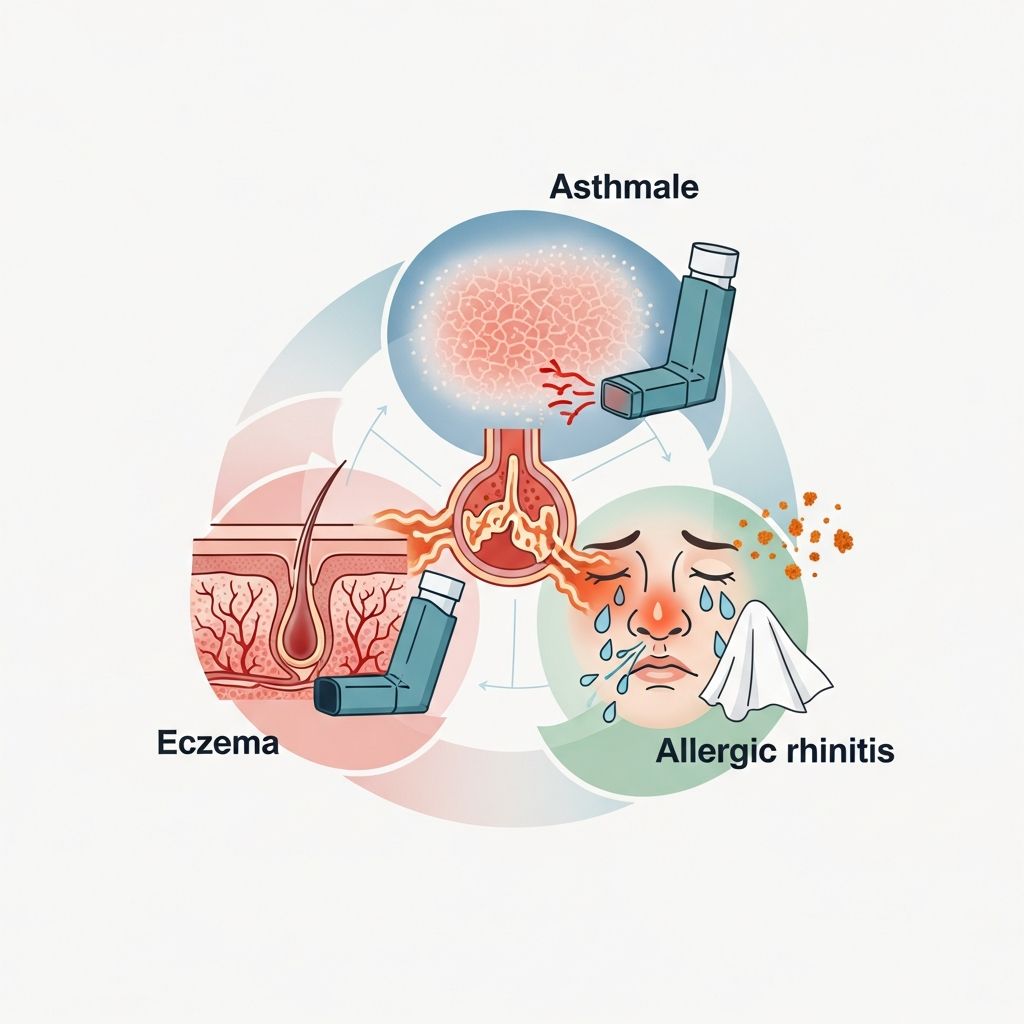
Atopic dermatitis, commonly known as eczema, affects millions of individuals worldwide and represents far more than a simple skin condition. For many patients, particularly those with severe cases, atopic dermatitis serves as a gateway to developing additional allergic and inflammatory diseases. This phenomenon, recognized by medical professionals as a sequential progression of related conditions, reveals how interconnected our immune system’s responses can be. Understanding this relationship provides crucial insights into disease prevention, early intervention, and comprehensive patient care.
The Interconnected Nature of Allergic Conditions
The human immune system operates as an integrated network, and when dysfunction occurs in one area, it often cascades to affect others. Individuals diagnosed with severe atopic dermatitis face significantly elevated risks of developing complementary allergic conditions including food allergies, asthma, and allergic rhinitis (hay fever). This clustering of conditions doesn’t occur randomly; instead, it follows a predictable pattern that dermatologists and allergists have documented extensively in clinical practice and research.
The relationship between these conditions suggests a shared underlying mechanism rooted in immune system dysregulation. Rather than viewing atopic dermatitis, food allergies, asthma, and hay fever as separate entities, modern medicine increasingly recognizes them as manifestations of a broader allergic tendency. This perspective fundamentally changes how clinicians approach diagnosis, treatment planning, and patient education.
How Immune System Dysfunction Triggers the Cascade
The foundation of the atopic disease progression lies in an overactive and misdirected immune response. In individuals predisposed to atopic conditions, the immune system interprets harmless substances as threats and initiates inflammatory reactions designed to combat perceived invaders. This hypervigilant immune behavior, combined with structural and functional defects in the skin barrier, creates the perfect environment for disease development and progression.
When the immune system becomes overactive, it produces excessive inflammatory mediators—chemical messengers that amplify the body’s defensive response. In the context of atopic dermatitis, this inflammation damages the skin barrier, compromising its protective function. The resulting impairment allows moisture to escape and external irritants, allergens, and pathogens to penetrate more easily. This breakdown in skin integrity not only perpetuates eczema but also facilitates sensitization to new allergens through cutaneous routes.
Genetic Predisposition and Environmental Triggers
The development of atopic diseases involves a complex interplay between inherited genetic factors and environmental exposures. Research has identified specific genetic mutations, particularly in the filaggrin gene, that impair the skin’s structural integrity and barrier function. Individuals carrying these mutations possess an inherent vulnerability to skin inflammation and increased allergen penetration.
Beyond genetics, environmental factors play a substantial role in initiating and perpetuating the atopic disease progression. Common environmental triggers include:
- Exposure to irritating fabrics and harsh skincare products
- Fluctuations in temperature and humidity levels
- Contact with common allergens such as dust mites, pet dander, and pollen
- Respiratory irritants including tobacco smoke and air pollution
- Psychological stressors that heighten immune activation
- Microbial colonization, particularly excessive Staphylococcus aureus on the skin
The cumulative effect of genetic susceptibility meeting environmental triggers creates conditions favorable for the initiation and progression of atopic diseases. Understanding this gene-environment interaction helps explain why some individuals develop the full spectrum of atopic conditions while others experience isolated symptoms.
The Progression Pattern: A Temporal Sequence
Clinical observations have established that atopic diseases typically follow a recognizable temporal progression, though not all affected individuals experience every condition. Atopic dermatitis commonly emerges first, often appearing in infancy or early childhood as the initial manifestation of atopic disease. The chronic inflammation and compromised skin barrier associated with eczema create conditions favorable for sensitization to ingested allergens, setting the stage for food allergy development.
Following the establishment of atopic dermatitis and food allergies, many individuals subsequently develop asthma and allergic rhinitis during childhood or adolescence. This sequential pattern reflects the progressive sensitization and immune dysregulation that characterizes the atopic disease spectrum. However, the timing and specific conditions that develop vary considerably between individuals, influenced by genetic factors, environmental exposures, and the intensity of initial allergic responses.
The Skin Barrier: Central to Understanding Disease Progression
The epidermis, comprising multiple cellular layers, serves as the body’s primary defense against environmental insults. In individuals with atopic predisposition, structural abnormalities compromise this barrier’s integrity and functionality. A damaged skin barrier allows increased transepidermal water loss, leaving skin chronically dry and vulnerable to irritation. Simultaneously, this compromised barrier permits enhanced penetration of environmental allergens and microbial pathogens.
The significance of barrier dysfunction extends beyond localized skin symptoms. When the skin barrier fails to function optimally, allergens gain access to deeper skin layers where they encounter immune cells primed to recognize them as threats. This process, known as cutaneous sensitization, initiates allergic responses that can extend beyond the skin. Over time, repeated allergen exposure through the impaired cutaneous barrier may prime the immune system for systemic responses, contributing to the development of food allergies and respiratory allergic diseases.
Mechanisms Linking Skin Inflammation to Systemic Allergies
The connection between localized skin inflammation and systemic allergic diseases involves multiple immunological pathways. When atopic dermatitis becomes active, inflammatory mediators released from skin cells—including cytokines, chemokines, and other signaling molecules—enter the systemic circulation. These inflammatory signals can prime immune cells throughout the body, increasing their reactivity to allergens encountered through alternative routes such as the respiratory tract or digestive system.
Additionally, chronic skin inflammation associated with atopic dermatitis may promote a shift in immune cell differentiation toward the production of allergen-specific immunoglobulin E (IgE) antibodies. IgE antibodies, which mediate allergic responses, bind to high-affinity receptors on mast cells and basophils. When these antibodies encounter their corresponding allergens—whether in food, inhaled particles, or other sources—they trigger rapid mast cell degranulation and the release of histamine and other mediators, manifesting as allergic symptoms.
Food Allergies: The Bridge Between Skin and Systemic Disease
Food allergy development represents a critical juncture in the atopic disease progression. The compromised skin barrier in atopic dermatitis enhances cutaneous sensitization to food allergens, possibly through dietary proteins that penetrate damaged skin during bathing or direct contact. Additionally, individuals with severe atopic dermatitis exhibit alterations in intestinal barrier function and immune regulation that increase susceptibility to oral food allergen sensitization.
Once sensitization to food allergens has occurred, individuals may experience allergic reactions ranging from localized oral symptoms to systemic anaphylaxis. Food allergy frequently coexists with atopic dermatitis and substantially increases the risk of developing additional allergic conditions, perpetuating the disease progression cascade.
Asthma and Respiratory Allergic Disease
Asthma development in individuals with pre-existing atopic dermatitis reflects the systemic nature of the underlying allergic diathesis. The chronic inflammatory state associated with eczema sensitizes the respiratory tract to inhaled allergens, increasing the likelihood of allergic airway responses. Individuals with atopic dermatitis and food allergies face substantially elevated risks of developing asthma compared to those without these conditions.
Respiratory manifestations of atopic disease result from similar immunological mechanisms driving skin inflammation. Inhaled allergens trigger IgE-mediated reactions in the respiratory tract, leading to airway inflammation, bronchoconstriction, and the characteristic symptoms of allergic asthma including coughing, wheezing, and dyspnea.
Allergic Rhinitis: The Final Component
Allergic rhinitis, or hay fever, represents the final frequent manifestation of the atopic disease spectrum. Affecting the nasal mucosa, allergic rhinitis develops through similar mechanisms to asthma, with inhaled allergens triggering IgE-mediated inflammatory responses. Individuals with established atopic dermatitis and food or respiratory allergies face heightened susceptibility to developing hay fever symptoms.
Clinical Implications and Early Intervention Strategies
Understanding the progressive nature of atopic diseases has profound clinical implications for patient management. Early and aggressive treatment of atopic dermatitis may help prevent or delay the development of subsequent allergic conditions. Strategies to optimize skin barrier function, reduce inflammation, and minimize allergen sensitization serve as primary prevention measures.
Healthcare providers should educate patients with atopic dermatitis about the increased risks of developing additional allergic conditions and implement surveillance strategies to identify emerging allergies early. Comprehensive allergy evaluation, including assessment for food allergies and respiratory allergen sensitization, becomes appropriate for all patients with moderate to severe atopic dermatitis.
Therapeutic Approaches for Preventing Disease Progression
Effective management of atopic dermatitis serves as the cornerstone for preventing or limiting disease progression. Treatment modalities include:
- Regular emollient application and optimized skincare routines to restore and maintain barrier function
- Topical corticosteroids and calcineurin inhibitors to reduce cutaneous inflammation
- Systemic immunosuppressive medications for severe cases unresponsive to topical therapy
- Phototherapy utilizing ultraviolet light to suppress cutaneous inflammation
- Biologic medications targeting specific inflammatory pathways
- Allergen avoidance strategies and environmental controls
By controlling atopic dermatitis effectively, clinicians can reduce the inflammatory milieu that promotes sensitization to additional allergens and subsequent development of food allergies, asthma, and allergic rhinitis.
The Role of Early Diagnosis and Family Screening
Given the significant genetic component of atopic diseases, family screening and genetic counseling become valuable tools for identifying at-risk individuals. Children born to parents with atopic diseases face substantially elevated risks of developing these conditions themselves. Early identification of genetic predisposition allows for implementation of preventive measures including enhanced skin care, controlled allergen exposure, and close clinical monitoring.
Living With Multiple Atopic Conditions
Individuals diagnosed with components of the atopic triad face unique management challenges requiring coordinated, multidisciplinary care. Dermatologists, allergists, immunologists, and primary care physicians must collaborate to develop comprehensive treatment strategies addressing all affected systems simultaneously.
Quality of life considerations become paramount for patients managing multiple allergic conditions. Chronic disease burden, medication side effects, dietary restrictions, and psychological impacts of chronic illness necessitate holistic approaches to patient care extending beyond symptom management to encompass mental health support, lifestyle adaptation, and patient education.
References
- Atopic Dermatitis: Causes, Symptoms, Diagnosis — National Eczema Association. Accessed February 2026. https://nationaleczema.org/types-of-eczema/atopic-dermatitis/
- Atopic Dermatitis (Eczema) – Symptoms and Causes — Mayo Clinic. Accessed February 2026. https://www.mayoclinic.org/diseases-conditions/atopic-dermatitis-eczema/symptoms-causes/syc-20353273
Similar Articles








Read full bio of medha deb