Atopy: Understanding Allergic Conditions
Comprehensive guide to atopy, its causes, triggers, and effective treatment options.
Understanding Atopy: A Comprehensive Overview
Atopy is a genetic tendency to develop various types of allergic conditions that often occur together. The term “atopy” comes from the Greek word meaning “out of place,” which accurately describes the condition—it represents your body’s overreaction to environmental substances that shouldn’t trigger a response. Atopy is characterized by an exaggerated IgE-mediated immune response, making it a type I hypersensitivity disorder affecting millions of people worldwide.
People with atopy frequently experience multiple allergic conditions simultaneously. This means if you have one atopic condition, you’re more likely to develop others. Common atopic diseases include asthma, allergic rhinitis (hay fever), atopic dermatitis (eczema), and food allergies. Understanding atopy helps healthcare providers and patients recognize the interconnected nature of these conditions and develop comprehensive treatment strategies.
What Are Atopic Diseases?
Atopic diseases represent a spectrum of allergic conditions that share common underlying mechanisms. The primary atopic conditions include:
- Asthma: A respiratory condition causing airway inflammation and difficulty breathing
- Allergic rhinitis: Nasal allergies triggered by environmental allergens like pollen or dust mites
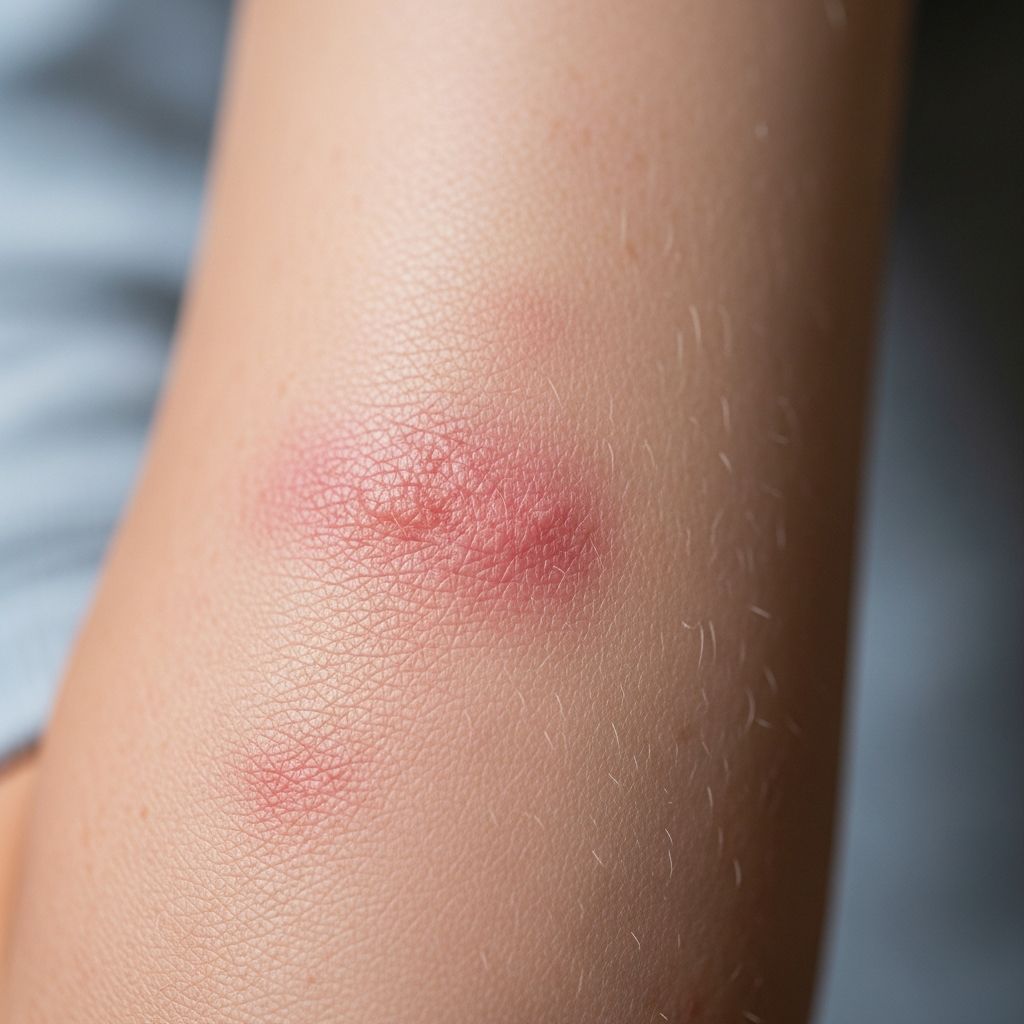
- Atopic dermatitis: Chronic skin inflammation causing dry, itchy rashes
- Food allergies: Immune reactions to specific foods
- Allergic conjunctivitis: Eye inflammation from allergen exposure
- Urticaria: Hives and skin reactions to allergens
These conditions most commonly affect the nose, eyes, skin, and lungs. While they manifest differently, they all stem from similar underlying immunological mechanisms involving IgE antibodies and allergic responses.
The Science Behind Atopy
Understanding IgE Antibodies
Immunoglobulin E (IgE) antibodies play a central role in atopic conditions. These antibodies are normally designed to help protect your body from harmful pathogens and parasites. However, in people with atopy, IgE antibodies become hyperactive and mistakenly identify harmless substances—such as pollen, pet dander, dust mites, or certain foods—as dangerous threats.
When IgE antibodies encounter these allergens, they bind to mast cells and basophils in your tissues. This binding triggers the release of histamine and other inflammatory mediators from intracellular granules. Histamine is the primary chemical responsible for the symptoms you experience during an allergic reaction, facilitating inflammation throughout the body and causing itching, swelling, and other characteristic signs of atopy.
The Role of Genetic Factors
The biggest risk factor for developing atopy is having close family members—such as biological parents or siblings—with atopic conditions. Research indicates that genetic factors significantly influence your susceptibility to atopy. Scientists have identified polymorphisms in several genes associated with atopic disease, including those coding for the high-affinity IgE receptor beta-chain, IL-4 receptor alpha-chain, and various interleukins.
Studies have also shown associations between atopy and specific human leukocyte antigen (HLA) loci, suggesting that your inherited immune system characteristics predispose you to developing allergic conditions. However, genetics alone don’t determine whether you’ll develop atopy—environmental factors also play a crucial role.
Related Stories



Causes and Risk Factors of Atopy
Environmental Triggers
Environmental factors significantly contribute to the development and progression of atopic conditions. Common triggers include:
- Pollen from trees, grasses, and weeds
- Dust mites and their waste products
- Pet dander from cats, dogs, and other animals
- Mold spores
- Certain foods and food additives
- Air pollution and chemical irritants
- Cold air and extreme weather changes
- Stress and emotional factors
- Certain medications
Unlike purely allergic conditions, atopic conditions can be triggered by both allergic and nonallergic causes. This means that even if you successfully avoid all allergens, stress, cold air, or other environmental factors might still trigger your atopic symptoms.
Skin Barrier Dysfunction
Research has revealed that people with atopy often have genetic variants that affect their skin’s ability to maintain a strong protective barrier. This impaired barrier function allows allergens and irritants to penetrate more easily into the skin, triggering inflammation and itching. The weakened barrier also causes the skin to lose moisture more readily, leading to the characteristic dryness associated with atopic dermatitis.
Recognizing Atopy Symptoms
Symptoms of atopic conditions vary depending on which body systems are affected, but common manifestations include:
- Upper respiratory: Rhinorrhea (runny nose), sneezing, and nasal congestion
- Lower respiratory: Wheezing and difficulty breathing
- Skin: Itching, rashes, dry patches, and skin thickening
- Eyes: Itching, redness, and conjunctival swelling
- Gastrointestinal: Stomach upset following food allergen exposure
With chronic atopic conditions, you may develop lichenification—a thickening and hardening of the skin from repeated scratching and inflammation. In severe cases, atopic conditions can progress to anaphylaxis, characterized by stridor, severe wheezing, and dangerously low blood pressure, which requires emergency medical attention.
Diagnosis of Atopic Conditions
Healthcare providers typically don’t diagnose “atopy” itself; instead, they diagnose the specific atopic conditions you’re experiencing. Your provider will evaluate your symptoms through a combination of methods:
- Detailed medical history discussing when symptoms started and what triggers them
- Family history assessment to identify hereditary patterns
- Physical examination of affected skin, eyes, or respiratory passages
- Allergy testing to identify specific allergens (skin prick tests or blood tests)
- In some cases, skin biopsy to examine tissue under a microscope
- Pulmonary function tests if asthma is suspected
Your healthcare provider will look for signs specific to each condition, such as nasal turbinate edema, conjunctival hyperemia, urticaria (hives), or dermatitis patterns. This comprehensive evaluation helps your provider create a targeted treatment plan addressing your specific atopic manifestations.
Treatment Options for Atopy
Medications for Managing Atopic Symptoms
While you cannot cure the underlying genetic tendency toward atopy, various medications effectively manage symptoms:
- Antihistamines: Block histamine receptors, reducing itching, sneezing, and swelling
- Corticosteroids: Reduce inflammation in skin, airways, and nasal passages through topical, oral, or inhaled forms
- Inhalers: Deliver bronchodilators or corticosteroids directly to the lungs for asthma management
- Immunosuppressants: For severe atopic dermatitis cases unresponsive to other treatments
- Biologic therapies: Target specific immune pathways involved in atopic inflammation
Skincare and Preventive Measures
Managing atopic dermatitis involves careful attention to skincare practices. Dermatologists recommend regular moisturizing with fragrance-free creams or ointments to strengthen your skin barrier. Lukewarm baths followed immediately by moisturizer application helps trap moisture in your skin. Avoiding harsh soaps, fragrances, and irritating fabrics reduces flare-ups.
For all atopic conditions, identifying and avoiding known triggers is essential. If you cannot completely avoid triggers, you might take an antihistamine beforehand—for example, before visiting a friend with pets during allergy season.
Preventing Atopic Flare-Ups
While you cannot prevent atopy itself, several strategies help minimize flare-ups:
- Maintain consistent skincare routines with appropriate moisturizers
- Avoid known allergens and irritants
- Use air purifiers to reduce environmental allergens
- Keep humidity levels optimal (between 30-50 percent)
- Manage stress through relaxation techniques, exercise, or counseling
- Wear soft, breathable clothing that doesn’t irritate skin
- Use hypoallergenic pillows and bedding
- Minimize exposure to extreme temperature changes
- Take antihistamines preventively during high allergen seasons
Understanding the Connection Between Atopic Conditions
The tendency to have multiple atopic conditions simultaneously follows a predictable pattern. Think of it like wearing winter accessories—if you’re exposed to cold weather, you’re more likely to wear a hat, coat, and gloves together rather than just one item. Similarly, the genetic and immunological factors that cause one atopic condition increase the likelihood of developing others.
Someone with allergic rhinitis has an increased risk of developing asthma. People with atopic dermatitis frequently experience allergies and hay fever. This interconnection means that managing one condition often requires strategies that address the others, and successful treatment of one atopic condition may improve symptoms of related conditions.
Frequently Asked Questions
Q: Can atopy be cured?
A: No, the genetic tendency toward atopy cannot be cured. However, symptoms of individual atopic conditions can be effectively managed through medications, lifestyle modifications, and trigger avoidance.
Q: Is atopy inherited?
A: Yes, atopy runs in families. Having parents or siblings with atopic conditions significantly increases your likelihood of developing atopy yourself.
Q: What’s the difference between atopy and allergy?
A: Atopy is a genetic tendency to develop allergic conditions, while allergy refers to a specific immune reaction to a particular substance. All atopic reactions are allergic in nature, but not all allergies are part of atopy.
Q: Can children outgrow atopy?
A: Some children’s symptoms improve as they grow older, and some conditions may resolve by school age or puberty. However, atopy can persist into adulthood, and new atopic conditions may develop throughout life.
Q: How do I know which atopic condition I have?
A: A healthcare provider evaluates your symptoms through physical examination, medical history, and appropriate testing. You may have one or multiple atopic conditions affecting different body systems.
References
- Atopy: Disease, Causes, Triggers, Conditions & Treatment — Cleveland Clinic. Accessed December 1, 2025. https://my.clevelandclinic.org/health/diseases/atopy
- Atopic Dermatitis: Symptoms, Causes & Treatment — Cleveland Clinic. Accessed December 1, 2025. https://my.clevelandclinic.org/health/diseases/24299-atopic-dermatitis
- Overview of Allergic and Atopic Disorders — Merck Manuals Professional Edition. Accessed December 1, 2025. https://www.merckmanuals.com/professional/immunology-allergic-disorders/allergic-autoimmune-and-other-hypersensitivity-disorders/overview-of-allergic-and-atopic-disorders
- Atopic Dermatitis (Eczema) — University Hospitals Rainbow Babies & Children’s Hospital. Accessed December 1, 2025. https://www.uhhospitals.org/rainbow/services/pediatric-dermatology/conditions-treatments/atopic-dermatitis-eczema
- Preventing Atopic Dermatitis Flare-Ups — Cleveland Clinic. Accessed December 1, 2025. https://my.clevelandclinic.org/watch/preventing-atopic-dermatitis-flare-ups
Similar Articles








Read full bio of Sneha Tete