Atrial and Ventricular Septal Defects in Children
Understanding congenital heart defects: ASD and VSD diagnosis, treatment, and management in pediatric patients.
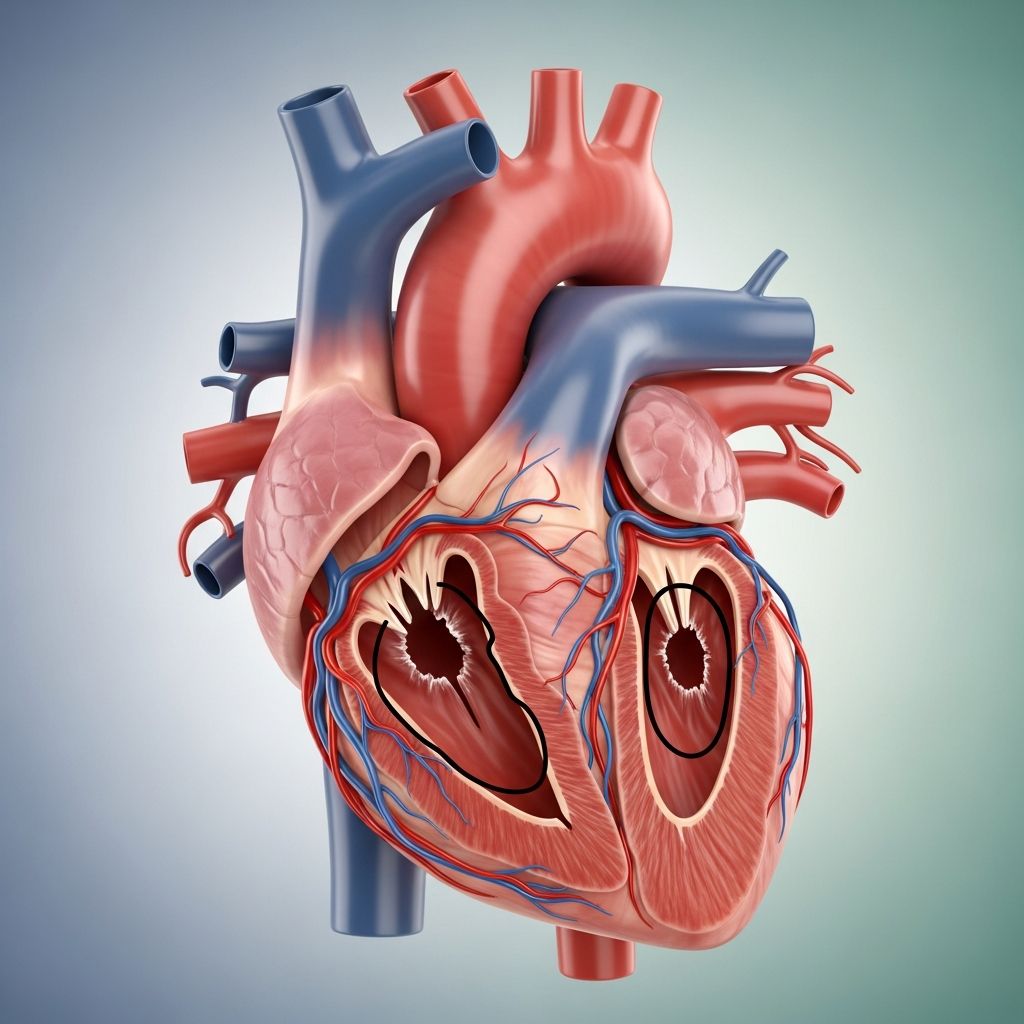
Understanding Atrial and Ventricular Septal Defects in Children
Atrial septal defects (ASD) and ventricular septal defects (VSD) are among the most common congenital heart defects in children. These conditions involve openings or holes in the walls that separate the chambers of the heart, affecting normal blood flow. Understanding these defects, their symptoms, and treatment options is essential for parents and caregivers of affected children.
An atrial septal defect is an opening in the wall (septum) that divides the two upper chambers of the heart, known as the atria. A ventricular septal defect, conversely, is an opening in the wall between the two lower chambers of the heart, called the ventricles. Both conditions can vary significantly in severity, from small holes that may close on their own to larger defects requiring medical intervention.
What Are Septal Defects?
Septal defects occur during fetal development when the heart wall fails to form completely. The heart normally has four chambers: two upper chambers (atria) that receive blood and two lower chambers (ventricles) that pump blood throughout the body. Walls called septa separate these chambers and prevent blood from mixing between the right and left sides of the heart.
When a septal defect is present, blood can flow abnormally between chambers, causing the heart to work harder than it should. The severity of symptoms depends largely on the size of the hole and how much blood is shunting through it. Small defects may cause minimal problems, while large defects can significantly strain the heart and lungs.
Atrial Septal Defects (ASD)
Characteristics and Types
Atrial septal defects are openings in the wall separating the right and left atria. There are several types of ASDs, classified by their location in the atrial septum. The most common type is ostium secundum ASD, accounting for approximately 70% of all ASDs. Other types include ostium primum ASD, sinus venosus ASD, and coronary sinus ASD.
ASDs allow oxygen-rich blood from the lungs to flow back into the right side of the heart instead of going to the rest of the body. This creates a left-to-right shunt, forcing the right side of the heart and lungs to handle increased blood volume.
Symptoms of ASD
Many children with small atrial septal defects have no symptoms at all. The defect may be discovered incidentally during a routine examination when a doctor hears an unusual heart murmur. However, larger ASDs can cause various symptoms, including:
– Shortness of breath, especially during exercise or physical activity
– Fatigue and decreased exercise tolerance
– Heart palpitations or irregular heartbeats
– Swelling in the legs, feet, or abdomen
– Frequent respiratory infections
– Poor growth or failure to thrive in infants
Symptoms may not appear until childhood or even adulthood, as the effects of the increased workload on the heart accumulate over time. Some individuals with ASDs may not experience symptoms until their teenage years or early adulthood.
Related Stories



Ventricular Septal Defects (VSD)
Characteristics and Severity
Ventricular septal defects are the most common congenital heart defect, occurring in approximately 2 out of every 1,000 live births. A VSD is an opening in the wall between the two lower chambers of the heart. Unlike ASDs, which typically allow left-to-right shunting, VSDs can cause significant hemodynamic changes and symptoms even when relatively small.
The severity of a VSD depends on its size and location. Small VSDs, often called restrictive defects, allow minimal blood flow between the ventricles. Large VSDs, known as non-restrictive defects, permit substantial blood movement and place significant strain on the heart and lungs.
Symptoms of VSD
The symptoms of a ventricular septal defect vary based on the size of the opening. Many infants with small VSDs have no symptoms and may only have a heart murmur detected during a physical examination. However, larger VSDs can cause noticeable symptoms, including:
– Fast or labored breathing
– Shortness of breath
– Weakness and fatigue
– Poor feeding and difficulty gaining weight
– Sweating, especially during feeding
– Pale or cyanotic (bluish) skin
– Rapid heart rate
– Enlarged liver
– Frequent respiratory infections
Infants with large VSDs may struggle to feed, tire easily, and fail to gain weight appropriately. These children may appear smaller and less robust than their peers, and parents may notice they tire quickly during normal activities.
Diagnosis of Septal Defects
Initial Evaluation
The diagnostic process for atrial and ventricular septal defects begins with a physical examination. The healthcare provider listens to the heart with a stethoscope, listening for characteristic heart murmurs that suggest abnormal blood flow. A murmur alone does not confirm a diagnosis, as many children have innocent murmurs that require no treatment.
Diagnostic Tests
Several diagnostic tests can confirm the presence and severity of septal defects:
Electrocardiogram (ECG): This test records the electrical activity of the heart and can reveal abnormal rhythms or patterns associated with septal defects. An ECG is quick, painless, and often performed in the office setting.
Chest X-ray: A chest radiograph can show whether the heart is enlarged or if there are signs of increased blood flow to the lungs. It helps assess the overall impact of the defect on heart and lung size.
Echocardiogram: This ultrasound examination of the heart is the gold standard for diagnosing septal defects. It uses sound waves to create detailed images of the heart’s structure and function, allowing physicians to visualize the defect, measure its size, and assess blood flow patterns. A transthoracic echocardiogram is performed through the chest wall, while a transesophageal echocardiogram involves inserting a probe down the esophagus for more detailed images.
Cardiac Catheterization: In some cases, cardiac catheterization may be performed, particularly when detailed hemodynamic information is needed or when treatment via catheter-based intervention is being considered. This procedure involves threading a thin catheter through blood vessels to the heart.
Treatment Options for Septal Defects
Observation and Monitoring
Many small septal defects, particularly small VSDs, may close spontaneously as the child grows. Small ASDs rarely close on their own but may not require treatment if they are not causing symptoms or hemodynamic changes. For these cases, regular follow-up appointments with a pediatric cardiologist are essential to monitor the defect and ensure no complications develop.
During follow-up visits, the cardiologist performs periodic echocardiograms to assess whether the defect is closing and to evaluate the heart’s function. If the defect remains stable and asymptomatic, no intervention may be necessary.
Medical Management
For children with symptomatic septal defects who are not immediately candidates for intervention, medications can help manage symptoms and reduce the workload on the heart. Common medications used include:
– Diuretics to help the body eliminate excess fluid
– ACE inhibitors to lower blood pressure and reduce cardiac workload
– Beta-blockers to regulate heart rate and improve efficiency
– Digoxin to strengthen heart muscle contractions
In infants with large VSDs who are failing to gain weight, special high-calorie formulas or supplemental tube feedings may be necessary to provide adequate nutrition while the heart works harder.
Surgical Repair
Surgical repair is indicated for larger defects or those causing significant symptoms or complications. The goal of surgery is to close the septal opening and restore normal blood flow dynamics. In most cases, surgical repair is performed through open-heart surgery, where the surgeon gains access to the heart and closes the defect using stitches or a specialized patch material.
For ventricular septal defects, early surgical repair before age 2 can prevent permanent damage to the heart and lungs, including the development of Eisenmenger syndrome. The timing of surgery depends on the size of the defect, the presence of symptoms, and the overall health of the child.
Catheter-Based Intervention
In recent years, catheter-based procedures have become an option for certain types of septal defects. During cardiac catheterization, a specialized device called a septal occluder is threaded through blood vessels to the heart. The device is then positioned to close the defect from within the heart, eliminating the need for open-heart surgery.
Catheter-based interventions have several advantages, including shorter recovery times (days to weeks versus weeks to months for surgery), reduced risk of infection, and less postoperative pain. However, not all defects are suitable for this approach, and the procedure should only be performed at specialized centers with experienced personnel.
Potential Complications
Untreated Defects
Without appropriate treatment, septal defects can lead to serious complications. Large untreated VSDs can cause pulmonary hypertension, a condition where high pressure develops in the blood vessels of the lungs. This can lead to Eisenmenger syndrome, where the increased pressure in the lungs forces blood to flow from right to left through the defect, bypassing the lungs and causing cyanosis.
Other potential complications include heart failure, arrhythmias (irregular heartbeats), valve problems, and poor growth and development. Heart failure can develop when the heart cannot pump efficiently enough to meet the body’s demands for oxygen and nutrients.
Endocarditis Risk
Children with septal defects have an increased risk of bacterial endocarditis, an infection of the heart lining. While ASDs carry minimal endocarditis risk, larger VSDs require antibiotic prophylaxis before certain dental procedures or surgical interventions to prevent infection.
Prognosis and Long-Term Outcomes
The prognosis for children with atrial and ventricular septal defects depends on several factors, including the size of the defect, the presence of symptoms, and whether appropriate treatment has been provided. Many children with small defects that close spontaneously or cause no symptoms have excellent long-term outcomes with normal life expectancy and activity levels.
For children who require surgical or catheter-based repair, outcomes are generally very good. Most children recover well from procedures and experience resolution or significant improvement of symptoms. After successful repair, children typically can participate in normal activities, including sports and exercise, without restrictions.
Regular follow-up care with a pediatric cardiologist remains important even after successful repair to monitor for any delayed complications and to assess heart function over time.
Living with Septal Defects
Activity Restrictions
Activity restrictions depend on the severity of the defect and the presence of symptoms. Children with small, asymptomatic defects typically require no activity restrictions and can participate fully in school and sports. Children with larger defects or unrepaired VSDs may have limitations on strenuous exercise until the defect is repaired or symptoms are controlled.
Nutrition and Growth
Infants and young children with large septal defects may require special attention to nutrition. High-calorie formulas, frequent feeding schedules, or supplemental tube feedings may be necessary to ensure adequate growth and development. Close monitoring of weight gain and developmental milestones is important.
Infection Prevention
Children with certain types of septal defects may require antibiotic prophylaxis before dental work or surgical procedures to prevent bacterial endocarditis. Parents should inform all healthcare providers about their child’s heart condition.
Frequently Asked Questions
Q: Can septal defects be detected before birth?
A: Yes, prenatal ultrasound (fetal echocardiography) can detect some septal defects before birth, particularly larger VSDs. However, many small defects may not be visible on prenatal screening.
Q: Will my child need antibiotics before dental work?
A: This depends on the type and size of the defect. Small ASDs typically do not require antibiotic prophylaxis, but larger VSDs may. Your cardiologist will provide specific guidance based on your child’s condition.
Q: Can my child participate in sports?
A: Most children with small septal defects or successfully repaired defects can participate in normal sports and activities. Children with large, unrepaired defects may have restrictions determined by their cardiologist.
Q: What is the success rate of surgical repair?
A: Surgical repair of septal defects has high success rates, typically exceeding 95%. Most children experience resolution of symptoms and normal heart function after successful repair.
Q: Are septal defects hereditary?
A: While most septal defects occur sporadically, there is a slightly increased risk if a parent or sibling has a congenital heart defect. Genetic counseling may be recommended for families with multiple affected members.
Q: How often does my child need cardiac follow-up?
A: Follow-up frequency depends on the type and severity of the defect. Small stable defects may be monitored annually, while larger defects or those being considered for intervention require more frequent visits.
References
- About Ventricular Septal Defect — Centers for Disease Control and Prevention. 2024. https://www.cdc.gov/heart-defects/about/ventricular-septal-defect.html
- Ventricular Septal Defect (VSD) – Diagnosis & Treatment — Mayo Clinic. 2024. https://www.mayoclinic.org/diseases-conditions/ventricular-septal-defect/diagnosis-treatment/drc-20353501
- Pediatric Ventricular Septal Defect (VSD) — Children’s National Hospital. 2024. https://www.childrensnational.org/get-care/health-library/ventricular-septal-defect-vsd
- Ventricular Septal Defect (VSD): Types & Causes — Cleveland Clinic. 2024. https://my.clevelandclinic.org/health/diseases/17615-ventricular-septal-defects-vsd
Similar Articles








Read full bio of Sneha Tete