Attention-Deficit/Hyperactivity Disorder (ADHD) in Adults: Symptoms, Diagnosis & Treatment
Comprehensive guide to understanding adult ADHD, its symptoms, diagnosis, and treatment options.

What Is Adult ADHD?
Attention-Deficit/Hyperactivity Disorder (ADHD) is a neurodevelopmental condition that begins in childhood but may persist into adulthood. While symptoms often start between ages 3 and 6, many adults remain undiagnosed until later in life. ADHD in adults is characterized by difficulties in attention, impulsivity, and sometimes hyperactivity, affecting many aspects of day-to-day functioning.
Common Symptoms of Adult ADHD
Adult ADHD symptoms can be diverse and often manifest differently than in children. They typically fall into two main categories: inattention and hyperactivity/impulsivity. Adults must have at least five symptoms from either domain for diagnosis.
- Inattention: Difficulty sustaining attention, frequent careless mistakes, trouble organizing tasks, losing items, forgetfulness, avoiding tasks that require sustained mental effort.
- Hyperactivity/Impulsivity: Restlessness, difficulty remaining seated, talking excessively, interrupting others, impatience, and acting without thinking.
In adults, hyperactivity may not present as overt physical activity but rather as an inner feeling of restlessness or difficulty relaxing.
Causes and Risk Factors
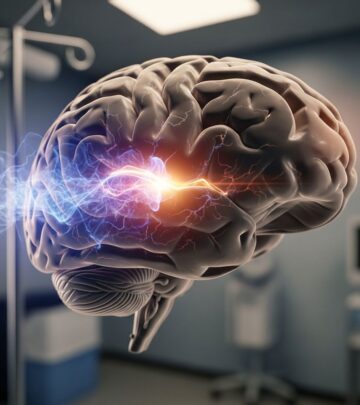
The exact cause of ADHD is not fully understood, but it is believed to involve a combination of genetic, neurobiological, and environmental factors. ADHD tends to run in families, suggesting a hereditary component. Brain imaging studies show differences in the size and activity of certain brain areas involved in attention and impulse control.
How Is Adult ADHD Diagnosed?
Diagnosing ADHD in adults involves a multi-step process to ensure accuracy and rule out other potential causes of symptoms.
Comprehensive Clinical Interview
This initial step involves a detailed exploration of the individual’s developmental history, academic and work performance, social relationships, and current challenges. Clinicians gather information about symptoms during childhood, family medical history, and how ADHD symptoms impact daily life.
Use of Standardized Rating Scales and Questionnaires
Tools such as the Conners’ Adult ADHD Rating Scales (CAARS) and the Adult ADHD Self-Report Scale (ASRS) help quantify symptom severity and frequency. Input from family members or partners may be sought for a comprehensive perspective.
Evaluation for Comorbidities and Other Conditions
Because many other mental health disorders (e.g., anxiety, depression) or physical health issues can mimic or co-occur with ADHD, a thorough assessment includes ruling out these possibilities through physical exams, mental health evaluations, and lab tests where necessary.
Cognitive or Neuropsychological Testing (Optional)
Sometimes, providers recommend objective tests of attention, memory, and processing speed to complement the diagnostic process.
Diagnostic Criteria Check (DSM-5)
Finally, symptoms are compared against the official criteria set out in the Diagnostic and Statistical Manual of Mental Disorders, Fifth Edition (DSM-5). The diagnosis requires symptoms to be present across multiple settings and to interfere with social, academic, or occupational functioning, with some symptoms evident before age 12.
Related Stories



What to Expect During an Adult ADHD Assessment
The assessment can take several hours spread over one or more appointments. Initial steps often include filling out detailed questionnaires at home related to childhood symptoms and current functioning. The evaluation seeks to:
- Identify severity and frequency of symptoms
- Confirm symptom presence in multiple settings such as work and home
- Rule out other psychiatric or medical conditions
- Develop a comprehensive understanding of the individual’s experiences and challenges
Treatment Options for Adult ADHD
Treatment for adult ADHD typically involves a multimodal approach including medication, behavioral therapies, and lifestyle changes.
Medications
Medications are often the cornerstone of treatment and generally improve symptoms effectively. Various classes of medications can be used:
- Stimulants: These are the most commonly prescribed and work by increasing neurotransmitters in the brain to improve concentration and attention.
- Non-stimulants: Used when stimulants are not suitable or cause side effects; these also influence brain chemicals involved in attention.
- Other medications: Sometimes antidepressants or medications targeting co-occurring conditions are used.
Behavioral and Psychotherapy Interventions
Along with medication, behavioral strategies help manage symptoms and improve functioning:
- Cognitive-behavioral therapy (CBT) focuses on changing negative thought patterns and behaviors associated with ADHD.
- Coaching and skills training assist with organization, time management, and goal setting.
- Mindfulness and relaxation techniques may reduce stress and improve focus.
Lifestyle Modifications
- Developing a structured daily routine
- Using reminders, planners, and alerts
- Regular physical activity
- Maintaining a healthy diet and sleep hygiene
- Building a supportive network of friends, family, or support groups
Living with Adult ADHD: Management Strategies
Adults with ADHD often face challenges in work, relationships, and daily responsibilities. Effective management involves:
- Creating routines: Consistency fosters better time management and reduces forgetfulness.
- Breaking tasks into smaller, manageable steps: This helps reduce overwhelm and improves task completion.
- Setting realistic goals: Clear, attainable objectives provide motivation and structure.
- Using organizational tools: Calendars, lists, and technology aid memory and planning.
- Seeking professional support: Therapy, coaching, and medication management optimize functioning.
Frequently Asked Questions (FAQs)
Q: Can ADHD develop in adulthood?
A: ADHD is a developmental disorder that begins in childhood, but it may not be diagnosed until adulthood. Symptoms persist from childhood; new onset ADHD in adulthood without childhood symptoms is not recognized.
Q: How is ADHD different in adults compared to children?
A: Adults tend to exhibit less overt hyperactivity and more issues with inattention, impulsivity, restlessness, and executive functioning challenges.
Q: Are there risks associated with ADHD medications?
A: Medications for ADHD are generally safe when supervised by a healthcare provider but can have side effects like insomnia, appetite changes, or increased heart rate, which should be monitored.
Q: Can lifestyle changes alone effectively manage adult ADHD?
A: While lifestyle adjustments help, most adults benefit from a combination of medication and therapy for optimal symptom control.
Q: Is adult ADHD hereditary?
A: Yes, genetics play a significant role, and family members of those with ADHD are more likely to have the disorder.
References
- Attention-Deficit/Hyperactivity Disorder (ADHD) in Adults — Cleveland Clinic. 2025-01-10. http://my.clevelandclinic.org/health/diseases/5197-attention-deficit-hyperactivity-disorder-adhd-in-adults
- What to Expect During Your ADHD Assessment As an Adult — Prime Internal Medicine Associates. 2025-09-19. https://www.primeinternalmedassociates.com/2025/09/19/what-to-expect-during-your-adhd-assessment-as-an-adult/
- A new paradigm for adult ADHD: A focused strategy to monitor treatment — Cleveland Clinic Journal of Medicine. 2023-07-01. https://www.ccjm.org/content/90/7/413
- ADHD Screening: What To Expect — Cleveland Clinic. 2024-05-20. https://my.clevelandclinic.org/health/diagnostics/24758-adhd-screening
- Adult ADHD: Symptoms, Myths, and Management — PCI Centers. 2025-02-15. https://www.pcicenters.com/adult-adhd-symptoms-myths-management/
Similar Articles








Read full bio of Sneha Tete