ATTR-CM Signs And Symptoms: What You Need To Know
Recognizing the early signs of transthyretin amyloid cardiomyopathy (ATTR-CM) for timely diagnosis and better outcomes.
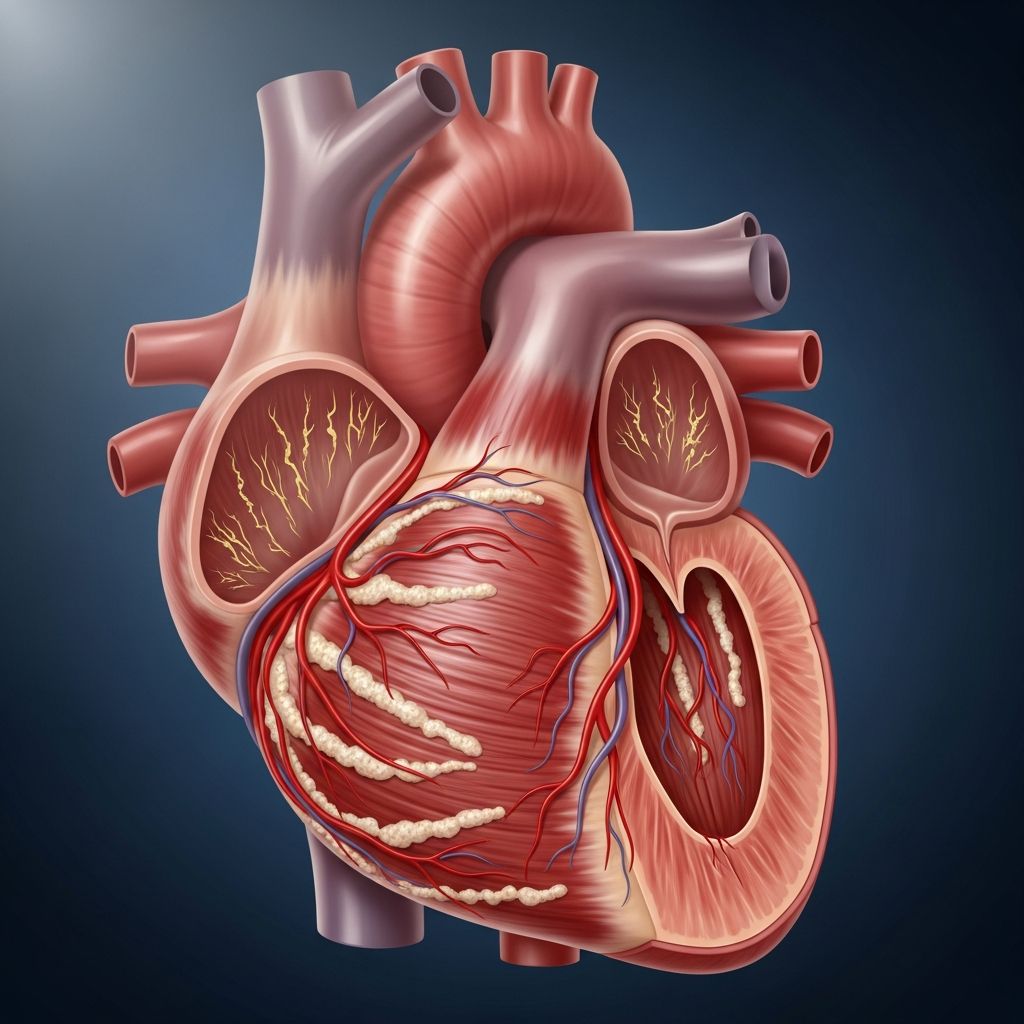
Transthyretin amyloid cardiomyopathy (ATTR-CM) is a progressive heart disease where misfolded transthyretin proteins form amyloid deposits in the heart muscle, causing stiffness and impaired function. Often underdiagnosed, it mimics common heart failure symptoms and primarily affects older adults, especially men.
What Is ATTR-CM?
ATTR-CM, or transthyretin amyloid cardiomyopathy, involves the buildup of abnormal transthyretin (TTR) protein fibrils in the heart walls and valves, leading to a stiff heart muscle that struggles to pump blood effectively. This condition is linked to heart failure with preserved ejection fraction (HFpEF), where the left ventricle has difficulty relaxing and filling between beats.
The disease progresses silently in early stages, often misdiagnosed as hypertension-related heart failure or hypertrophic cardiomyopathy. Without treatment, it can lead to end-stage heart failure and death. Recent awareness has improved detection, but diagnosis delays average years due to nonspecific symptoms.
Types of ATTR-CM
ATTR-CM is classified into two main types based on genetics and presentation:
- Wild-type ATTR-CM (wtATTR-CM): No genetic mutation; age-related, most common in men over 60. Primarily affects the heart but can involve carpal tunnel syndrome, peripheral neuropathy, spinal stenosis, and biceps tendon rupture before cardiac symptoms.
- Hereditary ATTR-CM (hATTR-CM): Caused by TTR gene mutations; familial, can affect heart and nerves (ATTR-PN overlap). Symptoms include numbness or tingling in extremities.
wtATTR-CM accounts for most cases in elderly patients, while hATTR-CM may present earlier with systemic involvement.
Common Signs and Symptoms of ATTR-CM
Symptoms resemble heart failure and vary by stage. Early signs are subtle, progressing to severe limitations. Patients often report a ‘diagnostic odyssey’ with misattribution to aging or other conditions.
Heart Failure-Like Symptoms
These are the most frequent initial complaints:
- Shortness of breath (dyspnea): Occurs with minimal activity or at rest due to blood backing up into lungs from left-sided heart failure.
- Edema (swelling): Fluid buildup in legs, ankles, feet, abdomen, or liver from right-sided failure. Sudden weight gain is common.
- Coughing or wheezing: Especially when lying down (orthopnea), following dyspnea onset.
- Fatigue and weakness: Intolerance to activity, inability to exercise; top challenges for ATTR-CM patients.
- Palpitations and arrhythmias: Increased heart rate, irregular rhythms like atrial fibrillation (AFib) in 40-60% at diagnosis. AFib raises stroke risk.
Advanced or Systemic Symptoms
- Abdominal bloating: From fluid or digestive issues.
- Confusion or cognitive issues: Due to poor cardiac output.
- Insomnia: Reported as highly challenging.
Non-Cardiac “Red Flag” Symptoms
These often precede heart symptoms, especially in wtATTR-CM, aiding early suspicion:
- Carpal tunnel syndrome (CTS): Bilateral wrist pain, weakness; affects ~50% before diagnosis. Risk of amyloidosis is 3x higher.
- Spinal stenosis: Lumbar narrowing from TTR deposits in ligaments; causes back/leg pain, numbness, weakness. Early warning sign.
- Biceps tendon rupture: Occurs in 1/3 of wtATTR-CM cases; spontaneous tear due to amyloid-weakened tendons.
- Peripheral neuropathy: Numbness, tingling, pain in hands/feet (hATTR-CM); autonomic type affects digestion, heart rate.
Related Stories



| Symptom Category | Early Indicators | Late/Progressive |
|---|---|---|
| Cardiac | Shortness of breath, mild edema | AFib, severe fatigue, end-stage HF |
| Systemic | Carpal tunnel, spinal stenosis | Neuropathy, tendon rupture, confusion |
Why ATTR-CM Is Often Misdiagnosed
Symptoms overlap with common conditions like HFpEF, hypertension, or aging. Patients endure long diagnostic delays, suboptimal care, and stress. Families report high caregiver burden, anxiety.
Expert consensus guidelines highlight symptom patterns: bilateral CTS + HF symptoms or spinal stenosis in elderly men should prompt ATTR-CM testing.
How Is ATTR-CM Diagnosed?
Suspicion arises from symptoms plus ECG/echocardiogram showing thick heart walls. Confirmation requires:
- Imaging: Cardiac MRI, bone-avid nuclear scintigraphy (e.g., Tc-PYP scan) for amyloid uptake.
- Biopsy: Heart, fat pad, or affected organ to detect amyloid.
- Genetic testing: To distinguish wt vs. hATTR.
Early diagnosis enables treatments like tafamidis, stabilizing TTR and slowing progression.
Risk Factors and Who Should Be Screened
- Men over 60 with unexplained HFpEF.
- History of bilateral CTS, spinal stenosis, tendon rupture.
- Family history of amyloidosis (hATTR).
- African ancestry (V122I mutation in 3-4%).
Living with ATTR-CM: Patient Experiences
Patients describe profound impacts: reduced quality of life, mobility loss, mental health strain (anxiety, depression). ATTR-CM patients cite activity intolerance and fatigue as most burdensome; families face high stress.
Treatment and support improve outcomes, emphasizing multidisciplinary care.
Frequently Asked Questions (FAQs)
What are the first signs of ATTR-CM?
Shortness of breath with activity or rest, often followed by leg swelling and fatigue.
Is carpal tunnel a sign of ATTR-CM?
Yes, bilateral carpal tunnel, especially in older men, is a common early red flag preceding heart symptoms by years.
How does ATTR-CM differ from regular heart failure?
ATTR-CM causes restrictive cardiomyopathy with preserved ejection fraction but stiff ventricles, plus extracardiac signs like neuropathy.
Can ATTR-CM be hereditary?
Yes, hATTR-CM from TTR mutations; wtATTR-CM is age-related without family history.
What should I do if I suspect ATTR-CM?
Discuss symptoms with a cardiologist; request echo, scintigraphy, or referral to amyloid specialist for testing.
Early detection via symptom awareness can lead to stabilizing therapies, improving survival and quality of life.
References
- Transthyretin Amyloid Cardiomyopathy (ATTR-CM) — American Heart Association. 2024. https://www.heart.org/en/health-topics/cardiomyopathy/what-is-cardiomyopathy-in-adults/transthyretin-amyloid-cardiomyopathy-attr-cm
- 6 ATTR-CM Signs and Symptoms To Watch For — MyAmyloidosisTeam. 2024. https://www.myamyloidosisteam.com/resources/attr-cm-signs-and-symptoms-to-watch-for
- What Is ATTR-CM? – Discover The Symptoms, Causes & More — ATTRuby. 2024. https://attruby.com/what-is-attr-cardiac-amyloidosis
- Patient and family experience with transthyretin amyloid cardiomyopathy and polyneuropathy — National Library of Medicine (PMC). 2021-02-10. https://pmc.ncbi.nlm.nih.gov/articles/PMC7869246/
Similar Articles








Read full bio of Sneha Tete