Atypical Ductal Hyperplasia: Understanding Risks and Management
Learn about atypical ductal hyperplasia, its role as a breast cancer risk factor, and management strategies.
Understanding Atypical Ductal Hyperplasia
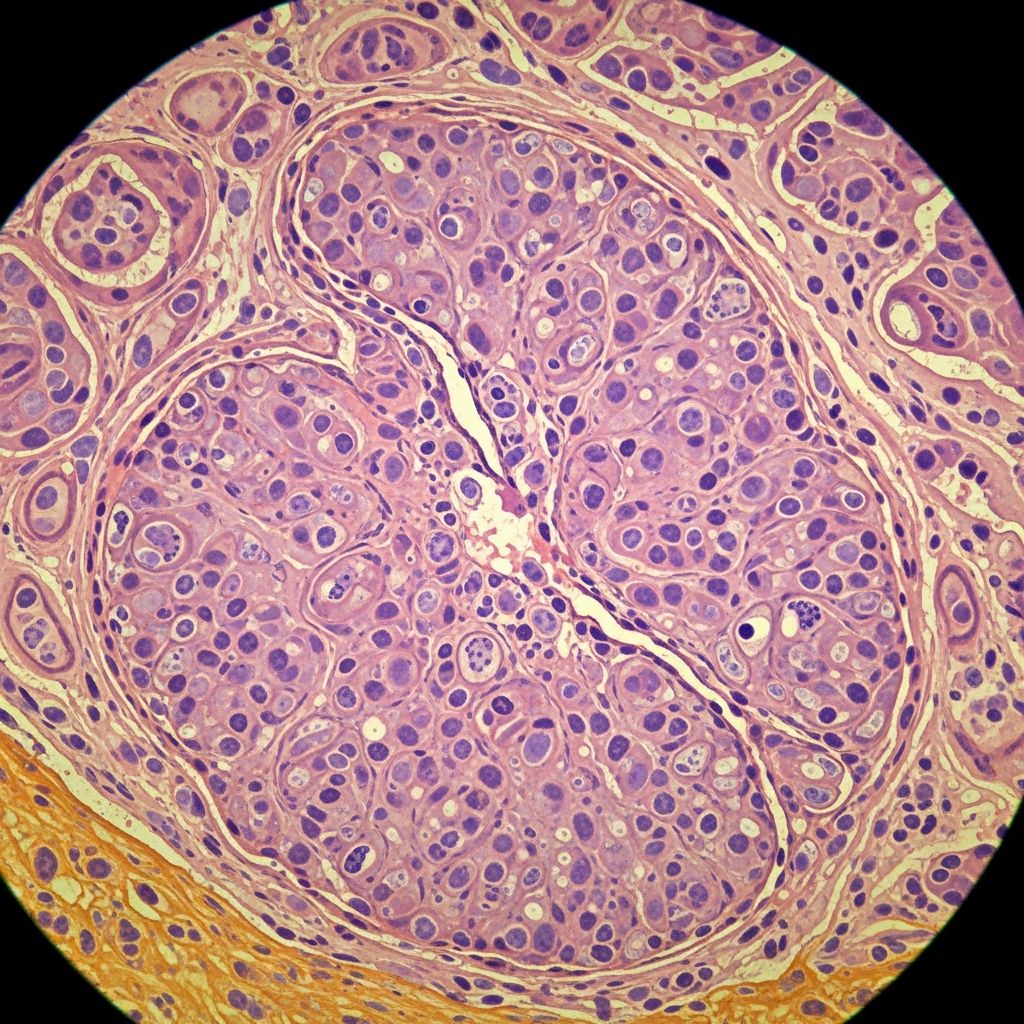
Atypical ductal hyperplasia, commonly referred to as ADH, is a benign breast condition characterized by the abnormal growth of cells within the milk ducts of the breast. While ADH itself is not cancer, it represents an important marker of increased breast cancer risk. When cells in the milk ducts begin to grow abnormally and appear disorganized or overgrown in a multi-layered pattern, pathologists identify this condition during breast biopsy examinations. Understanding ADH is crucial for patients and healthcare providers alike, as it requires specific monitoring and management strategies to identify any progression to more serious conditions.
The diagnosis of ADH typically occurs unexpectedly during routine breast imaging or evaluation for other breast concerns. Many patients are surprised to learn they have this condition, particularly when they had no symptoms or concerns prior to imaging. The key distinction that healthcare providers emphasize is that ADH is not cancer, but rather a precancerous or high-risk condition that warrants careful attention and follow-up care.
What Are the Characteristics of Atypical Ductal Hyperplasia?
Atypical ductal hyperplasia is characterized by specific cellular features that distinguish it from normal breast tissue. The cells present in ADH are noncancerous (benign), but they display architectural and cytologic features that resemble ductal carcinoma in situ (DCIS), which is an early-stage breast cancer classified as Stage 0. The cells in ADH demonstrate multi-layered growth patterns and lack the organized alignment seen in normal ductal epithelium.
The pathological hallmark of ADH includes:
– Disorganized or overgrown epithelial cells within breast ducts- Multi-layer cellular arrangements lacking normal organization- Cytologic atypia with irregular nuclear features- Architectural patterns that partially resemble early-stage carcinoma- Benign nature despite concerning microscopic appearance
Pathologists must carefully examine tissue samples to distinguish ADH from DCIS, as this differentiation carries significant clinical implications. The presence of these atypical features is what triggers the increased surveillance and preventive measures that form the foundation of ADH management.
How Common Is Atypical Ductal Hyperplasia?
Atypical ductal hyperplasia is identified in a notable proportion of breast biopsies, appearing in approximately 5% to 20% of all breast biopsies performed. This frequency underscores the importance of understanding this condition, as many patients undergoing breast biopsy procedures will receive this diagnosis. The prevalence of ADH among biopsied patients indicates that it is a relatively common finding in clinical practice, making it essential for both healthcare providers and patients to be well-informed about its implications and management.
Understanding Breast Cancer Risk with Atypical Ductal Hyperplasia
The most significant aspect of an ADH diagnosis is the associated increased risk of developing breast cancer. Research has consistently demonstrated that individuals with atypical ductal hyperplasia have a substantially elevated risk compared to the general population. People diagnosed with ADH may be up to four times more likely to develop breast cancer compared to those without this condition. This four-fold increase represents one of the most important clinical considerations in ADH management.
The actual breast cancer risk for individuals with ADH ranges from 20% to 30% depending on several factors, including the types of irregular cells identified by the pathologist and other personal risk factors such as genetics or family history of breast cancer. It is crucial to understand that this risk is not immediate or certain; rather, it represents an elevated probability over time that warrants enhanced monitoring and preventive strategies.
Related Stories



Important considerations regarding cancer risk with ADH include:
– Risk increases gradually over time following initial diagnosis- The ipsilateral breast (the breast where ADH was found) carries especially high risk in the first five years after diagnosis- Risk remains elevated in both breasts long-term- Individual risk varies based on pathological findings and personal factors- Additional risk factors can compound the baseline increased risk associated with ADH
Risk Factors Associated with Atypical Ductal Hyperplasia
Risk factors for developing atypical ductal hyperplasia are similar to those associated with breast cancer development in general. However, it is important to note that many people develop breast cancer without any identifiable risk factors, just as many individuals with risk factors never develop breast cancer. Nevertheless, understanding these risk factors helps healthcare providers and patients assess overall risk and make informed decisions about preventive measures.
Common risk factors for ADH include age, family history of breast cancer, personal history of breast cancer, hormonal factors, lifestyle considerations, and genetic predispositions. Individuals with strong family histories of breast cancer or known genetic mutations associated with increased cancer risk face compounded risk when ADH is also present. These individuals may be candidates for more aggressive monitoring or preventive interventions than those with ADH alone and no additional risk factors.
Diagnosis of Atypical Ductal Hyperplasia
Atypical ductal hyperplasia is diagnosed through breast biopsy, typically following detection of abnormalities on mammogram, ultrasound, or clinical examination. The diagnostic process begins when imaging studies reveal suspicious findings or when a patient reports concerning symptoms. A pathologist examines the tissue sample obtained during biopsy and identifies the characteristic features of ADH through microscopic analysis.
The diagnostic pathway typically involves:
– Initial imaging study (mammogram, ultrasound, or MRI) showing abnormality- Clinical correlation and assessment by radiologist- Recommendation for biopsy- Tissue sampling via needle biopsy or excisional biopsy- Pathological examination and diagnosis- Communication of results and discussion of management options
Upon receiving an ADH diagnosis from breast biopsy, it is critical to understand that this does not constitute a cancer diagnosis. The cells identified are benign, though they share some concerning features with early-stage cancer. The diagnosis serves as a marker for increased cancer risk requiring enhanced surveillance and potentially preventive interventions.
Treatment and Management Approaches
The management of atypical ductal hyperplasia is multifaceted and tailored to individual patient circumstances. Treatment typically involves both surgical intervention and enhanced surveillance strategies, with some patients considered for preventive medication therapy.
Surgical Management
The primary surgical treatment for ADH is an excisional biopsy, which involves surgical removal of the entire area of tissue containing atypical cells plus the surrounding tissue margins. This procedure serves two important purposes: it removes the tissue with atypical findings and provides additional tissue for examination to ensure no more serious lesions are present. During surgery to remove ADH, pathologists find precancerous or cancerous cells in up to 20% of cases, highlighting the importance of complete surgical evaluation.
After excisional biopsy, if pathology confirms ADH without evidence of more advanced disease, additional treatment may not be necessary. However, your healthcare provider will typically recommend enhanced breast cancer screening protocols regardless of surgical findings.
Enhanced Screening and Surveillance
Following an ADH diagnosis, healthcare providers usually recommend more frequent breast cancer screenings than standard guidelines recommend for average-risk individuals. Enhanced surveillance protocols typically include:
– Annual mammograms- Periodic breast ultrasounds- Breast MRI (magnetic resonance imaging) in select cases- Regular clinical breast examinations- Self-awareness and reporting of any new breast changes
Regular imaging surveillance allows for early detection of any progression to more advanced disease. The goal of this intensive monitoring is to identify any development of breast cancer at the earliest, most treatable stage possible.
Preventive Medication Therapy
For individuals with ADH and elevated cancer risk, healthcare providers may recommend preventive medication therapy. These medications, known as hormone blockers, help reduce the risk of developing estrogen receptor-positive breast cancer. Patients may benefit from a five-year course of these preventive medications, with protective effects potentially lasting up to 15 years after completing therapy.
These medications work by blocking estrogen and decreasing the risk of estrogen receptor-positive invasive breast cancer development. Common preventive options include tamoxifen and aromatase inhibitors. The decision to use preventive medications should be made jointly between patients and their healthcare providers, considering individual risk factors, side effect profiles, and patient preferences.
Lifestyle Modifications
While not a substitute for medical management, lifestyle modifications may help reduce overall breast cancer risk. Recommendations typically include maintaining healthy body weight, limiting alcohol consumption, avoiding hormone replacement therapy when possible, engaging in regular physical activity, and considering breastfeeding if applicable. These measures support overall health and may contribute to reducing cancer risk in conjunction with medical interventions.
Special Considerations for High-Risk Individuals
Certain individuals with atypical ductal hyperplasia may face particularly elevated cancer risk and warrant consideration of more aggressive management strategies. Patients with ADH combined with very strong family histories of breast cancer, known genetic mutations (such as BRCA1 or BRCA2), or personal history of breast cancer may be candidates for more intensive interventions.
In these high-risk scenarios, some patients may consider bilateral mastectomy (removal of both breasts) as a preventive measure. However, it is important to note that bilateral mastectomy is not standard or routinely recommended for ADH patients. This procedure is typically reserved only for those with exceptionally high risk when other management strategies are deemed insufficient. Any consideration of bilateral mastectomy requires extensive discussion between patients and their healthcare team, including surgical, medical, and genetic counseling perspectives.
Important Questions to Ask Your Healthcare Provider
Q: Does having atypical ductal hyperplasia mean I have breast cancer?
No, ADH is not cancer. It is a benign condition that increases your risk of developing breast cancer in the future. Many people with ADH never develop breast cancer during their lifetime.
Q: How much does ADH increase my breast cancer risk?
People with ADH have approximately a four-fold increased risk of breast cancer compared to those without ADH. Depending on specific pathological findings and other risk factors, your personal risk may range from 20% to 30%.
Q: Do I need an excisional biopsy after being diagnosed with ADH on needle biopsy?
Your healthcare provider will determine whether excisional biopsy is necessary. This surgical procedure helps ensure no more serious lesions are present in the area of concern. Approximately 15% of patients diagnosed with ADH on needle biopsy are upgraded to DCIS or invasive breast cancer after excisional biopsy.
Q: What screening should I have after an ADH diagnosis?
Most healthcare providers recommend annual mammograms and regular clinical breast examinations. Some patients may also benefit from supplemental ultrasound or MRI. Your provider will recommend the screening schedule appropriate for your specific situation.
Q: Should I take preventive medications for ADH?
The decision to use preventive medications depends on your individual risk factors, medical history, and preferences. Discuss the benefits and potential side effects of hormone-blocking medications with your healthcare provider to determine if this option is right for you.
Q: How often will I need follow-up imaging?
Most healthcare providers recommend annual screening imaging for patients with ADH. However, your provider may recommend more or less frequent screening based on your individual risk factors and clinical situation.
Q: Can ADH be cured?
ADH itself is managed rather than cured. The goal of treatment is to remove the tissue containing atypical cells and implement surveillance to detect any development of breast cancer at the earliest stage.
Living with Atypical Ductal Hyperplasia
An ADH diagnosis requires adjustment in how you approach breast health, but it does not mean you will definitely develop breast cancer. The key to managing ADH is adherence to recommended screening protocols, open communication with your healthcare provider, and taking an active role in your health decisions. Regular follow-up appointments and imaging studies provide reassurance and allow for early detection if cancer does develop.
It is important to maintain realistic perspective: many people live their entire lives with ADH and never develop breast cancer. At the same time, the increased risk associated with ADH justifies the enhanced surveillance and preventive strategies recommended by your healthcare team. Your provider can help you understand your individual risk profile and develop a personalized management plan aligned with your preferences and circumstances.
References
- Atypical Ductal Hyperplasia: Breast, Symptoms & Treatment — Cleveland Clinic. 2024. https://my.clevelandclinic.org/health/diseases/16242-atypical-ductal-hyperplasia
- Borderline Atypical Ductal Hyperplasia/Low-grade Ductal Carcinoma In Situ — National Institutes of Health, National Center for Biotechnology Information. 2014. https://pmc.ncbi.nlm.nih.gov/articles/PMC3991135/
- Atypical Ductal Hyperplasia (ADH): Breast Cancer Risk Factor — Educational Video Content. https://www.youtube.com/watch?v=ZZcQE7evqsc
- Types of Breast Cancer — Johns Hopkins Pathology. https://pathology.jhu.edu/breast/types-of-breast-cancer
- Understanding the Premalignant Potential of Atypical Hyperplasia — Johns Hopkins University. https://pure.johnshopkins.edu/en/publications/understanding-the-premalignant-potential-of-atypical-hyperplasia-
Similar Articles








Read full bio of medha deb