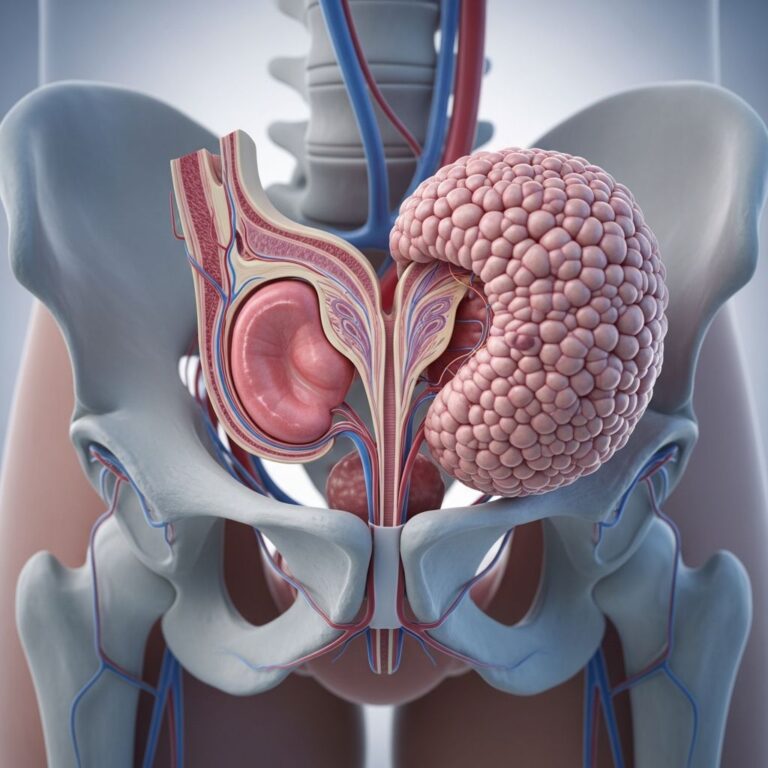
Atypical Endometrial Hyperplasia: Causes, Symptoms & Treatment
Understanding atypical endometrial hyperplasia: causes, diagnosis, and effective treatment options for women's health.
Atypical Endometrial Hyperplasia: A Comprehensive Overview
Atypical endometrial hyperplasia is a precancerous condition characterized by abnormal proliferation of cells in the endometrium, the innermost lining of the uterus. This condition represents a significant health concern as it carries the potential to progress to endometrial cancer if left untreated. Understanding the nature of this condition, its risk factors, symptoms, and available treatment options is essential for women and healthcare providers alike.
The endometrium normally undergoes cyclical changes throughout a woman’s menstrual cycle, thickening in preparation for potential pregnancy and shedding during menstruation. However, when hormonal imbalances occur, particularly prolonged exposure to estrogen without adequate progesterone, the endometrial glands can proliferate abnormally, leading to hyperplasia. Atypical endometrial hyperplasia specifically involves the development of abnormal cells within these glands, making it distinct from non-atypical hyperplasia and positioning it as a precursor to malignancy.
Understanding Atypical Endometrial Hyperplasia
What is Atypical Endometrial Hyperplasia?
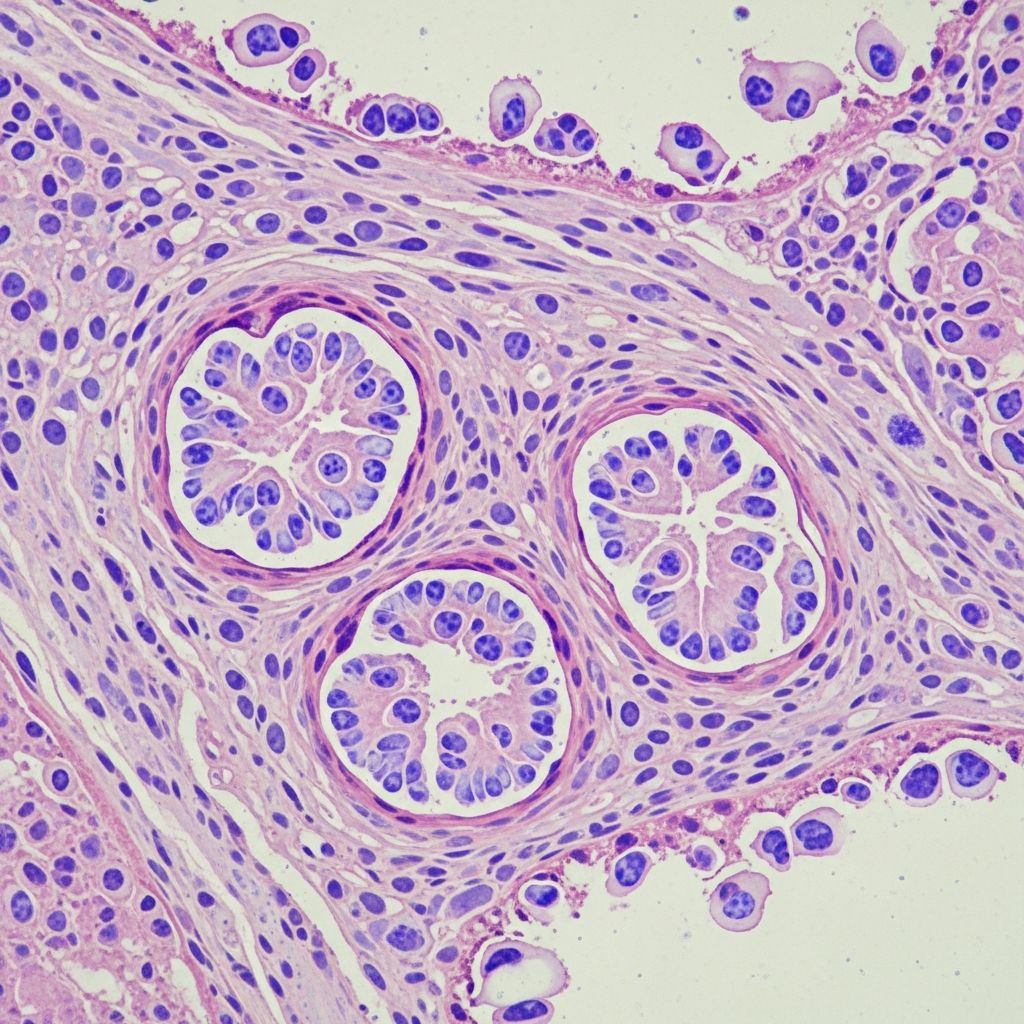
Atypical endometrial hyperplasia, also known as endometrial intraepithelial neoplasia, occurs when cells in the uterine lining begin to look and act abnormally. The condition is characterized by an increased gland-to-stroma ratio, with abnormal cells crowding together and forming densely packed glandular structures. Unlike benign hyperplasia, the atypical variant features cells that demonstrate nuclear enlargement, increased mitotic activity, and loss of normal cellular architecture. These abnormal cells represent a critical step in the progression toward endometrial cancer, making early detection and intervention crucial.
Distinction from Other Hyperplasias
It is important to distinguish atypical endometrial hyperplasia from non-atypical forms. Non-atypical hyperplasia lacks the abnormal cellular characteristics and carries a significantly lower risk of malignant transformation. Approximately 80 percent of non-atypical hyperplasia cases may spontaneously regress without treatment, whereas atypical hyperplasia requires active management due to its higher malignant potential.
Risk Factors and Causes
Hormonal Imbalances
The primary cause of atypical endometrial hyperplasia is prolonged exposure to unopposed estrogen—estrogen without adequate progesterone to balance its effects. This hormonal imbalance stimulates excessive endometrial cell proliferation and prevents the normal protective effects of progesterone, which typically limits endometrial growth.
Key Risk Factors
Several factors increase the likelihood of developing atypical endometrial hyperplasia:
- Age: The condition typically occurs in women either in transition to or who have completed menopause, with increased incidence in perimenopausal and postmenopausal women.
- Obesity: Excess adipose tissue produces estrogen, increasing systemic estrogen levels and uterine exposure.
- Metabolic disorders: Conditions such as polycystic ovary syndrome (PCOS) and insulin resistance contribute to hormonal imbalances.
- Tamoxifen use: This breast cancer medication, while protective against breast malignancy, carries estrogenic effects on the endometrium.
- Unopposed hormone replacement therapy: Estrogen-only hormone therapy without progestin increases endometrial proliferation.
- Nulliparity: Never having been pregnant is associated with increased risk.
- Family history: A personal or family history of endometrial or related cancers increases risk.
Related Stories



Symptoms and Clinical Presentation
Common Symptoms
The primary symptom of atypical endometrial hyperplasia is abnormal uterine bleeding, which can manifest in several patterns. Premenopausal women may experience heavy menstrual periods, prolonged menstruation lasting longer than seven days, or frequent periods occurring more often than every 21 days. Postmenopausal women typically present with postmenopausal bleeding, any vaginal bleeding occurring after 12 months of amenorrhea. Some patients may also experience vaginal discharge or spotting between periods.
Importance of Symptom Recognition
Any abnormal uterine bleeding warrants evaluation, particularly in women over 45 years of age or those with a history of unopposed estrogen exposure. Early recognition and investigation of these symptoms can facilitate timely diagnosis and treatment initiation before progression occurs.
Diagnosis and Screening
Diagnostic Process
Accurate diagnosis of atypical endometrial hyperplasia requires a multifaceted approach combining clinical assessment, imaging, and histological examination. The diagnostic pathway typically begins with identifying patients at risk through careful clinical evaluation and symptom assessment.
Imaging Studies
Transvaginal Ultrasound: This is typically the first imaging modality used to evaluate the endometrium. It provides detailed visualization of the endometrial thickness and appearance. After menopause, the endometrium should typically be less than 5 mm thick. Thickened endometrium warrants further investigation. Transvaginal ultrasound can also identify other endometrial abnormalities such as polyps or fibroids.
Magnetic Resonance Imaging (MRI): MRI may be used as an adjunct imaging technique, particularly in complex cases or when additional characterization is needed.
Endometrial Biopsy: The Gold Standard
Endometrial biopsy remains the gold standard for diagnosing atypical endometrial hyperplasia. This procedure involves obtaining tissue samples from the endometrium, typically through a minimally invasive office-based approach. A pathologist then examines these samples under microscopy to identify the presence and degree of cellular atypia. The biopsy not only confirms the diagnosis but also allows for classification of the hyperplasia type and degree of atypia, which is essential for treatment planning.
Clinical Guidelines for Evaluation
According to American College of Obstetricians and Gynecologists (ACOG) guidelines, women with abnormal uterine bleeding should be evaluated for endometrial cancer if they are older than 45 years or have a history of unopposed estrogen exposure. Women with irregular menstrual bleeding while receiving tamoxifen warrant pelvic ultrasound and endometrial biopsy to exclude endometrial pathology.
Treatment Options
Treatment Approach Based on Fertility Desires
Treatment selection for atypical endometrial hyperplasia depends on multiple factors, including the patient’s age, desire for future childbearing, severity of the condition, and overall health status. A multidisciplinary approach involving gynecologists, oncologists, radiologists, and pathologists ensures comprehensive and individualized treatment planning.
Medical Management for Fertility Preservation
Progestin Therapy: For premenopausal women desiring to preserve fertility or those not suitable candidates for surgery, progestin-based therapies are primary options. Continuous progestin-based systemic therapies such as megestrol and medroxyprogesterone acetate work by counteracting unopposed estrogen effects and promoting endometrial regression.
Levonorgestrel Intrauterine Device (LNG-IUD): The 52-mg levonorgestrel IUD represents an effective localized therapy for managing atypical endometrial hyperplasia while preserving fertility. This device delivers progestin directly to the endometrium, minimizing systemic absorption and side effects. The LNG-IUD can be considered for 12 to 24 months with ongoing endometrial surveillance and monitoring of menstrual symptoms. Patients should undergo endometrial biopsies at least every three months until two consecutive negative biopsies are obtained to document response to therapy.
Surgical Management
Dilation and Curettage (D&C): D&C with hysteroscopy allows direct visualization and removal of abnormal endometrial tissue. This procedure can be combined with polypectomy when polyps are present. While D&C can provide immediate tissue removal, it is often used in combination with medical therapy to optimize outcomes and prevent recurrence.
Hysterectomy: Total hysterectomy, involving removal of the uterus and cervix, represents the definitive treatment and is the preferred approach for women who have completed childbearing or those with severe atypical hyperplasia. Hysterectomy eliminates the diseased tissue completely and provides the lowest recurrence risk. This procedure is particularly recommended for postmenopausal women with atypical findings or premenopausal women with severe atypia or completed childbearing.
Special Considerations: Tamoxifen-Associated Hyperplasia
Women receiving tamoxifen for breast cancer prevention or treatment require special attention. If endometrial hyperplasia develops during tamoxifen therapy, the medication should be discontinued. Short-term use of an LNG-IUD is an option to manage the hyperplasia in women desiring continued fertility protection. After hyperplasia resolution, tamoxifen can be restarted with barrier contraception if the benefits for breast cancer prevention outweigh the endometrial risks.
Prognosis and Follow-up
Spontaneous Regression Rates
A significant proportion of patients with atypical endometrial hyperplasia may spontaneously regress without treatment; however, the exact percentage varies and active management is strongly recommended. Regular monitoring and surveillance are crucial even when regression occurs, as the malignant potential remains.
Regular Monitoring Protocol
Patients undergoing medical management require rigorous follow-up care. Current clinical guidelines recommend endometrial biopsies at least every three months until two consecutive negative biopsies are obtained. This protocol ensures early detection of treatment failure or progression and guides adjustments to therapy as needed. Ongoing monitoring of menstrual symptoms and any abnormal bleeding is essential.
Emerging Treatments
Research continues to explore adjunct therapies to enhance treatment efficacy. These include GnRH analogs, metformin, and hysteroscopic resection combined with progestins. These emerging approaches may provide additional options for patients not responding adequately to conventional therapies.
Frequently Asked Questions
Q: Can atypical endometrial hyperplasia become cancer?
A: Yes, untreated atypical endometrial hyperplasia can progress to endometrial cancer. The condition is considered precancerous, making prompt diagnosis and treatment essential for prevention.
Q: What is the recommended treatment if I want to have children?
A: For women desiring fertility preservation, progestin therapy or a levonorgestrel IUD are primary options. These treatments counteract the effects of unopposed estrogen while maintaining the uterus for future pregnancy. Regular monitoring with endometrial biopsies is necessary to assess treatment response.
Q: How often should I have follow-up appointments?
A: Follow-up schedules depend on your treatment plan. If receiving medical management, endometrial biopsies are recommended at least every three months until two consecutive negative biopsies are obtained. Your healthcare provider will establish a personalized follow-up schedule based on your specific situation.
Q: Can atypical endometrial hyperplasia recur after treatment?
A: Yes, recurrence is possible, particularly with medical management. Hysterectomy offers the most definitive solution with virtually no recurrence risk. However, long-term surveillance remains important for patients choosing medical management.
Q: What should I do if I have abnormal bleeding?
A: Any abnormal uterine bleeding, especially postmenopausal bleeding or unusually heavy periods, warrants evaluation by a healthcare provider. Prompt investigation can lead to early diagnosis and appropriate treatment initiation.
References
- Atypical hyperplasia of the breast: Clinical cases and management — Cleveland Clinic Journal of Medicine. 2024. https://www.ccjm.org/content/90/7/423
- Endometrial Hyperplasia Clinical Update — Consultant360. 2024. https://www.consultant360.com/clinical-updates/endometrial-hyperplasia
- Endometrium: Anatomy, Function & Conditions — Cleveland Clinic. 2024. https://my.clevelandclinic.org/health/body/endometrium
- Endometrial Hyperplasia: Causes and Treatment — WebMD. 2024. https://www.webmd.com/uterine-cancer/what-to-know-about-endometrial-hyperplasia
- Endometrial Hyperplasia | Research Starters – EBSCO — EBSCO Health. 2024. https://www.ebsco.com/research-starters/consumer-health/endometrial-hyperplasia
Similar Articles








Read full bio of medha deb