Atypical Parkinsonian Disorders: Symptoms and Causes
Understanding atypical parkinsonian disorders: causes, symptoms, and diagnosis.
Atypical Parkinsonian Disorders
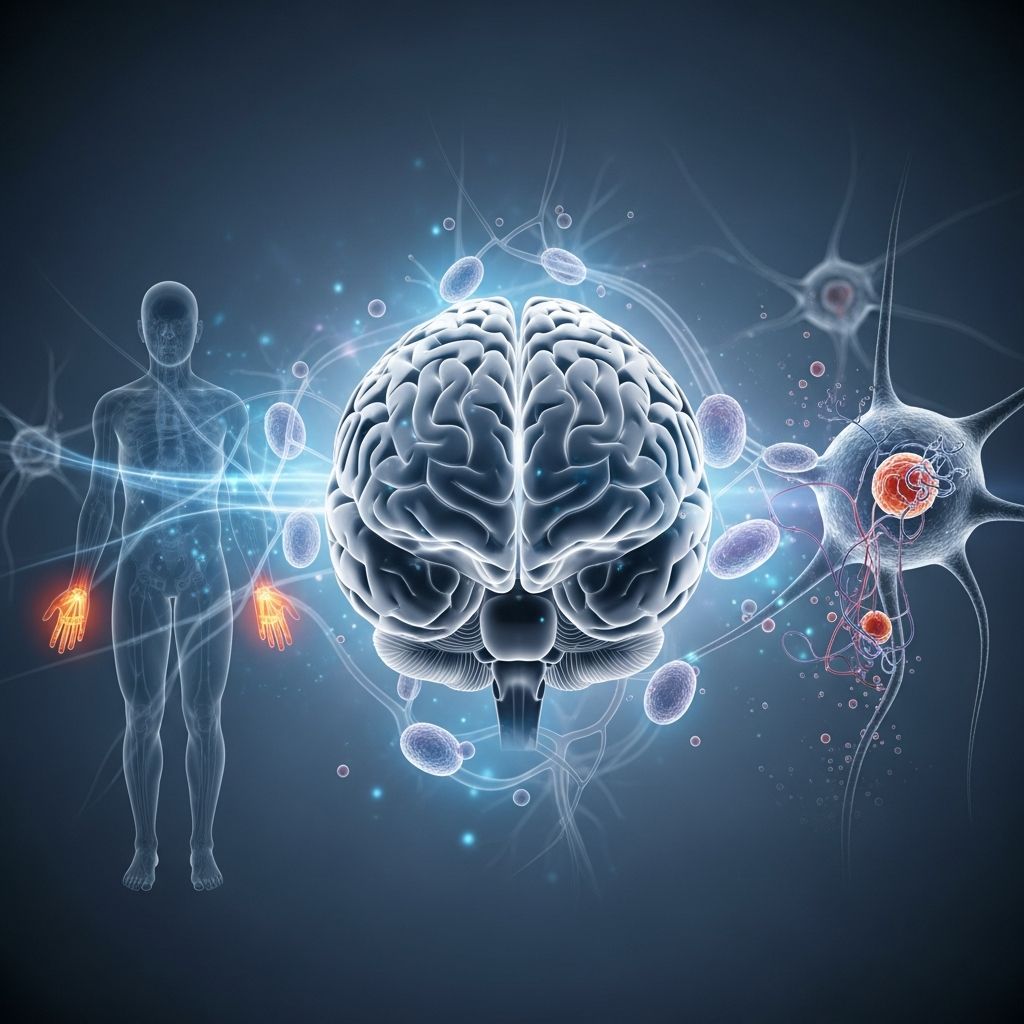
Atypical parkinsonian disorders, also known as “Parkinson’s Plus” syndromes, are a group of progressive neurodegenerative conditions that share similar motor symptoms with Parkinson’s disease but are distinguished by additional clinical features and different underlying pathology. These disorders present challenges in diagnosis and treatment because they mimic Parkinson’s disease yet respond differently to standard Parkinson’s medications. Understanding the distinctions between atypical parkinsonian disorders and classic Parkinson’s disease is essential for accurate diagnosis and appropriate clinical management.
Unlike classic Parkinson’s disease, which is caused by the loss of dopamine-producing neurons in a specific brain region, atypical parkinsonian disorders involve different patterns of neurodegeneration affecting various brain structures. This fundamental difference in brain pathology explains why patients with atypical parkinsonism often experience a more rapid disease progression and limited response to levodopa, the primary medication used for Parkinson’s disease.
What Are the Main Types of Atypical Parkinsonian Disorders?
Four primary types of atypical parkinsonian disorders have been identified, each with distinct characteristics and clinical presentations. These conditions share parkinsonian features but differ significantly in their affected brain regions, symptom progression, and prognosis.
Dementia with Lewy Bodies (DLB)
Dementia with Lewy Bodies is the most common of the atypical parkinsonian disorders. This condition occurs when abnormal protein deposits called Lewy bodies accumulate in the brain’s nerve cells. DLB is characterized by a unique combination of cognitive decline, movement difficulties, and psychiatric symptoms that occur early in the disease course.
Individuals with DLB frequently experience hallucinations, which may be visual, olfactory, auditory, or tactile in nature. These hallucinations can be particularly distressing, as patients may see, smell, hear, or feel things that are not present. Memory loss and confusion develop progressively, and patients often struggle with concentration and focus. Sleep disturbances are common, including REM sleep behavior disorder, where individuals physically act out their dreams. Additionally, mood changes such as depression and anxiety frequently accompany the cognitive and motor symptoms.
The disease progression in DLB is typically rapid, and symptoms often respond poorly to standard Parkinson’s medications. The combination of cognitive decline, hallucinations, and parkinsonism presents unique diagnostic and management challenges.
Progressive Supranuclear Palsy (PSP)
Progressive supranuclear palsy is a rare but severe atypical parkinsonian disorder characterized by early balance and gait disturbances that frequently lead to unexpected falls. The primary distinguishing feature of PSP is impaired vertical eye movements, particularly downward gaze, which can significantly affect a patient’s ability to perform daily tasks such as reading and navigating stairs.
PSP affects multiple brain systems, leading to a diverse array of symptoms including walking and balance problems, falling backward, slurred speech, and swallowing difficulties. Cognitive changes and memory problems are also common, affecting thinking and concentration. Unlike DLB, PSP typically presents with motor symptoms as the primary manifestation, though cognitive decline develops over time.
Related Stories



The disease course in PSP is usually more aggressive than classic Parkinson’s disease, with disability progressing rapidly. Many patients become wheelchair-bound within a relatively short timeframe. The characteristic findings on brain imaging include atrophy of the midbrain and superior cerebellar peduncle, often described as the “hummingbird sign” on MRI scans.
Multiple System Atrophy (MSA)
Multiple system atrophy is a rapidly progressive disorder that affects both the motor system and the autonomic nervous system, which controls involuntary bodily functions such as blood pressure regulation, digestion, and bladder control. MSA is characterized by widespread neuronal degeneration affecting multiple brain regions, including those responsible for movement coordination and autonomic function.
MSA presents in two primary forms: MSA-P (parkinsonian type) and MSA-C (cerebellar type). MSA-P causes parkinsonian symptoms such as slowed movements and muscle rigidity that generally do not respond well to levodopa therapy, along with pronounced autonomic instability manifested as urinary dysfunction and blood pressure instability. MSA-C involves cerebellar symptoms with difficulties in balance, coordination, and speech, combined with parkinsonian and autonomic disturbances.
Common symptoms of MSA include urinary urgency, retention, and incontinence, constipation, orthostatic hypotension (lightheadedness when standing), and in men, significant erectile dysfunction. Some patients experience ataxia, characterized by clumsiness and lack of coordination. Interestingly, MSA involves clumps of the alpha-synuclein protein, but unlike Parkinson’s disease, these accumulations occur in glial support cells rather than nerve cells, contributing to the distinct pathology and clinical presentation of the disorder.
Corticobasal Syndrome (CBS)
Corticobasal syndrome is the rarest of the four primary atypical parkinsonian disorders, characterized by progressive cortical and basal ganglia degeneration affecting movement, cognition, and behavior. In this condition, specific areas of the brain progressively shrink and nerve cells progressively die over time, leading to multifaceted neurological decline.
Individuals with CBS experience significant movement problems including slowness, stiffness, and dystonia (abnormal muscle contractions causing unusual postures such as an inward-turned hand). Myoclonus, characterized by sudden rapid muscle jerks, is also common. The disorder typically begins in one hand, arm, or leg before spreading to other body regions. Beyond motor symptoms, patients develop cognitive difficulties including problems with simple arithmetic, difficulty paying attention and concentrating, and an inability to recognize or use familiar everyday objects, a phenomenon known as apraxia. The “alien limb phenomenon,” where a limb appears to move involuntarily and seems foreign to the patient, is particularly characteristic of CBS.
Common Symptoms of Atypical Parkinsonian Disorders
While each atypical parkinsonian disorder has unique features, they share several motor and non-motor symptoms with classic Parkinson’s disease and with each other. Understanding these shared and distinct symptoms is crucial for diagnosis and clinical management.
Motor Symptoms
All atypical parkinsonian disorders involve core motor symptoms that define parkinsonism:
Muscle Rigidity and Stiffness: Patients experience persistent muscle tension and resistance to movement, contributing to reduced mobility and fatigue.
Bradykinesia (Slowness of Movement): All activities requiring motor control become significantly slowed, including walking, dressing, eating, and self-care activities.
Tremors: Resting tremors (shakiness of hands, legs, or jaw that occurs at rest) are common, though they may be less prominent than in classic Parkinson’s disease.
Postural Instability and Balance Problems: Patients develop stooped or slumped postures and frequently lose balance, leading to falls. Early balance problems and frequent falls distinguish atypical parkinsonism from classic Parkinson’s disease.
Gait Disturbances: Walking becomes progressively difficult, with patients often developing shuffling gaits, freezing of gait, or difficulty with walking speed regulation.
Speech and Swallowing Problems: Speech becomes slurred, quiet, or soft due to weakened facial and throat muscles. Swallowing difficulties may develop, increasing aspiration risk.
Facial Expression Loss: Patients lose the ability to make normal facial expressions, developing a mask-like appearance.
Non-Motor Symptoms
Beyond motor dysfunction, atypical parkinsonian disorders frequently present with significant non-motor symptoms that may actually precede motor manifestations:
Cognitive Decline: Memory loss, confusion, and progressive dementia occur in most atypical parkinsonian disorders. Patients may experience early cognitive problems that distinguish these conditions from classic Parkinson’s disease.
Psychiatric Symptoms: Depression, anxiety, behavioral changes, agitation, aggression, and loss of motivation (apathy) are common. In some disorders like DLB, hallucinations are a hallmark feature.
Autonomic Dysfunction: These symptoms are particularly prominent in MSA and include blood pressure dysregulation, urinary problems, bowel dysfunction, and erectile dysfunction in men.
Sleep Disturbances: REM sleep behavior disorder, where patients physically act out their dreams, is particularly common in DLB and MSA. Insomnia and sleep fragmentation also occur frequently.
Emotional Dysregulation: Patients may experience difficulty controlling emotions, including inappropriate laughing or crying.
Causes and Risk Factors
The exact causes of atypical parkinsonian disorders remain incompletely understood, though researchers have identified several contributing factors.
Protein Abnormalities
Alpha-synuclein, a protein normally found in brain cells, accumulates in abnormal clumps in several atypical parkinsonian disorders, particularly DLB and MSA. These protein aggregations damage and kill nerve cells, leading to progressive neurodegeneration. In DLB, these accumulations are known as Lewy bodies. In MSA, the protein clumps occur in glial cells rather than neurons, explaining some of the distinct features of MSA.
Genetic and Environmental Factors
Research suggests that genetics, environmental factors, and aging all likely play roles in the development of atypical parkinsonian disorders. Unlike some forms of Parkinson’s disease, most atypical parkinsonian disorders are not primarily genetically inherited, though genetic predisposition may increase vulnerability. Environmental exposures, particularly to pesticides and other toxins, have been investigated as potential risk factors, though definitive links remain unclear.
Age and Neurodegeneration
These disorders typically emerge in older adults, suggesting that age-related changes in the brain increase vulnerability to pathological processes. The progressive nature of these conditions reflects ongoing neurodegeneration affecting increasingly wider brain regions over time.
Diagnosis of Atypical Parkinsonian Disorders
Diagnosing atypical parkinsonian disorders presents significant clinical challenges because early presentations closely resemble classic Parkinson’s disease. Several diagnostic approaches help differentiate these conditions:
Clinical Evaluation
Neurologists assess patients for characteristic clinical features specific to each disorder. Early balance problems, early cognitive difficulties, and impaired control of blood pressure, bowel, and bladder function suggest atypical parkinsonism rather than classic Parkinson’s disease. The presence of hallucinations, rapid cognitive decline, vertical gaze palsy, or asymmetric dystonia helps identify the specific disorder.
Imaging Studies
MRI scans reveal characteristic brain changes specific to each disorder. PSP shows midbrain atrophy with the distinctive “hummingbird sign.” CBD demonstrates asymmetric cortical atrophy. MSA may show putaminal rim sign. DLB patients typically show less prominent structural changes on conventional imaging, though specialized imaging techniques may reveal characteristic patterns.
Response to Medication
The poor or absent response to levodopa therapy is a key diagnostic feature distinguishing atypical parkinsonism from classic Parkinson’s disease. Patients with atypical parkinsonian disorders typically receive minimal symptomatic benefit from standard Parkinson’s medications.
Disease Progression and Prognosis
Atypical parkinsonian disorders typically progress more rapidly than classic Parkinson’s disease, with patients experiencing faster functional decline and more severe disability. Most patients eventually require wheelchair assistance, with some progressing to wheelchair dependence in relatively short timeframes, often within 5 to 10 years of symptom onset. The progressive nature of these conditions and their varied symptom patterns require ongoing adjustments to management strategies.
How Atypical Parkinsonian Disorders Differ from Parkinson’s Disease
| Feature | Parkinson’s Disease | Atypical Parkinsonian Disorders |
|---|---|---|
| Primary Brain Pathology | Loss of dopamine neurons in substantia nigra | Multiple brain regions affected; different cell types involved |
| Protein Involvement | Alpha-synuclein in neurons (Lewy bodies) | Varies: alpha-synuclein in neurons (DLB) or glia (MSA); tau in PSP/CBD |
| Response to Levodopa | Good initial response | Poor or absent response |
| Early Cognitive Decline | Not typical early feature | Common early feature, especially DLB and CBD |
| Early Hallucinations | Develop later in disease | Common early feature in DLB |
| Autonomic Dysfunction | Develops later | Early prominent feature in MSA |
| Balance Problems | Develop progressively | Often present early, severe in PSP |
| Disease Progression | Variable; often slower initially | Typically rapid and severe |
| Prognosis | Generally better long-term outcomes with medication | More aggressive course; limited treatment options |
Management and Treatment Approaches
While no cure exists for atypical parkinsonian disorders, management focuses on symptom relief and maintaining quality of life. Standard Parkinson’s medications provide limited benefit, necessitating individualized treatment approaches targeting specific symptoms.
Physical therapy and occupational therapy help maintain mobility and functional independence. Speech-language pathology addresses speech and swallowing difficulties. Cognitive and psychiatric symptoms may respond to specific medications addressing depression, anxiety, or behavioral changes. Management of autonomic symptoms in MSA requires careful attention to blood pressure, bowel, and bladder function.
Frequently Asked Questions
Q: How do atypical parkinsonian disorders differ from Parkinson’s disease?
A: Atypical parkinsonian disorders differ in brain pathology, protein involvement, medication response, and symptom patterns. Unlike Parkinson’s disease, which primarily affects dopamine-producing neurons and responds well to levodopa, atypical parkinsonian disorders involve multiple brain regions, respond poorly to standard Parkinson’s medications, and often present with early cognitive decline, hallucinations, or autonomic dysfunction.
Q: Which atypical parkinsonian disorder is most common?
A: Dementia with Lewy Bodies (DLB) is the most common of the four main atypical parkinsonian disorders. Corticobasal syndrome is the rarest.
Q: Are these disorders hereditary?
A: Most atypical parkinsonian disorders are not primarily inherited, though genetic predisposition may increase vulnerability. Environmental factors and aging appear to play significant roles in disease development.
Q: How quickly do these disorders progress?
A: Atypical parkinsonian disorders typically progress more rapidly than classic Parkinson’s disease. Most patients become wheelchair-dependent within 5 to 10 years of symptom onset, though progression rates vary among individuals and specific disorders.
Q: Can standard Parkinson’s medications help with atypical parkinsonism?
A: Standard Parkinson’s medications like levodopa provide limited or no benefit for atypical parkinsonian disorders. Management typically focuses on treating specific symptoms such as depression, anxiety, cognitive decline, or autonomic dysfunction rather than core parkinsonism features.
Q: What causes hallucinations in Dementia with Lewy Bodies?
A: Hallucinations in DLB result from Lewy body accumulations in brain regions responsible for perception and sensory processing. These abnormal protein deposits disrupt neural communication, causing patients to perceive things that are not present.
References
- Atypical Parkinsonism – Symptoms and Causes — Penn Medicine. 2025. https://www.pennmedicine.org/conditions/atypical-parkinsonism-syndromes
- Atypical Parkinsonism – Neurology Solutions — Neurology Solutions. 2025. https://www.neurologysolutions.com/movement-disorders/atypical-parkinsonism/
- Atypical Parkinsonism — The Michael J. Fox Foundation. 2025. https://www.michaeljfox.org/news/atypical-parkinsonism
- Atypical Parkinsonian Syndromes — BIDMC of Boston. 2025. https://www.bidmc.org/conditions-and-treatments/brain-spine-and-nervous-system/atypical-parkinsonian-syndromes
- Atypical parkinsonian syndromes: a general neurologist’s perspective — PubMed Central. 2020. https://pmc.ncbi.nlm.nih.gov/articles/PMC7646945/
Similar Articles








Read full bio of Sneha Tete