Autism Spectrum Disorder: Symptoms, Causes & Treatment
Understanding autism spectrum disorder: Early signs, causes, diagnosis, and comprehensive treatment options for children.
Understanding Autism Spectrum Disorder
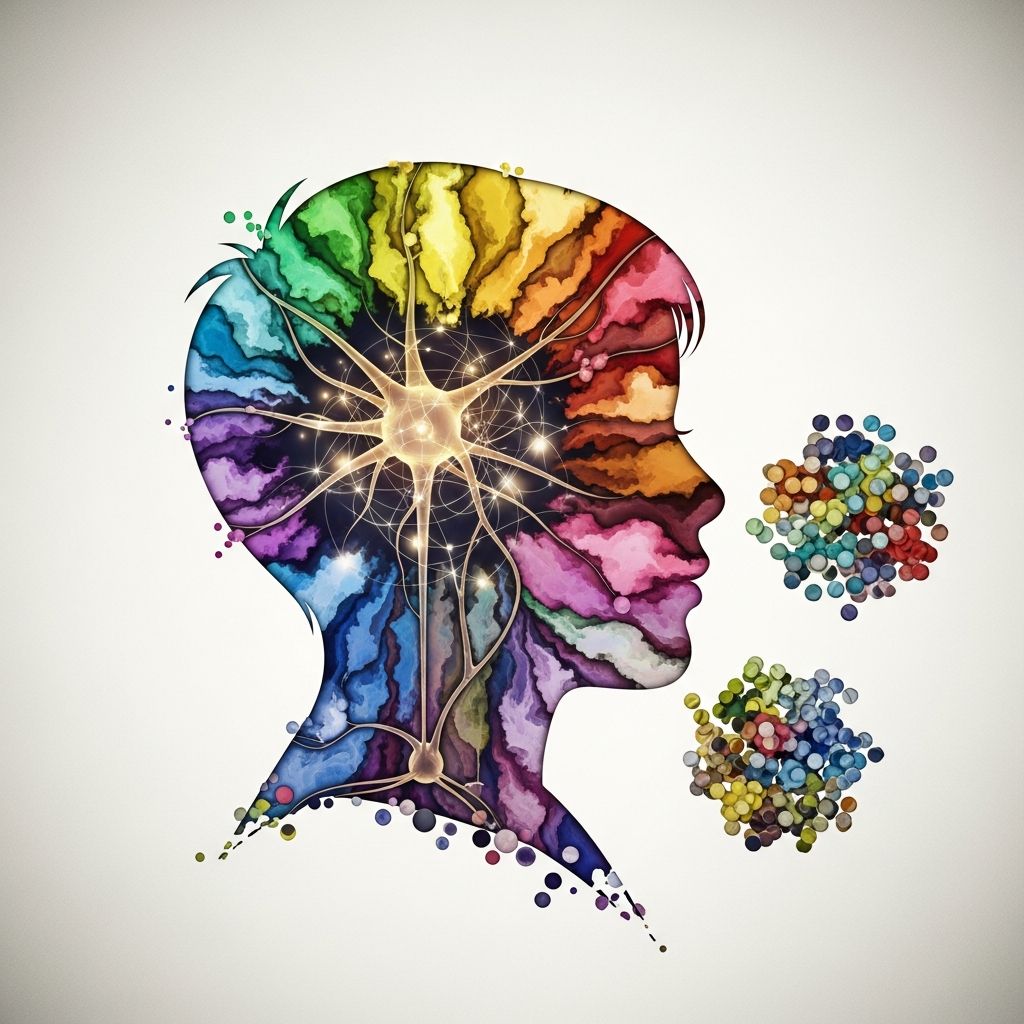
Autism spectrum disorder (ASD) is a developmental condition that affects how children socialize, communicate, and behave. It is characterized by differences in brain development that influence how individuals process information, interact with others, and respond to their environment. Current research suggests that approximately 1 in every 31 children in the United States has autism spectrum disorder, though this figure may represent an undercount of the actual prevalence.
The term “spectrum” reflects the wide range of presentations and severity levels associated with autism. Some children may have significant communication challenges and require substantial support, while others may have milder symptoms and develop near-typical language skills. Understanding that autism exists on a spectrum is crucial for recognizing that each child with ASD has unique strengths, challenges, and support needs.
Early Signs and Symptoms of Autism
Recognizing early signs of autism can help families seek diagnosis and intervention promptly. Parents often notice developmental differences during their child’s first few years of life, though some children may not receive a diagnosis until later childhood or even adulthood.
Communication and Language Signs
Children with autism may exhibit various communication differences, including delayed speech development, difficulty using words to express needs or feelings, and challenges with back-and-forth social interactions like conversation. Some children may speak in an unusual tone or rhythm, repeat words or phrases (echolalia), or have difficulty understanding figurative language and indirect requests.
Social and Behavioral Indicators
Limited eye contact and unusual body language are common early indicators of autism. Children may have difficulty interpreting facial expressions and gestures from others, struggle to understand social norms, or prefer solitary play rather than interactive play with peers. Additionally, repetitive motions or behaviors—such as hand flapping, spinning, lining up toys, or focusing intensely on specific objects—are characteristic features of autism spectrum disorder.
Sensory Sensitivities
Many children with autism experience heightened or reduced sensitivity to sensory stimuli. They may be bothered by certain sounds, lights, textures, or smells that don’t typically bother other children. Some may seek out sensory input through activities like spinning, jumping, or touching different surfaces repeatedly.
Understanding the Causes of Autism
The exact causes of autism spectrum disorder are not fully understood, though researchers have identified several contributing factors. Autism is not caused by parenting styles, vaccines, or dietary choices—these are common misconceptions that have been thoroughly disproven by scientific research.
Genetic Factors
Genetics play a significant role in autism development. Research indicates that autism tends to run in families, and multiple genes are involved in its manifestation. If one child in a family has autism, the likelihood of autism occurring in siblings is higher than in the general population. Certain genetic conditions, such as fragile X syndrome, are also associated with increased autism risk.
Related Stories



Brain Development and Neurology
Differences in brain structure and function are associated with autism spectrum disorder. Studies have shown variations in how autistic brains process information, organize neural connections, and regulate neurotransmitters. These neurological differences influence how individuals perceive and interact with their environment from early development onward.
Environmental and Prenatal Factors
Some prenatal factors may increase the risk of autism, including maternal infections during pregnancy, certain medications taken during pregnancy, and advanced parental age. Complications during pregnancy or birth may also be associated with increased autism risk in some cases.
Diagnosis and Assessment
Diagnosing autism spectrum disorder requires a comprehensive evaluation by experienced healthcare professionals. No single laboratory test can definitively diagnose autism; instead, diagnosis relies on behavioral observation, developmental history, and standardized assessment tools.
Diagnostic Process
Highly trained providers spend time with children and their families, carefully observing behavior and development. The diagnostic evaluation typically includes interviews with parents about the child’s developmental history, direct observation of the child’s social communication and play behaviors, and standardized rating scales and assessments. Multidisciplinary evaluations may involve developmental pediatricians, child psychologists, speech-language pathologists, and other specialists.
Assessment Tools
Healthcare providers use validated assessment instruments such as the Autism Diagnostic Observation Schedule (ADOS), the Autism Diagnostic Interview-Revised (ADI-R), and various developmental screening tools. These instruments help identify characteristic patterns of behavior and development consistent with autism spectrum disorder.
Age Considerations
While some children receive an autism diagnosis in early infancy or toddlerhood, others may not be diagnosed until school age or later. Early diagnosis is particularly valuable because it enables families to access early intervention services and support during critical developmental periods.
Comprehensive Treatment and Intervention
Effective treatment for autism spectrum disorder is individualized and typically involves multiple therapeutic approaches tailored to each child’s specific needs, strengths, and challenges.
Applied Behavior Analysis (ABA) Therapy
Applied Behavior Analysis is an evidence-based intervention approach that focuses on improving specific behaviors and skills. ABA therapy uses techniques to increase desired behaviors, such as communication and social skills, while reducing problematic behaviors. Board Certified Behavior Analysts (BCBAs) design treatment plans, and Registered Behavior Technicians (RBTs) work directly with children. ABA therapy emphasizes parent training, recognizing that family involvement is crucial for generalizing skills across different environments. Early intervention ABA is available for children under age 6, with transition support for school-age children.
Speech and Language Therapy
Speech-language pathologists specializing in ABA help children develop communication skills. Whether addressing challenges with understanding language, forming words, or comprehending body language and social communication, speech therapy goals are individualized. Therapy may focus on developing functional communication, expanding vocabulary, improving pronunciation, or enhancing social communication abilities.
Educational Programs and School Support
Specialized educational programs, such as chartered schools for children with autism, provide intensive instruction using applied behavior analysis principles. Licensed special educators, behavior analysts, and classroom behavior therapists work together to help children develop language, social, play, and self-care skills. Parent training, classroom observations, and home visits are integral components of comprehensive educational support.
Additional Therapeutic Approaches
Depending on individual needs, children with autism may benefit from occupational therapy to develop daily living skills and sensory integration, social skills training to enhance peer interactions, and behavioral support to address challenging behaviors. Some children may require support for associated difficulties such as sleep problems, feeding challenges, or anxiety.
Family Support and Parent Training
Supporting families is essential to successful autism treatment. Parent training programs create partnerships between clinical staff and family members, enabling parents to implement intervention strategies at home and in community settings. Parent involvement significantly enhances treatment effectiveness and helps children generalize skills across different environments and situations.
Transition to Adulthood
As children with autism approach adolescence and young adulthood, comprehensive planning becomes increasingly important. Transition services help prepare individuals with autism for adult life, addressing education, employment, independent living skills, and community integration. Continuity of care as individuals transition from pediatric to adult healthcare services is essential for maintaining support and addressing evolving needs.
Frequently Asked Questions About Autism Spectrum Disorder
Q: At what age can autism be diagnosed?
A: Autism can sometimes be identified in infancy, though most children receive a diagnosis between ages 2 and 4. Some children, particularly those with milder presentations, may not be diagnosed until school age or later. Early identification enables access to intervention services during critical developmental periods.
Q: Is autism a disease or a disorder?
A: Autism is a neurodevelopmental difference, not a disease to be cured. With clinical and behavioral advances, autism is now perceived as a treatable condition where interventions can significantly improve skills and quality of life, though the fundamental neurodevelopmental differences remain.
Q: Can early intervention improve outcomes for children with autism?
A: Yes, research demonstrates that early intervention significantly improves outcomes. Starting services as soon as autism is suspected can enhance communication development, social skills, and adaptive functioning, providing children with better foundations for learning and development.
Q: Is applied behavior analysis (ABA) effective for treating autism?
A: Yes, ABA is considered an evidence-based treatment for autism. Research shows that intensive, well-designed ABA programs can improve communication, social skills, and reduce problematic behaviors. The effectiveness depends on program quality, intensity, and family involvement.
Q: Will my child with autism attend regular school?
A: This depends on the individual child’s needs and abilities. Some children with autism attend mainstream classrooms with support services, others attend specialized classrooms within regular schools, and some benefit from specialized schools designed for children with autism. Educational placement is determined through individualized education programs (IEPs) based on each child’s unique needs.
Q: How can I support my child’s development at home?
A: Parent training is a key component of autism treatment. Working with behavior analysts and therapists, parents learn strategies to support communication development, reinforce positive behaviors, and address challenges. Consistent implementation of strategies across home and school environments significantly enhances progress.
References
- Autism Spectrum Disorder: Symptoms, Causes & Diagnosis — Cleveland Clinic. 2025. https://my.clevelandclinic.org/health/articles/autism
- Get Autism Spectrum Disorder Treatment — Cleveland Clinic Children’s. 2025. https://my.clevelandclinic.org/pediatrics/services/autism-spectrum-disorder-care
- Children’s Autism Center — Cleveland Clinic Children’s. 2025. https://my.clevelandclinic.org/pediatrics/departments/autism
- Autism Spectrum Disorders: Research and Medical Treatment — Cleveland Clinic Medical Education. 2025. https://www.clevelandclinicmeded.com/online/webcasts/autism-spectrum-disorders-pt4/
- Adults with Autism Spectrum Disorder: Updated Considerations — Cleveland Clinic Journal of Medicine, 2019. https://www.ccjm.org/content/86/8/543
- Pervasive Developmental Disorder (PDD) — Cleveland Clinic. 2025. https://my.clevelandclinic.org/health/diseases/pervasive-developmental-disorders
Similar Articles








Read full bio of Sneha Tete