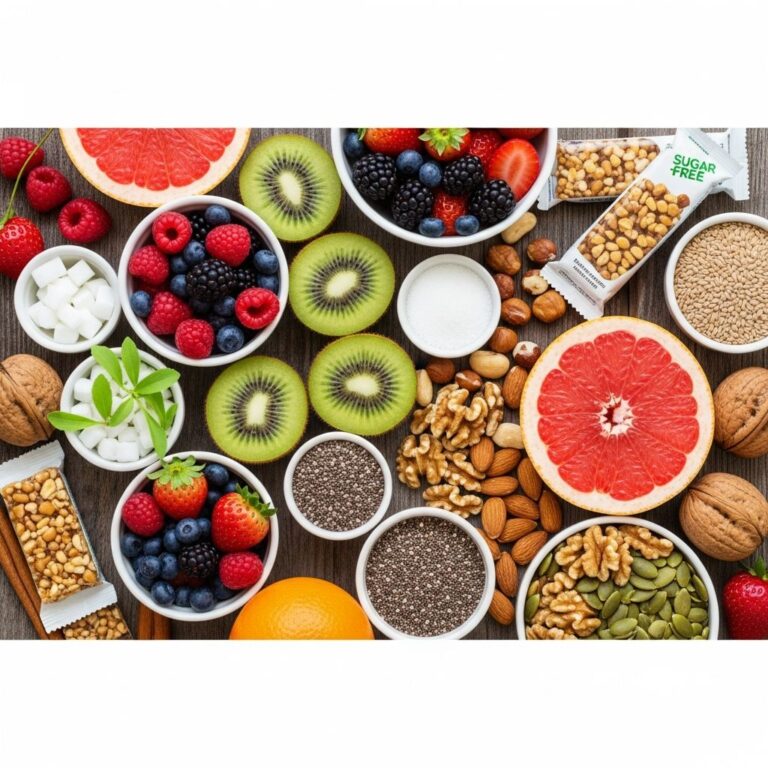
Autoimmune Disease Diet: Essential Guide To Gut Healing
Explore diets like AIP and anti-inflammatory plans to manage autoimmune symptoms and promote gut health effectively.
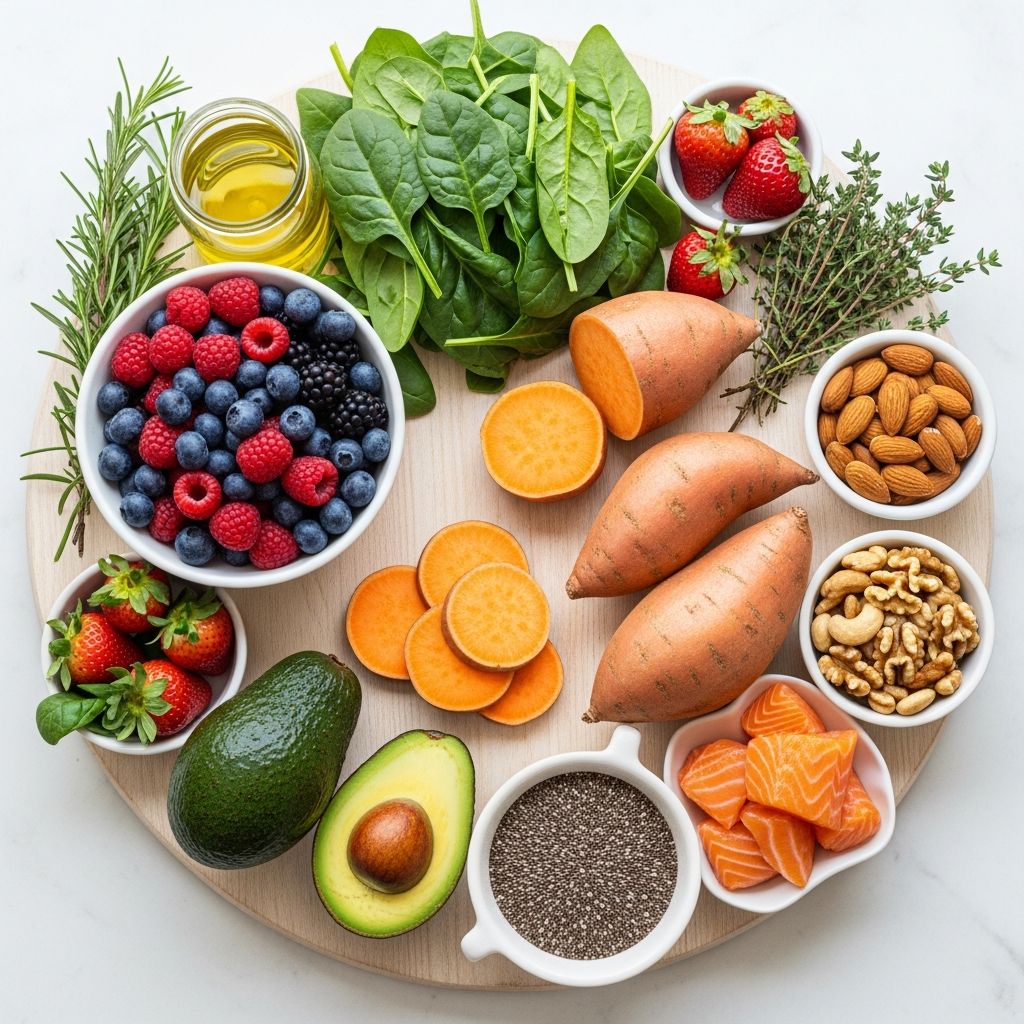
Diets tailored for autoimmune diseases focus on reducing inflammation, supporting gut health, and identifying personal food triggers through elimination protocols like the Autoimmune Protocol (AIP).
What Is an Autoimmune Disease?
Autoimmune diseases occur when the immune system mistakenly attacks the body’s own tissues, leading to chronic inflammation and symptoms such as fatigue, joint pain, and digestive issues. Over 80 conditions fall under this category, including rheumatoid arthritis, Hashimoto’s thyroiditis, inflammatory bowel disease (IBD), lupus, and multiple sclerosis. The gut microbiome plays a central role, as dysbiosis—imbalance in gut bacteria—can exacerbate immune dysregulation.
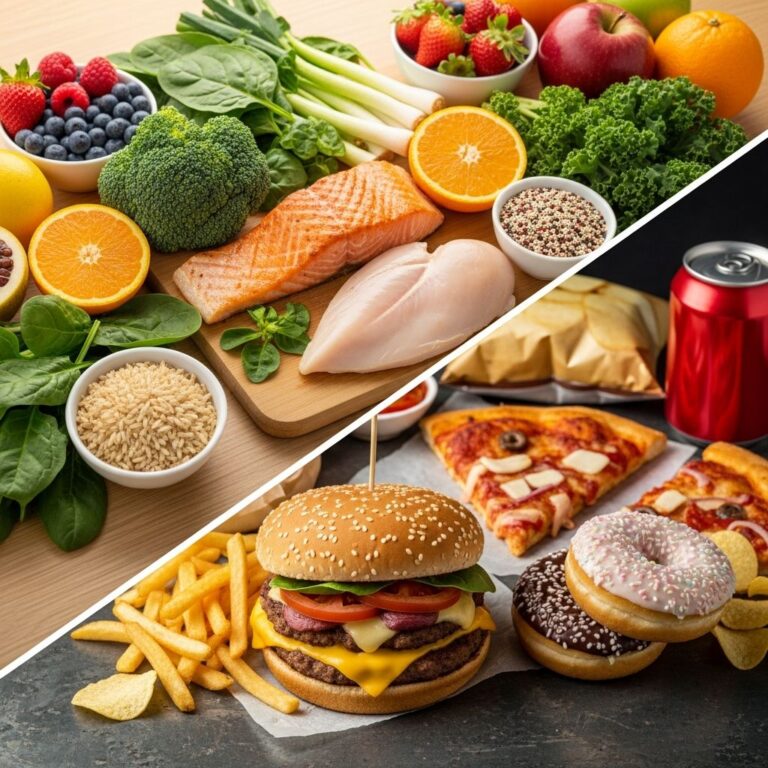
Research links Western diets high in processed foods, sugars, and refined carbs to increased autoimmunity risk by compromising the gut barrier and promoting inflammation. Conversely, nutrient-dense, anti-inflammatory diets may mitigate these effects by healing the intestinal lining and modulating immune responses.
Why Diet Matters for Autoimmune Conditions
Diet influences autoimmune diseases by affecting inflammation levels, gut permeability (“leaky gut”), and microbial diversity. Foods that trigger immune responses can worsen flare-ups, while anti-inflammatory foods rich in antioxidants, omega-3s, and fiber support immune balance.
Clinical evidence shows that eliminating inflammatory triggers improves symptoms in conditions like Hashimoto’s and IBD. For instance, personalized elimination diets identify IgG-mediated food sensitivities, reducing systemic inflammation. Diets emphasizing whole foods also address common deficiencies in vitamins like B12, folate, and D, which are prevalent in autoimmune patients.
Popular Diets for Autoimmune Diseases
Several diets target autoimmunity through inflammation reduction and gut repair. Here’s an overview:
- Autoimmune Protocol (AIP) Diet: A strict, personalized elimination diet extending Paleo principles. It removes potential triggers to heal the gut and reintroduces foods based on tolerance.
- Anti-Inflammatory Diet: Broadly eliminates processed foods, sugars, and red meats while prioritizing fruits, vegetables, and healthy fats.
- Mediterranean Diet: Emphasizes whole grains, fish, nuts, and olive oil; shown to combat inflammation in rheumatoid arthritis.
- Plant-Based Diets: High in fiber and antioxidants, these may prevent and treat autoimmunity cost-effectively.
The Autoimmune Protocol (AIP) Diet Explained
The AIP diet is designed specifically for autoimmune conditions, starting with an elimination phase to remove foods that may provoke immune responses, followed by phased reintroduction.
Phases of the AIP Diet
- Elimination Phase (4-8 weeks): Strictly avoid grains, dairy, legumes, nightshades (tomatoes, potatoes, peppers, eggplant), eggs, nuts, seeds, refined sugars, alcohol, coffee, and processed foods. Focus on nutrient-dense options like colorful vegetables, fruits, grass-fed meats, wild fish, and bone broths.
- Reintroduction Phase: Test one food at a time (e.g., egg yolks first, then whites) over 5-7 days, monitoring symptoms. Delay if stressed or ill.
- Maintenance Phase: Sustain a personalized plan excluding confirmed triggers, promoting diet diversity.
AIP Foods to Eat and Avoid
| Foods to Eat | Foods to Avoid (Elimination Phase) |
|---|---|
| Vegetables (non-nightshade: leafy greens, broccoli, carrots) | Grains (wheat, rice, corn) |
| Fruits (berries, apples, in moderation) | Dairy (milk, cheese, yogurt) |
| Proteins (grass-fed beef, poultry, wild fish, organ meats) | Legumes (beans, lentils, peanuts) |
| Fermented foods (sauerkraut, kombucha, non-dairy) | Nightshades (tomatoes, potatoes, eggplant) |
| Bone broth, coconut products, olive oil, honey | Eggs, nuts, seeds, alcohol, coffee |
| Processed foods, refined sugars, artificial additives |
This structure ensures high nutrient intake while minimizing antigens.
Other Anti-Inflammatory Diets
Beyond AIP, flexible options exist:
- Mediterranean Diet: Includes fruits, vegetables, whole grains, legumes, nuts, seeds, fish, and extra virgin olive oil. Reduces IBD flare-ups and Hashimoto’s symptoms.
- General Anti-Inflammatory: Avoids red/processed meats, fried foods, sugars, soda, and margarine; favors omega-3-rich fish, fiber, and antioxidants.
- Ketogenic or Vegan Variants: High-fat/low-carb or plant-only plans may lower inflammation but require monitoring for deficiencies.
Related Stories



Evidence and Research on These Diets
Though promising, evidence varies. AIP improved quality of life in Hashimoto’s patients, with 50% resolving deficiencies via nutrient-dense foods. Studies on IBD show symptom relief, but larger trials are needed.
Paleo foundations benefit metabolic health, but AIP’s personalization outperforms horizontal diets like FODMAP. Anti-inflammatory diets ameliorate rheumatoid arthritis via antioxidants. Plant-based nutrition safely treats autoimmunity. Limitations include small sample sizes and self-reported outcomes; consult professionals for guidance.
Potential Nutrient Deficiencies and Supplementation
Strict eliminations risk shortfalls in calcium, vitamin D, B vitamins, and folate, especially without dairy or grains. Strategies include:
- Prioritizing organ meats, fatty fish for vitamin D/omegas.
- Leafy greens, avocados for folate/B vitamins.
- Supplements if tested deficient (e.g., B12 for vegans).
Personalized testing prevents issues; AIP’s whole-food focus often boosts overall nutrition.
Sample AIP Meal Plan for a Week
A beginner-friendly plan:
| Day | Breakfast | Lunch | Dinner | Snack |
|---|---|---|---|---|
| Monday | Bone broth with greens | Grilled chicken salad (cucumber, olive oil) | Baked salmon, sweet potatoes, broccoli | Apple slices with coconut yogurt |
| Tuesday | Sweet potato hash with turkey | Tuna salad lettuce wraps | Beef stir-fry with zucchini, carrots | Banana with cinnamon |
| Wednesday | Coconut milk smoothie (berries, spinach) | Turkey meatballs, cauliflower rice | Chicken soup with bone broth, herbs | Carrot sticks |
| Thursday | Plantain pancakes (coconut flour) | Shrimp avocado salad | Lamb chops, asparagus, butternut squash | Honey-drizzled pear |
| Friday | Egg-free frittata (veggies) | Beef bone broth soup | Cod with green beans, mashed cassava | Coconut flakes |
| Saturday | Turkey sausage, sautéed kale | Chicken cabbage wraps | Pork tenderloin, roasted roots | Berries |
| Sunday | Chia pudding alternative (coconut) | Leftover pork salad | Fish tacos (lettuce wraps, salsa) | Olives |
Foods to Avoid with Autoimmune Diseases
- Processed and fried foods
- Refined sugars and sodas
- Red and processed meats
- Gluten-containing grains
- Dairy products
- Nightshades and eggs (in AIP)
- Alcohol and caffeine
Foods That Help Autoimmune Diseases
- Anti-Inflammatory Stars: Turmeric, ginger, garlic for curcumin and antioxidants.
- Gut Healers: Bone broth, fermented veggies (kimchi, sauerkraut).
- Nutrient Powerhouses: Leafy greens, berries, fatty fish (salmon for omega-3s).
- Healthy Fats: Avocado, olive oil, coconut oil.
Frequently Asked Questions (FAQs)
What is the best diet for autoimmune disease?
The AIP diet is highly regarded for its personalization, but Mediterranean or anti-inflammatory diets suit milder cases. Consult a dietitian.
How long does the AIP elimination phase last?
Typically 4-8 weeks, or until symptoms improve significantly.
Can AIP cure autoimmune diseases?
No, it manages symptoms by reducing inflammation; it’s not a cure but a tool alongside medical treatment.
Is the AIP diet safe long-term?
Yes, when personalized and monitored for nutrients; reintroduction adds flexibility.
What if I have nutrient deficiencies on AIP?
Test levels and supplement as needed (e.g., vitamin D); emphasize diverse allowed foods.
Consulting Experts and Lifestyle Integration
Work with doctors and registered dietitians to tailor diets, especially if pregnant, athletic, or on medications. Combine with stress management, sleep, and exercise for optimal results. Track symptoms via journals during reintroduction.
Word count: 1782 (excluding HTML tags).
References
- Autoimmune protocol diet: A personalized elimination diet for autoimmune diseases — NIH/PMC. 2024. https://pmc.ncbi.nlm.nih.gov/articles/PMC11755016/
- Culinary Medicine: Autoimmunity and Healthy Eating — Autoimmune Institute. 2023. https://www.autoimmuneinstitute.org/articles/culinary-medicine-autoimmunity-and-healthful-eating
- Editorial: Anti-inflammatory diet in autoimmune diseases — Frontiers in Nutrition. 2024. https://www.frontiersin.org/journals/nutrition/articles/10.3389/fnut.2024.1497058/full
- Treatment and prevention of autoimmune disease — American College of Lifestyle Medicine. 2023. https://lifestylemedicine.org/benefits-plant-based-nutrition-autoimmune-disease/
Similar Articles








Read full bio of medha deb