Autoimmune Disease: Why Is My Immune System Attacking Itself?
Understand why your immune system attacks your own cells and how autoimmune diseases develop.
Understanding Autoimmune Disease: When Your Immune System Attacks Itself
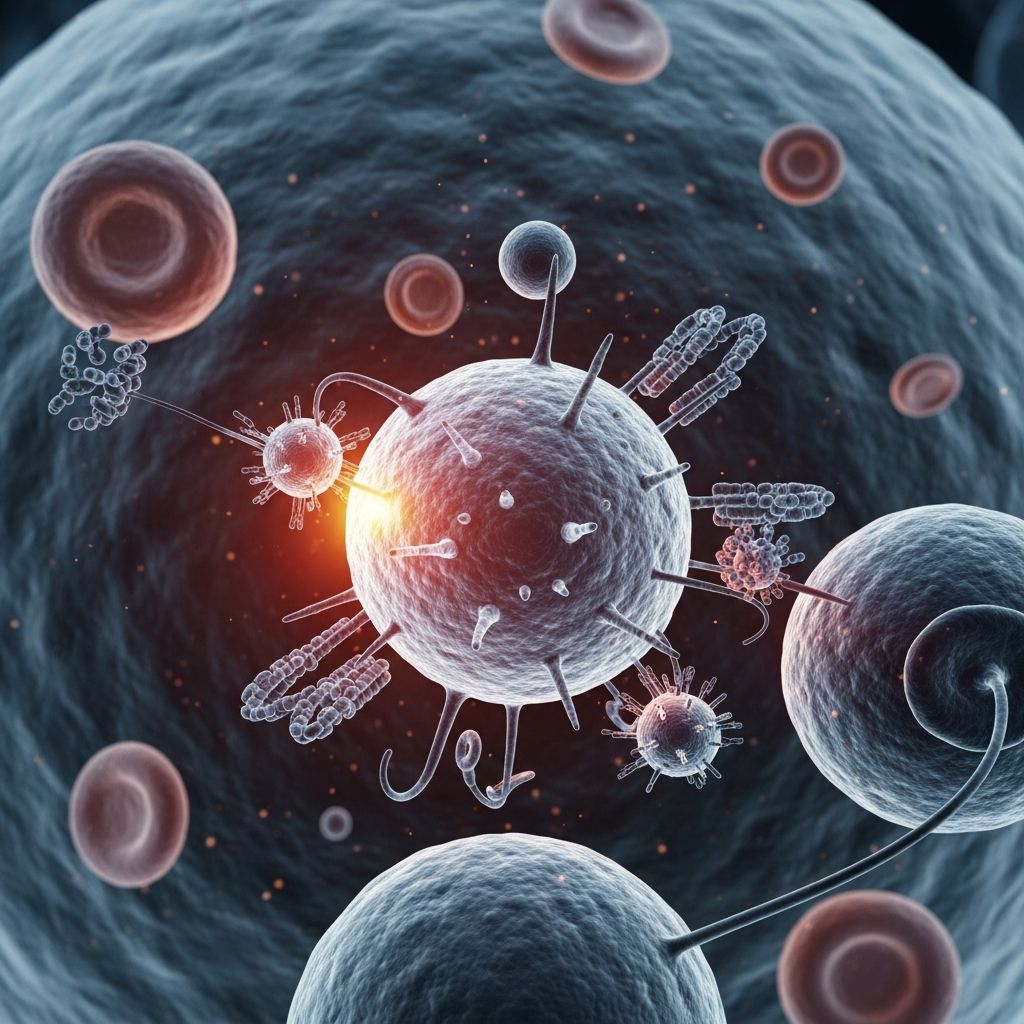
The immune system is designed to protect your body from harmful invaders such as bacteria, viruses, and abnormal cells like cancer cells. However, in autoimmune diseases, this protective system makes a critical error. Instead of distinguishing between foreign threats and the body’s own healthy tissue, the immune system launches an attack against your own cells and organs. This misdirected attack leads to inflammation, tissue damage, and the various symptoms associated with autoimmune conditions.
Autoimmune diseases are surprisingly common. After cancer and heart disease, autoimmune diseases represent the most prevalent group of diseases in the United States, affecting millions of Americans. There are over 80 identified autoimmune disorders, each targeting different organs and tissues throughout the body. These conditions are chronic in nature, meaning that if you develop an autoimmune disease, you will likely need to manage it and its symptoms for the rest of your life.
How the Immune System Normally Works
To understand why autoimmune diseases occur, it helps to first understand how a healthy immune system functions. The immune system consists of specialized blood cells that work together to identify and eliminate threats to the body. When the immune system encounters a foreign invader—such as a bacterium or virus—it recognizes specific markers called antigens on the surface of these harmful substances.
In response to these antigens, the immune system produces antibodies, which are specialized proteins designed to bind to and neutralize the threat. This is part of a coordinated defense mechanism that involves multiple types of immune cells working in harmony. When functioning properly, the immune system effectively eliminates invaders while leaving the body’s own healthy tissues completely untouched.
The key to this precise operation lies in the ability of the immune system to distinguish between “self” (the body’s own tissues) and “non-self” (foreign invaders). This distinction is crucial for survival. When this recognition system fails, autoimmune disease can develop.
The Role of T Cells and Central Tolerance
T cells are a critical component of the adaptive immune system. These lymphocytes patrol the body, constantly searching for specific targets to attack. Normally, T cells are programmed to ignore the body’s own proteins and to attack only foreign pathogens. This programming process occurs in an organ called the thymus, where T cells undergo rigorous training before entering circulation.
During this training phase in the thymus, T cells are exposed to a comprehensive education process. They must first learn to recognize HLA molecules, which are structures on cell surfaces that display information about what is inside a cell. T cells that cannot bind to HLA are eliminated. The survivors then face another critical test: they are exposed to a vast quantity of protein sections belonging to the body’s own tissues—proteins that should be protected from immune attack.
T cells that react to the body’s own tissue are sorted out and destroyed in a process called central tolerance. Only those T cells that pass both tests—those that can recognize HLA but do not react to the body’s own proteins—are allowed to graduate from the thymus and enter the bloodstream. This rigorous selection process is designed to eliminate autoreactive T cells before they can cause harm.
Related Stories



Peripheral Tolerance and Regulatory T Cells
Although central tolerance is thorough, it is not perfect. Recent research has revealed a surprising fact: even in healthy individuals, approximately one-third of mature T cells circulating outside the thymus have the capacity to cause autoimmune disease. This finding contradicts earlier scientific theories that suggested only a small percentage of autoreactive T cells escape thymic selection.
Fortunately, the body has a second line of defense called peripheral tolerance. This system operates continuously throughout the body to prevent any autoreactive T cells that escape the thymus from causing harm. A specialized subset of T cells called regulatory T cells (Tregs) play a crucial role in this process. These cells act almost like police officers, patrolling the immune system and identifying immune cells that are making mistakes—specifically, those that are reacting to the body’s own tissue.
When Tregs identify an immune cell attacking the body’s own tissues, they suppress its activity and prevent it from causing further damage. Additionally, regulatory T cells help maintain an overall environment of immune tolerance within the body. This peripheral tolerance system provides essential protection against the relatively large number of autoreactive T cells that successfully escape from the thymus.
When the System Fails: Breakdown of Autoimmune Tolerance
Autoimmune diseases arise when something goes wrong in the complex system of tolerance mechanisms. Research indicates that multiple factors must go awry simultaneously. The interaction between HLA presentation, the selection of which T cells are allowed to graduate from the thymus, and the activity of regulatory T cells must all be disrupted for autoimmune disease to develop.
There appear to be several key problems that unite virtually all autoimmune diseases. First, HLA molecules may display information about the body’s own cells in a way that makes T cells mistakenly recognize them as foreign threats. Second, some T cells that should have been eliminated during central tolerance escape into circulation. Third, and perhaps most critically, regulatory T cells may become too passive or insufficient in number, failing to effectively suppress autoreactive T cells. The combination of these factors allows immune cells to attack cells that should be left alone.
The exact cause of autoimmune disorders remains unknown, though several theories exist. One prominent theory suggests that microorganisms such as bacteria or viruses may trigger changes that confuse the immune system. Additionally, certain medications have been implicated in triggering autoimmune responses in susceptible individuals. Genetic predisposition plays a significant role, as people with specific genes are much more likely to develop autoimmune diseases than the general population.
Autoantibodies: When the Body Creates Weapons Against Itself
One characteristic feature of autoimmune diseases is the formation of autoantibodies—antibodies that bind to the body’s own proteins rather than to foreign invaders. These autoantibodies are created through a process similar to the normal immune response to infection. When the immune system encounters a virus, it develops antibodies against the viral proteins while simultaneously activating T cells to attack infected cells. This dual defense system targets both the free-floating virus and the cells harboring it.
In autoimmune disease, research suggests a similar dual process occurs. The immune system produces autoantibodies against the body’s own substances while T cells simultaneously attack the cells containing these substances. This dual-pronged attack can cause extensive tissue damage.
In some autoimmune diseases, the autoantibodies themselves are directly responsible for causing disease. Graves’ disease provides a clear example of this mechanism. In Graves’ disease, autoantibodies bind to receptors on the surface of thyroid gland cells and cause these cells to overproduce thyroid hormones. Notably, infants born to mothers with Graves’ disease exhibit symptoms of the disease for a period of time because they receive these harmful autoantibodies through the placenta. Once the maternal antibodies clear from the infant’s system, the symptoms typically resolve.
Types of Autoimmune Diseases
Autoimmune diseases fall into different categories based on which organs or tissues they target and how they behave. Understanding these categories helps in recognizing patterns and predicting disease progression.
Systemic Autoimmune Diseases
Some autoimmune diseases, such as rheumatoid arthritis and multiple sclerosis, affect multiple organs throughout the body. These systemic conditions often persist over time, with varying levels of disease activity. The immune attack in these diseases is diffuse and can target multiple tissue types simultaneously, leading to complex symptoms affecting various body systems.
Organ-Specific Autoimmune Diseases
Other autoimmune diseases behave very differently. These organ-specific diseases involve the immune system making a focused attack on a specific cell type in a particular organ. For example, in type 1 diabetes, the immune system targets insulin-producing cells in the pancreas. Once these cells are attacked and destroyed, they are irreparably lost. After the initial immune attack, the immune system often spontaneously calms down, but the damage has already been done.
A significant challenge with organ-specific autoimmune diseases is that they are often detected late in the disease process, after substantial tissue damage has occurred. By the time symptoms appear, so few functional cells remain that the affected organ can no longer function properly. This delayed detection makes early identification and intervention particularly important for these conditions.
Autoimmune Disease Flare-Ups and Triggers
Many people with autoimmune diseases experience periods of worsening symptoms called flare-ups, also known as bouts, relapses, or episodes. During a flare-up, patients experience a dramatic worsening of their regular disease symptoms or develop entirely new ones. These manifestations typically affect one or more organs and are usually more severe than the baseline symptoms, often interfering significantly with daily activities.
Flare-ups are triggered by autoantibodies, specialized immune cells (B and T cells), and cellular pathways involving substances called cytokines, which cause inflammation in different tissues and organs. Several factors can precipitate these flare-ups, including emotional stress, surgical procedures, physical injury, and pregnancy. Environmental exposures and infections may also trigger disease activity in susceptible individuals.
Understanding personal triggers is important for managing autoimmune disease. Some people find that stress reduction, adequate sleep, and avoiding known triggers can help minimize the frequency and severity of flare-ups. However, triggers are highly individual, and what precipitates a flare-up in one person may have no effect on another.
Common Autoimmune Diseases
Autoimmune diseases can target virtually any organ system in the body, resulting in numerous distinct conditions. The specific autoimmune disease that develops depends on which tissues the immune system attacks.
Rheumatoid Arthritis
Rheumatoid arthritis is an autoimmune disease in which the body’s immune system attacks the joints, causing inflammation, pain, and progressive joint damage. The disease typically affects joints symmetrically, meaning similar joints on both sides of the body are affected together.
Systemic Lupus Erythematosus (SLE)
Lupus is a disease that occurs when the immune system attacks the body’s own tissues and organs throughout multiple body systems. During lupus flare-ups, people may experience a return of regular symptoms such as fever, joint pain, increased fatigue, and rashes, or develop entirely new manifestations. Gastrointestinal complications may also occur during periods of disease activity.
Type 1 Diabetes
In type 1 diabetes, the immune system attacks the insulin-producing cells in the pancreas, resulting in the body’s inability to regulate blood sugar properly.
Multiple Sclerosis
Multiple sclerosis develops when the immune system attacks the nervous system, leading to progressive neurological symptoms.
Hashimoto’s Thyroiditis
This autoimmune condition targets the thyroid gland, leading to hypothyroidism and various metabolic symptoms.
Other Autoimmune Conditions
Additional autoimmune diseases include psoriasis, Graves’ disease, celiac disease, Crohn’s disease, and many others. Each has unique characteristics and targets different tissues throughout the body.
Diagnosing Autoimmune Diseases
Diagnosing autoimmune diseases can be challenging because symptoms often overlap with other conditions and may develop gradually over time. Doctors typically use multiple diagnostic approaches to confirm an autoimmune disease. These include evaluating whether a disease shows co-heredity with other autoimmune conditions, checking for HLA associations, and observing a favorable response to immunomodulatory treatment. While these findings are suggestive of autoimmunity, they do not individually constitute definitive proof of an autoimmune disease.
Laboratory tests often reveal the presence of autoantibodies in the blood, which can help confirm autoimmune disease. Additionally, imaging studies and tissue biopsies may be performed to assess the extent of tissue damage.
Managing Autoimmune Diseases
While there is currently no cure for most autoimmune diseases, various treatment strategies can help manage symptoms and slow disease progression. Treatment approaches typically aim to suppress immune system activity and reduce inflammation. Immunomodulatory medications, including corticosteroids, disease-modifying antirheumatic drugs (DMARDs), and biologic agents, are commonly used to calm overactive immune responses.
Lifestyle modifications also play an important role in autoimmune disease management. These may include stress reduction techniques, regular gentle exercise, maintaining adequate sleep, and following a balanced diet. Some patients find that identifying and avoiding personal triggers can help minimize flare-ups.
Frequently Asked Questions
Q: What exactly is an autoimmune disease?
A: An autoimmune disease occurs when the body’s immune system mistakenly attacks its own healthy cells and tissues instead of protecting against foreign invaders like bacteria and viruses. This results in inflammation, tissue damage, and various symptoms depending on which organs are targeted.
Q: Can autoimmune diseases be cured?
A: Most autoimmune diseases are chronic conditions that cannot be completely cured but can be managed effectively with appropriate medical treatment, lifestyle modifications, and symptom management strategies to maintain quality of life.
Q: Are autoimmune diseases hereditary?
A: Autoimmune diseases do have a genetic component, meaning they run in families. However, genetics alone do not determine whether someone will develop an autoimmune disease; environmental factors and triggers also play important roles.
Q: What causes autoimmune diseases?
A: The exact cause remains unknown, but researchers believe a combination of genetic predisposition, environmental triggers (such as infections or certain medications), and failures in immune tolerance mechanisms contribute to autoimmune disease development.
Q: How are autoimmune diseases diagnosed?
A: Diagnosis typically involves blood tests to detect autoantibodies, imaging studies, clinical evaluation of symptoms, family history assessment, and sometimes tissue biopsies. Multiple diagnostic approaches are used because autoimmune diseases can mimic other conditions.
Q: Can stress trigger autoimmune disease flare-ups?
A: Yes, emotional stress is a known trigger for autoimmune disease flare-ups in many patients. Additionally, physical stress from surgery or injury, pregnancy, and infections can also trigger periods of increased disease activity.
References
- When the Body Attacks Itself — Karolinska Institutet. 2025. https://ki.se/en/research/popular-science-and-dialogue/spotlight-on/spotlight-on-autoimmunity/when-the-body-attacks-itself
- Autoimmune Disorders: MedlinePlus Medical Encyclopedia — National Library of Medicine. 2024. https://medlineplus.gov/ency/article/000816.htm
- Piecing Together the Puzzle of Autoimmune Disease — Georgia State University News. 2020. https://news.gsu.edu/research-magazine/spring2020/autoimmune-disease
- Autoimmunity and Triggers — American College of Rheumatology. 2024. https://rheumatology.org/patient-blog/autoimmunity-and-triggers
- Autoimmune Disorders Information — Mount Sinai Health System. 2025. https://www.mountsinai.org/health-library/diseases-conditions/autoimmune-disorders
- Autoimmune Diseases: Types, Symptoms & Treatments — Cleveland Clinic. 2024. https://my.clevelandclinic.org/health/diseases/21624-autoimmune-diseases
- Lupus — Symptoms & Causes — Mayo Clinic. 2024. https://www.mayoclinic.org/diseases-conditions/lupus/symptoms-causes/syc-20365789
Similar Articles








Read full bio of Sneha Tete