Autoimmune Hepatitis: Causes, Symptoms, and Treatment
Comprehensive guide to understanding autoimmune hepatitis and managing this chronic liver condition.
What is Autoimmune Hepatitis?
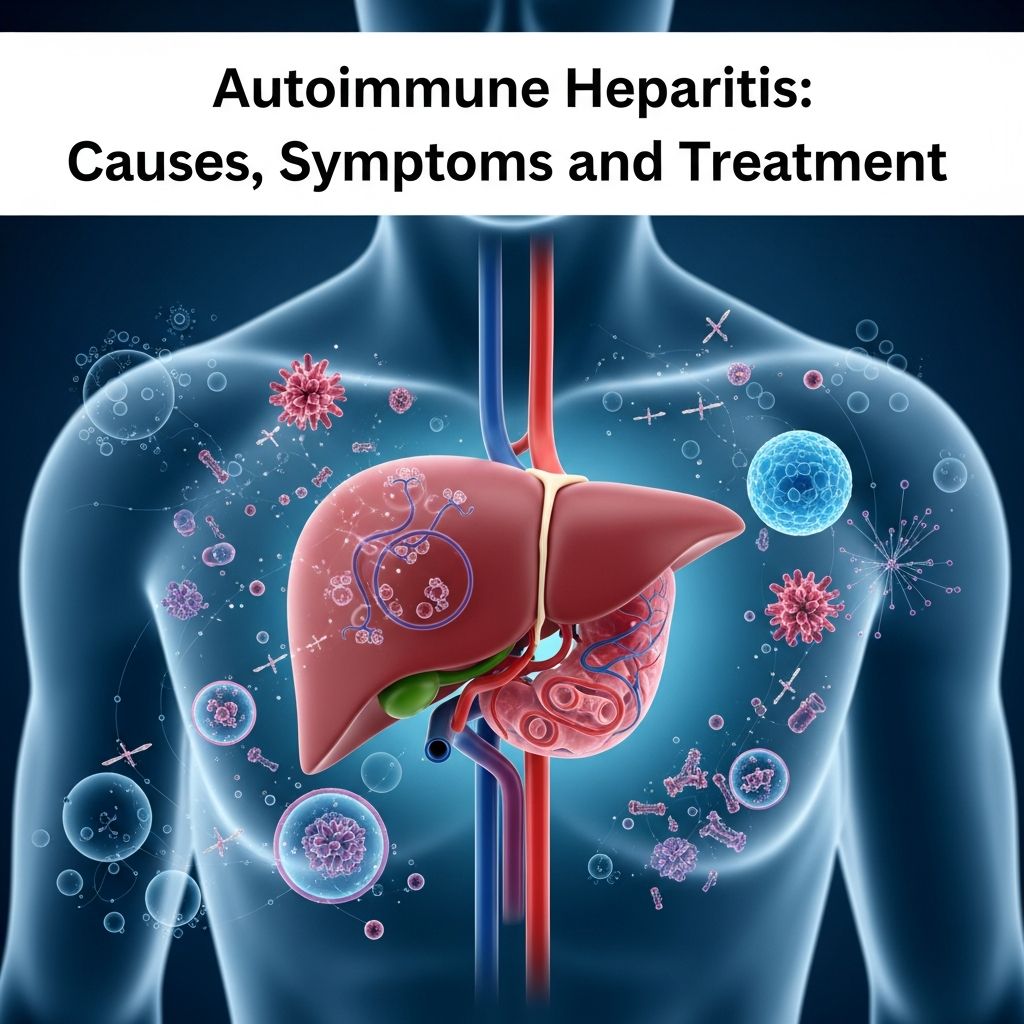
Autoimmune hepatitis (AIH) is a chronic liver disease in which the body’s immune system mistakenly attacks liver cells, causing inflammation and damage. This condition represents a primary liver disease occurring in the absence of any known external etiology, such as viral infections or alcohol consumption. AIH is a severe liver disease that arises in genetically predisposed individuals worldwide, affecting both males and females across various age groups.
In autoimmune hepatitis, the immune system fails to distinguish between harmful pathogens and the body’s own healthy liver cells. This autoimmune response triggers ongoing inflammation within the liver, potentially leading to progressive scarring (cirrhosis) and liver failure if left untreated. The condition can develop gradually or present acutely, with varying degrees of severity among affected individuals.
Types of Autoimmune Hepatitis
Autoimmune hepatitis is classified into distinct types based on specific antibody patterns and immunological markers. Understanding these classifications helps healthcare providers tailor treatment approaches to individual patient needs.
Type 1 Autoimmune Hepatitis
Type 1 AIH is the most common form, accounting for approximately 80% of cases in North America and Europe. This type is characterized by the presence of antinuclear antibodies (ANA) or anti-smooth muscle antibodies (ASMA). Type 1 AIH typically presents in adults, though it can occur in children. The disease often responds well to standard immunosuppressive therapy, making it generally more manageable than other types.
Type 2 Autoimmune Hepatitis
Type 2 AIH is characterized by the presence of anti-liver kidney microsomal-1 antibodies (anti-LKM-1) and is less common than Type 1. This form typically affects younger patients, particularly children and adolescents. Type 2 AIH tends to be more aggressive, with a higher likelihood of developing cirrhosis and progressing to liver failure. Patients with this type often require more intensive immunosuppressive therapy.
Type 3 Autoimmune Hepatitis
Type 3 AIH, identified by anti-soluble liver antigen (anti-SLA) antibodies, is a rarer variant. This classification distinguishes patients with unique immunological profiles and may influence treatment decisions and disease prognosis. Type 3 AIH often overlaps with features of other autoimmune liver diseases.
Causes and Risk Factors
The exact cause of autoimmune hepatitis remains incompletely understood, but research suggests a complex interplay between genetic predisposition and environmental triggers. Several factors contribute to disease development:
- Genetic predisposition: Certain human leukocyte antigen (HLA) alleles increase susceptibility to AIH. Individuals with family histories of autoimmune disease face elevated risk.
- Environmental triggers: Viral infections, medications, and toxin exposure may initiate autoimmune responses in genetically susceptible individuals.
- Sex hormones: The predominance of AIH in women suggests estrogen may play a modulating role in disease pathogenesis.
- Immune dysregulation: Defects in regulatory T cell function and altered immune tolerance contribute to disease development.
- Molecular mimicry: Similarities between foreign antigens and liver-specific proteins may trigger cross-reactive immune responses.
Related Stories



Symptoms and Clinical Presentation
Autoimmune hepatitis presents with highly variable clinical manifestations, ranging from asymptomatic disease discovered incidentally to acute hepatic failure. Symptom onset and severity differ significantly among patients.
Common Symptoms
Many patients experience fatigue as an early and often persistent symptom, significantly impacting quality of life. Additional common presentations include:
- Abdominal discomfort or pain, particularly in the upper right quadrant
- Jaundice (yellowing of skin and eyes)
- Dark urine indicating elevated bilirubin levels
- Pale or clay-colored stools
- Nausea and loss of appetite
- Joint and muscle aches
- Itching (pruritus)
Advanced Symptoms
As liver disease progresses, patients may develop symptoms indicating significant hepatic dysfunction. These include ascites (fluid accumulation in the abdomen), bleeding from enlarged esophageal veins (varices), confusion or encephalopathy, and signs of portal hypertension. Some patients may be asymptomatic, with disease discovered through abnormal liver function tests during routine medical examinations.
Diagnosis Methods
Accurate diagnosis of autoimmune hepatitis requires a comprehensive evaluation combining clinical assessment, laboratory testing, imaging studies, and sometimes liver biopsy.
Laboratory Tests
Blood tests reveal characteristic patterns of liver enzyme elevation and autoantibody presence. Serum aminotransferases (ALT and AST) are typically markedly elevated, often exceeding 10 times the upper limit of normal. Immunological markers including ANA, ASMA, anti-LKM-1, and anti-SLA antibodies help classify disease type. Total and direct bilirubin levels indicate cholestasis severity, while albumin and prothrombin time reflect hepatic synthetic function.
Imaging Studies
Ultrasound provides initial assessment of liver architecture, assesses for cirrhosis features, and evaluates the spleen. Advanced imaging such as magnetic resonance imaging (MRI) and elastography helps determine fibrosis stage and assess disease severity without requiring invasive procedures.
Liver Biopsy
While not always necessary for diagnosis, liver biopsy remains the gold standard for assessing histological severity and fibrosis stage. Characteristic findings include portal inflammation with lymphocyte and plasma cell infiltration, interface hepatitis (inflammation extending beyond the portal tract), and varying degrees of fibrosis. Biopsy findings guide treatment intensity decisions.
Scoring Systems
Standardized diagnostic criteria, including the simplified autoimmune hepatitis activity score, help establish diagnosis and assess disease severity. These systems integrate clinical, biochemical, and serological findings to calculate disease scores.
Treatment Options
Treatment goals in autoimmune hepatitis focus on suppressing the aberrant immune response, reducing inflammation, halting disease progression, and preventing complications. Treatment decisions depend on disease severity, symptoms, and individual patient factors.
First-Line Therapy
Corticosteroids, typically prednisone, form the cornerstone of initial therapy. Starting doses range from 0.5 to 1 mg/kg/day, then gradually tapered based on clinical and biochemical response. Azathioprine is frequently combined with reduced-dose corticosteroids to minimize steroid side effects while maintaining therapeutic benefit. This combination allows lower cumulative steroid exposure over time.
Alternative Therapies
For patients intolerant of or failing to respond to standard therapy, alternative immunosuppressive agents offer options. Mycophenolate mofetil demonstrates efficacy in some patients, particularly those with steroid intolerance. Tacrolimus, a calcineurin inhibitor, benefits selected patients. Newer biological therapies targeting specific immune pathways are emerging as potential treatment options in refractory cases.
Treatment Monitoring
Regular monitoring includes liver function tests, autoantibody titers, and clinical assessment. Imaging and repeat biopsies assess fibrosis progression and treatment response. Treatment adjustments follow standardized guidelines based on biochemical normalization and clinical improvement. Most patients require long-term maintenance therapy to prevent relapse.
Prognosis and Outcomes
Autoimmune hepatitis prognosis varies considerably based on disease type, severity at diagnosis, treatment response, and individual factors. Early diagnosis and treatment initiation significantly improve long-term outcomes. Approximately 80% of treated patients achieve biochemical remission within two years of therapy initiation.
Without treatment, AIH typically progresses to cirrhosis and liver failure, with approximately 40% of untreated patients developing cirrhosis within three years. Long-term remission occurs in many patients with appropriate therapy, though approximately 50% experience relapse after treatment discontinuation. Patients achieving sustained remission often require indefinite low-dose maintenance therapy to prevent disease recurrence.
Complications
Progressive liver disease leads to serious complications requiring careful monitoring and management. Cirrhosis develops when chronic inflammation causes extensive liver scarring, impairing hepatic function. Portal hypertension results from cirrhosis, causing elevated pressure within hepatic vasculature and leading to ascites, esophageal varices, and bleeding. Hepatic encephalopathy develops as the liver loses capacity to metabolize ammonia and other toxins. Liver cancer (hepatocellular carcinoma) risk increases significantly in cirrhotic patients. End-stage liver disease necessitates liver transplantation.
Living with Autoimmune Hepatitis
Lifestyle Modifications
Patients should avoid alcohol completely, as it accelerates liver damage. Maintaining a balanced, nutritious diet supports liver health and overall wellness. Regular moderate exercise improves fitness and reduces fatigue. Adequate sleep and stress management support immune function. Patients should avoid hepatotoxic medications and consult healthcare providers before initiating any new medications, supplements, or herbal remedies.
Medical Follow-Up
Regular appointments with hepatologists ensure appropriate disease monitoring and treatment optimization. Periodic laboratory testing tracks disease activity and treatment efficacy. Vaccinations against hepatitis A and B protect against additional liver injury. Screening for cirrhosis complications including portal hypertension, ascites, and hepatocellular carcinoma becomes important as disease advances.
Frequently Asked Questions
Q: Is autoimmune hepatitis contagious?
A: No, autoimmune hepatitis is not contagious. Unlike viral hepatitis, AIH cannot spread through blood, bodily fluids, or close contact. It is a non-infectious autoimmune condition affecting only the affected individual.
Q: Can autoimmune hepatitis go into remission?
A: Yes, many patients achieve biochemical and clinical remission with appropriate treatment. However, remission often requires long-term maintenance therapy, and relapse can occur if treatment is discontinued without proper medical supervision.
Q: What is the role of pregnancy in autoimmune hepatitis?
A: Many women with well-controlled AIH successfully complete pregnancies. However, disease management requires careful coordination with healthcare providers, as some immunosuppressive medications require dose adjustments during pregnancy. Regular monitoring ensures both maternal and fetal health.
Q: Can autoimmune hepatitis be cured?
A: Currently, autoimmune hepatitis cannot be cured, but it can be effectively managed with immunosuppressive therapy. With appropriate treatment, most patients achieve remission and live normal lifespans with good quality of life. Liver transplantation may be necessary for end-stage disease.
Q: How often should I have liver function tests?
A: Monitoring frequency depends on disease stage and treatment status. Initial diagnosis typically requires frequent testing (every 2-4 weeks), while stable patients on maintenance therapy usually require testing every 3-6 months. Your hepatologist will recommend appropriate monitoring intervals.
When to Seek Medical Attention
Patients should seek immediate medical care for signs of acute liver failure including severe jaundice, confusion, persistent vomiting, or abdominal swelling. Contact healthcare providers for persistent fatigue, abdominal pain, or changes in stool or urine color. Urgent evaluation is warranted for symptoms suggesting portal hypertension complications including vomiting blood, severe abdominal pain, or mental status changes.
References
- Autoimmune Hepatitis – Immunologically Triggered Liver Pathogenesis — Johns Hopkins University. 2024. https://pure.johnshopkins.edu/en/publications/autoimmune-hepatitis-immunologically-triggered-liver-pathogenesis/
- American Association for the Study of Liver Diseases (AASLD) Guidance on Autoimmune Hepatitis — AASLD. 2023. https://www.aasld.org/
- Autoimmune Hepatitis: Diagnosis and Management — National Institutes of Health, National Library of Medicine. 2024. https://pubmed.ncbi.nlm.nih.gov/
- Hepatology and Liver Disease Clinical Practice Guidelines — American College of Gastroenterology. 2023. https://gi.org/
- New-Onset Autoimmune Hepatitis in Young Patients — Johns Hopkins University. 2024. https://pure.johnshopkins.edu/en/publications/new-onset-autoimmune-hepatitis-in-young-patients-with-preexisting-4
Similar Articles








Read full bio of medha deb