Avascular Necrosis: Causes, Symptoms, and Treatment
Understanding avascular necrosis: bone death from lost blood flow and treatment options.
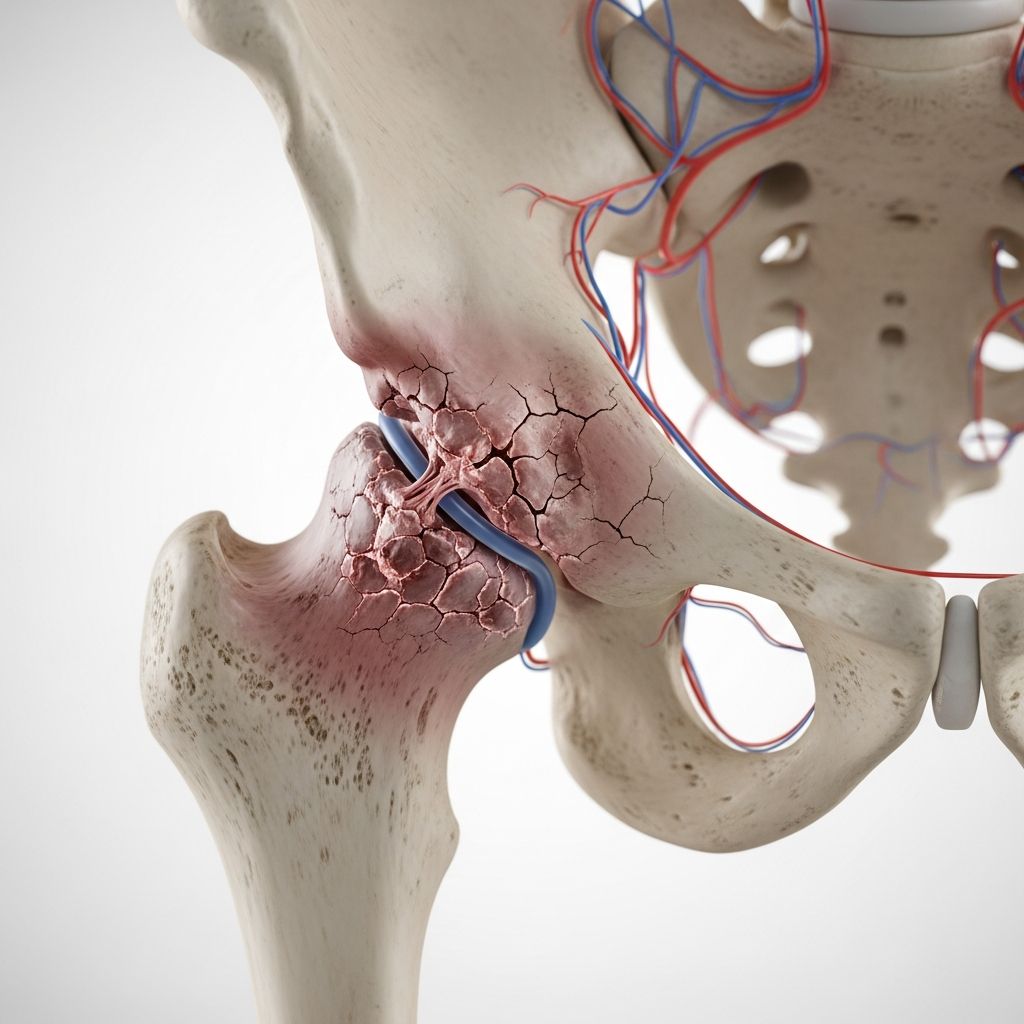
Avascular Necrosis: Understanding Bone Death and Loss of Blood Supply
Avascular necrosis, also known as osteonecrosis, is a serious degenerative bone condition that occurs when bone tissue dies due to a disruption in blood supply. This progressive disorder can lead to significant pain, joint dysfunction, and in severe cases, complete joint collapse if left untreated. Understanding this condition is crucial for early detection and effective management, as timely intervention can prevent irreversible damage to bones and joints.
What Is Avascular Necrosis?
Avascular necrosis is a disease characterized by the death of bone cells secondary to an interruption of blood flow to the affected bone tissue. Your bones require a constant supply of blood to receive essential nutrients and oxygen. When this blood supply is compromised, the bone tissue begins to die, a process known as necrosis. Without adequate blood flow, your skeletal system cannot produce new bone tissue quickly enough to replace the dying cells, leading to bone weakening and potential collapse.
The condition typically affects the epiphysis—the end regions of long bones—particularly at weight-bearing joints. The most common sites affected include the femoral head (hip), the knee, the talus (ankle), and the humeral head (shoulder). While avascular necrosis can develop in any bone, it most frequently impacts joints that bear the body’s weight and experience constant stress.
How Common Is Avascular Necrosis?
Avascular necrosis can develop at any age, though certain forms of the condition present more commonly in specific age groups. Secondary osteonecrosis of the knee, for example, typically presents in the sixth decade of life and is more prevalent in the female population. Regardless of demographics, this condition represents a significant health concern that requires prompt medical attention to prevent progressive deterioration.
Causes and Risk Factors
Traumatic Causes
Traumatic avascular necrosis develops following direct bone injury or joint damage. Hip fractures and dislocations are common traumatic causes, as the fracture can disrupt blood vessels supplying the femoral head. The severity of the initial injury and the specific location of the fracture determine whether avascular necrosis will subsequently develop. Even after successful fracture healing, compromised blood flow to the bone tissue can lead to delayed-onset avascular necrosis.
Nontraumatic Causes
Nontraumatic avascular necrosis develops without direct injury and is often associated with underlying medical conditions or certain treatments. Importantly, nontraumatic avascular necrosis frequently affects the same bones on both sides of your body, meaning that osteonecrosis in one shoulder may later develop in the opposite shoulder.
Medical conditions and treatments that may increase the risk of avascular necrosis include:
- Prolonged use of corticosteroid medications
- Alcohol abuse and excessive alcohol consumption
- Radiation therapy for cancer treatment
- Certain systemic diseases such as lupus and sickle cell disease
- HIV infection
- Bone marrow transplantation
- Pancreatitis and liver cirrhosis
- Gaucher disease and other metabolic disorders
- Idiopathic causes (no clear risk factor identified)
Symptoms and Clinical Presentation
Early Stages
In the beginning stages of avascular necrosis, the condition is typically asymptomatic. Many patients have no noticeable symptoms, and the disease may be discovered incidentally during routine imaging for other reasons. Physical examination findings are often normal during early disease, which inevitably causes delays in diagnosis. This absence of early warning signs makes regular medical check-ups essential for individuals with known risk factors.
Progressive Symptoms
As the disease progresses, symptoms typically emerge and gradually worsen. Common symptoms include:
- Mild to moderate pain in the affected joint, which may be difficult to localize
- Pain that radiates from the affected area to surrounding regions
- Decreased range of motion in the joint
- Stiffness in the affected joint
- Difficulty bearing weight on the affected limb
- Limping or altered gait pattern
- Progressive joint dysfunction
Pain Characteristics
In early stages, pain may improve with rest, leading some patients to delay seeking medical attention. However, as avascular necrosis advances, the pain often becomes more constant and severe, significantly impacting daily activities. The pain typically worsens with activity and weight-bearing, and may worsen gradually over time as bone collapse progresses.
Stages of Avascular Necrosis
Avascular necrosis progresses through distinct stages, each characterized by specific radiographic and clinical findings:
| Stage | Characteristics | Imaging Findings |
|---|---|---|
| Stage 1 | Early disease, typically asymptomatic or minimally symptomatic | MRI shows bone marrow edema; radiographs appear normal or show minor osteopenia |
| Stage 2 | First stage visible on standard radiographs | Sclerosis of the bone head, osteopenia, and/or subchondral cysts visible |
| Stage 3 | Partial collapse of the articular surface | Crescent sign appears on radiographs; joint space begins to narrow |
| Stage 4 | Advanced collapse with secondary arthritis | Widespread subchondral bone collapse and trabecular destruction visible |
| Stage 5 | End-stage disease with bilateral joint involvement | Both articular surfaces severely affected, resulting in joint dysfunction |
Diagnosis of Avascular Necrosis
Medical History and Physical Examination
Diagnosis begins with a thorough medical history, including questions about previous bone injuries, current medications, alcohol use, and any underlying medical conditions. Your healthcare provider will perform a physical examination to assess joint range of motion, pain with movement, and any signs of joint instability or dysfunction.
Imaging Studies
Magnetic Resonance Imaging (MRI): MRI is the most sensitive imaging modality for detecting avascular necrosis, particularly in early stages. MRI can detect bone marrow edema and other changes before any findings appear on standard radiographs, making it invaluable for early diagnosis.
X-rays (Radiographs): Standard radiographs may appear normal in early stages but become increasingly abnormal as the disease progresses. Characteristic findings include the crescent sign, sclerosis, and evidence of bone collapse in advanced stages.
CT Scans: Computed tomography may be used to obtain detailed images of bone structure and assess the extent of bone damage.
Bone Scans: Nuclear medicine bone scans can detect changes in bone metabolism and blood flow patterns.
Treatment Options
Conservative Management
Early-stage avascular necrosis may be managed with conservative approaches. These include restriction of weight-bearing activities to prevent further stress on the damaged bone, use of assistive devices such as crutches or canes, and nonsteroidal anti-inflammatory medications to manage pain and reduce inflammation. Physical therapy may help maintain joint range of motion and muscle strength.
Surgical Interventions
As avascular necrosis progresses, surgical treatment often becomes necessary. Surgical options include core decompression, which involves removing dead bone tissue to improve blood flow; bone grafting procedures to restore bone structure; vascularized fibular grafting to restore blood supply; and joint replacement surgery in advanced cases where joint destruction is severe.
Living with Avascular Necrosis
Managing avascular necrosis requires ongoing medical care and lifestyle modifications. Regular follow-up appointments with your healthcare provider are essential to monitor disease progression and adjust treatment as needed. Adhering to weight-bearing restrictions and activity modifications can help prevent rapid progression of the disease. If you have risk factors such as high-dose corticosteroid use or alcohol consumption, working with your healthcare team to modify these factors may help prevent development or progression of the condition.
Frequently Asked Questions
Q: Can avascular necrosis be prevented?
A: While not all cases can be prevented, reducing risk factors may help. If you require corticosteroid medications, use the lowest effective dose. Limit alcohol consumption, avoid smoking, and maintain a healthy lifestyle. If you have a bone injury, follow your doctor’s treatment recommendations to optimize healing.
Q: Is avascular necrosis permanent?
A: Avascular necrosis is a progressive condition without spontaneous reversal. However, early detection and appropriate treatment can slow progression and preserve joint function. Advanced cases often require surgical intervention, including joint replacement.
Q: How quickly does avascular necrosis progress?
A: Progression varies significantly among patients. Some individuals may have stable disease for extended periods, while others experience rapid deterioration. Factors including the size of the affected bone area, patient age, and underlying medical conditions influence progression rates.
Q: Can both sides of the body be affected?
A: Yes, nontraumatic avascular necrosis frequently affects both sides of the body. Bilateral involvement may occur simultaneously or at different times, making comprehensive medical evaluation important.
Q: What should I do if I suspect I have avascular necrosis?
A: Contact your healthcare provider promptly if you experience unexplained joint pain, particularly in the hip, knee, shoulder, or ankle. Early diagnosis and intervention can significantly impact outcomes and help preserve joint function.
References
- Osteonecrosis — National Center for Biotechnology Information (NCBI), National Library of Medicine. 2024. https://www.ncbi.nlm.nih.gov/books/NBK537007/
- Avascular Necrosis (AVN or Osteonecrosis): What It Is — Cleveland Clinic. 2024. https://my.clevelandclinic.org/health/diseases/14205-avascular-necrosis-osteonecrosis
- Avascular Necrosis Causes, Symptoms, and Treatment — University of Pittsburgh Medical Center (UPMC). 2024. https://www.upmc.com/services/orthopaedics/conditions/avascular-necrosis
- Avascular Necrosis of Bone — Golisano Children’s Hospital, University of Rochester Medical Center. 2024. https://www.urmc.rochester.edu/childrens-hospital/endocrinology/pediatric-bone-health-program/conditions-we-treat/avascular-necrosis-of-bone.aspx
- Avascular Necrosis — Physiopedia. 2024. https://www.physio-pedia.com/Avascular_Necrosis
- Definition of Avascular Necrosis — National Cancer Institute (NCI) Dictionary of Cancer Terms. 2024. https://www.cancer.gov/publications/dictionaries/cancer-terms/def/avascular-necrosis
- Osteonecrosis (Avascular Necrosis) — MedlinePlus, National Library of Medicine. 2024. https://medlineplus.gov/osteonecrosis.html
Similar Articles





Read full bio of Sneha Tete