Average Heart Rate: Normal Ranges, Targets, And Charts
Understand normal heart rates by age, factors affecting them, and when to seek medical advice for optimal heart health.
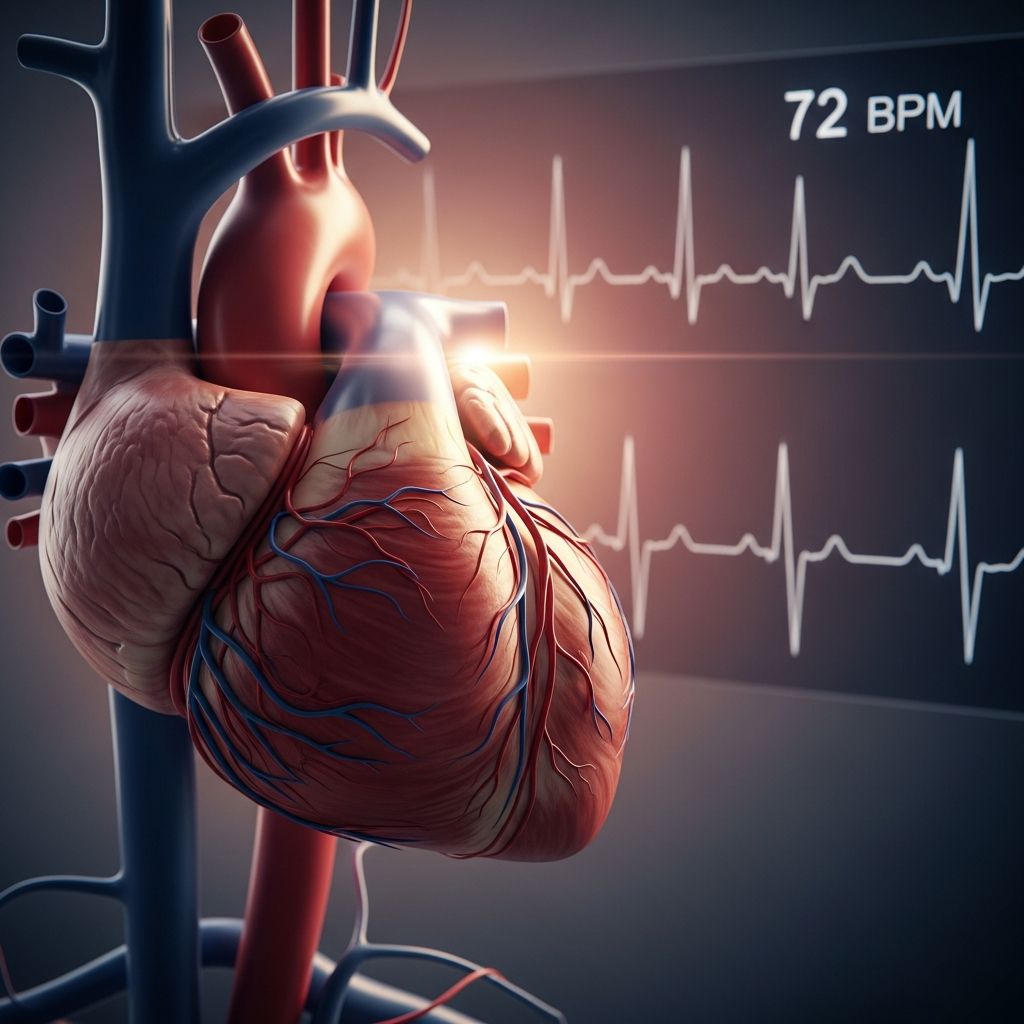
Your heart rate, measured in beats per minute (bpm), is a key indicator of cardiovascular health. Understanding what constitutes a normal average heart rate can help you monitor your well-being and detect potential issues early. This comprehensive guide covers resting heart rates by age, target rates during exercise, influencing factors, and when to consult a healthcare provider.
What Is a Normal Resting Heart Rate?
A normal resting heart rate for most adults ranges from
60 to 100 beats per minute (bpm)
when awake and at rest. This measurement is taken while sitting or lying down, calm, and not recently active. Athletes or highly fit individuals often have lower rates, sometimes as low as 40 bpm, indicating efficient heart function.Resting heart rate provides insights into heart efficiency; a lower rate in fit people means the heart pumps more blood per beat, reducing workload. Real-world data from large studies, like the Health eHeart Study with over 66,000 participants, shows a mean heart rate of 79.1 bpm, with 95th percentiles varying by age: ≤110 bpm for 18–45 years, ≤100 bpm for 45–60 years, and ≤95 bpm for those over 60.
Resting Heart Rate by Age
Heart rates differ significantly across life stages. Newborns have the highest rates, which decrease as the body grows and the heart strengthens. Below is a table of typical resting heart rates by age group, based on clinical guidelines.
| Age | Normal Resting Heart Rate (bpm) |
|---|---|
| Birth to 4 weeks (newborn) | 100 to 205 |
| 4 weeks to 1 year (infant) | 100 to 180 |
| 1 to 3 years (toddler) | 98 to 140 |
| 3 to 5 years (preschool) | 80 to 120 |
| 5 to 12 years (school age) | 75 to 118 |
| 13 to 17 years (adolescent) | 60 to 100 |
| 18+ years (adult) | 60 to 100 |
*These are awake, non-exercising rates; sleep lowers them further.* Adolescents align with adult norms, reflecting maturing cardiovascular systems.
What Is Target Heart Rate?
During exercise, your
target heart rate
is the safe, effective range for cardiovascular benefits without overexertion. It’s typically 50-85% of your maximum heart rate, estimated as 220 minus your age. Moderate activity aims for 50-70%, vigorous for 70-85%.The American Heart Association provides this age-based chart for target zones and max rates:
| Age | Target HR Zone 50-85% (bpm) | Age-Predicted Max HR (bpm) |
|---|---|---|
| 20 years | 100-170 | 200 |
| 30 years | 95-162 | 190 |
| 35 years | 93-157 | 185 |
| 40 years | 90-153 | 180 |
| 45 years | 88-149 | 175 |
| 50 years | 85-145 | 170 |
| 55 years | 83-140 | 165 |
| 60 years | 80-136 | 160 |
| 65 years | 78-132 | 155 |
| 70 years | 75-128 | 150 |
These are averages; consult a doctor for personalized targets, especially with health conditions.
Factors That Affect Heart Rate
Several variables influence heart rate beyond age and fitness:
- Physical Activity: Regular exercise lowers resting rates; sedentary lifestyles raise them.
- Emotions and Stress: Anxiety or excitement elevates rates via adrenaline.
- Medications: Beta-blockers slow it; stimulants like caffeine speed it up.
- Hormones and Pregnancy: Hormonal shifts, including pregnancy, increase baseline rates.
- Sleep and Body Weight: Poor sleep or excess weight raises rates; quality rest lowers them.
- Medical Conditions: Conditions like diabetes or hypertension correlate with higher rates (79.6 bpm vs. 77.6 bpm without).
- Season and Day: Rates peak in winter (79.1 bpm) and on weekdays; heart rate variability is highest in summer.
Related Stories



Wearables aid tracking but vary in accuracy; compare with manual checks (wrist or neck pulse for 30-60 seconds).
When to See a Doctor
Consult a provider if resting rates consistently fall outside norms:
- Tachycardia (high): Adults >100 bpm at rest may indicate anemia, thyroid issues, infection, or heart conditions.
- Bradycardia (low): <60 bpm in non-athletes could signal heart block or hypothyroidism; symptoms like dizziness warrant immediate care.
During exercise, stay within targets; exceeding max or symptoms like chest pain, shortness of breath, or fainting require urgent attention. Real-world data notes higher rates in those with conditions, emphasizing monitoring.
How to Check Your Heart Rate
- Find your pulse (wrist radial or neck carotid).
- Count beats for 30 seconds, multiply by 2 (or 60 for full minute).
- Rest 5-10 minutes prior for accuracy.
- Use fitness trackers, but verify periodically.
Morning checks, pre-caffeine, yield best resting values.
Frequently Asked Questions (FAQs)
What’s a normal resting heart rate by age?
Adults: 60-100 bpm; children higher, newborns 100-205 bpm. See age table above.
Does fitness lower resting heart rate?
Yes, athletes often 40-60 bpm due to stronger hearts.
How accurate are smartwatches for heart rate?
Generally good, but not perfect; manual checks recommended.
Can stress cause high heart rate?
Yes, emotional stress temporarily raises it.
When is high heart rate dangerous?
>100 bpm at rest persistently, or with symptoms like palpitations—see a doctor.
Heart Rate Monitoring Tips
Track trends over time rather than single readings. Apps and devices log data, revealing patterns like elevated rates with illness. Combine with blood pressure for full cardiovascular picture. Lifestyle tweaks—exercise, stress management, healthy weight—optimize rates naturally.
In summary, knowing your average heart rate empowers proactive health management. Regular checks, awareness of factors, and professional guidance ensure your heart stays in rhythm.
References
- Real-world heart rate norms in the Health eHeart study — PMC / Avram et al. 2019-06-27. https://pmc.ncbi.nlm.nih.gov/articles/PMC6592896/
- Target Heart Rates Chart — American Heart Association. 2023-10-01. https://www.heart.org/en/healthy-living/fitness/fitness-basics/target-heart-rates
- What’s a Normal Heart Rate? — Cleveland Clinic. 2023-08-15. https://my.clevelandclinic.org/health/diagnostics/heart-rate
- What’s a normal resting heart rate? — Mayo Clinic. 2024-02-10. https://www.mayoclinic.org/healthy-lifestyle/fitness/expert-answers/heart-rate/faq-20057979
Similar Articles








Read full bio of medha deb