Average Weight For Women: A Comprehensive Guide
Discover the average weight for women by age, height, and BMI, plus ideal ranges and health insights for better wellness.
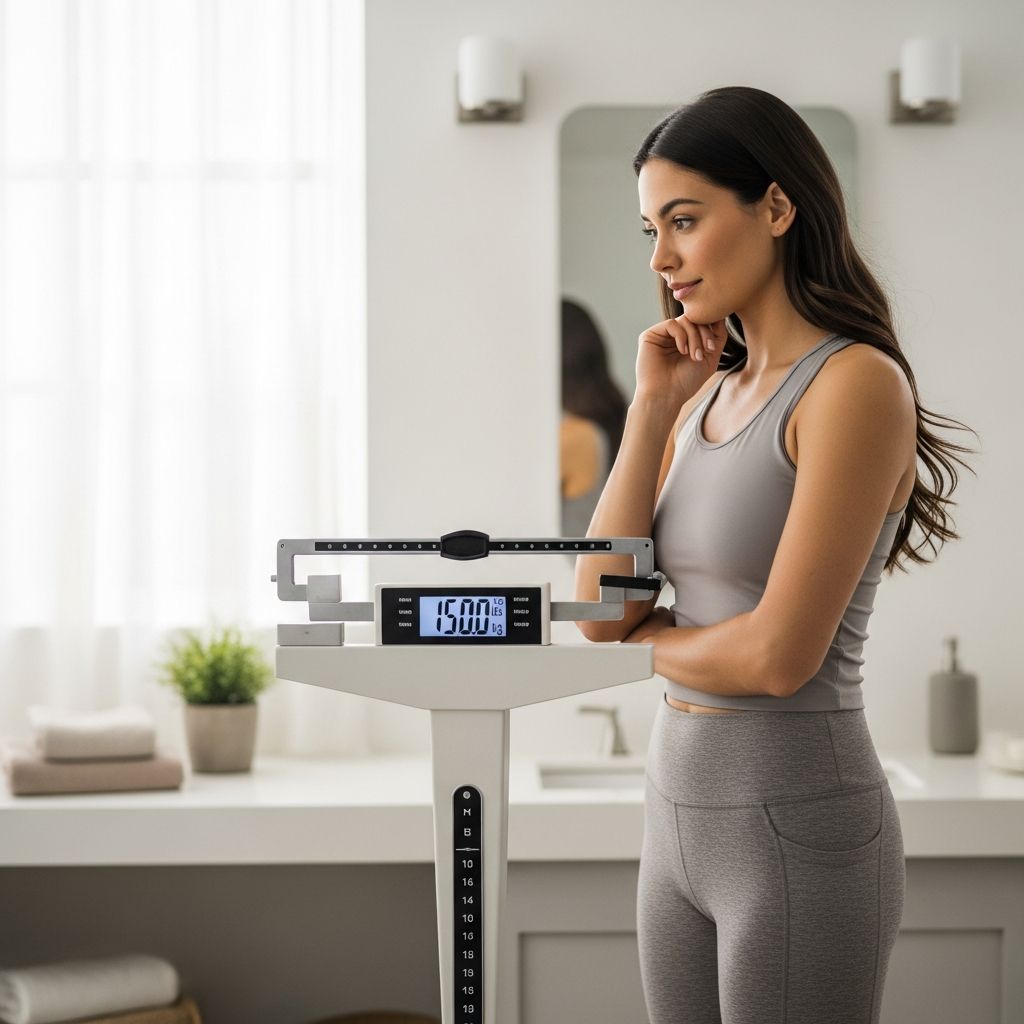
The average weight for American women aged 20 and older is 170.8 pounds, with an average height of about 5 feet 3.5 inches, according to Centers for Disease Control and Prevention (CDC) data. However, this statistical average does not define individual health, as factors like muscle mass, age, height, and body composition play crucial roles. Understanding average weights provides context, but tools like BMI, waist-to-hip ratio, and body fat percentage offer better insights into wellness.
What Is the Average Weight for Women?
According to the CDC’s National Health and Nutrition Examination Survey (NHANES), U.S. women over age 20 weigh an average of 170.8 pounds on average. This figure has risen steadily over decades due to dietary patterns, sedentary lifestyles, and socioeconomic influences. For context, the average BMI for U.S. adult women is 29.8, falling in the overweight category (25-29.9).
Average weights vary by age group:
- 20–39 years: 167.6 pounds
- 40–59 years: 176.4 pounds
- 60+ years: 166.5 pounds
Globally, U.S. women tend to weigh more than peers in other countries, with nearly 42% classified as obese and 27.5% overweight. These trends highlight public health concerns like increased risks for type 2 diabetes, heart disease, and high cholesterol.
Average Weight for Women by Age
Weight fluctuates across life stages due to metabolism changes, hormonal shifts, and lifestyle factors. Younger women (20-39) average 167.6 pounds, often due to higher activity levels. Middle-aged women (40-59) peak at 176.4 pounds, influenced by menopause and slower metabolism. Post-60, averages drop to 166.5 pounds, partly from muscle loss (sarcopenia) and reduced calorie needs.
A Hims & Hers survey revealed 83% of Americans, including women, are dissatisfied with their weight, aiming to lose about 42 pounds on average. Women perceive the ‘ideal’ at 139-144 pounds, far below the national average, underscoring body image pressures.
Height-Weight Charts for Women
Ideal weights depend heavily on height. BMI, calculated as weight (kg)/height (m²), standardizes this. A healthy BMI (18.5-24.9) translates to these ranges:
| Height | Weight Range (lbs, BMI 18.5-24.9) |
|---|---|
| 4’10” | 91–115 |
| 4’11” | 94–119 |
| 5’0″ | 97–123 |
| 5’1″ | 100–127 |
| 5’2″ | 104–131 |
| 5’3″ | 107–135 |
| 5’4″ | 110–140 |
| 5’5″ | 114–144 |
| 5’6″ | 118–148 |
| 5’7″ | 121–153 |
| 5’8″ | 125–158 |
| 5’9″ | 128–162 |
| 5’10” | 132–167 |
| 5’11” | 136–172 |
| 6’0″ | 140–177 |
| 6’1″ | 144–182 |
| 6’2″ | 148–186 |
For a 5’4″ woman, the ideal range is 110-140 pounds; for 5’7″, it’s 121-153 pounds. These charts assume moderate BMI but overlook muscle vs. fat differences.
Ideal Weight for Women
No universal ‘ideal’ exists, as it varies by frame size, muscle mass, and genetics. BMI provides a starting point:
| BMI Category | Range |
|---|---|
| Underweight | <18.5 |
| Normal | 18.5–24.9 |
| Overweight | 25–29.9 |
| Obesity | ≥30 |
BMI limitations include ignoring muscle (heavier than fat) and not assessing fat distribution. Athletes may have ‘overweight’ BMI yet low body fat.
BMI Limitations and Better Measures
While useful, BMI doesn’t differentiate fat from muscle or visceral fat risks. Waist circumference and waist-to-hip ratio (WHR) are superior for health risks.
WHO guidelines for women:
| Measure | Cut-off | Risk |
|---|---|---|
| Waist Circumference | >80 cm (31.5 in) | Increased |
| Waist Circumference | >88 cm (34.6 in) | Substantially Increased |
| WHR | ≥0.85 | Substantially Increased |
Related Stories



Calculate WHR: waist (cm) ÷ hips (cm). A ratio >0.71 signals visceral fat risks like heart disease, stroke, diabetes, and breast cancer. Keep waist ≤31.5 inches.
Body fat percentage offers precision:
| Condition | Percentage (Women) |
|---|---|
| Essential Fat | 10–13% |
| Athletes | 14–20% |
| Fitness | 21–24% |
| Acceptable | 25–31% |
| Obesity | >32% |
Factors Affecting Ideal Weight
Age
Metabolism slows ~2-8% per decade after 30, reducing calorie needs by 100-200 daily. Hormonal changes like menopause add abdominal fat.
Height and Frame Size
Taller women naturally weigh more for the same BMI. Small frame: subtract 10% from midpoint; large frame: add 10%.
Muscle Mass and Activity
Muscle boosts metabolism; sedentary lifestyles promote fat gain. Strength training preserves lean mass.
Genetics and Ethnicity
Genes influence 40-70% of weight variation. Ethnic differences affect fat distribution and BMI cutoffs.
Hormones and Health Conditions
Thyroid issues, PCOS, or medications alter weight. Consult professionals for personalized assessment.
How to Achieve a Healthy Weight
Motivations include health, performance, and aesthetics. Strategies:
- Balanced Diet: Emphasize whole foods, veggies, proteins; limit processed sugars. Aim for 500-calorie deficit for 1 lb/week loss.
- Exercise: 150 min moderate cardio + strength training weekly. HIIT burns fat efficiently.
- Sleep and Stress: 7-9 hours/night; manage cortisol via mindfulness.
- Hydration: 11 cups water daily for women.
- Tracking: Monitor BMI, WHR, body fat via calipers or DEXA scans.
Sustainable changes outperform fad diets. Seek medical advice for obesity (BMI≥30), as 31.9% of U.S. adults face it.
Frequently Asked Questions
What is the average weight for a woman?
170.8 pounds for U.S. women 20+.
What is the ideal weight for a 5’4″ woman?
110-140 pounds (BMI 18.5-24.9).
How much should a 5’7″ woman weigh?
121-153 pounds.
Is BMI accurate for women?
It’s a screening tool but misses muscle/fat details; use with WHR.
What waist size is healthy for women?
≤31.5 inches; >34.6 inches raises substantial risks.
References
- Average weight for women: Healthy and ideal ranges — Medical News Today. 2018-01-20. https://www.medicalnewstoday.com/articles/321003
- What Is the Average Weight for Women? — Hims & Hers (ForHers). 2025-02-13. https://www.forhers.com/blog/average-weight-for-women
- Average Weight for Women by Age and Height — Healthline. 2023-05-15. https://www.healthline.com/health/womens-health/average-weight-for-women
- Healthy Weight — Harvard T.H. Chan School of Public Health Nutrition Source. 2024-01-01. https://nutritionsource.hsph.harvard.edu/healthy-weight/
Similar Articles








Read full bio of medha deb