Avocado Health Benefits: 9 Reasons to Boost Your Wellbeing
Discover the impressive nutritional profile and science-backed health advantages of avocados, from heart health to weight management.
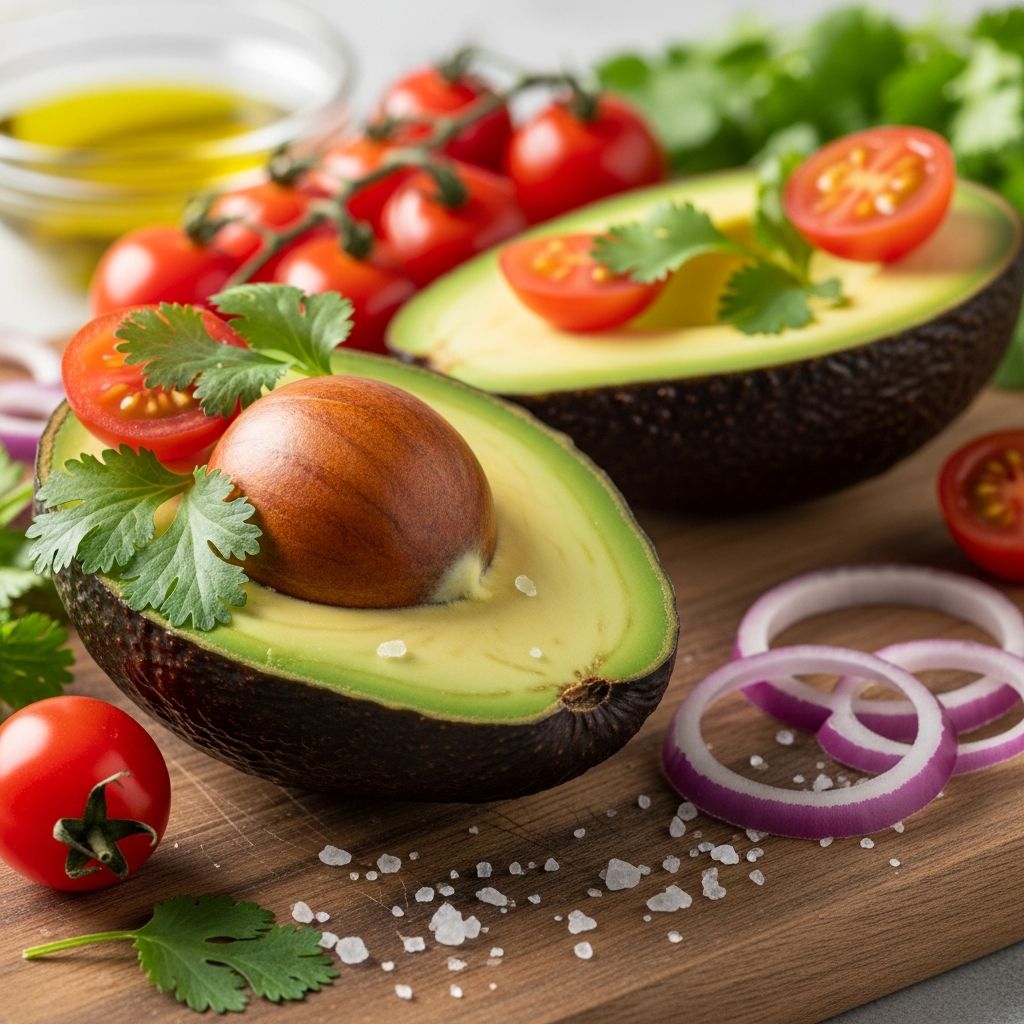
Avocados are a nutrient powerhouse, distinguished from most fruits by their high healthy fat content, low sugar levels, and rich supply of vitamins, minerals, fiber, and phytonutrients. Unlike typical fruits high in carbohydrates, avocados provide monounsaturated fats that promote heart health, aid nutrient absorption, and support satiety.
Nutrition Facts
A half large avocado (about 100g) delivers approximately 166 calories, 2g protein, 6g fiber, and 15g fat with zero cholesterol. This composition makes it exceptionally nutrient-dense, contributing nearly 20 different nutrients and phytonutrients per serving.
- Fats: Predominantly monounsaturated fats (71% of total fat), including oleic acid, which lower LDL cholesterol and support cardiovascular health.
- Fiber: Around 6-7g per half avocado, combining soluble and insoluble types to aid digestion, blood sugar control, and cholesterol management.
- Low in carbs and sugars: Naturally carb-free compared to other fruits, ideal for low-glycemic diets.
- Potassium: High levels (460mg per 75g serving) with low sodium (7mg), promoting healthy blood pressure.
| Nutrient (per 1/2 avocado) | Amount | % Daily Value* |
|---|---|---|
| Calories | 166 | 8% |
| Total Fat | 15g | 19% |
| Fiber | 6g | 21% |
| Potassium | 485mg | 10% |
| Vitamin C | 10mg | 11% |
| Vitamin E | 2mg | 13% |
| Folate | 81mcg | 20% |
| *Based on a 2,000 calorie diet. Sources: USDA via | ||
9 Health Benefits of Avocados
1. Promote Heart Health
Avocados’ monounsaturated fats reduce LDL (bad) cholesterol by up to 23% and boost HDL (good) cholesterol by 14%, lowering heart disease and stroke risk. Studies show avocado-enriched diets decrease total cholesterol by 16-20%, even in those with type 2 diabetes. The potassium-to-sodium ratio further supports blood pressure control.
2. High in Antioxidants
Rich in vitamins C (6mg per half) and E (1.34mg per half), plus carotenoids like lutein and zeaxanthin, avocados combat free radicals, protect cells, boost immunity, and aid wound healing. Glutathione levels (19mg per half) correlate with reduced cancer risk.
3. Nutrient Absorption
The healthy fats enhance absorption of fat-soluble vitamins (A, D, E, K) and carotenoids from other foods. Consuming avocados with salads increases carotenoid bioavailability multi-fold, amplifying eye and overall health benefits.
4. Aid Digestion
With 6g fiber per serving, avocados support gut microbiome, regular bowel movements, and cholesterol reduction via soluble fiber. This combination helps control blood glucose and promotes satiety.
5. Help with Weight Management
Despite high calories, avocados’ fats and fiber increase fullness, aiding appetite control. Clinical trials show daily avocado intake in calorie-restricted diets supports weight loss without compromising results, reducing BMI and body fat.
6. Support Eye Health
Lutein and zeaxanthin, transported by HDL cholesterol, protect against cataracts and macular degeneration. Avocados’ fats boost their absorption, reducing oxidative stress in the eyes.
7. Packed with B Vitamins
Excellent source of folate (essential for DNA synthesis, pregnancy, and immunity), plus B6, niacin, riboflavin, and pantothenic acid for energy production and cell function.
8. May Improve Blood Sugar Control
Low carbs, high fiber, and magnesium help regulate glucose levels. Avocado consumers show better metabolic profiles, with potential benefits for type 2 diabetes management.
Related Stories



9. Bone and Muscle Support
Magnesium and potassium aid muscle function, nerve signaling, bone synthesis, and heart rhythm. Small amounts of iron and calcium contribute to overall mineral balance.
Avocado Nutrition Breakdown
Avocados stand out for their unique profile: high in heart-healthy fats (71% MUFA), fiber (soluble and insoluble), and potassium, while low in sodium, sugars, and carbs. This makes them a recommended healthy fat alternative to butter per dietary guidelines.
- Monounsaturated fats: Suppress inflammation, improve lipid profiles.
- Polyphenols and carotenoids: Antioxidant protection.
- Minerals: Magnesium for energy and glucose control.
How to Incorporate Avocados Into Your Diet
Add avocados to salads, smoothies, toast, or as a spread. A 75g serving (half small avocado) fits most diets. Pair with veggies to maximize nutrient absorption. They’re suitable for babies as a first food due to soft texture and nutrients, and vital for pregnancy via folate.
- Breakfast: Avocado toast with eggs.
- Lunch: Salad with avocado dressing.
- Dinner: Grilled fish with avocado salsa.
- Snacks: Guacamole with veggies.
Potential Downsides and Precautions
High calorie density means moderation (1/2-1 per day). Those with latex-fruit syndrome may react. Always consult a doctor for personalized advice, especially with medical conditions.
Frequently Asked Questions (FAQs)
Are avocados good for heart health?
Yes, their monounsaturated fats improve cholesterol levels and reduce cardiovascular risk, as shown in multiple clinical studies.
Do avocados help you lose weight?
They promote satiety and support weight loss in calorie-controlled diets without hindering fat reduction.
Are avocados keto-friendly?
Absolutely, low in net carbs (2g per half) and high in healthy fats.
Can avocados benefit eye health?
Yes, lutein and zeaxanthin protect against age-related macular degeneration.
How much avocado should I eat daily?
Half to one avocado (70-140g) provides benefits without excess calories.
References
- Health Benefits of Avocados — Advanced Health. 2022-01. https://advancedhealth.com/wp-content/uploads/2022/01/52-Jan-Avocado-handout.pdf
- Avocado Nutrition and Health: Reviewing the Scientific Evidence — Australian Avocados. 2022-07. https://www.australianavocados.com.au/wp-content/uploads/2022/07/Avo_Health_Report_2022_Online.pdf
- Hass Avocado Composition and Potential Health Effects — PMC (NCBI). 2013-06-12. https://pmc.ncbi.nlm.nih.gov/articles/PMC3664913/
- What are the health benefits of avocados? — Harvard T.H. Chan School of Public Health. 2024-06-12. https://hsph.harvard.edu/news/what-are-the-health-benefits-of-avocados/
Similar Articles








Read full bio of medha deb