Avocado Nutrition: Health Benefits and Easy Recipes
Discover avocado's nutritional powerhouse: heart-healthy fats, fiber, and simple recipes for better health.
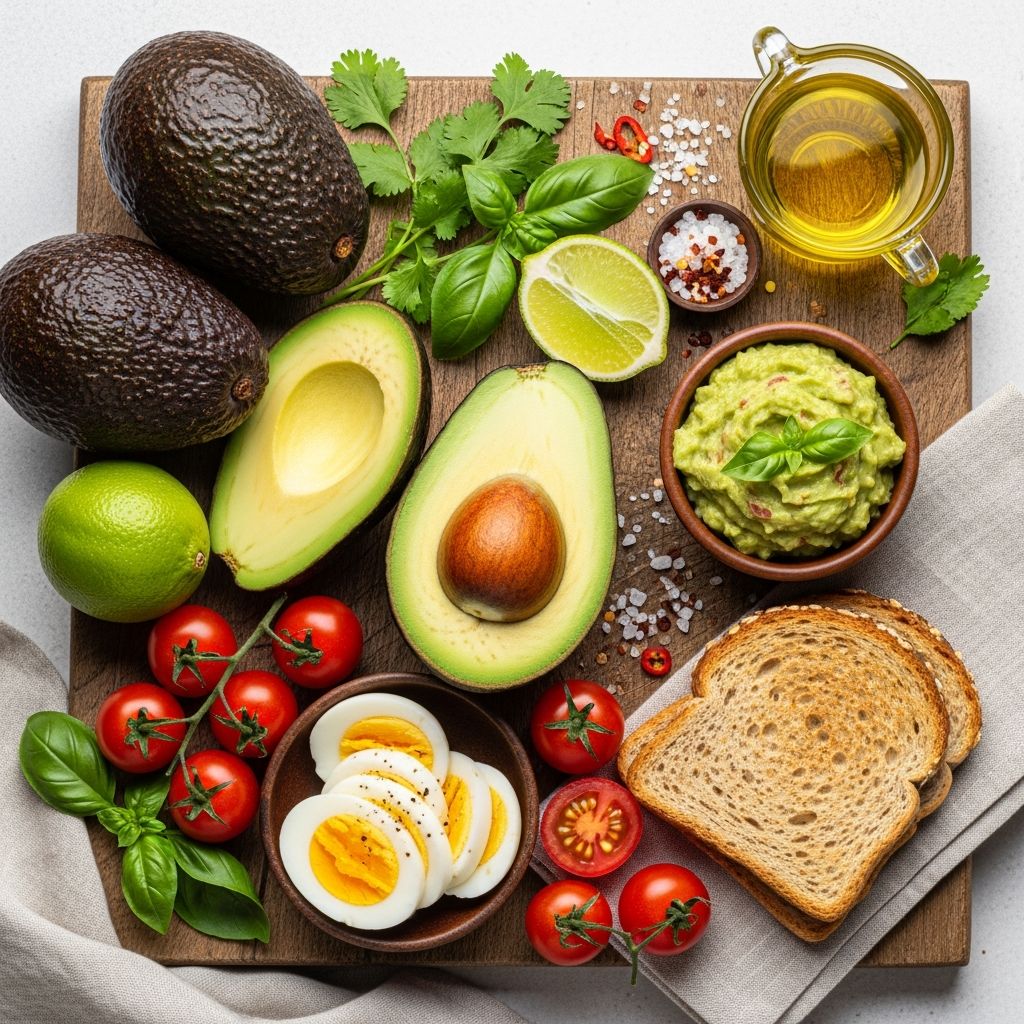
Avocados have emerged as one of the most nutrient-dense foods available, offering a unique nutritional profile that sets them apart from typical fruits. Unlike most fruits that are carbohydrate-rich, avocados are characterized by their high healthy fat content and impressive fiber profile. This distinctive composition has made them increasingly popular among health-conscious individuals, nutritionists, and those following various dietary approaches from Mediterranean to ketogenic diets.
Understanding Avocado Nutrition
Nutritional Composition
A whole medium avocado contains approximately 240 calories and offers a remarkably balanced nutritional package. The macronutrient breakdown includes 13 grams of carbohydrates, 3 grams of protein, and 22 grams of fat, with 10 grams of fiber and minimal sodium at 11 milligrams. What makes this composition exceptional is the quality of fats: 15 grams are heart-healthy monounsaturated fats, 4 grams are polyunsaturated fats, and only 3 grams are saturated fats. Additionally, avocados contain zero cholesterol, making them an excellent choice for those monitoring cholesterol intake.
Key Micronutrients and Vitamins
Beyond macronutrients, avocados deliver an impressive array of vitamins and minerals essential for optimal health:
- B vitamins for energy metabolism and nervous system function
- Vitamin C for immune support and antioxidant protection
- Vitamin E for cellular protection and skin health
- Vitamin K for bone health and blood clotting
- Folate for DNA synthesis and cell division
- Potassium for heart function and blood pressure regulation
- Magnesium for muscle and nerve function
- Carotenoids including lutein and zeaxanthin for eye health
Fat Profile: The Heart of Avocado Nutrition
The primary type of monounsaturated fat in avocados is oleic acid, the same beneficial fatty acid found abundantly in olive oil. Approximately 67% of the fat in avocados is monounsaturated, making them one of the highest-fat plant foods available. This nutrient profile has contributed to their popularity in vegan and vegetarian diets as a significant source of plant-based fats. Half an avocado provides up to 20% of the daily recommended fiber, 10% of potassium, 5% of magnesium, and 15% of folate, along with 7.5 grams of monounsaturated fatty acids.
Health Benefits of Avocado Consumption
Cardiovascular Disease Prevention
One of the most extensively researched health benefits of avocado consumption is its protective effect against cardiovascular disease. A landmark long-term study followed approximately 69,000 women and 42,000 men over 30 years to examine the relationship between avocado intake and cardiovascular disease risk. The findings were striking: individuals who consumed two or more servings of avocado weekly (with one serving defined as half an avocado) showed a 16% lower risk of cardiovascular disease and a 21% lower risk of heart disease compared to those who did not consume avocados.
The cardiovascular benefits were particularly pronounced when avocados replaced high-fat foods such as whole-milk dairy products (butter, cheese, yogurt), processed meats (hot dogs, bacon, sausage), and eggs. Notably, similar heart-protective benefits were observed when swapping other high-fat plant foods like nuts or olive oil with avocado, indicating that the beneficial effect comes from replacing less healthy fat sources.
Cholesterol Management
Avocados play a significant role in managing cholesterol levels through multiple mechanisms. As plant foods, avocados contain zero cholesterol, which is advantageous for anyone following a cholesterol-lowering diet. More importantly, they contain phytosterols, or plant sterols, which have a chemical structure similar to cholesterol but are poorly absorbed in the intestines. According to the American Heart Association, phytosterols have been demonstrated to reduce both total and LDL cholesterol levels by interfering with cholesterol absorption in the digestive tract.
Related Stories



Research has consistently shown that replacing saturated fats with avocado-based diets can improve cholesterol profiles. Studies demonstrate that avocado-containing diets show comparable or reduced levels of triglycerides, LDL cholesterol, and total cholesterol when compared to low-fat, cholesterol-lowering diets. One high-quality controlled feeding trial found that avocado-containing diets significantly reduced LDL cholesterol, total cholesterol, and harmful LDL particle numbers more effectively than diets using comparable fatty acids from other sources.
Blood Pressure Regulation
Avocados are an exceptional source of potassium, a mineral crucial for blood pressure regulation. One serving of a medium avocado provides 487 milligrams of potassium—more than a medium banana, which contains 422 milligrams. Potassium maintains normal fluid levels inside cells and helps muscles contract properly. As an electrolyte, potassium also sends electrical signals throughout the heart, supporting a steady and healthy heartbeat.
Type 2 Diabetes Prevention and Management
The nutritional profile of avocados makes them particularly beneficial for individuals at risk of type 2 diabetes or those managing the condition. Avocados are excellent sources of fiber with minimal carbohydrate content, characteristics that support stable blood sugar levels. They have a low glycemic index of approximately 40, well below the threshold of 55 that defines low glycemic foods. Low glycemic index foods are significantly less likely to cause rapid surges in blood glucose levels.
Large epidemiological studies have demonstrated that replacing saturated fats with unsaturated fats—both monounsaturated and polyunsaturated—can enhance insulin sensitivity and reduce the risk of developing type 2 diabetes. These nutritional components combine to create an ideal food for both preventing and managing type 2 diabetes.
Weight Management and Metabolic Health
Population data indicate that avocado consumers tend to have superior metabolic health markers compared to non-consumers. Those who regularly eat avocados typically display higher levels of HDL (good) cholesterol, lower risk of metabolic syndrome, and reduced body weight, body mass index, and waist circumference when accounting for lifestyle and sociodemographic factors.
Avocados in Healthy Dietary Patterns
The nutritional profile of avocados aligns exceptionally well with recognized healthful dietary patterns. They fit seamlessly into Mediterranean and DASH (Dietary Approaches to Stop Hypertension) diets, both of which emphasize plant-based foods and healthy fats. For individuals following lower-carbohydrate diets, whether for diabetes management or general health, avocados provide satisfying fat content without excessive carbohydrates. Their neutral, slightly earthy flavor and creamy texture make them versatile additions to numerous dishes without overpowering other ingredients.
Simple Ways to Incorporate Avocados into Your Diet
Easy Avocado Recipes and Serving Ideas
Incorporating avocados into daily meals requires minimal preparation and offers tremendous flexibility. Here are accessible ways to enjoy this nutritious fruit:
Classic Simple Serving
The most straightforward preparation involves cutting an avocado in half lengthwise, removing the pit, and drizzling the flesh with fresh lemon or lime juice. Eat directly from the skin using a spoon for a quick, nutritious snack or side dish. This method takes less than two minutes and requires no cooking skills.
Salad Additions
Slice or cube avocado and add to green salads, grain bowls, or pasta salads. The creamy texture complements crisp vegetables and various dressings beautifully. Avocados work particularly well in Mediterranean salads with tomatoes, cucumbers, and feta cheese, or in Asian-inspired bowls with sesame oil and ginger dressing.
Sandwich and Toast Enhancements
Mash ripe avocado onto whole grain bread or toast, season with salt, pepper, and red pepper flakes, and top with poached eggs, sliced tomatoes, or smoked salmon. This creates a satisfying breakfast or lunch that combines healthy fats with protein.
Creamy Dressings and Sauces
Blend avocado with Greek yogurt, lime juice, garlic, and cilantro to create a creamy salad dressing or vegetable dip. The slightly earthy but neutral flavor of avocados works well in sauces, salad dressings, and other preparations that benefit from richness without strong flavor competition.
Smoothies and Beverages
Add half an avocado to smoothies for creaminess and nutritional density. Combine with spinach, banana, almond milk, and protein powder for a balanced meal replacement that provides healthy fats, fiber, and sustained energy.
Grain Dishes and Bowls
Top grain-based dishes like quinoa bowls, rice preparations, or farro salads with diced avocado for added nutrition and satisfying texture. The creamy nature of avocado complements nutty grains exceptionally well.
Baked Goods and Creative Applications
Surprisingly, mashed avocado can be incorporated into certain baked goods as a healthy fat replacement. Additionally, a ripe mashed avocado is sometimes used as a facial mask due to its high content of hydrating oils and vitamin E, extending the utility of this remarkable fruit beyond culinary applications.
Choosing and Storing Avocados
Selecting Ripe Avocados
Choose avocados that yield slightly to gentle pressure but are not mushy. A ripe avocado should feel heavy for its size. The Hass variety, characterized by dark bumpy skin, is most commonly available and offers excellent flavor and texture.
Storage Tips
Store unripe avocados at room temperature until they reach desired ripeness, which typically takes a few days. Once ripe, refrigerate to extend shelf life for several days. To prevent browning of cut avocado, leave the pit in place, brush exposed flesh with lemon or lime juice, wrap tightly in plastic wrap, and refrigerate.
Frequently Asked Questions
Q: How much avocado should I eat daily?
A: One-half to one whole avocado daily is a reasonable intake that provides substantial nutritional benefits without excess calories. Research suggesting cardiovascular benefits typically references two servings weekly, where one serving equals half an avocado.
Q: Are avocados high in calories?
A: A medium avocado contains approximately 240 calories, but these calories come from nutrient-dense sources including healthy fats, fiber, and vitamins. The high fat and fiber content promotes satiety, potentially reducing overall calorie intake throughout the day.
Q: Can people with diabetes safely eat avocados?
A: Yes, avocados are particularly beneficial for diabetes management due to their low glycemic index, minimal carbohydrate content, high fiber, and healthy fat profile. They help maintain stable blood sugar levels and improve insulin sensitivity.
Q: How do avocados compare nutritionally to other fruits?
A: Unlike most fruits dominated by carbohydrates and sugars, avocados are unique in their high healthy fat and fiber content with minimal carbohydrates. This makes them nutritionally distinct and particularly valuable for various health goals.
Q: Are there any groups who should limit avocado consumption?
A: While avocados are generally safe for most people, those with certain allergies or specific medical conditions should consult healthcare providers. Otherwise, avocados are an excellent addition to virtually any healthy eating pattern.
Q: How can I tell if an avocado is overripe?
A: An overripe avocado will feel very mushy and may have dark spots or areas of deterioration. Overripe avocados are best used for guacamole or smoothies rather than slicing or serving whole.
Conclusion
Avocados represent a remarkable nutritional opportunity, offering a unique combination of heart-healthy monounsaturated fats, substantial fiber, essential vitamins, and minerals. Extensive research demonstrates their protective effects against cardiovascular disease, their supportive role in diabetes management, and their contribution to overall metabolic health. The evidence suggests that regular avocado consumption, particularly when replacing less healthy fat sources, can be a meaningful component of a disease-prevention strategy.
Beyond their impressive nutritional credentials, avocados offer tremendous culinary versatility. From simple preparations requiring nothing more than a spoon and lemon juice to sophisticated culinary applications, avocados adapt to virtually any dietary preference or cuisine. Their slightly earthy, neutral flavor complements numerous ingredients while their creamy texture adds richness to dishes without requiring additional fats.
Incorporating avocados into your regular diet is straightforward and accessible. Whether enjoyed as a simple snack, incorporated into salads and grain bowls, blended into smoothies, or used as a base for creamy dressings, avocados provide consistent nutritional value and culinary satisfaction. As part of a balanced, nutritious diet emphasizing whole foods and plant-based options, avocados contribute meaningfully to long-term health and disease prevention.
References
- Avocados – The Nutrition Source — Harvard T.H. Chan School of Public Health. 2024. https://nutritionsource.hsph.harvard.edu/avocados/
- Avocado Consumption and Risk of Cardiovascular Disease in US Adults — Journal of the American Heart Association. 2022. https://www.ahajournals.org/doi/10.1161/JAHA.121.024014
- What are the health benefits of avocados? — Harvard T.H. Chan School of Public Health News. 2024-06-12. https://hsph.harvard.edu/news/what-are-the-health-benefits-of-avocados/
Similar Articles








Read full bio of Sneha Tete