8 Top Health Benefits Of Avocados, Science-Backed
Discover the impressive health benefits of avocados, from heart health to better digestion and glowing skin.
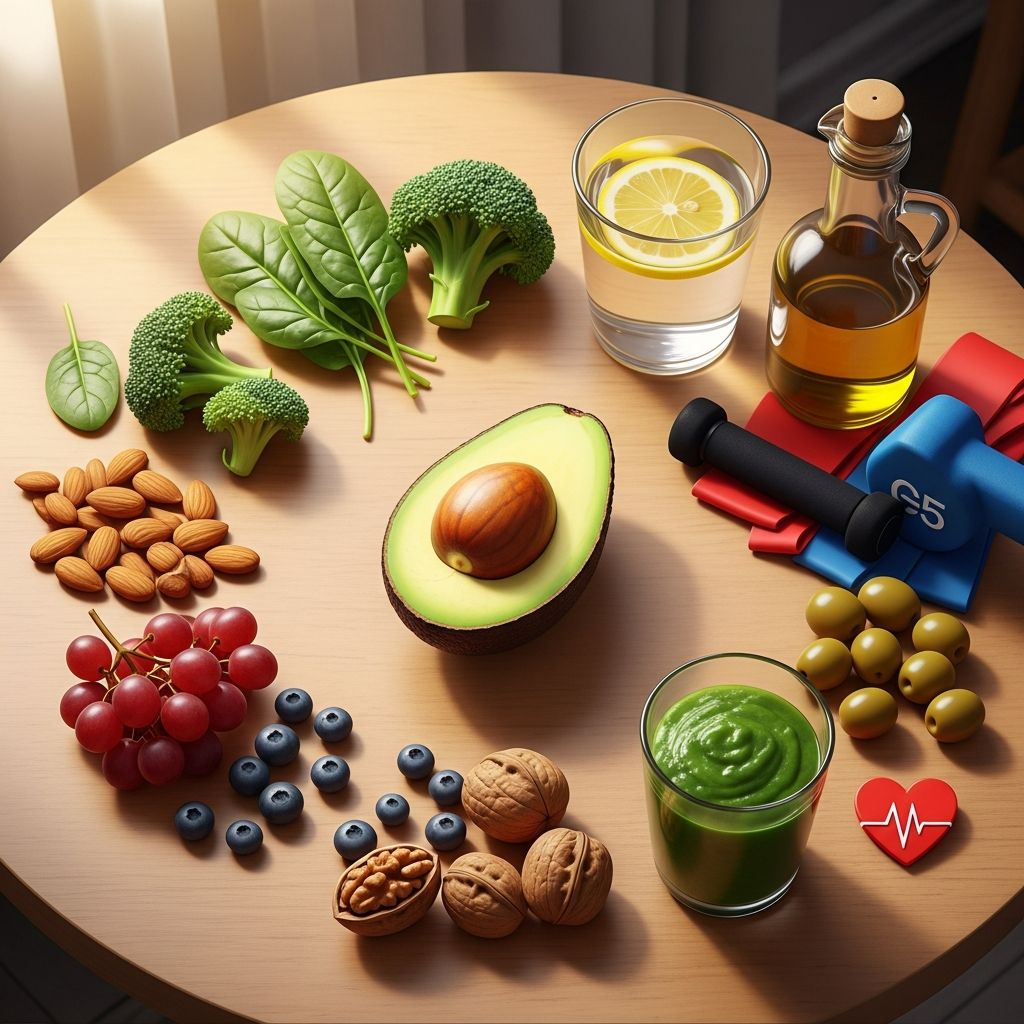
Avocados have earned their status as a superfood for good reason. This creamy, versatile fruit is packed with nutrients that support everything from heart health to glowing skin. Unlike most fruits, avocados are loaded with heart-healthy monounsaturated fats rather than carbohydrates, making them uniquely filling and satisfying.
One medium avocado (about 150g with skin and pit removed) delivers approximately 240 calories, 22g of fat (mostly the healthy kind), 13g of fiber, and a wealth of vitamins and minerals including 35% of your daily vitamin K needs, 30% folate, 20% vitamin C, 18% vitamin E, 14% B5, 13% B6, and 10% potassium.
But what does all this nutrition actually do for your body? Here are eight impressive health benefits backed by science.
They May Lower Cholesterol and Triglycerides
Avocados are rich in heart-healthy monounsaturated fats—specifically oleic acid—that have been shown to reduce LDL (“bad”) cholesterol while boosting HDL (“good”) cholesterol. A 2015 study published in the Journal of the American Heart Association found that participants who ate one avocado daily as part of a low-saturated-fat diet had significant improvements in their cholesterol profiles compared to those following the same diet without avocados.
The study involved 45 overweight or obese adults with elevated LDL cholesterol. After five weeks on a diet providing 34% of calories from fat (including one Hass avocado daily), participants showed greater reductions in LDL cholesterol, total cholesterol/HDL ratio, and non-HDL cholesterol compared to a control group eating the same amount of calories from carbohydrates.
Additionally, avocados contain phytosterols—plant compounds that block cholesterol absorption in the gut. Just one avocado provides 100-150mg of phytosterols, contributing to their cholesterol-lowering effects.
They Help You Feel Full Longer
Thanks to their combination of healthy fats, fiber, and protein, avocados are exceptionally satiating. A 2013 study in Nutrition Journal found that adding half an avocado to lunch increased meal satisfaction and reduced hunger by 23% four hours later and 28% five hours later compared to eating the same meal without avocado.
The high fiber content (nearly 10g per avocado, 40% of the daily recommended intake) slows digestion and promotes feelings of fullness. The monounsaturated fats also trigger the release of hormones like cholecystokinin (CCK) and peptide YY that signal satiety to the brain.
This satiety effect makes avocados particularly helpful for weight management. Their calorie density is offset by their ability to curb between-meal snacking and overeating at subsequent meals.
They’re Excellent Sources of Fiber
One whole avocado provides about 13g of fiber—10g soluble and 3g insoluble. This roughly meets half the daily fiber recommendation for women (25g) and over a third for men (38g).
Soluble fiber feeds beneficial gut bacteria and helps regulate blood sugar by slowing carbohydrate absorption. Insoluble fiber adds bulk to stool, preventing constipation and supporting regular bowel movements.
Research published in Nutrients (2019) shows that higher fiber intake from sources like avocados is associated with lower risks of cardiovascular disease, type 2 diabetes, and colorectal cancer. The gel-like substance formed when soluble fiber mixes with water also binds to dietary cholesterol and bile acids, facilitating their excretion.
Related Stories



They Provide Powerful Antioxidants
Avocados contain a unique combination of fat-soluble (lutein, zeaxanthin) and water-soluble (vitamin C, E, polyphenols) antioxidants that work synergistically to combat oxidative stress and inflammation.
- Lutein and zeaxanthin: Carotenoids concentrated in the dark green flesh nearest the skin that protect eyes from damaging blue light and reduce risk of age-related macular degeneration.
- Vitamin E: A fat-soluble antioxidant that protects cell membranes from free radical damage.
- Vitamin C: Supports immune function and collagen production for healthy skin and joints.
- Polyphenols: Anti-inflammatory plant compounds concentrated in the skin and pit with potential cardiovascular benefits.
A 2022 review in Food Research International highlighted avocados’ exceptional antioxidant capacity compared to 25 other fruits, attributing this to their diverse antioxidant profile enhanced by healthy fats that improve absorption of fat-soluble nutrients.
They May Help Prevent Osteoporosis
Avocados provide 18% of the daily value for vitamin K per fruit, a nutrient essential for bone mineralization and blood clotting. Vitamin K activates osteocalcin, a protein that binds calcium to the bone matrix.
They’re also one of the best plant-based sources of vitamin K2 (menaquinone-7), which directs calcium to bones rather than arteries. A study in Nutrients (2020) found that higher vitamin K2 intake was associated with 52% lower risk of coronary heart disease mortality and improved bone mineral density.
The fruit also supplies manganese (19% DV), magnesium (10% DV), and copper—all cofactors for bone-building enzymes. Folate (30% DV) supports DNA synthesis crucial for rapidly dividing bone cells.
They May Reduce the Risk of Depression
The B vitamins in avocados—particularly B6 (20% DV), folate (30% DV), and B5 (pantothenic acid, 28% DV)—play key roles in neurotransmitter synthesis and mood regulation.
Folate is required to produce serotonin, dopamine, and norepinephrine. Low folate levels are linked to depression risk. A meta-analysis in Journal of Affective Disorders (2017) found that folate supplementation improved symptoms in people with depression.
Vitamin B6 helps convert tryptophan to serotonin and is involved in melatonin production for sleep regulation. The monounsaturated fats may also influence brain signaling pathways that regulate mood.
The Healthy Fats in Them Can Help You Absorb Other Nutrients
Avocados’ monounsaturated fats dramatically enhance absorption of fat-soluble vitamins and carotenoids from other foods. A 2005 study in Journal of Nutrition found that adding avocado to salsa increased absorption of lycopene by 4.4 times, lutein by 2.9 times, and beta-carotene by 15 times compared to salsa alone.
Research from Ohio State University (2012) showed similar results: adding 1/2 avocado to salad increased absorption of alpha-carotene by 8.3 times, beta-carotene by 13.6 times, and lutein by 4.8 times.
This makes avocados the perfect partner for tomatoes, carrots, spinach, kale, and other nutrient-dense vegetables. The healthy fats also help maintain cell membrane integrity, allowing better delivery of nutrients to cells.
They Can Do Wonders for Your Skin
Avocados provide building blocks for healthy skin from multiple angles:
| Nutrient | Skin Benefit |
|---|---|
| Vitamin E (18% DV) | Protects against UV damage, reduces inflammation |
| Vitamin C (20% DV) | Boosts collagen production, brightens complexion |
| Healthy fats | Maintains skin barrier, prevents moisture loss |
| Lutein & Zeaxanthin | Protect against blue light damage |
| Vitamin K (35% DV) | Reduces dark circles, improves circulation |
A 2021 study in Journal of Cosmetic Dermatology found that oral supplementation with avocado/soy unsaponifiables improved wrinkles and skin elasticity after six months. Topical application of avocado oil penetrates deeply due to its small fatty acid molecules and composition similar to human sebum.
Frequently Asked Questions (FAQs)
Are avocados fattening?
Despite being calorie-dense, avocados promote satiety and weight management when eaten in moderation (1/3 to 1/2 avocado per serving). Studies show they reduce hunger and support healthy weight.
Is avocado a fruit or vegetable?
Botanically, avocado is a fruit (specifically a berry) because it develops from the ovary of the flower and contains a seed. However, it’s usually treated as a vegetable in culinary contexts.
Are all avocados equally healthy?
Hass avocados (the most common type) have the highest antioxidant content. Eat the darkest green flesh near the skin where nutrients concentrate most. Organic avocados may have higher antioxidant levels.
Can you eat too much avocado?
Moderation is key—limit to 1/3 to 1/2 per day due to calorie density. Excessive intake may cause digestive discomfort from high fiber or contribute to oxalate buildup in kidney stone-prone individuals.
Are avocado seeds edible?
Avocado seeds contain antioxidants but are extremely bitter and hard. While some traditional uses exist, insufficient safety research means they should be avoided. Focus on the nutrient-rich flesh.
References
- Effects of Avocado Consumption on the Cholesterol Profile of Participants with Elevated LDL Levels — Wang L, et al. Journal of the American Heart Association. 2015-05-04. https://www.ahajournals.org/doi/10.1161/JAHA.114.001355
- Avocado Consumption and Risk Factors for Heart Disease — USDA Agricultural Research Service. 2023. https://www.ars.usda.gov/research/publications/publication/?seqNo115=413456
- Avocado Consumption, Blood Cholesterol, and Lipoprotein Metabolism — Carrillo C, et al. Nutrients. 2019-02-27. https://www.mdpi.com/2072-6643/11/3/517
- Bioactive Compounds in Avocado Fruit — Plaza M, et al. Food Research International. 2022. https://doi.org/10.1016/j.foodres.2022.111456
- Vitamin K2 and Cardiovascular Health — Gast GC, et al. Nutrients. 2020-09-15. https://www.mdpi.com/2072-6643/12/9/2707
- Avocado Oil Supplementation and Skin Health — Andrade H, et al. Journal of Cosmetic Dermatology. 2021. https://doi.org/10.1111/jocd.14172
Similar Articles








Read full bio of Sneha Tete