Avoiding Healthcare-Associated Infections (HAIs)
Learn how to prevent healthcare-associated infections and protect patient safety in medical settings.

Understanding Healthcare-Associated Infections (HAIs)
Healthcare-associated infections, commonly referred to as HAIs or nosocomial infections, are infections that develop while a person is receiving treatment in a healthcare facility. These infections represent a significant public health concern, affecting hundreds of thousands of patients annually in hospitals and other medical settings. What makes HAIs particularly concerning is that most of them are preventable through the implementation of proper procedures, evidence-based protocols, and rigorous infection control measures.
HAIs differ from community-acquired infections in that they are contracted as a direct result of medical treatment or hospitalization. They can develop in patients of any age and may complicate their primary condition, extending hospital stays and increasing healthcare costs. Understanding the nature of these infections is the first step toward preventing them and ensuring safer healthcare environments for all patients.
Common Types of Healthcare-Associated Infections
Several categories of HAIs are most frequently encountered in hospital settings. Each type has distinct characteristics, risk factors, and prevention strategies. Healthcare providers focus significant attention on these infections because they represent the most preventable adverse events in hospitalized patients.
Central Line-Associated Bloodstream Infection (CLABSI)
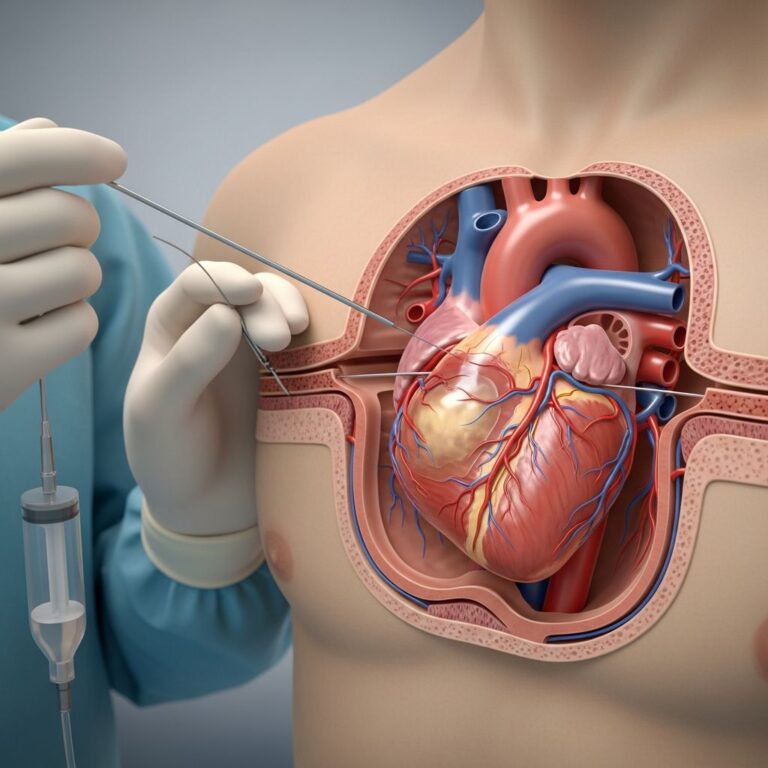
Central line-associated bloodstream infections occur when bacteria or other pathogens enter the bloodstream through central venous catheters, which are specialized lines inserted into large veins to deliver medications, fluids, or nutrition directly into the bloodstream. These infections can be life-threatening and often require prolonged antibiotic therapy. CLABSI represents one of the most serious HAIs, with significant mortality rates if not promptly diagnosed and treated. Cleveland Clinic has implemented comprehensive strategies to reduce CLABSI rates, including best practice central-line bundles that address insertion, maintenance, and removal protocols.
Surgical Site Infection (SSI)
Surgical site infections develop at or near the location where a surgical procedure was performed. These infections can range from minor superficial infections affecting only the skin to serious deep infections involving internal tissues and organs. SSIs can occur within 30 days of surgery or, in cases involving implants, up to one year after the procedure. Prevention involves proper sterile technique during surgery, appropriate antibiotic prophylaxis, and post-operative wound care protocols.
Catheter-Associated Urinary Tract Infection (CAUTI)
Catheter-associated urinary tract infections occur in patients who have indwelling urinary catheters, which are tubes placed into the bladder to drain urine. The longer a catheter remains in place, the greater the risk of developing a urinary tract infection. Healthcare facilities work to minimize CAUTI rates by limiting catheter use to only when medically necessary and by implementing strict sterile catheter insertion and maintenance protocols.
Ventilator-Associated Pneumonia (VAP)
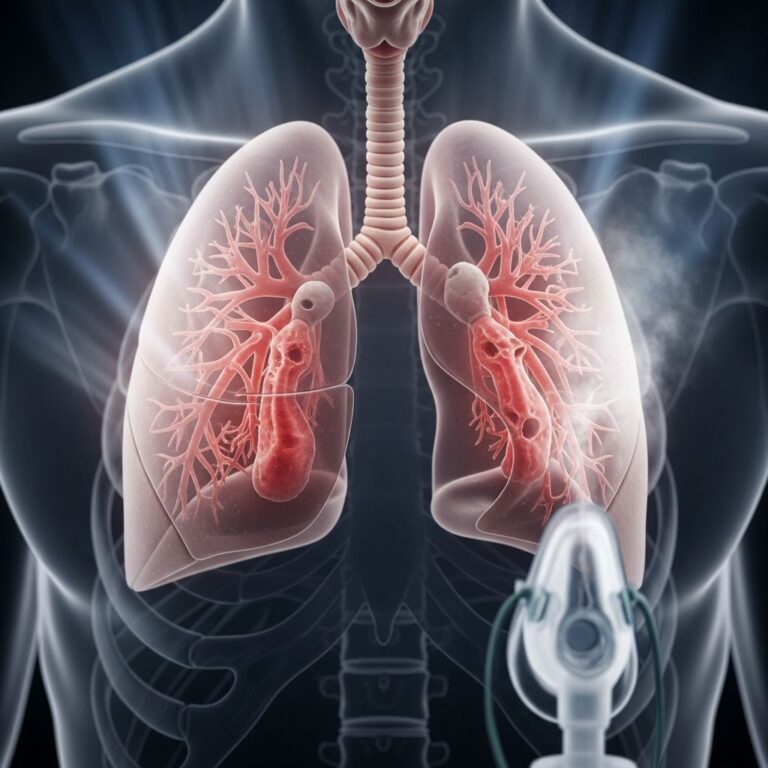
Ventilator-associated pneumonia develops in patients who are on mechanical ventilation, typically in intensive care units. VAP occurs when bacteria colonize the lungs of patients receiving respiratory support through ventilators. Prevention strategies include maintaining proper oral hygiene, keeping the head of the bed elevated, and carefully monitoring for signs of infection.
Other Important HAI Types
Beyond these four primary categories, healthcare facilities also monitor rates of other significant infections including Clostridioides difficile (C. difficile) infections and Methicillin-resistant Staphylococcus aureus (MRSA) infections. C. difficile is a bacterium that causes severe diarrhea and abdominal complications, often associated with disruption of normal intestinal flora from antibiotic use. MRSA is an antibiotic-resistant staph bacterium that can cause life-threatening bloodstream infections, pneumonia, and surgical site infections.
Related Stories



Prevention Strategies for Healthcare-Associated Infections
Preventing HAIs requires a multidisciplinary approach involving healthcare providers, infection prevention specialists, hospital administrators, and patients themselves. Evidence-based prevention strategies have been proven effective in reducing infection rates across healthcare settings.
Hand Hygiene and Infection Control
Proper hand washing and hand hygiene remain the cornerstone of infection prevention in healthcare settings. Healthcare providers must wash their hands between patient contacts and before performing invasive procedures to prevent the spread of pathogens. Hand hygiene compliance is monitored regularly, and education is provided to maintain awareness and adherence to these critical practices.
Central Line Management
Cleveland Clinic has implemented comprehensive central-line bundles that include specific protocols for insertion, maintenance, and removal of central lines. These bundles incorporate evidence-based practices that significantly reduce CLABSI rates. Focused reviews are conducted for every occurrence of CLABSI to identify opportunities for improvement and prevent future infections in high-risk populations such as those in intensive care units.
Catheter and Equipment Sterilization
Rigorous cleaning and sterilization protocols for medical equipment, including urinary catheters and other devices, are essential for preventing HAIs. New cleaning and laboratory testing procedures have been established to reduce infection rates and ensure equipment is properly sterilized before patient use.
Antimicrobial Stewardship
Antimicrobial stewardship programs optimize antibiotic use to treat infections effectively while minimizing unnecessary antibiotic administration. These programs help reduce the development of antibiotic-resistant bacteria and decrease complications such as C. difficile infections, which are often associated with inappropriate antibiotic use.
Vaccination and Immunization
Timely vaccinations for both patients and healthcare providers reduce transmission of communicable diseases such as influenza and Streptococcus pneumoniae, which can lead to healthcare-associated pneumonia. Vaccination programs represent an important preventive measure, particularly in hospital settings where vulnerable populations receive care.
Screening and Early Detection
Early screening and detection of healthcare-associated infections allow for prompt treatment initiation and reduce the severity and complications of infections. Laboratory testing procedures have been refined to enable rapid identification of pathogens and appropriate antimicrobial selection.
Complications Associated with Healthcare-Associated Infections
The complications resulting from HAIs depend on the type and severity of the infection. Understanding these potential complications underscores the importance of prevention strategies.
Bloodstream Infection Complications
Central line-associated bloodstream infections can lead to sepsis, a life-threatening condition where the body’s response to infection causes tissue damage. Patients may develop shock, multi-organ failure, and require extended intensive care unit stays.
Surgical Complications
Surgical site infections can delay wound healing, necessitate additional surgical interventions for drainage or debridement, and result in extended hospitalizations. Severe SSIs may lead to systemic infection and sepsis.
Urinary Tract Complications
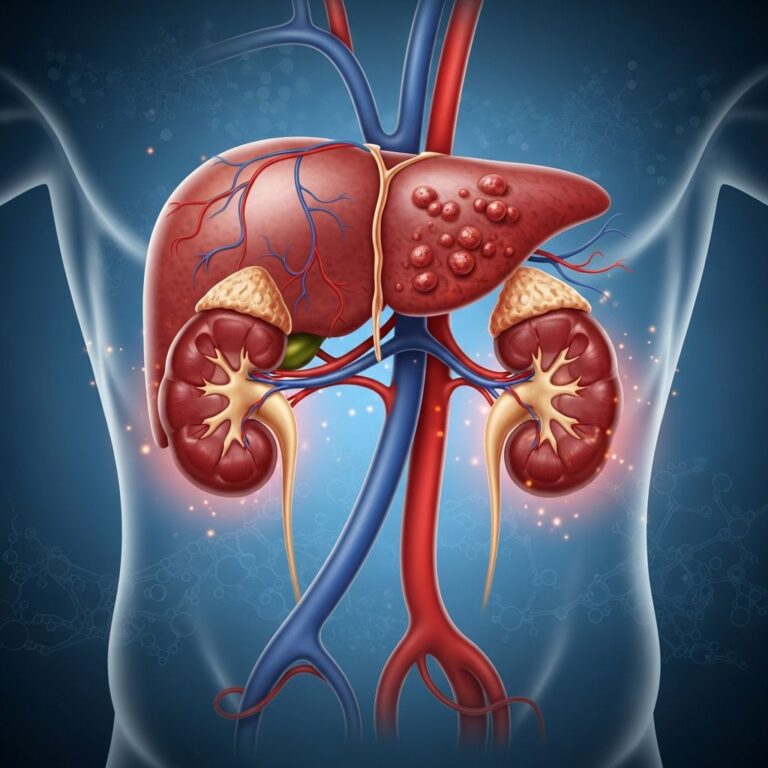
CAUTI can progress from localized urinary infection to pyelonephritis (kidney infection) or urosepsis if not treated promptly. Recurrent infections may occur, particularly if catheter use continues longer than medically necessary.
Respiratory Complications
Ventilator-associated pneumonia increases mortality rates in critically ill patients and often requires prolonged mechanical ventilation and intensive care support. The infection may spread systemically, causing sepsis and multi-organ failure.
Hospital Performance and Quality Measures
Healthcare facilities track and report standardized infection ratios (SIRs) to measure their performance in preventing HAIs. An SIR is calculated as a ratio of observed infections to expected infections as defined by the Centers for Disease Control and Prevention (CDC). SIRs less than 1.0 indicate better-than-expected performance compared to national benchmarks.
Cleveland Clinic consistently demonstrates performance better than expected per CDC guidelines across multiple HAI categories, though continued efforts are necessary to meet internal performance goals. These metrics are publicly reported and help patients make informed decisions about where to receive care.
The Role of Healthcare Providers and Patients
Preventing HAIs is a shared responsibility between healthcare providers and patients. Providers must adhere to evidence-based protocols, maintain current knowledge about infection prevention, and participate in ongoing education programs. Patients can contribute to prevention by asking questions about procedures, reporting any concerning symptoms, and following post-operative care instructions carefully.
The Department of Infectious Disease at leading medical centers provides content expertise and oversight through Hospital Epidemiology and Antimicrobial Stewardship sections, offering pragmatic solutions that optimize patient care across the healthcare continuum.
Multidisciplinary Approach to Infection Prevention
Effective HAI prevention requires collaboration among multiple specialties and departments. Infectious disease specialists work alongside surgeons, intensivists, nurses, infection preventionists, and laboratory professionals to develop and implement strategies that reduce infection rates. Regular meetings and quality reviews ensure that lessons learned from each infection occurrence are applied system-wide to prevent future cases.
Frequently Asked Questions About Healthcare-Associated Infections
Q: What is the difference between healthcare-associated infections and community-acquired infections?
A: Healthcare-associated infections develop while a patient is receiving treatment in a healthcare facility, whereas community-acquired infections are contracted outside of healthcare settings. HAIs are typically associated with medical procedures, devices, or hospitalization itself.
Q: Can healthcare-associated infections be completely eliminated?
A: While the goal of many healthcare institutions is zero HAI rates, complete elimination remains challenging. However, most HAIs are preventable through rigorous adherence to evidence-based protocols and infection control measures. Continuous improvement efforts aim to reduce HAI rates to the lowest possible levels.
Q: How long does treatment for a healthcare-associated infection typically take?
A: Treatment duration varies depending on the type and severity of the infection. Some infections respond within days to antibiotic therapy, while others may require weeks or months of treatment. Severe infections, particularly bloodstream infections, may require hospitalization and intensive care during treatment.
Q: What can patients do to reduce their risk of contracting a healthcare-associated infection?
A: Patients can reduce their risk by practicing good hand hygiene, asking healthcare providers about infection prevention measures, maintaining proper wound care following procedures, and reporting any concerning symptoms such as fever, redness, or drainage from surgical sites or catheter insertion sites.
Q: Are healthcare-associated infections reportable to health authorities?
A: Yes, healthcare-associated infections are monitored and reported to public health authorities. Data about HAI rates help track progress and identify areas needing improvement. This transparency allows patients and families to assess hospital safety and infection prevention performance when selecting healthcare facilities.
Q: What is the cost impact of healthcare-associated infections?
A: Healthcare-associated infections significantly increase healthcare costs through prolonged hospitalizations, additional antibiotic therapy, advanced diagnostic testing, and potential need for additional surgical interventions. Preventing HAIs is therefore both a patient safety and economic priority for healthcare systems.
References
- Department of Infectious Disease — Cleveland Clinic. 2025. https://my.clevelandclinic.org/departments/respiratory/depts/infectious-disease
- Improving Experience of Care Outcomes — Cleveland Clinic. 2025. https://my.clevelandclinic.org/departments/patient-experience/depts/quality-patient-safety/treatment-outcomes/753-improving-experience-of-care
- Healthcare-Associated Infections (HAIs) — Centers for Disease Control and Prevention. 2024. https://www.cdc.gov/healthcare-associated-infections/index.html
- Hospital-Acquired Infections Outcomes — Cleveland Clinic Respiratory Institute. 2025. https://my.clevelandclinic.org/departments/respiratory/outcomes/378-hospital-acquired-infections
- Hospital-Acquired and Ventilator-Associated Pneumonia: Diagnosis and Management — Cleveland Clinic Journal of Medicine. 2016. https://www.ccjm.org/content/87/10/633
- Nosocomial Infections (Healthcare-Associated Infections) — Cleveland Clinic. 2025. https://my.clevelandclinic.org/health/diseases/16397-avoiding-healthcare-associated-infections-hais
- Prevention Programs Are Reducing Common Healthcare-Associated Infections — Cleveland Clinic Consult QD. 2024. https://consultqd.clevelandclinic.org/it-is-well-that-we-did-not-meet-how-prevention-programs-are-reducing-common-healthcare-associated-infections
Similar Articles








Read full bio of medha deb