Avulsion Fracture: Causes, Symptoms, and Treatment
Learn about avulsion fractures, their causes, symptoms, and effective treatment options for a full recovery.
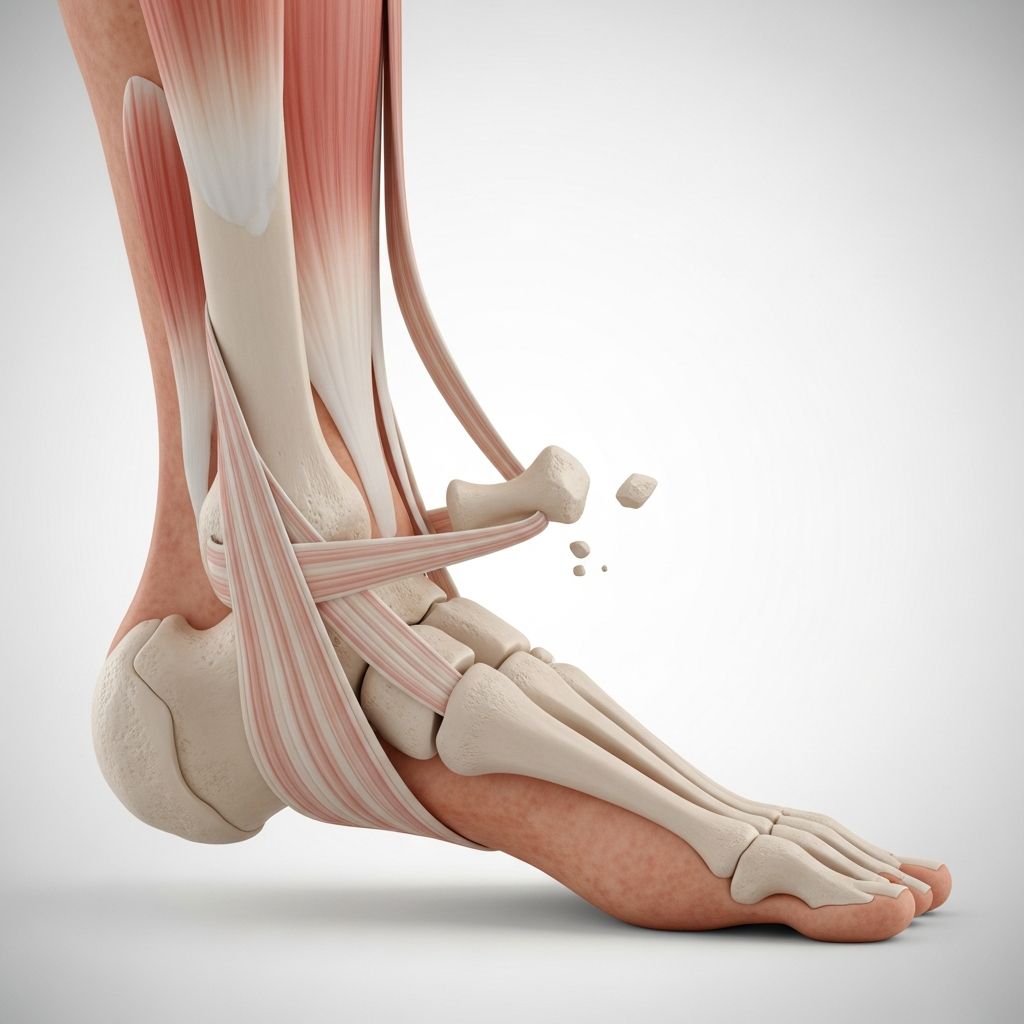
What Is an Avulsion Fracture?
An avulsion fracture is a specific type of bone injury where a small fragment of bone is pulled away from the main bone by a tendon or ligament. This typically happens when a sudden force or movement causes the tendon or ligament to contract forcefully, resulting in the bone fragment being torn away from its original site. Avulsion fractures can occur in various parts of the body, including the ankle, pelvis, hip, and fingers.
Causes of Avulsion Fracture
Avulsion fractures are most commonly caused by:
- Trauma or injury: Sudden, forceful movements such as jumping, twisting, or falling can cause an avulsion fracture.
- Sports activities: High-impact sports like football, basketball, and soccer increase the risk of avulsion fractures due to rapid changes in direction and sudden stops.
- Overuse: Repetitive stress on a tendon or ligament can weaken the attachment point, making it more susceptible to avulsion.
- Direct blow: A direct impact to a bone can cause a fragment to be pulled away by the attached tendon or ligament.
Symptoms of Avulsion Fracture
The symptoms of an avulsion fracture can vary depending on the location and severity of the injury. Common symptoms include:
- Pain: Immediate and sharp pain at the site of the injury.
- Swelling: Swelling and bruising around the affected area.
- Difficulty moving: Limited range of motion and difficulty using the affected limb.
- Tenderness: The area may be tender to touch.
- Deformity: In some cases, there may be visible deformity or a lump at the site of the fracture.
Diagnosis of Avulsion Fracture
Diagnosing an avulsion fracture typically involves:
- Physical examination: A healthcare provider will examine the affected area for pain, swelling, and tenderness.
- Imaging tests: X-rays are commonly used to confirm the presence of a bone fragment and assess the extent of the injury. In some cases, MRI or CT scans may be necessary for a more detailed view.
- Medical history: The provider will ask about the mechanism of injury and any previous injuries to the area.
Treatment Options for Avulsion Fracture
Most avulsion fractures do not require surgery and can be treated with conservative measures. Treatment options include:
- Rest: Avoiding activities that put stress on the injured area to allow healing.
- Ice: Applying ice to reduce swelling and pain.
- Compression: Using a compression bandage to minimize swelling.
- Elevation: Keeping the injured area elevated to reduce swelling.
- Immobilization: Wearing a cast or splint to keep the bone fragment in place and promote healing.
- Pain management: Over-the-counter pain relievers such as ibuprofen or acetaminophen can help manage pain.
- Physical therapy: After the pain subsides, a physical therapist may recommend range-of-motion exercises to restore function and strength.
When Is Surgery Needed?
Surgery is occasionally required for severe avulsion fractures, particularly if:
Related Stories



- The bone fragment is displaced more than 2 centimeters from its original position.
- There is joint instability or significant functional impairment.
- Conservative treatment fails to provide adequate relief.
Surgical procedures may involve reattaching the bone fragment to the main bone using screws, wires, or other fixation devices. The choice of surgical technique depends on the location and severity of the fracture.
Recovery and Rehabilitation
Recovery from an avulsion fracture typically takes a few weeks to several months, depending on the severity of the injury and the treatment approach. Key aspects of recovery include:
- Immobilization: Wearing a cast or splint for a few weeks to protect the healing bone.
- Gradual weight-bearing: Progressively increasing weight-bearing activities as tolerated.
- Physical therapy: Engaging in exercises to restore range of motion, strength, and function.
- Follow-up care: Regular check-ups with a healthcare provider to monitor healing progress.
Prevention of Avulsion Fracture
Preventing avulsion fractures involves:
- Proper warm-up: Warming up before physical activities to prepare muscles and tendons.
- Gradual progression: Gradually increasing the intensity and duration of physical activities to avoid overuse injuries.
- Strength training: Strengthening muscles and tendons to improve their resilience.
- Proper technique: Using correct techniques during sports and physical activities to minimize the risk of injury.
- Rest and recovery: Allowing adequate rest and recovery time between activities to prevent overuse injuries.
Complications of Avulsion Fracture
While most avulsion fractures heal well with appropriate treatment, potential complications include:
- Nonunion: The bone fragment fails to heal properly.
- Malunion: The bone fragment heals in an incorrect position.
- Chronic pain: Persistent pain or discomfort at the site of the injury.
- Joint stiffness: Limited range of motion due to scar tissue formation.
- Recurrent injury: Increased risk of future injuries to the same area.
Frequently Asked Questions (FAQs)
Q: What is an avulsion fracture?
A: An avulsion fracture is a type of bone injury where a small fragment of bone is pulled away from the main bone by a tendon or ligament.
Q: What causes an avulsion fracture?
A: Avulsion fractures are caused by sudden, forceful movements, sports activities, overuse, or direct blows to the bone.
Q: What are the symptoms of an avulsion fracture?
A: Symptoms include pain, swelling, difficulty moving, tenderness, and sometimes visible deformity at the site of the injury.
Q: How is an avulsion fracture diagnosed?
A: Diagnosis involves a physical examination, imaging tests like X-rays, and a review of medical history.
Q: What are the treatment options for an avulsion fracture?
A: Treatment options include rest, ice, compression, elevation, immobilization, pain management, and physical therapy. Surgery may be needed for severe cases.
Q: When is surgery needed for an avulsion fracture?
A: Surgery is needed if the bone fragment is displaced more than 2 centimeters, there is joint instability, or conservative treatment fails.
Q: How long does it take to recover from an avulsion fracture?
A: Recovery typically takes a few weeks to several months, depending on the severity and treatment approach.
Q: How can avulsion fractures be prevented?
A: Prevention involves proper warm-up, gradual progression, strength training, correct technique, and adequate rest and recovery.
Q: What are the potential complications of an avulsion fracture?
A: Complications include nonunion, malunion, chronic pain, joint stiffness, and recurrent injury.
References
- Avulsion Fracture: What It Is, Causes, Symptoms, Treatment — Cleveland Clinic. 2023. https://my.clevelandclinic.org/health/diseases/21802-avulsion-fracture
- Avulsion Fractures of the Ankle — Physiopedia. 2023. https://www.physio-pedia.com/Avulsion_Fractures_of_the_Ankle
- Avulsion fracture: How is it treated? — Mayo Clinic. 2023. https://www.mayoclinic.org/diseases-conditions/broken-ankle/expert-answers/avulsion-fracture/faq-20058520
Similar Articles








Read full bio of medha deb