Ayurveda For Eczema: 4 Herbal Allies To Soothe Skin
Discover Ayurveda's timeless wisdom for balancing doshas and nurturing skin health naturally.
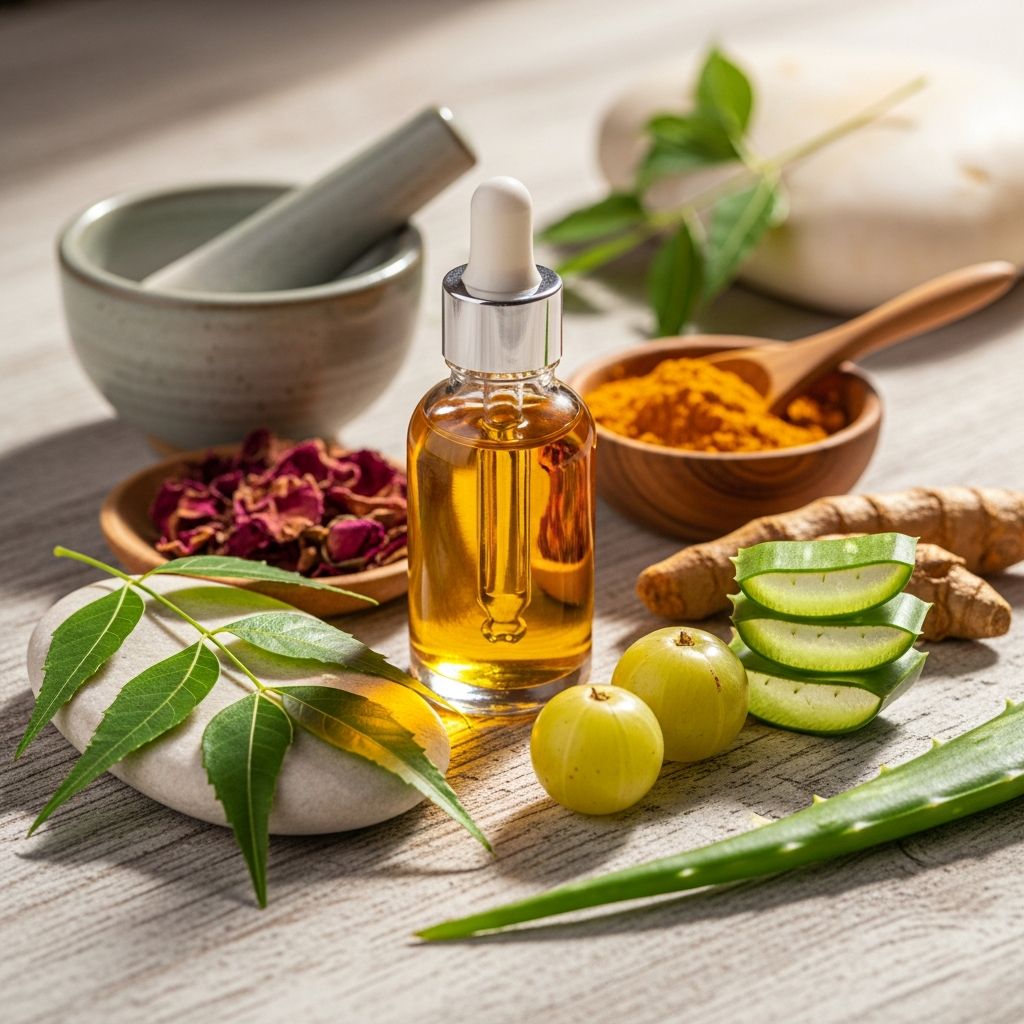
Ayurveda, the ancient Indian system of medicine, provides a comprehensive framework for achieving balance in body, mind, and spirit to promote skin health, particularly for conditions like eczema. By focusing on individual constitution and natural rhythms, it offers preventive strategies and supportive practices.
Understanding Ayurveda’s Foundations
Ayurveda translates to “science of life” and views health as harmony among the five elements—space, air, fire, water, and earth—that form the three doshas: Vata, Pitta, and Kapha. These energies govern physiological functions, and imbalances can manifest as skin issues such as dryness, inflammation, or itchiness associated with eczema.
In contrast to symptom-focused treatments, Ayurveda emphasizes prevention through lifestyle alignment with one’s unique prakriti (constitution). This personalized approach helps maintain strong agni (digestive fire), preventing toxin buildup (ama) that exacerbates skin conditions.
The Role of Doshas in Skin Conditions
Doshas are bio-energies derived from the five elements, each influencing skin characteristics:
- Vata Dosha (air and space): Linked to dry, rough, flaky skin; common in eczema with cold, windy aggravations.
- Pitta Dosha (fire and water): Causes red, inflamed, hot skin eruptions; triggered by heat or spicy foods.
- Kapha Dosha (earth and water): Leads to oily, congested skin with slow-healing lesions; worsened by dampness.
Determining your dominant dosha via pulse diagnosis, questionnaires, or observation guides tailored interventions. For eczema, Vata and Pitta imbalances often predominate, requiring warming, moistening therapies.
| Dosha | Skin Traits | Balancing Tips |
|---|---|---|
| Vata | Dry, cracked | Warm oils, grounding foods |
| Pitta | Red, burning | Cooling herbs, bitter greens |
| Kapha | Oily, sluggish | Light spices, dry brushing |
Daily Routines to Support Skin Vitality
Dinacharya, or daily regimen, synchronizes bodily functions with natural cycles, crucial for skin repair. Key practices include:
- Waking before sunrise to align with Vata time, promoting detoxification.
- Tongue scraping to remove ama-coated residue, reducing systemic inflammation.
- Abhyanga (self-oil massage) with sesame or coconut oil to hydrate skin and calm nerves.
- Gargling with warm sesame oil (gandusha) for oral health linked to skin clarity.
These routines strengthen agni, ensuring nutrients reach skin cells efficiently, mitigating eczema flare-ups.
Nutrition Strategies in Ayurveda for Eczema
Diet is central, emphasizing six tastes (sweet, sour, salty, bitter, pungent, astringent) for dosha balance. For skin health:
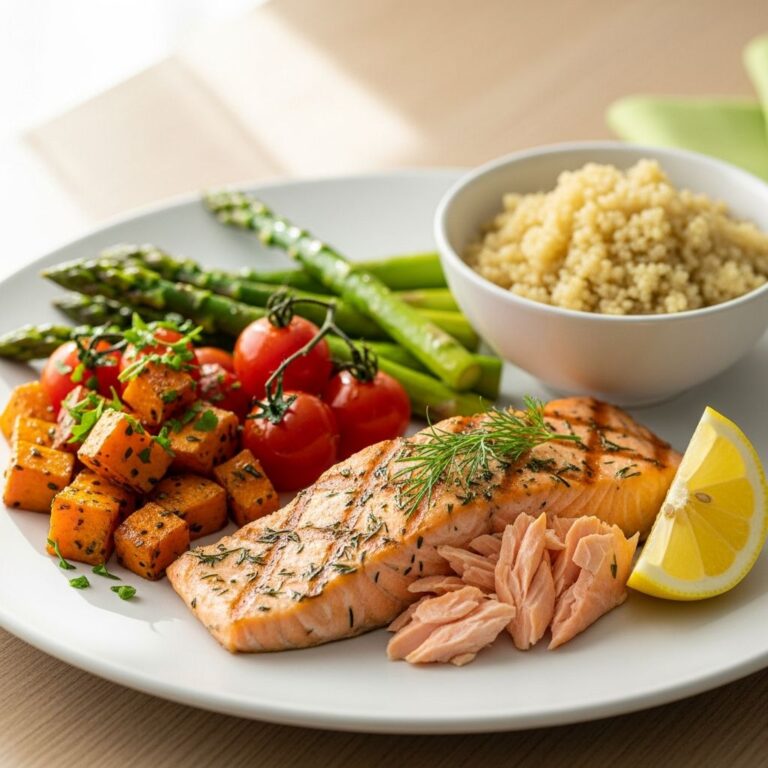
- Vata-pacifying: Warm, moist foods like soups, ghee, root vegetables.
- Pitta-soothing: Cooling items such as cucumber, mint, aloe vera juice.
- Kapha-lightening: Warm teas, legumes, pungent spices like ginger.
Avoid processed foods, dairy (for Kapha eczema), and nightshades (for Pitta). Hydrate with warm water infused with cumin to kindle agni. Seasonal eating—light summer foods, nourishing winter meals—prevents imbalances.
Herbal Allies for Skin Balance
Ayurveda employs herbs to detoxify and soothe skin:
- Turmeric: Anti-inflammatory golden milk for Pitta eczema.
- Neem: Blood purifier; baths or pastes clear infections.
- Triphala: Gentle laxative to eliminate ama, supporting skin from within.
- Ashwagandha: Stress adaptogen, as anxiety aggravates Vata skin dryness.
Related Stories



Always consult practitioners for dosages, as herbs interact with medications.
Mind-Body Practices for Lasting Relief
Stress disrupts doshas, worsening eczema. Ayurveda integrates:
- Pranayama (breath control): Nadi shodhana balances autonomic nervous system.
- Meditation: Cultivates mental clarity, reducing cortisol-driven flares.
- Yoga: Poses like child’s pose moisturize skin via circulation.
These foster ojas (vital essence), enhancing immunity and skin resilience.
Ayurveda’s Preventive Philosophy
Unlike reactive medicine, Ayurveda targets root causes through ritucharya (seasonal routines). Winter Vata aggravation calls for oils; summer Pitta needs shade and cools. This proactive stance reduces eczema chronicity.
Life stages (ashramas)—student, householder, retiree, renunciant—adapt practices, ensuring lifelong skin health.
Scientific Perspectives and Precautions
While Ayurveda thrives in India as formal medicine, Western views classify it as complementary. Studies validate herbs like turmeric for inflammation, but evidence for eczema is emerging.
Precautions:
- Consult MDs before starting, especially with prescriptions.
- Choose certified practitioners (e.g., NAMA-registered).
- Avoid self-diagnosis; professional pulse reading is key.
- Not a substitute for acute care; integrate thoughtfully.
Practical Steps to Begin Your Ayurvedic Journey
- Assess prakriti online or with expert.
- Incorporate one dinacharya practice daily.
- Track diet’s skin impact via journal.
- Explore local Ayurveda centers for panchakarma detox.
Frequently Asked Questions (FAQs)
Can Ayurveda cure eczema?
Ayurveda manages symptoms by balancing doshas, not ‘curing’ but preventing recurrences through holistic care.
How long to see skin improvements?
2-4 weeks for mild changes; chronic cases need 3-6 months with consistency.
Is Ayurvedic diet restrictive?
Personalized, not restrictive—focuses on fresh, seasonal foods suited to you.
Are Ayurvedic herbs safe for children?
Yes, in adjusted doses under pediatric Ayurvedist guidance.
Does insurance cover Ayurveda?
Varies; some plans include wellness visits, check locally.
Embracing Ayurveda empowers proactive skin health, harmonizing life’s natural flows for radiant, resilient skin.
References
- Principles of Ayurvedic Medicine — SoHum Mountain Healing Resort. 2023. https://sohumhealing.com/the-principles-of-ayurvedic-medicine/
- What Are the Main Fundamental Principles of Ayurveda? — MAM College of Ayurveda. 2024. https://www.mamcbhopal.com/blogs/what-are-the-main-fundamental-principles-of-ayurveda
- Ayurveda 101: Introduction to Ayurvedic Principles — Gaia Herbs. 2023. https://www.gaiaherbs.com/blogs/seeds-of-knowledge/ayurveda-101
- Intro to Ayurveda – Ayurvedic Medicine — Banyan Botanicals. 2024. https://www.banyanbotanicals.com/pages/ayurvedic-intro-to-ayurveda
- The forgotten history and principles of Indian traditional medicine — National Center for Biotechnology Information (PMC). 2017-01-01. https://pmc.ncbi.nlm.nih.gov/articles/PMC5198827/
Similar Articles








Read full bio of medha deb