Ayurveda For Eczema Relief: Guide To Panchakarma & Herbs
Discover natural Ayurvedic strategies to balance doshas, detoxify the body, and soothe eczema symptoms for lasting skin health.
Eczema, a persistent skin condition marked by itchy, inflamed patches, affects millions worldwide. Ayurveda, an ancient Indian healing system, views it as a sign of internal imbalances rather than just a surface issue. By addressing root causes through dosha harmony, detoxification, and natural therapies, Ayurveda offers sustainable relief.
Understanding Eczema Through Ayurvedic Principles
In Ayurveda, eczema is termed Vicharchika, linked to disruptions in the three doshas: Vata, Pitta, and Kapha. These energies govern bodily functions, and their imbalance leads to toxin buildup (Ama), manifesting as skin irritation.
- Vata-dominant eczema: Dry, flaky, and intensely itchy skin, often on extremities.
- Pitta-dominant eczema: Red, burning lesions with oozing, tied to liver and blood heat.
- Kapha-dominant eczema: Thick, moist plaques with swelling, due to excess mucus.
Most cases involve
Pitta aggravation
, influencing digestion, blood purity, and inflammation. Diagnosis starts with pulse reading and symptom assessment by a qualified practitioner to tailor treatments.Core Detoxification: Panchakarma Therapy
Panchakarma, meaning ‘five actions,’ is Ayurveda’s flagship detoxification protocol for skin disorders like eczema. It purges toxins, restores dosha equilibrium, and bolsters immunity through three phases.
Phase 1: Preparation (Purvakarma)
This gentle buildup uses internal oleation with medicated ghee over 5-7 days, followed by Snehana (oil massages) and Swedana (herbal steam). These loosen deep-seated toxins without strain.
Phase 2: Primary Cleansing (Pradhanakarma)
Customized procedures expel impurities:
| Procedure | Description | Benefits for Eczema |
|---|---|---|
| Virechana | Purgation via herbal laxatives | Clears Pitta from liver/intestines, reduces inflammation |
| Vamana | Therapeutic emesis for Kapha | Expels excess mucus from upper body, dries oozing lesions |
| Basti | Medicated enemas | Balances Vata, nourishes dry skin |
| Nasya | Nasal oils | Clears head channels, eases itching |
| Raktamokshana | Bloodletting (severe cases) | Purifies blood, alleviates redness |
Phase 3: Rejuvenation (Paschatkarma)
Post-cleansing emphasizes nourishing diet, rest, and gentle therapies to rebuild tissues and prevent relapse.
Studies and clinical reports highlight Panchakarma’s efficacy in reducing eczema severity by 50-70% after one cycle, with effects lasting months when followed properly.
Powerful Herbal Allies in Ayurvedic Eczema Care
Ayurveda’s pharmacopeia brims with anti-inflammatory, blood-purifying herbs. These are used internally (decoctions, tablets) and externally (pastes, oils).
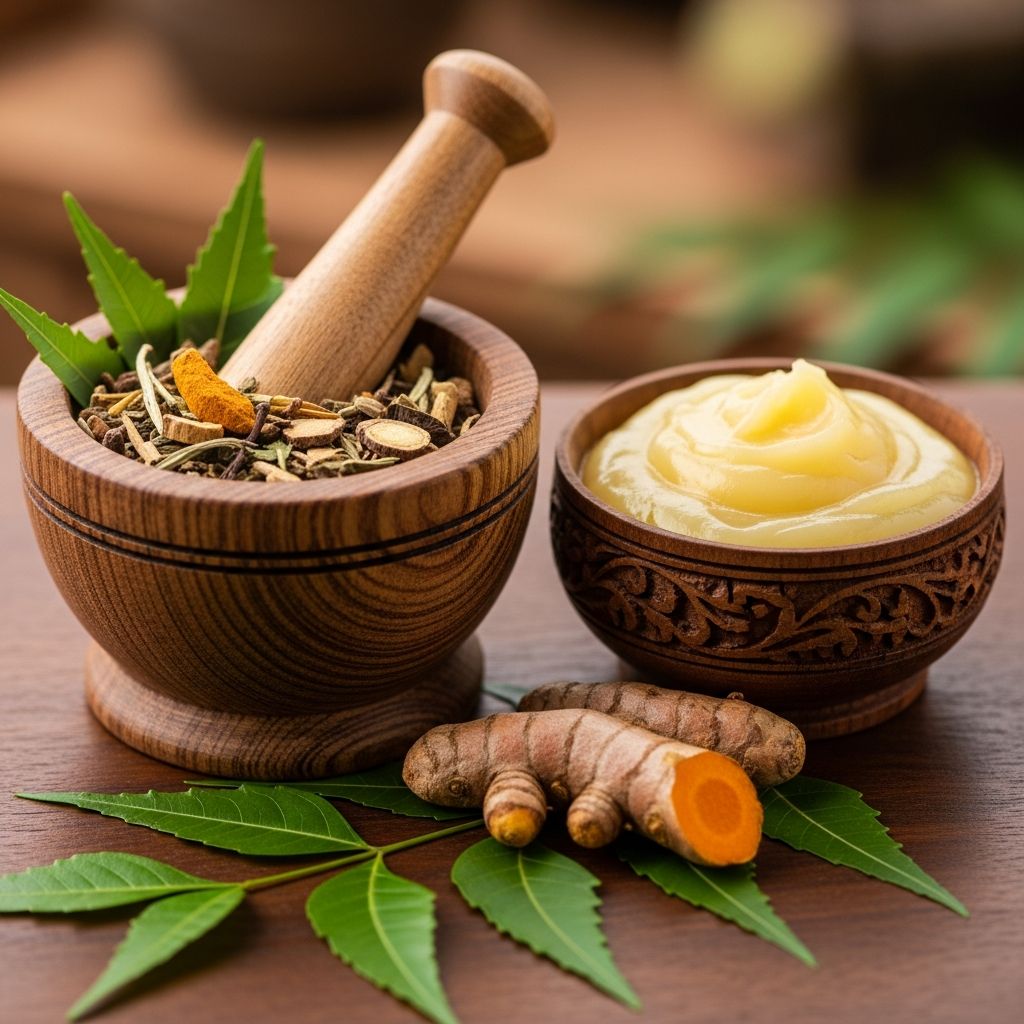
- Neem (Azadirachta indica): Antibacterial, cools Pitta-driven rashes; apply leaf paste or oil daily.
- Turmeric (Curcuma longa): Potent anti-inflammatory; consume golden milk or mix into pastes for itch relief.
- Manjistha (Rubia cordifolia): Blood detoxifier, ideal for chronic cases with heat.
- Guduchi (Tinospora cordifolia): Immunity booster, reduces flare-ups.
- Guggulu (Commiphora mukul): Clears blockages, eases swelling in thick lesions.
- Khadira (Acacia catechu): Astringent for weeping eczema, promotes drying and healing.
Formulations like
Chyawanprash
(antioxidant jam) andEladi Keram
oil enhance these effects.Related Stories



External Therapies for Immediate Skin Soothing
Topical applications complement internal work, targeting symptoms directly.
- Lepa (Herbal Packs): Neem-turmeric-sandalwood pastes cool and heal lesions.
- Taila (Oils): Kumari Taila (aloe-based) or coconut-neem blends moisturize Vata-dry skin.
- Takradhara: Medicated buttermilk stream over affected areas quells Pitta burning.
Daily self-massage (Abhyanga) with sesame or herbal oils prevents cracking and calms nerves linked to stress-induced flares.
Dietary Guidelines to Pacify Doshas
Food is medicine in Ayurveda. Tailor intake to your dominant dosha while avoiding Ama-forming habits.
| Dosha | Foods to Favor | Foods to Avoid |
|---|---|---|
| Vata | Warm soups, ghee, root veggies | Cold/dry foods, caffeine |
| Pitta | Cooling fruits (coconut, pomegranate), bitters | Spicy, sour, fried items |
| Kapha | Light spices, barley, greens | Dairy, sweets, heavy oils |
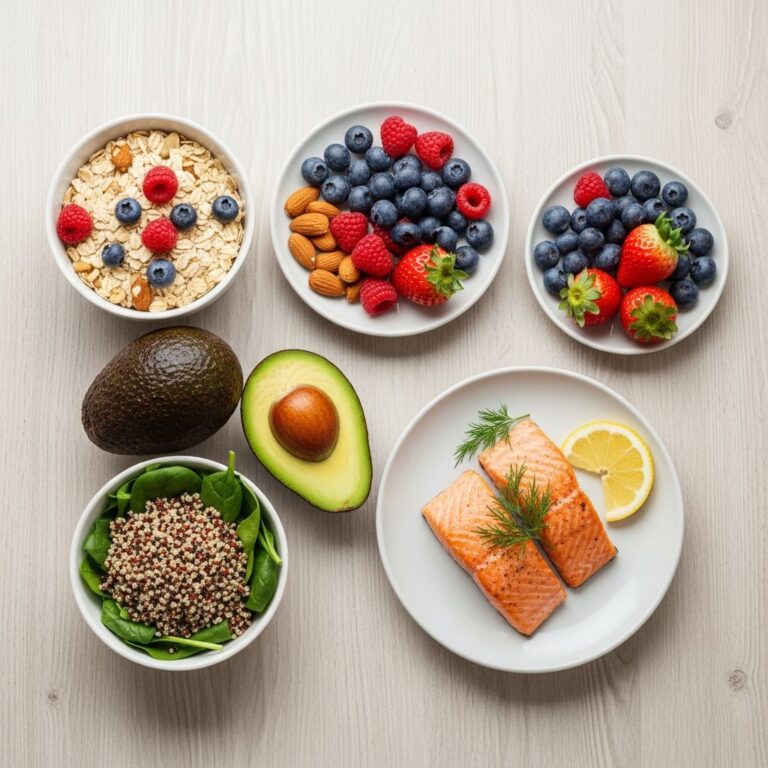
General rules: Opt for fresh, seasonal meals; sip warm water with cumin; eliminate processed foods, allergens, and nightshades. Hydration and regular meals stabilize digestion, key to skin health.
Lifestyle Practices for Long-Term Wellness
Beyond treatments, daily routines (Dincharya) fortify resilience.
- Wake before sunrise, practice yoga/pranayama to reduce stress.
- Use natural soaps; avoid hot showers.
- Meditate to balance mind-body link, as anxiety worsens flares.
- Sleep 7-8 hours in a cool, humid environment.
Rasayana therapies post-detox, like Guduchi decoctions, sustain gains and curb recurrences.
Potential Benefits and Evidence
Ayurveda’s multi-pronged strategy yields itch reduction, clearer skin, and fewer outbreaks. Case studies show marked improvement in pediatric and adult eczema via integrated protocols. Unlike symptom-masking creams, it targets origins for enduring results.
Precautions and When to Consult a Professional
Ayurveda suits most but requires personalization. Pregnant individuals, severe cases, or those on medications should seek expert guidance to avoid interactions. Start with mild herbs; monitor for allergies. Panchakarma demands supervised settings.
Frequently Asked Questions (FAQs)
What causes eczema in Ayurveda?
Imbalance of Pitta/Kapha doshas with toxin accumulation disrupts skin function.
Can Ayurveda cure eczema completely?
It manages root causes effectively, offering long-term remission with adherence.
How long does Ayurvedic treatment take?
4-12 weeks for noticeable relief; chronic cases may need cycles.
Are there home remedies for eczema?
Yes: Neem paste, turmeric milk, aloe gel soothe symptoms.
Is Panchakarma safe for children?
Gentle versions exist; consult a specialist.
What oils help eczema-prone skin?
Kumkumadi, neem, Mahamarichyadi oils.
References
- Ayurvedic Treatments for Eczema | 3 Stages | Regain Healthy Skin — Sen Wellness Sanctuary. 2023. https://www.senwellnesssanctuary.com/treatments/ayurveda-eczema
- What Are Ayurvedic Treatments for Eczema? — Healthline. 2023-10-15. https://www.healthline.com/health/ayurvedic-treatment-for-eczema
- Ayurvedic Treatment for Eczema (Vicharchika) — Sreedhareeyam Hospital. 2024. https://www.sreedhareeyam.com/hospital/blog/ayurvedic-treatment-for-eczema-87
- Ayurveda for Eczema: Causes, Symptoms, Treatment! — Kerala Ayurveda. 2023. https://keralaayurveda.com/blogs/news/ayurveda-for-eczema
- How Ayurveda Can Help Treat Eczema Naturally — Karma Ayurveda. 2024. https://www.karmaayurveda.in/how-ayurveda-can-help-treat-eczema-naturally/
- Ayurvedic Solutions for Eczema: Healing Skin Naturally — Ayur Heritage. 2023. https://www.ayurheritage.ae/blog-details/ayurvedic-solutions-for-eczema-healing-skin-naturally
- A case discussion on eczema — PMC – NIH (PubMed Central). 2011-02-28. https://pmc.ncbi.nlm.nih.gov/articles/PMC3059451/
Similar Articles








Read full bio of Sneha Tete