Ayurvedic Medicine: In Depth Guide to Ancient Healing
Explore the ancient Indian medical system, its effectiveness, safety, and integration with modern healthcare practices.
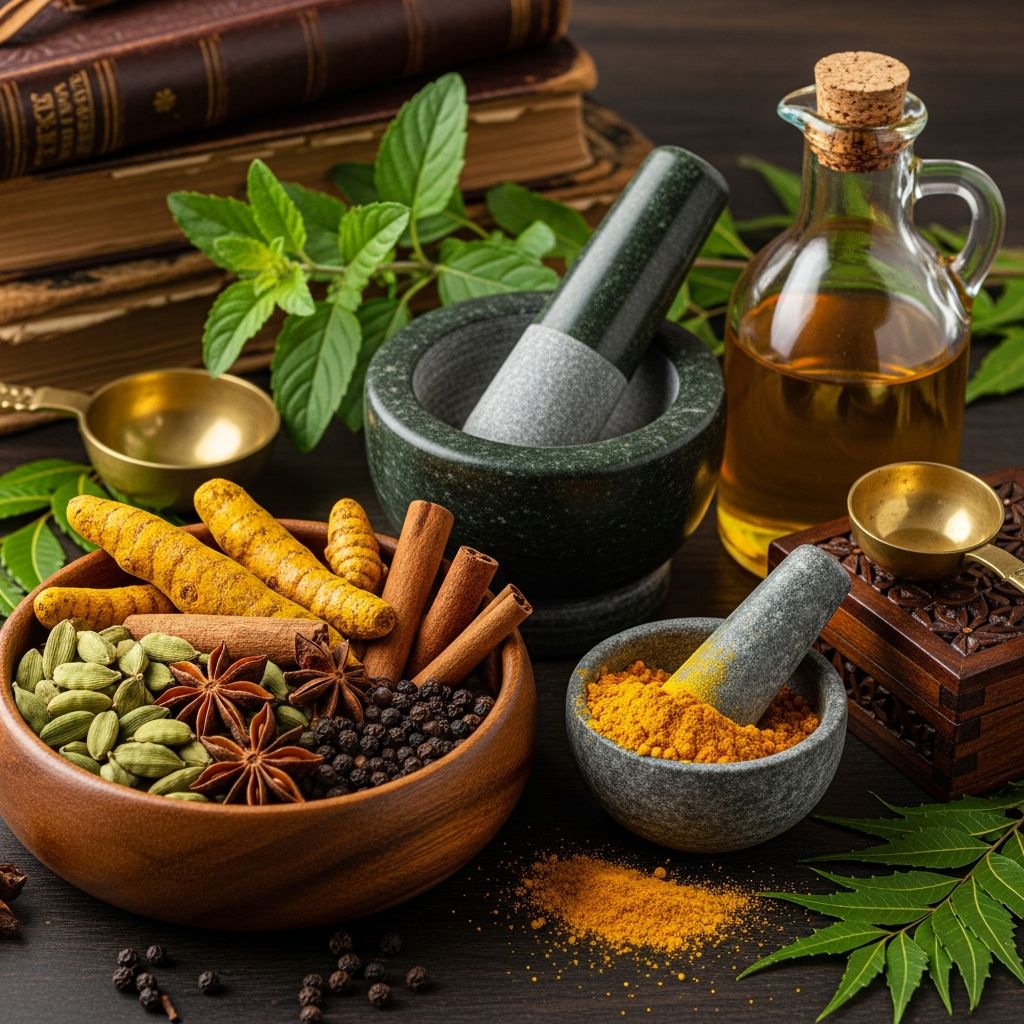
Ayurvedic medicine represents one of the world’s oldest and most enduring medical systems, with roots extending back more than 4,000 to 5,000 years in India. The term “Ayurveda” itself comes from Sanskrit, where “Ayur” means life and “Veda” means knowledge, literally translating to the “knowledge of life.” This ancient healing philosophy remains an integral part of India’s traditional healthcare systems today and has gained increasing interest among American adults, with approximately 240,000 people in the United States currently incorporating Ayurvedic approaches into their health regimens.
Understanding Ayurvedic Medicine
Ayurvedic medicine operates on fundamentally different principles than Western conventional medicine. Rather than focusing solely on treating individual symptoms or diseases, Ayurveda embraces a holistic approach to both physical and mental health, viewing the human body as an integrated system that must remain in balance with the mind and spirit. This ancient system represents far more than a collection of herbal remedies; it is a comprehensive framework for understanding health, diagnosing illness, and applying numerous treatment modalities.
The philosophical foundation of Ayurvedic medicine centers on the concept that health problems arise when the mind, body, and spirit fall out of balance. According to Ayurvedic practitioners, every individual possesses a unique constitutional makeup that determines their predisposition to certain health conditions and their optimal path to wellness.
The Three Doshas: Foundation of Ayurvedic Theory
Central to Ayurvedic philosophy is the concept of the three doshas, which are fundamental energetic principles that govern physiological and psychological functions. These three doshas represent the basic elements and their associated qualities:
– Vata Dosha: Composed of air and space, vata governs movement and all kinetic functions within the body. It controls nerve impulses, breathing, circulation, and the movement of thoughts through the mind.- Pitta Dosha: Made up of fire and water, pitta directs transformation, metabolism, and digestion. It manages body temperature, hunger, and the metabolic conversion of nutrients into energy.- Kapha Dosha: Consisting of water and earth elements, kapha provides structure, cohesion, and stability. It governs the immune system, lubrication of joints, and emotional grounding.
Ayurvedic practitioners maintain that these three doshas must work in harmonious balance for optimal health. The unique combination and balance of doshas in each individual creates their constitutional type, known as their prakruti. Most people have one or two dominant doshas, and this individual dosha balance influences their relationship with the environment and the universe.
Comprehensive Treatment Approaches in Ayurveda
Ayurvedic treatment is not a single intervention but rather a multifaceted approach that combines numerous therapeutic modalities. The treatment regimen typically includes a combination of the following elements:
– Dietary recommendations and specialized diets tailored to individual constitutions- Plant-based herbal medications and natural remedies- Therapeutic massage techniques- Meditation and mindfulness practices- Yoga and specific physical postures- Breathing exercises (pranayama) and relaxation techniques- Internal cleansing procedures
An Ayurvedic practitioner may recommend any combination of these treatments depending on the specific health conditions, constitutional type, and individual needs of the patient. More than 200 herbs and plants are utilized within the Ayurvedic pharmacopeia, with practitioners selecting specific formulations based on their assessment of the patient’s dosha imbalance.
Related Stories



Assessment and Diagnosis in Ayurvedic Practice
Ayurvedic diagnosis differs significantly from conventional Western medical evaluation. Practitioners employ multiple assessment techniques to determine an individual’s current dosha balance and identify areas of imbalance. The diagnostic process typically includes:
– Detailed questioning about symptoms, behavioral patterns, and lifestyle factors- Observing overall appearance, paying particular attention to the eyes, tongue, and skin- Taking the patient’s pulse with specialized techniques- Examining urine and stool characteristics
After determining the specific balance and imbalance of doshas, practitioners design individualized treatment plans specifically tailored to restore equilibrium within the body and between the individual and nature.
What the Science Says About Ayurvedic Medicine
While Ayurvedic medicine has been described in numerous scholarly articles and has been practiced successfully for millennia, the scientific evidence supporting its effectiveness remains limited. Although Ayurvedic medicine and its components have been documented extensively in academic literature, only a relatively small number of rigorous clinical trials using these approaches have been published in Western medical journals.
Research on Specific Conditions
Osteoarthritis: A notable 2013 clinical trial compared two Ayurvedic plant extract formulations against glucosamine sulfate and the pharmaceutical drug celecoxib in 440 individuals with knee osteoarthritis. Results demonstrated that all four treatments—the two Ayurvedic formulations, the natural supplement, and the conventional medication—provided similar reductions in pain and comparable improvements in physical function. This finding suggests that Ayurvedic approaches may be as effective as conventional treatments for this common degenerative joint condition.
Rheumatoid Arthritis: An NCCIH-funded pilot study conducted in 2011 involved 43 participants and compared conventional treatment with Ayurvedic approaches for rheumatoid arthritis. The conventional treatment tested was methotrexate, while the Ayurvedic intervention included 40 different herbal compounds. The research found that both treatment approaches demonstrated similar effectiveness in managing the condition.
Type 2 Diabetes: A small short-term clinical trial involving 89 men and women suggested that a specific formulation of five Ayurvedic herbs may provide beneficial effects for individuals with type 2 diabetes. However, researchers have noted that inadequate study designs and methodological limitations have prevented the development of firm conclusions about Ayurveda’s effectiveness for diabetes management.
Current NCCIH-Funded Research Initiatives
The National Center for Complementary and Integrative Health (NCCIH) continues to support investigations into Ayurvedic medicine’s potential benefits. Current research initiatives include:
– Building on earlier investigations in breast cancer survivors that demonstrated positive effects of integrated Ayurvedic medicine on quality of life. New research will evaluate methods to make such interventions more practical and accessible for incorporation into patients’ daily lives. The proposed Ayurvedic intervention includes diet modifications, lifestyle changes, yoga, and pressure point treatment.- Studying the protective mechanisms by which an extract from Butea monosperma flowers may prevent joint destruction associated with osteoarthritis. Butea monosperma is widely utilized in traditional Ayurvedic practice in India for treating arthritis and various inflammatory diseases.
Important Safety and Regulatory Considerations
Individuals considering Ayurvedic medicine should be aware of several important safety and regulatory considerations. Unlike conventional medicine, there is no significant regulation of Ayurvedic practice or education in the United States. Additionally, no state currently requires Ayurvedic practitioners to hold a license or meet standardized credentialing requirements.
Key Safety Guidelines
Consultation with Healthcare Providers: Before using any Ayurvedic products or treatments, particularly if you have an existing health condition, consult with your conventional healthcare provider. Ayurvedic medicine should never be used as a substitute for seeking appropriate conventional medical care when facing a medical problem.
Special Populations: Pregnant women and nursing mothers must consult with their healthcare provider before using Ayurvedic products, as some formulations may contain substances that could be harmful to a developing fetus or nursing infant. Parents should similarly consult their child’s healthcare provider before administering Ayurvedic treatments to children.
Heavy Metal Contamination: Some Ayurvedic products have been documented to contain potentially harmful heavy metals, including lead. Consumers should be cautious about product sourcing and quality, and should report any adverse effects to their healthcare provider.
Comprehensive Health Communication: It is essential to inform all your healthcare providers about any complementary or integrative health approaches you use, including Ayurvedic treatments. Providing a complete picture of all health management strategies ensures coordinated and safe care across all your treatment modalities.
Comparing Ayurvedic and Conventional Approaches
| Aspect | Ayurvedic Medicine | Conventional Medicine |
|---|---|---|
| Philosophical Approach | Holistic, preventive, focuses on balance | Symptom-focused, diagnostic, evidence-based |
| Treatment Duration | Often long-term, ongoing maintenance | Typically shorter duration, acute management |
| Primary Treatments | Herbs, diet, lifestyle, meditation, massage | Pharmaceuticals, surgery, procedures |
| Scientific Evidence | Limited clinical trials, traditional knowledge | Extensive clinical trials, peer-reviewed research |
| Regulation in US | Minimal regulation, no licensure required | Strictly regulated, licensure required |
| Customization | Highly individualized based on dosha | Standardized based on diagnosis |
Frequently Asked Questions About Ayurvedic Medicine
Q: How long has Ayurvedic medicine been practiced?
A: Ayurvedic medicine is one of the world’s oldest medical systems, originating more than 4,000 to 5,000 years ago in India. It remains an integral part of India’s traditional healthcare system today.
Q: Can Ayurvedic medicine treat serious conditions like cancer?
A: There is no reliable scientific evidence supporting the use of Ayurvedic medicine as a treatment for cancer. While some Ayurvedic techniques might help manage symptoms of cancer or its treatment, Ayurveda should not be used as a substitute for conventional cancer treatment. Always consult with your oncologist.
Q: Is Ayurvedic medicine regulated in the United States?
A: No. There is no significant regulation of Ayurvedic practice or education in the United States, and no state requires practitioners to be licensed. This means the quality and credentials of practitioners can vary significantly.
Q: How many Americans use Ayurvedic medicine?
A: Approximately 240,000 American adults currently use Ayurvedic medicine, reflecting growing interest in this ancient healing system.
Q: What does Ayurvedic treatment typically include?
A: Ayurvedic treatment combines diet and dietary recommendations, herbal medications, massage therapy, meditation, yoga, breathing exercises (pranayama), relaxation techniques, and sometimes internal cleansing procedures. The specific combination depends on individual needs and constitutional type.
Q: Are there any safety concerns with Ayurvedic products?
A: Yes. Some Ayurvedic products have been found to contain heavy metals like lead. Additionally, certain Ayurvedic remedies may interact with conventional medications or be harmful during pregnancy and nursing. Always consult with your healthcare provider before using Ayurvedic products.
Resources for Additional Information
For individuals seeking more information about Ayurvedic medicine and complementary health approaches, the National Center for Complementary and Integrative Health (NCCIH) provides comprehensive resources and information.
NCCIH Clearinghouse Contact Information:
Toll-free: 1-888-644-6226
Telecommunications Relay Service (TRS): 7-1-1
Website: https://www.nccih.nih.gov
Email: info@nccih.nih.gov
The NCCIH Clearinghouse provides detailed information on complementary and integrative health approaches, including publications and access to searches of Federal databases containing scientific and medical literature. However, the Clearinghouse does not provide medical advice, treatment recommendations, or referrals to practitioners.
Key Takeaways
Ayurvedic medicine represents an ancient and comprehensive approach to health that emphasizes balance, prevention, and individualized treatment. While it has been practiced successfully for thousands of years and maintains millions of practitioners worldwide, scientific evidence supporting many of its claims remains limited in Western medical literature. Recent clinical trials comparing Ayurvedic approaches to conventional treatments for conditions like osteoarthritis and rheumatoid arthritis have shown comparable effectiveness, suggesting potential value in certain applications.
However, potential users should approach Ayurvedic medicine thoughtfully, consulting with conventional healthcare providers before beginning treatment, particularly when managing serious health conditions. The lack of regulation and licensing requirements in the United States means that practitioners’ qualifications and product quality can vary considerably. Most importantly, Ayurvedic medicine should complement rather than replace conventional medical care, especially for serious or acute health conditions. When used appropriately as part of an integrated approach to health, Ayurvedic medicine may offer valuable benefits for overall wellness and quality of life.
References
- Ayurvedic Medicine: In Depth — National Center for Complementary and Integrative Health (NCCIH), National Institutes of Health. 2024. https://www.nccih.nih.gov/health/ayurvedic-medicine-in-depth
- Ayurvedic medicine | Complementary and alternative therapy — Cancer Research UK. 2024. https://www.cancerresearchuk.org/about-cancer/treatment/complementary-alternative-therapies/individual-therapies/ayurvedic-medicine
- Ayurveda — Merck Manual Consumer Version, Mayo Clinic. 2024. https://www.merckmanuals.com/home/special-subjects/integrative-complementary-and-alternative-medicine/ayurveda
- Ayurvedic herbs: Benefits, uses, evidence, precautions — Medical News Today. 2024. https://www.medicalnewstoday.com/articles/ayurvedic-herbs
- Chopra A, Saluja M, Tillu G, et al. Ayurvedic medicine offers a good alternative to glucosamine and celecoxib in the treatment of symptomatic knee osteoarthritis: a randomized, double-blind, controlled equivalence drug trial. — Journal of Clinical Rheumatology. 2013. PubMed Central.
- Breeher L, Mikulski MA, Czeczok T, et al. A cluster of lead poisoning among consumers of Ayurvedic medicine. — International Journal of Occupational and Environmental Health. 2015;21(4):303-307. https://pubmed.ncbi.nlm.nih.gov/
Similar Articles








Read full bio of Sneha Tete