Azelaic Acid: 5 Key Benefits For Acne And Rosacea
Comprehensive guide to azelaic acid treatments for acne, rosacea, and hyperpigmentation with usage tips and side effects.
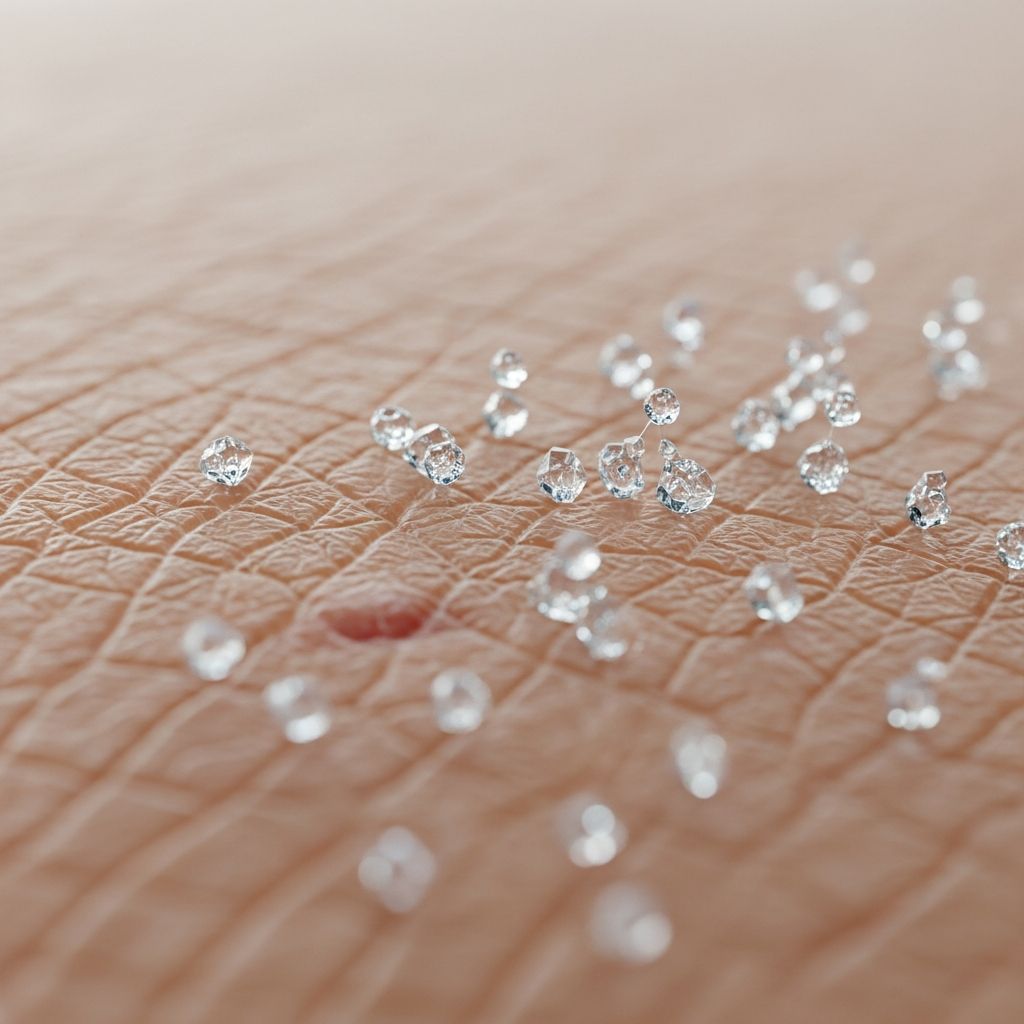
Azelaic acid is a topical medication available as
Finacea
gel (15%) andSkinoren
cream (20%), primarily used to treat mild to moderate acne and rosacea. It works by killing acne-causing bacteria, reducing inflammation, normalizing keratin production to unclog pores, and fading post-inflammatory hyperpigmentation.About azelaic acid
Azelaic acid is a naturally occurring dicarboxylic acid found in grains like wheat and barley. In dermatology, it’s formulated into creams and gels at concentrations of 15-20% for topical use. Unlike harsher treatments like retinoids or benzoyl peroxide, azelaic acid is gentle, making it suitable for sensitive, rosacea-prone, or darker skin tones.
It exhibits multiple mechanisms: antimicrobial action against Propionibacterium acnes (now Cutibacterium acnes), anti-inflammatory effects by neutralizing free radicals and inhibiting reactive oxygen species (ROS), and tyrosinase inhibition to reduce melanin production and hyperpigmentation. Clinical studies confirm its efficacy in acne vulgaris, papulopustular rosacea, melasma, and even emerging uses like hidradenitis suppurativa and keratosis pilaris.
Key benefits
- Antibacterial: Kills acne bacteria and limits their growth (bacteriostatic and bactericidal).
- Anti-keratinizing: Reduces excess keratin to prevent pore blockages and blackheads.
- Anti-inflammatory: Soothes redness, calms irritation in rosacea, and counters free radicals.
- Depigmenting: Evens skin tone by inhibiting tyrosinase, effective for post-acne marks, melasma, and dark spots.
- Antioxidant: Protects skin from oxidative damage.
Before using azelaic acid
Allergy
Do not use if allergic to azelaic acid or any ingredients in Finacea or Skinoren. Signs of allergy include rash, itching, swelling, or breathing difficulties—seek immediate medical help.
Pregnancy and breastfeeding
Azelaic acid is generally considered safe during pregnancy (Category B) and breastfeeding, with minimal systemic absorption. Consult your doctor before use.
Other medicines
Compatible with most topicals, but avoid combining with strong exfoliants or irritants initially to prevent dryness. Can be used alongside oral antibiotics or hormonal therapies for acne.
How to use azelaic acid
Apply thinly to clean, dry affected areas (face, chest, back) twice daily—morning and evening. Use a pea-sized amount for the face, gently massaging in. Wash hands after application. Cosmetics can be applied after it dries (15-30 minutes).
| Product | Strength | Primary Use | Texture |
|---|---|---|---|
| Skinoren | 20% cream | Acne (face, back, chest) | Emollient, suitable for dry skin |
| Finacea | 15% gel/foam | Rosacea (face) | Light, non-greasy for oily skin |
Improvement in acne may take 4 weeks; full effects in 2-3 months. For rosacea, redness reduces within weeks.
Brands available
- Skinoren 20% Cream: For mild-moderate acne, reduces bacteria, keratin, inflammation, and pigmentation.
- Finacea 15% Gel/Foam: Licensed for rosacea, also used off-label for acne.
- Generics: Available as azelaic acid 15-20% formulations.
Cautions
- Avoid eyes, mouth, mucous membranes—rinse if contact occurs.
- May bleach hair or fabrics; use white towels.
- Not for severe acne or nodules—see a dermatologist.
- Sun protection recommended as it may increase sensitivity.
- Patch test first for sensitive skin.
Side-effects of azelaic acid
Commonly causes mild burning, stinging, itching, dryness, or redness (affects 10-50% initially), resolving in 1-2 weeks as skin adjusts. Rare: severe irritation, allergic reactions, worsening acne (discontinue and consult doctor).
Related Stories



- Mild (transient): Prickling, scaling, erythema.
- Rare: Contact dermatitis, hypopigmentation (temporary lightening, more in dark skin).
No systemic side effects due to low absorption.
If you take too much (overdose)
Overapplication causes excessive local irritation. Rinse with water; symptoms resolve quickly. Seek medical advice if persistent.
Stop taking azelaic acid and tell a doctor
- Signs of allergy: hives, swelling, anaphylaxis.
- Severe irritation or ulceration.
- No improvement after 1 month or worsening.
- Pregnancy/breastfeeding concerns.
Expiry, storage, and disposal
Store below 25-30°C, away from children. Discard after expiry; do not flush—use medicine take-back programs.
How to dispose of azelaic acid safely
Return unused portions to pharmacy or local take-back schemes to prevent environmental contamination.
Frequently Asked Questions
Who can and cannot use azelaic acid?
Adults and adolescents over 12 for acne; adults for rosacea. Avoid in known hypersensitivity. Safe for pregnancy/breastfeeding with advice.
Can I use azelaic acid on broken skin?
No, avoid cuts or abrasions to prevent stinging.
Does azelaic acid bleach clothes?
Yes, it may discolor fabrics—use old towels.
How long until azelaic acid works?
4 weeks for initial improvement; 3 months for optimal results.
Can azelaic acid treat acne scars?
Yes, it fades post-inflammatory hyperpigmentation and mild scars by promoting cell turnover.
Is azelaic acid safe for dark skin?
Yes, preferred as it reduces pigmentation without hypopigmentation risk like hydroquinone.
Can I use makeup with azelaic acid?
Yes, apply after it dries.
Further reading and support
Consult dermatologists via NHS or private clinics. Resources: British Association of Dermatologists, acne.org support forums (use cautiously).
Azelaic acid’s versatility makes it a first-line option for acne and rosacea, backed by peer-reviewed evidence. Consistent use yields clearer, even-toned skin with minimal downtime. Emerging research explores oral forms and combinations for broader applications.
References
- Skinoren 20% | Boots Online Doctor UK — Boots Online Doctor. 2023. https://onlinedoctor.boots.com/treatments/skinoren
- What is Azelaic Acid and Its Benefits? — Banner Health. 2023-10-12. https://www.bannerhealth.com/healthcareblog/teach-me/azelaic-acid-and-its-benefits
- Azelaic Acid 101: How To Use It & What Are The Benefits? — Dr Sam Bunting. 2024. https://drsambunting.com/en-us/blogs/sam-bunting/azelaic-acid-101-how-to-use-it-what-are-the-benefits
- The multiple uses of azelaic acid in dermatology — PubMed Central (PMC). 2024-01-15. https://pmc.ncbi.nlm.nih.gov/articles/PMC10809820/
- Buy Skinoren 20% Cream Online — The Independent Pharmacy. 2024. https://www.theindependentpharmacy.co.uk/acne/skinoren-cream
- Azelaic acid: Uses, Application and More — DermNet NZ. 2024-05-20. https://dermnetnz.org/topics/azelaic-acid
- Azelaic Acid for Your Skin: What to Know — WebMD. 2023. https://www.webmd.com/skin-problems-and-treatments/what-to-know-about-azelaic-acid-skin
Similar Articles








Read full bio of Sneha Tete