Azelastine Eye Drops for Allergies (Optilast)
Effective relief from itchy, red eyes caused by seasonal or year-round allergies with azelastine eye drops.
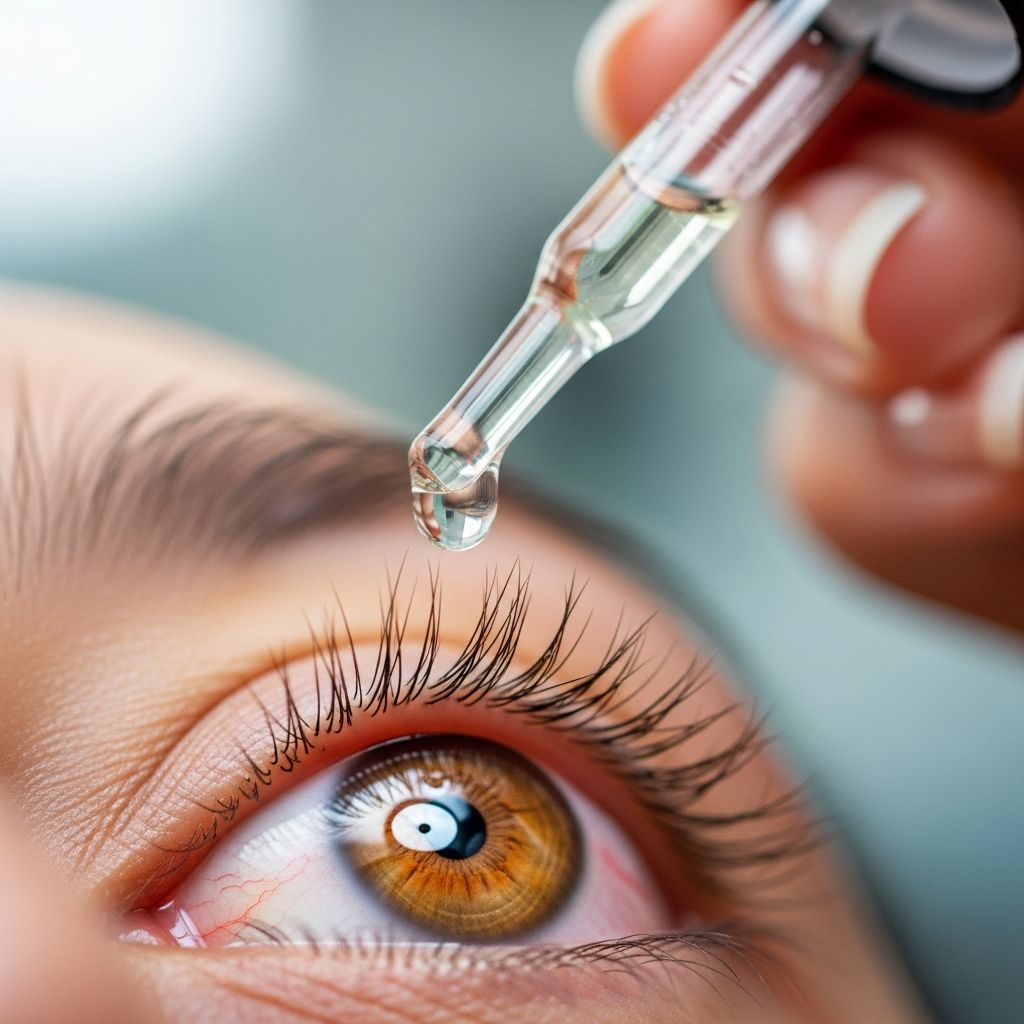
Azelastine eye drops, commonly known as
Optilast
, are a targeted antihistamine treatment designed to alleviate the uncomfortable symptoms ofallergic conjunctivitis
. This condition, often triggered by hay fever or perennial allergens, causes intenseitching
,redness
, andwatering
in the eyes. By blocking histamine—a key chemical responsible for allergic reactions—azelastine provides rapid relief, typically within 15-30 minutes of application.Available as a prescription eye drop solution, azelastine is suitable for both
seasonal allergic conjunctivitis
(e.g., pollen from grass or trees) andnon-seasonal (perennial) allergic conjunctivitis
(e.g., dust mites, pet dander, or mold). Unlike oral antihistamines, these drops act directly on the eye surface, minimizing systemic side effects while offering precise symptom control.In this comprehensive guide, we explore everything you need to know about using azelastine eye drops: from how they work and proper administration to potential side effects, precautions, and when to seek medical advice. Whether you’re dealing with springtime hay fever or year-round allergies, understanding this medication empowers you to manage symptoms effectively.
About azelastine eye drops
| Type of medicine | Antihistamine eye drops |
|---|---|
| Used for | To relieve symptoms of allergic conjunctivitis |
| Also called | Optilast® |
| Available as | Eye drops |
Azelastine hydrochloride, the active ingredient in Optilast, belongs to the
antihistamine
class of medications specifically formulated for ophthalmic use. It works by preventing the effects of histamine on the eyes’ blood vessels and tissues, reducinginflammation
,itching
, andredness
. This makes it particularly effective forseasonal allergic conjunctivitis
(hay fever eyes) andperennial allergic conjunctivitis
.The drops are supplied in a multi-dose bottle with a dropper tip for controlled application. The solution contains
benzalkonium chloride
as a preservative, which helps maintain sterility but requires precautions for contact lens wearers. Clinical studies show azelastine reduces eye inflammation quickly, with symptom improvement noticeable in as little as 15-30 minutes.Unlike corticosteroid eye drops, azelastine does not carry the risk of increased eye pressure or cataracts with prolonged use, making it a safer option for short-term allergy relief. It’s approved for adults and children, with age-specific dosing guidelines to ensure safety.
Before using azelastine eye drops
Before starting azelastine eye drops, consult your doctor to confirm it’s appropriate for your condition. Provide a full medical history, including:
- If you wear
soft contact lenses
—the preservative can be absorbed by lenses, potentially causing irritation. - If you are
pregnant
orbreastfeeding
—while no harm to babies is known, your doctor should assess risks. - Any history of
allergic reactions
to antihistamines or other eye drops. - Existing eye conditions, such as infections, glaucoma, or recent eye surgery.
Do not use azelastine if you have a known hypersensitivity to azelastine hydrochloride or any excipients. Inform your doctor of all medications, including other eye drops or oral allergy treatments, to avoid interactions. Azelastine is generally well-tolerated, but these checks ensure safe use, especially in children or those with comorbidities.
Related Stories



How to use azelastine eye drops
Always follow your doctor’s instructions and read the patient information leaflet (PIL) provided with the pack. Azelastine is for
external eye use only
—never ingest, inject, or apply to other body parts.Standard Dosage Guidelines
| Condition | Age Group | Recommended Dose |
|---|---|---|
| Seasonal Allergic Conjunctivitis (Hay Fever) | Adults and children 4 years+ | 1 drop in each affected eye, twice daily (morning and evening) |
| Non-Seasonal (Perennial) Allergic Conjunctivitis | Adults and children 12 years+ | 1 drop in each affected eye, twice daily; up to 4 times daily if severe |
| Prevention | All suitable ages | Use prophylactically before allergen exposure (e.g., going outdoors) |
Children under 3 years: Dose must be determined by a doctor. Do not exceed recommended doses, as overuse can increase side effects without added benefit.
Step-by-Step Application Instructions
- Wash hands thoroughly with soap and water to prevent contamination.
- Tilt head back and pull down the lower eyelid to form a pocket.
- Hold the bottle upside down directly over the eye; squeeze gently to instill
one drop
into the pocket. Avoid touching the eye, eyelids, fingers, or surfaces with the dropper tip to prevent infection. - Close the eye gently and press the inner corner (near the nose) with a finger for 1-2 minutes. This blocks the tear duct, enhancing absorption and reducing drainage[10].
- Blink sparingly and keep eyes closed for 1-2 minutes. Wipe excess with a clean tissue.
- Repeat for the other eye if needed. If using other eye drops, wait
5-10 minutes
between applications. - Replace cap tightly after use; store at room temperature, away from children.
The bottle is partially filled for drop control. Use within 28 days of opening or as per PIL.
Getting the most from your treatment
To maximize effectiveness and safety:
- Use
regularly
at the same times daily for consistent relief. For severe symptoms, increase to 4 times daily only as directed. - Expect temporary blurred vision upon instillation—wait until clear before driving, operating machinery, or hazardous activities.
- Do not wear soft contact lenses during treatment unless advised; remove before drops and wait 10-15 minutes before reinserting.
- Treat no longer than
6 weeks continuously
; consult your doctor for extended needs. - If symptoms persist beyond
2 days
, worsen, or new issues arise (e.g., pain, vision changes), seek medical advice promptly. - Combine with non-drug measures: avoid allergens, use wraparound sunglasses, cold compresses, and keep windows closed during high pollen seasons.
Track usage and symptoms in a journal to discuss with your healthcare provider at follow-ups.
Side effects
Most users experience mild, transient effects. Common side effects include:
- **Temporary stinging, burning, or bitter taste** in the mouth (5-15% of users).
- **Blurred vision** or eye discomfort shortly after application.
Rare but serious effects (seek immediate help):
- Severe allergic reactions: rash, swelling around eyes, increased itching.
- Eye issues: redness, pain, discharge, vision changes, or infection signs.
- Systemic: headache, nausea, fatigue (uncommon).
| Side Effect | Frequency | Management |
|---|---|---|
| Mild stinging/itching | Common | Resolves in minutes; continue unless severe |
| Blurred vision | Common | Wait 5-10 minutes before activities |
| Eye redness/swelling | Rare | Stop use; contact doctor |
| Allergic reaction | Rare | Emergency care if breathing issues |
Report persistent or worrying effects to your doctor or pharmacist.
Frequently Asked Questions (FAQs)
Can I drive after using azelastine eye drops?
Temporary blurred vision may occur; wait until vision clears before driving or using machinery.
Is azelastine safe for children?
Yes, for seasonal allergies from age 4+ (twice daily); perennial from 12+. Consult doctor for younger children.
How quickly does it work?
Relief typically starts in 15-30 minutes.
What if I miss a dose?
Apply as soon as remembered; skip if nearly time for next. Never double dose.
Can I use it with contact lenses?
Remove lenses before use; wait 10-15 minutes before reinserting soft lenses.
How long can I use azelastine?
Up to 6 weeks; see doctor for longer-term needs.
References
- Azelastine (ophthalmic route) – Side effects & dosage — Mayo Clinic. 2023-10-01. https://www.mayoclinic.org/drugs-supplements/azelastine-ophthalmic-route/description/drg-20062098
- Azelastine eye drops for allergies – Patient.info — Patient.info. 2024-05-15. https://patient.info/medicine/azelastine-eye-drops-for-allergies-optilast
- Azelastine eye drop: Uses, Side Effects, Dosage & More — GoodRx. 2024-02-20. https://www.goodrx.com/optivar/what-is
- Azelastine Ophthalmic: MedlinePlus Drug Information — MedlinePlus (U.S. National Library of Medicine). 2024-11-10. https://medlineplus.gov/druginfo/meds/a603009.html
- Optilast Eye Drops — PrivateDoc. 2023-08-05. https://www.privatedoc.com/medication/optilast-eye-drops/
- Optilast Eye Drops — medicines.org.uk (EMC). 2024-01-12. https://www.medicines.org.uk/emc/product/11152/smpc
Similar Articles








Read full bio of Sneha Tete