Azoospermia: Causes, Diagnosis & Treatment Options
Understand azoospermia, its causes, diagnosis methods, and effective treatment options for male infertility.
What Is Azoospermia?
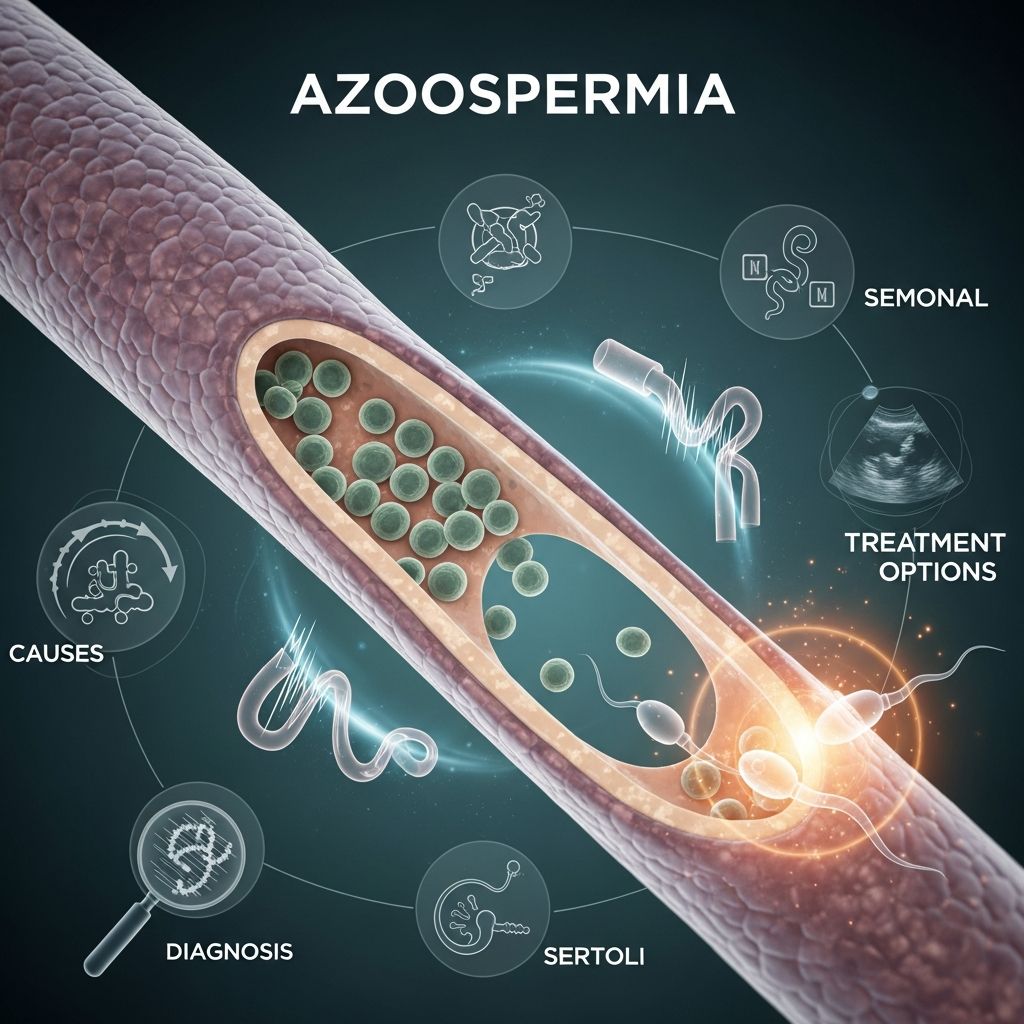
Azoospermia is a medical condition characterized by the complete absence of sperm in the ejaculate (semen). This condition represents one of the most significant causes of male infertility, occurring in approximately 15% of men who seek treatment for infertility concerns. The diagnosis is confirmed through semen analysis, where no sperm cells are detected even though the ejaculate volume appears normal. Unlike oligospermia, which involves low sperm count, azoospermia means there are literally no sperm present in the semen produced during ejaculation.
The impact of azoospermia on fertility is substantial, as sperm are essential for natural conception. However, it is important to note that azoospermia does not necessarily mean a man cannot become a biological father, as modern reproductive technologies and medical interventions have made parenthood possible for many men with this condition.
Types of Azoospermia
Azoospermia is classified into three primary categories based on the location and cause of the problem:
Pre-Testicular Azoospermia
Pre-testicular azoospermia results from endocrine or hormonal abnormalities that prevent the production of sperm. In this type, the testes themselves are functioning normally, but the hormonal signals necessary to stimulate sperm production are absent or insufficient. Common causes include low testosterone levels, problems with the pituitary gland, or hormonal imbalances. This type of azoospermia is often the most treatable, as it can frequently be managed with hormonal therapy to restore the body’s natural sperm-producing mechanisms.
Testicular Azoospermia
Testicular azoospermia occurs when the testes themselves are damaged or diseased and cannot produce sperm. This category encompasses various conditions affecting testicular function, including genetic abnormalities, infection, injury, cancer treatments, or congenital disorders. Men with testicular azoospermia typically have testicular disorders for which interventions have lower success rates. However, even in these cases, sperm retrieval techniques may allow extraction of viable sperm for use with assisted reproductive technologies like in vitro fertilization (IVF).
Post-Testicular (Obstructive) Azoospermia
Post-testicular or obstructive azoospermia occurs when sperm production is normal, but the sperm cannot reach the ejaculate due to blockages or structural problems in the reproductive tract. Common causes include vasectomy, blockage of the vas deferens, ejaculatory duct obstruction, or absence of the vas deferens. This type is often reversible through surgical intervention or sperm retrieval procedures combined with assisted reproduction.
Causes of Azoospermia
Azoospermia can result from numerous different causes, which healthcare providers categorize based on where in the reproductive system the problem occurs:
Hormonal and Pre-Testicular Causes
Hormonal imbalances represent a significant category of pre-testicular azoospermia causes. Low testosterone, elevated prolactin levels, thyroid disorders, and problems with the hypothalamic-pituitary-gonadal axis can all prevent normal sperm production. Additionally, testosterone replacement therapy itself can paradoxically lead to azoospermia as an unintended side effect.
Testicular Causes
Testicular factors that may lead to azoospermia include:
- Genetic disorders such as Klinefelter syndrome or other chromosomal abnormalities
- Undescended testicles (cryptorchidism)
- Testicular infection or inflammation
- Varicocele (enlarged veins in the scrotum)
- Radiation or chemotherapy exposure
- Physical trauma or testicular injury
- Surgery in the pelvic region
- Certain medications
Related Stories



Obstructive Causes
Obstructive causes prevent sperm transport despite normal production. These include:
- Vasectomy or failed vasectomy reversal
- Congenital absence of the vas deferens
- Cystic fibrosis-related reproductive tract abnormalities
- Ejaculatory duct obstruction
- Infection-related scarring
- Traumatic injury to the reproductive tract
Diagnosis and Evaluation
Proper diagnosis of azoospermia requires a comprehensive evaluation to identify the underlying cause. The diagnostic process typically begins with a detailed medical history and progresses through several investigative steps.
Medical History and Physical Examination
Your healthcare provider will take a thorough medical history, asking about:
- Previous surgeries or injuries to the genital area
- History of sexually transmitted infections
- Exposure to heat, toxins, or radiation
- Medications currently being taken
- Lifestyle factors such as smoking, alcohol use, or drug exposure
- Family history of infertility or genetic conditions
- General health and wellness concerns
A thorough physical examination follows, with special attention paid to the scrotum, testes, epididymides, and spermatic cord. The provider palpates these structures to identify abnormalities such as varicocele, testicular atrophy, or absence of the vas deferens. A rectal examination may also be performed to evaluate the prostate and seminal vesicles.
Semen Analysis
Semen analysis is the primary diagnostic test for azoospermia. The American Urological Association and American Society of Reproductive Medicine recommend at least two separate semen analyses to confirm the diagnosis. The analysis evaluates semen volume, sperm count, sperm motility, and sperm morphology.
Imaging Studies
Imaging techniques may be employed to investigate the cause of azoospermia. Transrectal ultrasound can evaluate the prostate and seminal vesicles, helping identify ejaculatory duct obstruction. Dilated seminal vesicles (greater than 1.5 cm in diameter) or dilated ejaculatory ducts (greater than 2 mm in diameter) suggest obstruction. Scrotal ultrasound may reveal varicocele or other structural abnormalities.
Hormonal Testing
Blood tests measuring testosterone, follicle-stimulating hormone (FSH), and luteinizing hormone (LH) levels help identify hormonal causes of azoospermia. Elevated FSH levels suggest testicular dysfunction, while low testosterone indicates possible pre-testicular causes.
Genetic Testing
The American Urological Association recommends genetic evaluation for men with non-obstructive azoospermia or severe oligospermia. Karyotype testing identifies chromosomal abnormalities such as Klinefelter syndrome, while genetic counseling helps men understand their condition and its implications.
Treatment Options
Treatment approaches for azoospermia vary significantly depending on the underlying cause. Some causes can be cured or reversed, while others require alternative approaches to achieve parenthood.
Hormonal Therapy
Hormonal therapy is often effective for pre-testicular azoospermia caused by hormonal imbalances. Treatment may include gonadotropin therapy, GnRH agonist therapy, or correction of thyroid or prolactin abnormalities. These treatments aim to restore normal hormonal signaling and stimulate sperm production. Success rates for hormonal therapy vary depending on the specific hormonal deficiency being treated.
Surgical Interventions
Vasectomy Reversal
For men with azoospermia due to vasectomy, microsurgical vasectomy reversal (vasovasostomy) can restore the flow of sperm. This microsurgical procedure reconnects the vas deferens that were severed during the original vasectomy. Success rates vary but can result in sperm return to the ejaculate in the majority of cases.
Varicocelectomy
Surgical repair of varicocele (enlarged veins in the scrotum) may improve testicular function and potentially restore sperm production. Microsurgical subinguinal varicocelectomy is considered the gold standard approach, as it is associated with lower risk of varicocele recurrence and reduced rates of postoperative hydrocele formation.
Reconstruction Procedures
Complicated microsurgical reconstructions of the vas deferens may be performed to correct congenital absence or acquired obstruction. These procedures require advanced surgical expertise and specialized microscopic equipment.
Sperm Retrieval Techniques
When sperm production is present but cannot be ejaculated naturally, various sperm retrieval techniques can extract viable sperm for use with assisted reproductive technologies:
| Procedure | Method | Best Use |
|---|---|---|
| Percutaneous Epididymal Sperm Aspiration (PESA) | Needle aspiration from the epididymis | Obstructive azoospermia with epididymal blockage |
| Microsurgical Epididymal Sperm Aspiration (MESA) | Surgical extraction under microscope from the epididymis | Obstructive azoospermia requiring higher success rates |
| Testicular Sperm Extraction (TESE) | Retrieval directly from testicular tissue | Non-obstructive azoospermia and testicular disorders |
| Microsurgical Testicular Sperm Extraction (TESE) | Surgical extraction under microscope from multiple testicular sites | Non-obstructive azoospermia with patchy sperm production |
Assisted Reproductive Technologies
For men with azoospermia where natural conception is not possible, assisted reproductive technologies offer viable alternatives. In vitro fertilization (IVF) combined with intracytoplasmic sperm injection (ICSI) allows a single sperm to be injected directly into an egg, enabling fertilization even with severely diminished or retrieved sperm. Sperm retrieval techniques can be combined with ICSI to achieve pregnancy.
Lifestyle Modifications
While lifestyle changes alone cannot cure azoospermia, certain modifications may support fertility and overall health. These include avoiding exposure to excessive heat (which can damage sperm production), maintaining a healthy weight, reducing stress, avoiding smoking and recreational drugs, and limiting alcohol consumption. These measures are particularly relevant for men undergoing treatment for hormone-responsive forms of azoospermia.
Prognosis and Treatment Outcomes
The prognosis for azoospermia varies significantly based on the underlying cause. Hormonal problems and obstructive causes are usually treatable, and fertility can potentially be restored through appropriate medical or surgical intervention. Men with testicular disorders face more challenging circumstances, but live sperm retrieval remains possible in many cases, allowing assisted reproductive techniques to be employed.
It is important to recognize that many causes of azoospermia can be reversed or managed effectively. You and your healthcare team will work together to determine the specific cause of your azoospermia and develop an individualized treatment plan suited to your circumstances and fertility goals.
Frequently Asked Questions
Q: Is azoospermia permanent?
A: Azoospermia is not always permanent. Many causes, particularly hormonal imbalances and obstructive conditions, can be reversed through appropriate treatment. Even when azoospermia cannot be reversed, modern reproductive technologies like ICSI with retrieved sperm offer pathways to biological parenthood.
Q: Can azoospermia be cured?
A: Some causes of azoospermia can be cured through treatment. Hormonal causes may respond to hormone therapy, and obstructive causes may be corrected through surgery. However, testicular causes with permanent damage may not be reversible. Your healthcare provider can discuss the specific curability of your condition based on its cause.
Q: What are my options if I have azoospermia and want to have children?
A: Treatment options depend on the cause of your azoospermia. These may include hormonal therapy, surgical correction, sperm retrieval procedures combined with IVF and ICSI, or other assisted reproductive technologies. Genetic counseling can also provide valuable guidance.
Q: How long does treatment for azoospermia take?
A: The duration of treatment depends on the type and cause of azoospermia. Hormonal therapy may take several months to show results, while surgical procedures may have more immediate effects. Your healthcare provider can give you a timeline specific to your treatment plan.
Q: Will azoospermia affect my overall health?
A: Azoospermia itself primarily affects fertility and does not directly impact overall health or lifespan. However, the underlying condition causing azoospermia may have broader health implications. Your healthcare provider can address any health concerns related to your specific diagnosis.
References
- Azoospermia (Zero Sperm Count): Causes & Treatment — Cleveland Clinic. 2024. https://my.clevelandclinic.org/health/diseases/15441-azoospermia
- A Schematic Overview of the Current Status of Male Infertility Practice — National Center for Biotechnology Information (NCBI). 2020. https://pmc.ncbi.nlm.nih.gov/articles/PMC7308239/
- Male Fertility — Cleveland Clinic Department of Urology. 2024. https://my.clevelandclinic.org/departments/urology-kidney/depts/male-fertility
- Male Infertility: Current Guidelines and Future Possibilities — Cleveland Clinic ConsultQD. 2024. https://consultqd.clevelandclinic.org/male-infertility-current-guidelines-and-future-possibilities
- Understanding Azoospermia, One of the Most Common Causes of Male Infertility — Medicover Genetics. 2024. https://medicover-genetics.com/understanding-azoospermia-one-of-the-most-common-causes-of-male-infertility/
Similar Articles








Read full bio of Sneha Tete