Azotemia: Types, Causes, Symptoms & Treatment
Understanding azotemia: causes, symptoms, diagnosis, and effective treatment options.
Understanding Azotemia: A Comprehensive Guide
Azotemia is a medical condition characterized by an abnormally high concentration of nitrogen compounds, creatinine, and other metabolic waste products in your blood. This condition develops when your kidneys become diseased or damaged and can no longer efficiently filter out these nitrogenous wastes through urine. While many individuals with azotemia may not experience noticeable symptoms initially, others may present with significant clinical manifestations that require prompt medical attention. Understanding the types, causes, symptoms, and treatment options for azotemia is essential for managing kidney health and preventing serious complications.
What is Azotemia?
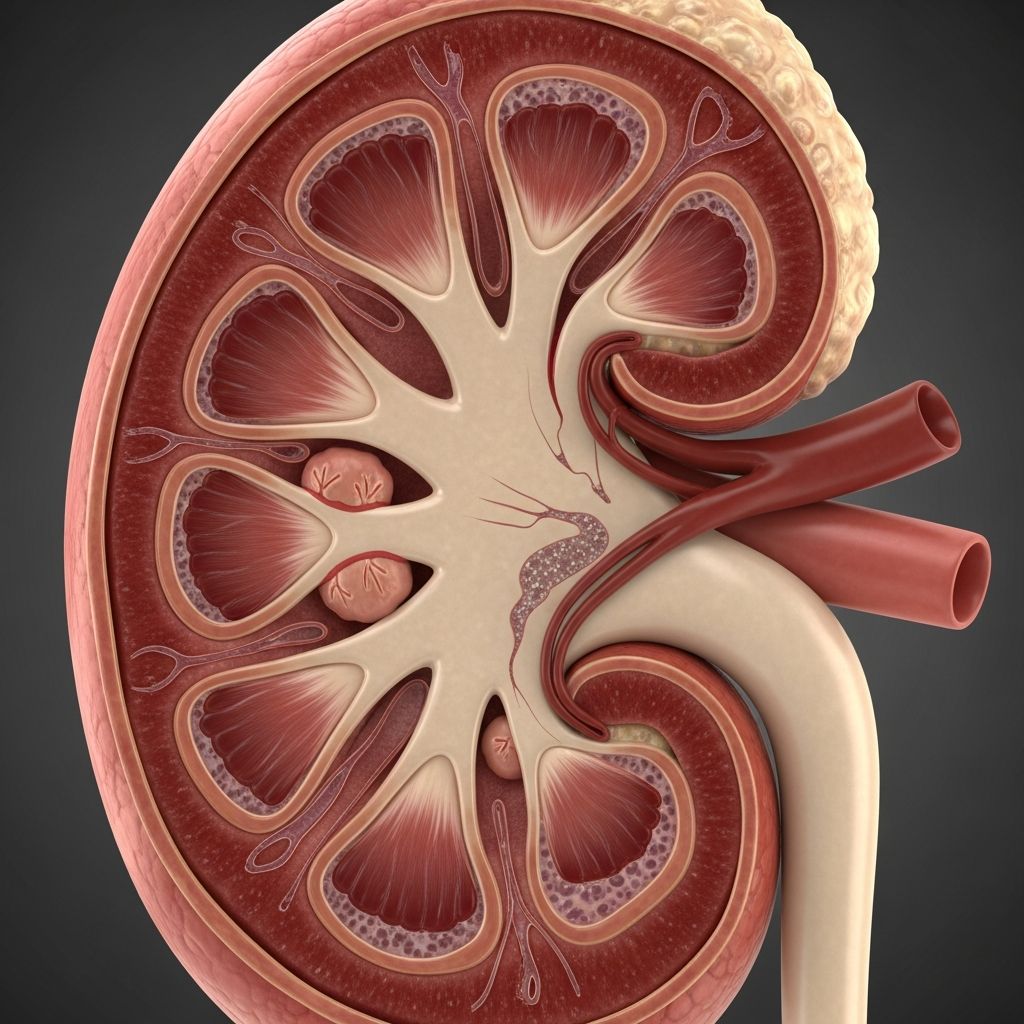
The kidneys play a vital role in maintaining homeostasis by filtering metabolic waste products from the blood and excreting them through urine. When kidney function deteriorates due to disease or injury, these waste products accumulate in the bloodstream, leading to azotemia. The condition reflects a decline in the kidneys’ ability to perform their filtration function, which can be assessed through elevated blood urea nitrogen (BUN) levels and increased creatinine concentration. Creatinine is a waste product that results from muscle tissue metabolism and serves as an important marker for kidney function.
Types of Azotemia
Azotemia is classified into three distinct categories based on the underlying cause and location of the problem within the renal system:
Prerenal Azotemia
Prerenal azotemia occurs when there is inadequate blood flow to the kidneys, preventing them from filtering waste products effectively. This type develops before the kidneys themselves, arising from conditions that reduce renal perfusion. Common causes include dehydration, severe bleeding, heart failure, sepsis, and liver disease. In prerenal azotemia, the kidneys are structurally normal but lack sufficient blood supply to function properly.
Intrinsic Renal Azotemia
Intrinsic renal azotemia results from direct damage to the kidney structures themselves, including the glomeruli, tubules, and interstitium. This type develops when the kidney tissue is injured by diseases such as acute kidney injury (AKI), chronic kidney disease, glomerulonephritis, pyelonephritis, or exposure to nephrotoxic substances. The kidney structures themselves are compromised, leading to impaired filtration capability.
Postrenal Azotemia
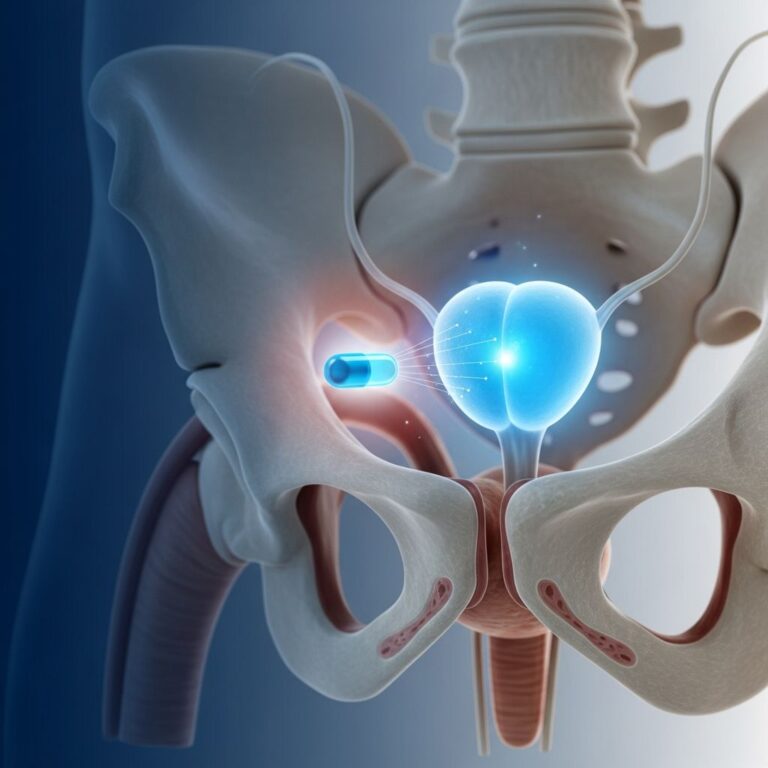
Postrenal azotemia occurs when urine flow is obstructed after it leaves the kidneys, preventing normal excretion of waste products. Causes include kidney stones, bladder obstructions, prostate enlargement, tumors, or ureteral strictures. In this type, the kidneys may function normally, but the obstruction prevents waste elimination through the urinary tract.
Causes of Azotemia
Azotemia can develop from various underlying conditions affecting kidney function. The causes differ based on the type of azotemia but generally include:
Common Causative Factors
– Dehydration and fluid loss- Acute kidney injury from ischemia or toxic exposure- Chronic kidney disease and hypertension- Diabetes mellitus with poor glycemic control- Heart failure and cardiogenic shock- Sepsis and severe infections- Acute tubular necrosis- Nephrotoxic medications and substances- Organ failure- Severe burns- Bladder or urinary tract obstructions- Liver disease- Blood loss or hemorrhage
Among these, hypertension and diabetes are recognized as two of the most common disease processes that can adversely affect renal vascular and tubular epithelium if poorly managed. Additionally, exposure to toxic substances, contrast media, and certain medications can precipitate azotemia through direct kidney damage.
Related Stories



Symptoms of Azotemia
The clinical presentation of azotemia varies depending on the severity and progression of the condition. Some patients may remain asymptomatic, particularly in early stages, while others experience significant symptoms:
Early and Common Symptoms
– Fatigue and loss of energy- Loss of appetite- Nausea and vomiting- Not urinating frequently- Feeling confused or experiencing mental fog- Weakness
Moderate to Severe Symptoms
– Shortness of breath (dyspnea)- Chest pain or pressure in the chest- Fluid retention causing swelling in legs, feet, or ankles- Irregular heartbeat (arrhythmia)- Swelling in the skin tissues- Skin tenting (skin remains raised after gentle pinching)- Pitting edema (swelling that forms dimples when pressed)- Crackling sounds when breathing- Fluid buildup in the abdomen causing bloating and abdominal pain- Indigestion- Constipation- Frequent urination
Signs of Infection
When azotemia develops from infectious causes, additional symptoms may include:
– Fever and chills- Sweating and diaphoresis- Cough and congestion- Dysuria (painful urination)- Pyuria or hematuria (pus or blood in urine)
Severe Complications
In advanced cases, azotemia can progress to acute kidney failure, resulting in:
– Coma or seizures- Fluid accumulation in the lungs leading to respiratory distress- Muscle weakness from electrolyte imbalances- Pericarditis (inflammation of the heart lining)
Nausea and vomiting are particularly significant signs that the disease has worsened and require immediate medical evaluation.
Diagnosis of Azotemia
Accurate diagnosis of azotemia requires a comprehensive evaluation combining clinical assessment, physical examination, and laboratory testing.
Clinical History and Physical Examination
A healthcare provider specializing in kidney conditions (nephrologist) will begin by reviewing your complete medical history and asking detailed questions about your symptoms. The physical examination includes assessment of volume status through evaluation of:
– Mucous membrane appearance (dry versus wet)- Skin turgor and elasticity- Presence of edema (pitting or nonpitting)- Hepatojugular reflux- Pulmonary crackles- Abdominal examination for ascites- Signs of infection- Blood pressure measurement
Laboratory Testing
Azotemia is definitively diagnosed through specific laboratory tests:
– Blood urea nitrogen (BUN) test- Serum creatinine measurement- Urinalysis (UA)- Urine electrolytes- Metabolic panel (CMP/BMP)
Acute kidney injury is generally diagnosed by an increase in creatinine of 0.3 mg/dL, a creatinine increase greater than 1.5 times the baseline, or a decrease in creatinine clearance of less than 0.5 mL/kg per hour.
Imaging Studies
Additional diagnostic imaging may be ordered to identify the cause:
– Renal ultrasound- CT scan- Doppler ultrasound- Other imaging as clinically indicated
Histopathological Findings
In acute kidney injury associated with azotemia, common microscopic findings include:
– Ischemic damage to kidney tissue- Apoptosis (programmed cell death)- Tubular necrosis- Detachment of renal epithelial cells from basement membranes- Effacement of the brush border in proximal tubules- Tubular casts from cell sloughing- Interstitial edema- Peritubular capillary congestion
Treatment Approaches for Azotemia
The management of azotemia is primarily directed at treating the underlying cause before irreversible kidney damage occurs. Treatment strategies vary significantly based on the type of azotemia and the precipitating factors.
General Treatment Principles
The fundamental approach to treating azotemia involves:
– Identifying and treating the underlying condition- Hospital admission for supportive care in most cases- Preventing progression to acute kidney failure- Managing fluid and electrolyte balance- Monitoring kidney function parameters
Specific Treatment Modalities
Fluid and Hemodynamic Support
Intravenous (IV) fluids are frequently administered to increase fluid and blood volume, particularly in prerenal azotemia. Blood or blood products may be used when significant hemorrhage is present. Hydration is especially important in cases of azotemia related to toxic exposure or obstruction.
Medication Management
Medications may be prescribed to:
– Control serum potassium levels- Restore blood calcium levels- Increase blood pressure- Improve cardiac pump function- Support renal perfusion
Dialysis
Dialysis may be necessary for patients with late-stage azotemia or when conservative management proves inadequate. Dialysis removes toxins and excess fluid from the blood using a machine to filter blood outside the body before returning it to circulation. This treatment may be temporary or long-term depending on prognosis and underlying cause.
Obstruction Relief
For postrenal azotemia, relief of obstruction followed by hydration is the mainstay of treatment. Urologic evaluation may be necessary, along with catheter placement to facilitate urine drainage.
Toxic Substance Cessation
Discontinuation of nephrotoxic medications or substances, combined with hydration, can facilitate recovery of kidney structures.
Dietary Modifications
Dietary changes may be recommended as part of comprehensive management, particularly in patients developing acute kidney failure symptoms.
Mechanical Ventilation
In severe cases with respiratory compromise, mechanical ventilation may be required for supportive care.
Long-term Management
Chronic disease optimization is crucial for preventing azotemia progression. Hypertension and diabetes management are particularly important, as these conditions adversely affect kidney structures if poorly controlled. Optimizing blood pressure control and hemoglobin A1c levels is essential for protecting kidney function long-term.
Prevention and Lifestyle Modifications
While some causes of azotemia cannot be prevented, certain lifestyle measures can reduce risk:
– Maintain adequate hydration by drinking appropriate fluid amounts- Manage blood pressure through medication compliance and lifestyle changes- Achieve optimal glycemic control if diabetic- Avoid nephrotoxic substances when possible- Use medications only as prescribed- Undergo regular medical monitoring if at risk for kidney disease- Seek prompt treatment for urinary tract infections and obstructions
Prognosis and Complications
The prognosis for azotemia depends on early detection and treatment of the underlying cause. If caught early, many forms of azotemia are treatable and manageable. However, if left untreated or complicated by other conditions, azotemia can progress to serious complications including:
– Acute kidney failure- Acute tubular necrosis- Permanent kidney damage requiring transplantation or lifelong dialysis- Fluid accumulation in the lungs- Cardiac complications- Electrolyte imbalances and muscle weakness- Coma and death
Many people with azotemia have a good prognosis when treatment begins promptly. However, other health conditions, pregnancy, and late-stage kidney disease can complicate treatment and worsen outcomes.
Frequently Asked Questions
Q: What is the difference between azotemia and uremia?
A: Azotemia refers to elevated nitrogen compounds in the blood, while uremia represents a more advanced state with clinical symptoms from toxin accumulation. Azotemia is a laboratory finding that can progress to uremia if untreated.
Q: Can azotemia be reversed?
A: Depending on the type and cause, many cases of azotemia can be reversed if the underlying condition is treated promptly. Prerenal azotemia often resolves with fluid restoration, and postrenal azotemia improves with obstruction removal. However, intrinsic renal damage may cause permanent changes.
Q: How is azotemia monitored after treatment begins?
A: Monitoring involves regular blood tests measuring BUN and creatinine levels, urinalysis, and periodic renal function assessments. Physical examinations assess fluid status and symptom resolution.
Q: What warning signs indicate azotemia is worsening?
A: Worsening symptoms include onset of nausea and vomiting, increased shortness of breath, chest pain, severe swelling, confusion, or significant changes in urination patterns. These require immediate medical evaluation.
Q: Is azotemia the same as kidney disease?
A: Azotemia is a sign or symptom of kidney dysfunction rather than a disease itself. It indicates impaired kidney function but requires investigation to determine the underlying cause.
References
- Azotemia and Acute Kidney Injury — National Center for Biotechnology Information (NCBI). 2024. https://www.ncbi.nlm.nih.gov/books/NBK538145/
- Azotemia: Types, Symptoms, and Causes — Healthline Medical Review. 2018. https://www.healthline.com/health/azotemia
- Azotemia: Symptoms, Causes, and Treatment — Healthgrades. 2024. https://resources.healthgrades.com/right-care/symptoms-and-conditions/azotemia
- Azotemia: Causes, Symptoms, Treatments, and More — WebMD Medical Reference. 2024. https://www.webmd.com/a-to-z-guides/what-is-azotemia
- Prerenal Azotemia Medical Encyclopedia — MedlinePlus, U.S. National Library of Medicine. 2024. https://medlineplus.gov/ency/article/000508.htm
- Azotemia: Types, Causes, Symptoms & Treatment — Cleveland Clinic. 2024. https://my.clevelandclinic.org/health/diseases/25037-azotemia
Similar Articles








Read full bio of Sneha Tete