B Vitamins and Homocysteine: Lowering Heart Disease Risk
Understand how B vitamins regulate homocysteine levels and support cardiovascular health naturally.
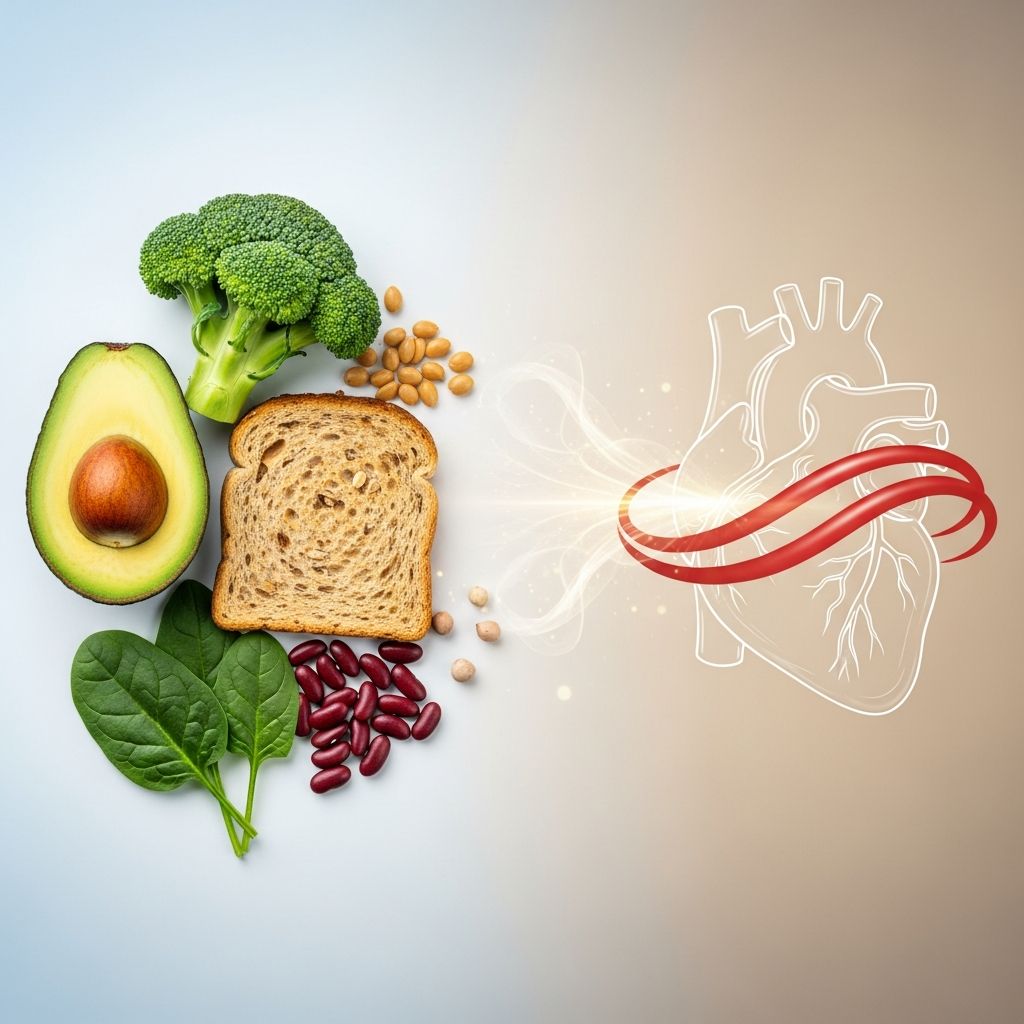
Understanding Homocysteine and Heart Health
Homocysteine is an amino acid naturally produced by the body during protein metabolism. Over the past two decades, researchers have identified elevated homocysteine levels as a potential risk factor for cardiovascular disease, including heart attack and stroke. This discovery sparked significant interest in understanding how certain nutrients, particularly B vitamins, influence homocysteine levels and cardiovascular outcomes.
The relationship between homocysteine and heart disease emerged from clinical observations of patients with homocystinuria, a rare genetic disorder characterized by severely elevated homocysteine levels and early cardiovascular events. This observation led scientists to hypothesize that even moderately elevated homocysteine might contribute to cardiovascular disease in the general population. Understanding this connection has important implications for disease prevention and treatment strategies.
How B Vitamins Regulate Homocysteine
B vitamins play crucial roles in homocysteine metabolism through two primary pathways. The first pathway, known as transsulfuration, requires vitamin B6 (pyridoxal phosphate) to convert homocysteine into cysteine, another amino acid. The second pathway, called remethylation, converts homocysteine back into methionine, an essential amino acid. This remethylation process depends on folate (vitamin B9) and vitamin B12 (cobalamin), along with riboflavin (vitamin B2).
Additionally, choline and betaine support homocysteine metabolism indirectly. Choline can be converted into betaine in the body, and betaine acts as a methyl donor in the remethylation pathway. This interconnected system demonstrates why adequate intake of multiple B vitamins is essential for maintaining healthy homocysteine levels.
The Role of Individual B Vitamins
Folate (Vitamin B9) is one of the most extensively studied B vitamins in relation to homocysteine. Research demonstrates that adequate folate intake is associated with lower homocysteine levels and improved cardiovascular outcomes in observational studies. Folate works primarily through the remethylation pathway, making it particularly important for individuals with dietary insufficiency.
Vitamin B12 (Cobalamin) functions as a cofactor in the remethylation pathway and is absolutely essential for this process to occur efficiently. Deficiency in B12, which is more common in older adults and vegetarians, can lead to elevated homocysteine levels regardless of folate status.
Vitamin B6 (Pyridoxal Phosphate) catalyzes the transsulfuration pathway, converting homocysteine to cysteine. This vitamin is essential for the body’s ability to eliminate homocysteine through metabolic conversion rather than remethylation.
Riboflavin (Vitamin B2) serves as a cofactor in the remethylation pathway and supports the overall metabolic conversion of homocysteine.
The Homocysteine Hypothesis and Early Research
The homocysteine hypothesis suggested that even modest elevations in homocysteine levels could significantly increase cardiovascular disease risk. Early observational studies reported that patients with coronary heart disease or stroke had homocysteine levels 3 to 5 μmol/L higher than age- and sex-matched controls. A 1995 meta-analysis suggested that a 5 μmol/L increase in homocysteine was associated with a 70% higher risk of coronary heart disease.
Related Stories



These compelling early findings prompted extensive research into whether B vitamin supplementation could lower homocysteine and reduce cardiovascular disease rates. Multiple large randomized controlled trials were conducted to test whether lowering homocysteine through B vitamin supplementation would translate into clinical benefits. However, the results of these trials revealed an unexpected disconnect between laboratory findings and clinical outcomes.
Clinical Trial Evidence: A Surprising Discovery
Large randomized controlled trials investigating B vitamin supplementation consistently demonstrated the ability to lower homocysteine levels. Meta-analyses of these trials showed that supplementation with folate, vitamin B6, and B12 reduced plasma homocysteine levels by 20% to 30%, with reductions maintained over several years of treatment. Despite these impressive reductions in homocysteine, the trials found no significant reduction in the incidence of major cardiovascular events, including myocardial infarction, stroke, or cardiovascular death.
One comprehensive meta-analysis examining data from 37,485 individuals across multiple large trials found that lowering homocysteine by an average of 25% over approximately 5 years had no significant effect on major vascular events. This surprising finding suggested that while homocysteine is associated with increased cardiovascular disease risk in observational studies, simply lowering homocysteine through B vitamin supplementation does not necessarily prevent cardiovascular events.
This discrepancy between observational associations and intervention trial results has important implications for understanding disease causation and prevention strategies. It suggests that elevated homocysteine may be a marker of cardiovascular risk rather than a direct cause, or that other mechanisms beyond homocysteine reduction are necessary for disease prevention.
Dietary Sources of B Vitamins
Rather than relying solely on supplements, obtaining B vitamins from dietary sources provides additional health benefits beyond homocysteine reduction. Different food sources offer varying combinations of B vitamins:
Folate-rich foods include leafy green vegetables (spinach, kale, lettuce), legumes (lentils, chickpeas, black beans), asparagus, broccoli, and Brussels sprouts. Whole grains and fortified grain products also provide significant folate content.
Vitamin B12 sources include animal products such as beef, poultry, fish, eggs, and dairy products. Vegetarians and vegans should consider fortified plant-based products or supplements to meet B12 requirements.
Vitamin B6 sources include poultry, fish, chickpeas, bananas, potatoes, and a variety of vegetables. Meeting B6 requirements is generally achievable through varied dietary patterns.
Riboflavin sources include eggs, almonds, mushrooms, whole grains, and dairy products. Many foods that provide other B vitamins also supply adequate riboflavin.
Dietary Recommendations and Requirements
The dietary reference intakes for B vitamins vary by age and sex. For adults aged 19 to 50 years, the recommended dietary allowance for folate is 400 μg daily for both men and women. For vitamin B12, the recommendation is 2.4 μg daily for all adults. Vitamin B6 requirements are 1.3 to 1.7 mg daily for adults, and riboflavin requirements are 1.1 to 1.3 mg daily, depending on sex.
Older adults (aged 50 and older) should obtain vitamin B12 from fortified foods or supplements, as age-related changes in stomach acid reduce the absorption of naturally occurring B12 from food sources. This recommendation is particularly important for maintaining healthy homocysteine levels and overall metabolic function in aging populations.
Special Populations and B Vitamin Needs
Certain populations have increased B vitamin requirements or face challenges in meeting them through diet alone. Individuals with pernicious anemia or gastrointestinal disorders affecting nutrient absorption require B12 supplementation. Vegetarians and vegans should ensure adequate B12 intake through fortified foods or supplements, as plant sources do not naturally contain B12.
Individuals taking certain medications, such as metformin for diabetes management, may have reduced B12 absorption and should discuss supplementation with their healthcare provider. Older adults, as mentioned, have specific recommendations for B12 intake. Pregnant and breastfeeding women require increased folate intake to support fetal development and maintain maternal health.
B Vitamins and Specific Cardiovascular Conditions
Research has examined the relationship between B vitamins and various cardiovascular conditions beyond general cardiovascular disease. In peripheral artery disease, studies have yielded mixed results. Some research suggests associations between homocysteine and PAD risk in men but not women, with folate intake showing protective associations in men. However, the evidence for B vitamin supplementation benefit in PAD remains inconclusive.
For stroke specifically, some observational studies report stronger associations between homocysteine and stroke risk compared to coronary heart disease. However, clinical trials of B vitamin supplementation have not consistently demonstrated stroke reduction. The reasons for these discrepancies between observational findings and trial results continue to be investigated.
The Broader Picture: Beyond Homocysteine
While the homocysteine hypothesis has received considerable attention, it is important to recognize that B vitamins provide cardiovascular benefits through multiple mechanisms beyond homocysteine reduction. B vitamins support energy metabolism, nervous system function, and immune response. They play roles in DNA synthesis and repair, helping maintain healthy cell function throughout the body.
Additionally, B vitamins often come packaged with other beneficial nutrients when obtained from whole foods. For example, leafy green vegetables rich in folate also provide fiber, potassium, and polyphenols with independent cardiovascular benefits. Whole grain sources of B vitamins offer fiber and resistant starch that support healthy cholesterol levels and blood sugar control.
Current Understanding and Recommendations
Current evidence suggests that maintaining adequate B vitamin intake through a balanced, nutrient-dense diet supports overall cardiovascular health, even if B vitamin supplementation specifically for homocysteine reduction has not proven beneficial in clinical trials. Meeting recommended dietary intakes of folate, B12, B6, and riboflavin through food sources should be the primary goal.
For individuals unable to meet requirements through diet alone, such as older adults needing B12 or vegans needing B12, supplementation is appropriate. However, high-dose B vitamin supplementation for the specific purpose of lowering homocysteine in otherwise healthy individuals is not supported by current clinical evidence as a cardiovascular disease prevention strategy.
Healthcare providers should focus on comprehensive cardiovascular risk factor management, including blood pressure control, lipid management, regular physical activity, smoking cessation, and a heart-healthy dietary pattern that naturally provides adequate B vitamins.
Frequently Asked Questions
Q: Can I lower my homocysteine levels through B vitamin supplements alone?
A: While B vitamin supplements can lower homocysteine levels in the laboratory, clinical trials have not shown that this reduction translates into reduced cardiovascular disease risk. A balanced diet providing adequate B vitamins is preferable to high-dose supplementation.
Q: Should everyone get their homocysteine levels tested?
A: Homocysteine testing is not routinely recommended for all individuals. Your healthcare provider may recommend testing if you have significant cardiovascular disease risk factors or a family history of early heart disease.
Q: Which is better for B vitamins—food sources or supplements?
A: Food sources are generally preferable because they provide B vitamins along with fiber, minerals, and other beneficial compounds. Supplements may be necessary for specific populations, such as vegans needing B12 or older adults with absorption issues.
Q: Can too much folate be harmful?
A: The tolerable upper intake level for folate from supplements is 1,000 μg daily for adults. High-dose supplementation may mask B12 deficiency symptoms. Obtaining folate from food sources typically poses no risk of excess intake.
Q: Are there genetic factors affecting homocysteine metabolism?
A: Yes, genetic variations in enzymes involved in homocysteine metabolism, such as methylenetetrahydrofolate reductase (MTHFR), can affect individual homocysteine levels and B vitamin requirements. This is an area of ongoing research.
Q: How long does it take for B vitamins to lower homocysteine levels?
A: B vitamin supplementation typically lowers homocysteine levels within weeks of starting treatment. However, as noted, this laboratory change has not been shown to prevent cardiovascular events in clinical trials.
Q: Should I take B vitamins if I have no symptoms?
A: For most people, meeting B vitamin requirements through diet is sufficient. Supplementation may be warranted for specific populations identified by your healthcare provider based on diet, age, medications, or medical conditions.
References
- Plasma homocysteine, dietary B vitamins, betaine, choline and peripheral artery disease risk — National Center for Biotechnology Information (NCBI). 2014. https://pmc.ncbi.nlm.nih.gov/articles/PMC4102310/
- Effects of Lowering Homocysteine Levels With B Vitamins on Cardiovascular Disease, Cancer, and Cause-Specific Mortality — JAMA Internal Medicine, American Medical Association. 2022. https://jamanetwork.com/journals/jamainternalmedicine/fullarticle/226081
- Homocysteine Metabolism and Risk of Myocardial Infarction — American Journal of Epidemiology, Oxford University Press. 1996. https://academic.oup.com/aje/article-abstract/143/9/845/105047
- Dietary Reference Intakes for Energy, Carbohydrate, Fiber, Fat, Fatty Acids, Cholesterol, Protein, and Amino Acids — National Academies Press, Institute of Medicine. 2005. https://www.nap.edu
- Lead Exposure, B Vitamins, and Plasma Homocysteine in Men — National Center for Biotechnology Information (NCBI). 2014. https://pmc.ncbi.nlm.nih.gov/articles/PMC4181916/
- Effect of Homocysteine-Lowering Treatment With Folic Acid and B Vitamins on Cardiovascular Disease — Harvard Dash Repository. 2023. https://dash.harvard.edu/
- Vitamin B12 Deficiency — Mayo Clinic. 2024. https://www.mayoclinic.org
Similar Articles








Read full bio of Sneha Tete