Babesiosis: Causes, Symptoms, Diagnosis & Treatment
Complete guide to babesiosis: Learn about tick-borne parasitic infection, symptoms, and treatment options.
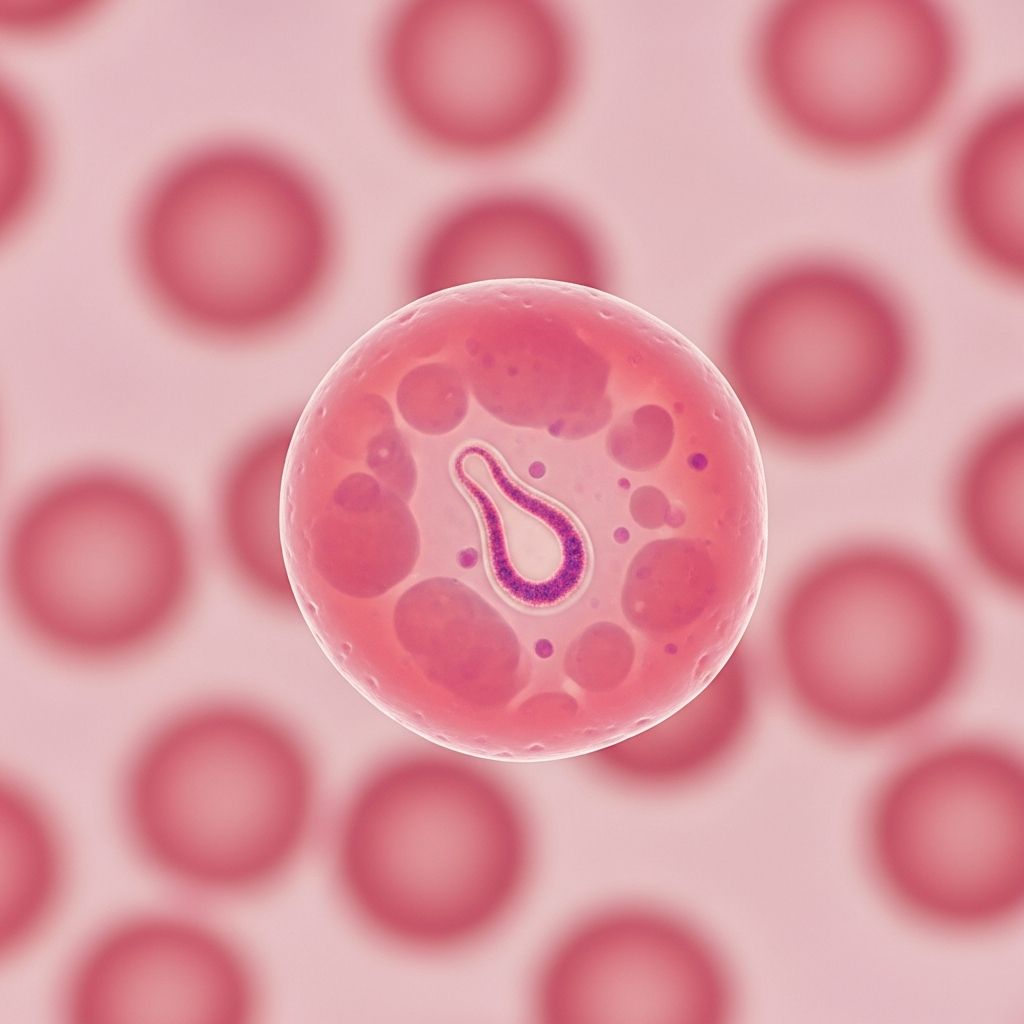
What is Babesiosis?
Babesiosis is an infectious disease caused by microscopic parasites of the genus Babesia that infect red blood cells. This condition is transmitted primarily through tick bites, though it can also be acquired through blood transfusions from infected donors. The parasites that most commonly cause human infection include Babesia microti, B. venatorum, B. duncani, and B. divergens. In the United States, the vast majority of cases are caused by Babesia microti, which is transmitted by the tick Ixodes scapularis, also known as the black-legged tick or deer tick.
Often described as a malaria-like illness, babesiosis presents with similar clinical features to other tick-borne diseases. The infection is endemic in the northeastern and upper midwestern states, with particularly high concentrations reported in Massachusetts, Connecticut, Rhode Island, New York, New Jersey, Minnesota, and Wisconsin. The geographic distribution reflects the habitat of the tick vectors and the populations of infected animals that serve as reservoirs for the parasite.
Geographic Distribution and Risk Areas
Babesiosis occurs primarily in specific regions of the United States where tick vectors and animal reservoirs are present. The highest incidence of cases is reported in northeastern states, including Massachusetts, Connecticut, Rhode Island, and New York, as well as in the upper Midwest, particularly Minnesota and Wisconsin. Understanding the geographic distribution of babesiosis is crucial for healthcare providers and individuals living in or visiting these areas, as heightened clinical suspicion can lead to earlier diagnosis and treatment.
The overlap of babesiosis with other tick-borne illnesses is significant, as the same tick species (Ixodes scapularis) transmits Lyme disease and anaplasmosis. This means that individuals in endemic areas may be at risk for simultaneous infection with multiple tick-borne pathogens, complicating diagnosis and treatment strategies.
Symptoms and Clinical Presentation
The clinical manifestations of babesiosis vary widely, ranging from asymptomatic disease to severe, life-threatening illness. Many patients experience no symptoms at all and may spontaneously recover without medical intervention. However, when symptoms do develop, they typically appear as non-specific flu-like symptoms that can make diagnosis challenging.
Common symptoms include:
– Fever and chills- Sweating and night sweats- Fatigue and weakness- Muscle aches (myalgia)- Headache- Joint pain (arthralgia)- Loss of appetite (anorexia)- Non-productive cough- Body aches
Symptoms typically develop within one to four weeks following a tick bite, though the exact incubation period can vary. In mild to moderate cases, symptoms often resemble influenza, which may lead to initial misdiagnosis. The severity of symptoms depends on several factors, including the patient’s immune status, age, and overall health condition.
Severe Disease Complications
While many cases of babesiosis resolve with minimal intervention, severe disease can develop, particularly in immunocompromised individuals, elderly patients, and those who have undergone splenectomy. Severe babesiosis requires hospitalization and can lead to serious complications affecting multiple organ systems.
Potential complications of severe babesiosis include:
Related Stories



– Marked hemolytic anemia- Acute respiratory distress syndrome (ARDS)- Disseminated intravascular coagulation (DIC)- Congestive heart failure- Acute kidney injury or renal failure- Liver impairment or liver failure- Shock and sepsis- Splenic infarction or rupture- Warm autoimmune hemolytic anemia- Fatal outcome
According to CDC data from cases reported between 2011 and 2015, approximately half of all reported cases required hospitalization for at least one night, and roughly one-third of patients experienced one or more serious complications. These statistics underscore the importance of early recognition and prompt treatment of babesiosis.
Who is at Risk for Babesiosis?
Certain populations face significantly higher risks of developing severe or persistent babesiosis. Understanding these risk factors is essential for appropriate clinical management and patient counseling.
High-risk populations include:
– Elderly individuals- Immunocompromised patients receiving chemotherapy- Individuals on immunosuppressive medications- Organ transplant recipients- Patients with HIV/AIDS- Asplenic patients (those without a functioning spleen)- Patients receiving blood transfusions from asymptomatic donors
In immunocompetent individuals, babesiosis is typically self-limited and responds well to treatment. However, in immunocompromised hosts, the infection can become persistent and refractory to standard antimicrobial therapy, potentially leading to life-threatening complications. Recent evidence indicates an increasing incidence of transfusion-acquired babesiosis, particularly from asymptomatic blood donors in endemic areas.
Diagnosis of Babesiosis
Accurate diagnosis of babesiosis requires a combination of clinical suspicion, laboratory testing, and sometimes serologic confirmation. The diagnostic approach should be considered in any patient presenting with febrile illness and nonspecific symptoms who comes from an endemic area or has a history of potential tick exposure.
Laboratory Testing Methods
The primary method for diagnosing acute babesiosis involves identifying Babesia organisms within or outside red blood cells on thin blood smears examined under microscopy. The parasites typically appear as small ring forms or the pathognomonic “Maltese cross” appearance, which consists of tetrads of organisms arranged in a characteristic cross pattern. This distinctive morphology can help differentiate babesiosis from other parasitic infections that produce intraerythrocytic ring forms.
Polymerase chain reaction (PCR) testing provides a more sensitive and specific diagnostic method for detecting Babesia DNA in blood samples. Real-time quantitative PCR can not only confirm the diagnosis but also help monitor parasitemia levels and therapeutic response. PCR is particularly valuable in cases with low parasitemia levels where organisms may be difficult to visualize on blood smears.
Serologic studies measuring antibodies against Babesia organisms provide supportive diagnostic information, though a single serologic test cannot confirm acute babesiosis. Serologic testing is most useful when paired with other diagnostic methods and becomes positive several days after symptom onset. Important limitation: the diagnosis of acute babesiosis cannot be confirmed solely by the presence of Babesia antibody in a serum sample collected at a single time point.
Treatment and Management
Prompt diagnosis and treatment of babesiosis is critical, as delay in initiating appropriate therapy is associated with severe disease and increased morbidity. The choice of antimicrobial regimen depends on disease severity and the patient’s immune status.
Preferred Treatment Regimens
The Infectious Diseases Society of America (IDSA) recommends two primary treatment options for babesiosis:
| Treatment Option | Agents | Duration | Best Used For ||—|—|—|—|| First-Line | Atovaquone plus azithromycin | 7-10 days | Immunocompetent patients; preferred due to better tolerability || Alternative | Clindamycin plus quinine | 7-10 days | When first-line therapy is contraindicated or unavailable |
Atovaquone plus azithromycin is the preferred antimicrobial combination for most patients experiencing babesiosis. This regimen has demonstrated excellent efficacy and tolerability, with cure achieved in most cases within the standard 7-10 day treatment duration. Clinical studies have shown that patients treated with this combination have fewer severe persistent symptoms requiring hospital admission compared to those treated with clindamycin plus quinine.
Clindamycin plus quinine represents an effective alternative treatment option, though some patients may experience more severe side effects or persistent symptoms requiring additional intervention. The choice between first-line and alternative regimens should be individualized based on patient factors, drug allergies, and contraindications.
Treatment Duration and Special Populations
For immunocompetent patients with mild to moderate babesiosis, symptoms typically improve within 48 hours of initiating appropriate antimicrobial therapy. However, parasitemia may persist for up to three months despite clinical improvement. Standard treatment duration for immunocompetent individuals is 7 to 10 days of antimicrobial therapy.
Immunocompromised patients require more aggressive and prolonged treatment. In severely immunocompromised individuals, babesiosis may persist or relapse despite appropriate therapy. For these patients, treatment should be extended for at least 6 weeks, including at least 2 weeks of therapy after Babesia organisms are no longer visible on blood smear. Some patients may require even longer courses of antimicrobial therapy or additional interventions such as exchange transfusion in cases of severe hemolysis.
Exchange Transfusion for Severe Disease
In cases of severe babesiosis with high parasitemia (typically >10%) and significant hemolytic anemia, exchange transfusion may be considered. This procedure involves removing infected blood and replacing it with uninfected blood, effectively reducing the parasitemia burden and alleviating severe anemia. Exchange transfusion is particularly indicated when hemoglobin levels drop below 8.0 g/dL or when severe complications such as respiratory distress or renal failure develop.
Prevention Strategies
Since babesiosis is transmitted through tick bites, prevention focuses on avoiding tick exposure and practicing proper tick removal techniques.
Key prevention measures include:
– Use tick repellents containing 20-30% DEET on skin and clothing- Wear long sleeves, long pants, and closed-toe shoes when in wooded or grassy areas- Tuck pants into socks to prevent ticks from crawling up legs- Perform thorough tick checks after outdoor activities, particularly in the groin, armpits, and hairline- Shower within two hours of coming indoors to allow detection and removal of ticks- Dry clothes in a hot dryer for at least 10 minutes to kill any attached ticks- Avoid tick-infested areas during peak season (May through October)- Consider permethrin treatment for clothing and gear in endemic areas
When to Seek Medical Attention
Individuals should seek medical attention if they develop fever, fatigue, muscle aches, or other flu-like symptoms, particularly if they have been in tick-endemic areas or recall a tick bite. Early diagnosis and treatment can prevent progression to severe disease and complications. Those with known immunocompromise should be especially vigilant about seeking prompt medical evaluation for any suspicious symptoms.
Frequently Asked Questions About Babesiosis
Q: Can babesiosis be cured?
A: Yes, babesiosis can be effectively treated and cured in most cases with appropriate antimicrobial therapy. Cure rates exceed 95% in immunocompetent patients receiving standard 7-10 day treatment courses. However, immunocompromised individuals may experience persistent or relapsing infections requiring prolonged therapy.
Q: Is babesiosis contagious between people?
A: Babesiosis is not directly contagious between people through casual contact. However, it can be transmitted through blood transfusions from infected donors and, theoretically, through organ transplantation. The primary transmission route remains tick bites in endemic areas.
Q: How long does it take to recover from babesiosis?
A: In most immunocompetent patients, symptoms improve within 48 hours of starting treatment, though complete parasitemia clearance may take up to three months. Full recovery typically occurs within 1-2 weeks. Immunocompromised patients may have longer recovery periods and require extended treatment.
Q: Can I have babesiosis without knowing it?
A: Yes, many people infected with Babesia organisms remain asymptomatic and may never know they were infected. These individuals typically develop natural immunity and recover spontaneously without medical intervention. However, blood banks now screen for babesiosis in endemic areas to prevent transfusion-transmitted infections.
Q: What should I do if I find a tick on my body?
A: Remove the tick promptly using fine-pointed tweezers. Grasp the tick as close to the skin as possible and pull upward with steady, even pressure. Do not twist or jerk, as this may cause the tick to break apart. Avoid using petroleum jelly, heat, or other home remedies. Save the tick in a sealed bag and consult with a healthcare provider about testing and prophylaxis for tick-borne diseases if appropriate.
Q: Is there a vaccine for babesiosis?
A: Currently, no vaccine is available for babesiosis prevention. The most effective prevention strategies involve avoiding tick exposure through appropriate clothing, repellents, and careful inspection after outdoor activities in endemic areas.
Q: Can babesiosis recur after treatment?
A: In immunocompetent individuals, recurrence is rare after appropriate treatment. However, immunocompromised patients may experience relapse or persistent infection despite adequate therapy, particularly if the underlying immunosuppression is not addressed. Extended treatment may be necessary for these patients.
References
- The first concurrent diagnosis of acute symptomatic Babesiosis and chronic myeloid leukemia — National Center for Biotechnology Information (NCBI). 2018. https://pmc.ncbi.nlm.nih.gov/articles/PMC6021575/
- IDSA 2020 Guideline on Diagnosis and Management of Babesiosis — Infectious Diseases Society of America (IDSA). 2020. https://www.idsociety.org/practice-guideline/babesiosis/
- Tickborne diseases other than Lyme in the United States — Cleveland Clinic Journal of Medicine. 2017. https://www.ccjm.org/content/84/7/555
Similar Articles








Read full bio of medha deb