Babesiosis: A Tick-Borne Illness on the Rise
Understanding babesiosis: symptoms, diagnosis, and treatment of this emerging tick-borne disease.
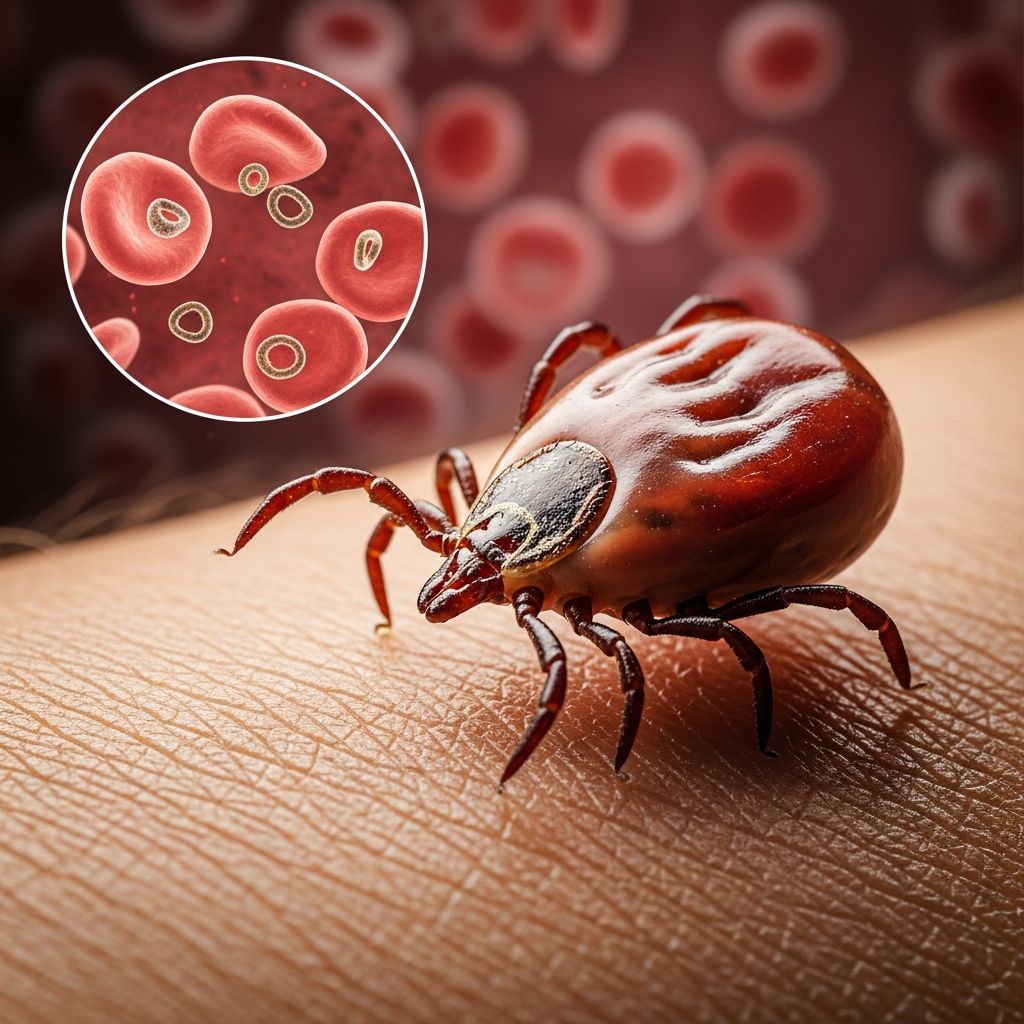
Babesiosis is an emerging infectious disease that has gained increasing attention from public health officials and healthcare providers in recent years. This parasitic infection is transmitted through the bite of infected Ixodes ticks—the same ticks responsible for spreading Lyme disease and anaplasmosis. As tick populations expand and climate patterns shift, cases of babesiosis are rising across the United States, particularly in the Northeast and Upper Midwest regions. Understanding this disease, its symptoms, diagnosis, and treatment options is essential for anyone living in or traveling to endemic areas.
What Is Babesiosis?
Babesiosis is a parasitic infection caused by microscopic organisms of the genus Babesia, most commonly Babesia microti in the United States. These parasites infect and multiply within red blood cells, disrupting their function and leading to hemolytic anemia. The disease is transmitted to humans through the bite of infected Ixodes scapularis ticks, commonly known as deer ticks or blacklegged ticks. These same ticks can also transmit Lyme disease and anaplasmosis, and individuals may develop coinfections with multiple tick-borne illnesses simultaneously.
Unlike some tick-borne diseases that are primarily a concern during specific seasons, babesiosis can be transmitted year-round, though peak transmission typically occurs from late spring through early fall when tick activity is highest. The disease has also been documented as a transfusion-transmitted infection, making it a concern for blood banking and transfusion medicine.
How Is Babesiosis Transmitted?
The primary route of transmission is through the bite of infected Ixodes ticks. These ticks are typically found in wooded and grassy areas, particularly in regions with deer populations. When an infected tick attaches to a person’s skin and feeds, it can transmit the Babesia parasite directly into the bloodstream.
It is important to note that babesiosis can also be transmitted through blood transfusions from infected donors and, in rare cases, from mother to child during pregnancy or childbirth. Healthcare facilities and blood banks have implemented screening measures to reduce transfusion-transmitted babesiosis, though the risk remains a consideration for blood safety protocols.
Recognizing the Symptoms
The symptoms of babesiosis are often nonspecific and can mimic other viral illnesses, making diagnosis challenging. In immunocompetent individuals, symptoms typically appear one to six weeks after infection and may include:
Common symptoms:
- Intermittent fever, often high and recurring
- Fatigue and general malaise
- Chills and sweating
- Headache and body aches (myalgias)
- Loss of appetite (anorexia)
- Nausea and vomiting
In some cases, patients may develop hepatosplenomegaly, an enlargement of the liver and spleen. The disease typically lasts from weeks to several months, with some patients requiring even longer recovery periods. Fatigue can persist for months after successful antibiotic treatment, even when parasites are no longer detectable.
Immunocompromised patients, including those with HIV/AIDS, asplenia (absence of a spleen), or those taking immunosuppressive medications, can develop severe disease with higher parasitemia levels, persistent symptoms, and potential life-threatening complications. Coinfection with Lyme disease or anaplasmosis may complicate the clinical presentation and increase disease severity.
Diagnosis and Laboratory Testing
Diagnosing babesiosis requires clinical suspicion followed by specific laboratory testing. Healthcare providers should consider babesiosis in patients presenting with fever, fatigue, and other compatible symptoms who live in or have traveled to endemic areas, particularly if they have been exposed to ticks.
Related Stories



Diagnostic methods include:
- Peripheral blood smear: Microscopic examination of blood samples stained with special dyes can reveal the characteristic ring-form or “Maltese cross” appearance of Babesia parasites within red blood cells. This method is relatively quick but requires experienced laboratory personnel.
- Serologic testing: Blood tests that detect antibodies against Babesia antigens can confirm infection. Antibodies typically develop one to four weeks after symptom onset.
- Polymerase chain reaction (PCR): This molecular test is highly sensitive and specific for detecting Babesia DNA in blood samples. PCR can identify parasites even at low levels and is useful for detecting persistent infections.
- Flow cytometry: This advanced method can detect infected red blood cells and is particularly useful in asymptomatic blood donors.
PCR testing is especially valuable for detecting low-level parasitemia and can remain positive for weeks to months after successful treatment. However, a positive PCR result alone does not indicate active disease or the need for continued treatment in asymptomatic patients.
Treatment Options
Treatment decisions depend on disease severity, immune status, and clinical presentation. Early diagnosis and appropriate therapy significantly reduce symptom severity and duration while helping prevent complications.
Treatment for Mild to Moderate Disease
For immunocompetent patients with mild to moderate babesiosis, the preferred treatment regimen consists of atovaquone plus azithromycin administered orally for 7 to 10 days. This combination is clinically effective, well-tolerated, and achieves cure in most cases. The standard dosing includes azithromycin 500 mg on the first day followed by 250 mg daily, combined with atovaquone 750 mg twice daily.
Treatment for Severe Disease
Patients hospitalized with severe babesiosis require more intensive treatment. The preferred regimen for severe disease consists of intravenous azithromycin combined with oral atovaquone. This approach delivers higher drug levels more rapidly, accelerating parasite clearance and symptom resolution.
An alternative combination of intravenous clindamycin plus oral quinine may be considered for patients who do not respond to or cannot tolerate atovaquone plus azithromycin. However, quinine commonly causes adverse effects requiring close patient monitoring, and this regimen should be reserved for alternative scenarios.
Treatment for Immunocompromised Patients
Immunocompromised patients, particularly those with HIV/AIDS, require more aggressive and prolonged therapy. Treatment duration is often extended beyond the standard 7 to 10 days, and higher doses of azithromycin (500–1000 mg daily) may be employed. Some experts recommend combination regimens such as atovaquone plus azithromycin plus clindamycin or quadruple therapy with all four medications for highly immunocompromised patients with severe disease.
Monitoring for treatment failure and parasite persistence is essential in this population. Treatment should continue until parasites are no longer detected on blood smears for two consecutive weeks.
Treatment Response and Follow-up
In immunocompetent patients, symptoms typically improve within 48 hours of initiating appropriate treatment. Fever and parasites on blood smear usually clear within one week of therapy initiation. Most symptoms resolve during the standard 7 to 10-day treatment course.
Persistent fatigue is common and may last for months after successful antibiotic therapy, even when parasites are undetectable. This residual fatigue alone does not warrant continued treatment or monitoring in asymptomatic immunocompetent individuals, as relapse is rare.
Immunocompetent patients typically do not require continued monitoring after symptom resolution and negative blood smears, even if PCR remains positive for weeks or months. However, immunocompromised patients require more careful monitoring and may benefit from periodic PCR testing to detect parasite persistence and guide treatment decisions.
Prevention Strategies
Since no vaccine currently exists for babesiosis, prevention focuses on reducing tick exposure and promptly removing attached ticks.
Key prevention measures include:
- Wearing light-colored, long-sleeved clothing and long pants when in wooded or grassy areas
- Using insect repellents containing DEET (20-30%) or permethrin on clothing and exposed skin
- Performing thorough tick checks after outdoor activities, paying special attention to warm, moist body areas
- Properly removing attached ticks using fine-tipped tweezers by grasping as close to the skin as possible and pulling straight outward
- Treating pets with tick prevention medications and checking them regularly
- Maintaining yards by removing leaf litter and keeping grass trimmed to reduce tick habitat
The Rising Incidence of Babesiosis
Babesiosis cases have increased significantly over the past two decades, with documented expansion of endemic areas. The disease is now recognized in multiple U.S. states, with the highest prevalence in the Northeast and Upper Midwest. Contributing factors to this rise include expanding Ixodes tick populations, climate change affecting tick survival and geographic range, increased outdoor recreation in endemic areas, and improved diagnostic awareness among healthcare providers.
The transfusion-transmitted babesiosis risk has also prompted increased blood screening efforts. Many blood banks now implement lookback procedures for previously transfused blood and screening protocols for blood donors from endemic regions.
Coinfection Considerations
Patients bitten by Ixodes ticks may develop coinfections with multiple pathogens. Concurrent infection with Lyme disease or anaplasmosis can complicate clinical presentation and increase disease severity. Patients presenting with tick-borne illness should be evaluated for the possibility of multiple infections, as this may alter treatment decisions and prognosis. Some patients require broader antimicrobial coverage to address multiple simultaneous infections effectively.
Frequently Asked Questions
Q: Can babesiosis be cured?
A: Yes, babesiosis can be cured with appropriate antibiotic treatment. Standard 7 to 10-day courses of atovaquone plus azithromycin achieve cure in most immunocompetent patients, though longer treatment may be necessary for immunocompromised individuals.
Q: Is babesiosis life-threatening?
A: While most cases resolve without serious complications, severe babesiosis can be life-threatening, particularly in elderly patients, those with underlying health conditions, or immunocompromised individuals. Early diagnosis and prompt treatment significantly improve outcomes.
Q: Can I get babesiosis twice?
A: Relapse is rare in immunocompetent patients after successful treatment. However, reinfection from a new tick bite is possible. Immunocompromised patients have a higher risk of treatment failure and potential relapse or persistent infection.
Q: What should I do if I find a tick on my body?
A: Remove the tick promptly using fine-tipped tweezers, grasping as close to the skin as possible and pulling straight outward. Clean the bite area with soap and water or disinfectant. Save the tick if possible for identification. Monitor for symptoms over the following weeks and report any illness to your healthcare provider.
Q: How long does it take to recover from babesiosis?
A: Most immunocompetent patients recover within several weeks to a few months. Fever typically resolves within days to one week of starting treatment, but fatigue may persist for months even after parasites are eliminated. Immunocompromised patients may require extended recovery periods.
Q: Is babesiosis reportable?
A: Yes, babesiosis is a nationally notifiable disease in the United States. Healthcare providers are required to report confirmed cases to public health authorities for surveillance and epidemiologic tracking purposes.
References
- IDSA 2020 Guideline on Diagnosis and Management of Babesiosis — Infectious Diseases Society of America. 2020. https://www.idsociety.org/practice-guideline/babesiosis/
- Clinical Care of Babesiosis — Centers for Disease Control and Prevention. 2024. https://www.cdc.gov/babesiosis/hcp/clinical-care/index.html
- About Babesiosis — Centers for Disease Control and Prevention. 2024. https://www.cdc.gov/babesiosis/about/index.html
- Treatment of Human Babesiosis: Then and Now — National Center for Biotechnology Information. 2022. https://pmc.ncbi.nlm.nih.gov/articles/PMC8469882/
- Babesiosis Signs and Symptoms — Columbia Lyme and Tick-Borne Disease Center. 2024. https://www.columbia-lyme.org/babesiosis
- Babesiosis – Infectious Diseases — MSD Manual Professional Edition. 2024. https://www.msdmanuals.com/professional/infectious-diseases/extraintestinal-protozoa/babesiosis
Similar Articles








Read full bio of Sneha Tete