Babesiosis: Complete Guide To Symptoms, Diagnosis & Treatment
Comprehensive guide to babesiosis: tick-borne parasitic infection affecting red blood cells, symptoms, diagnosis, and treatment options.
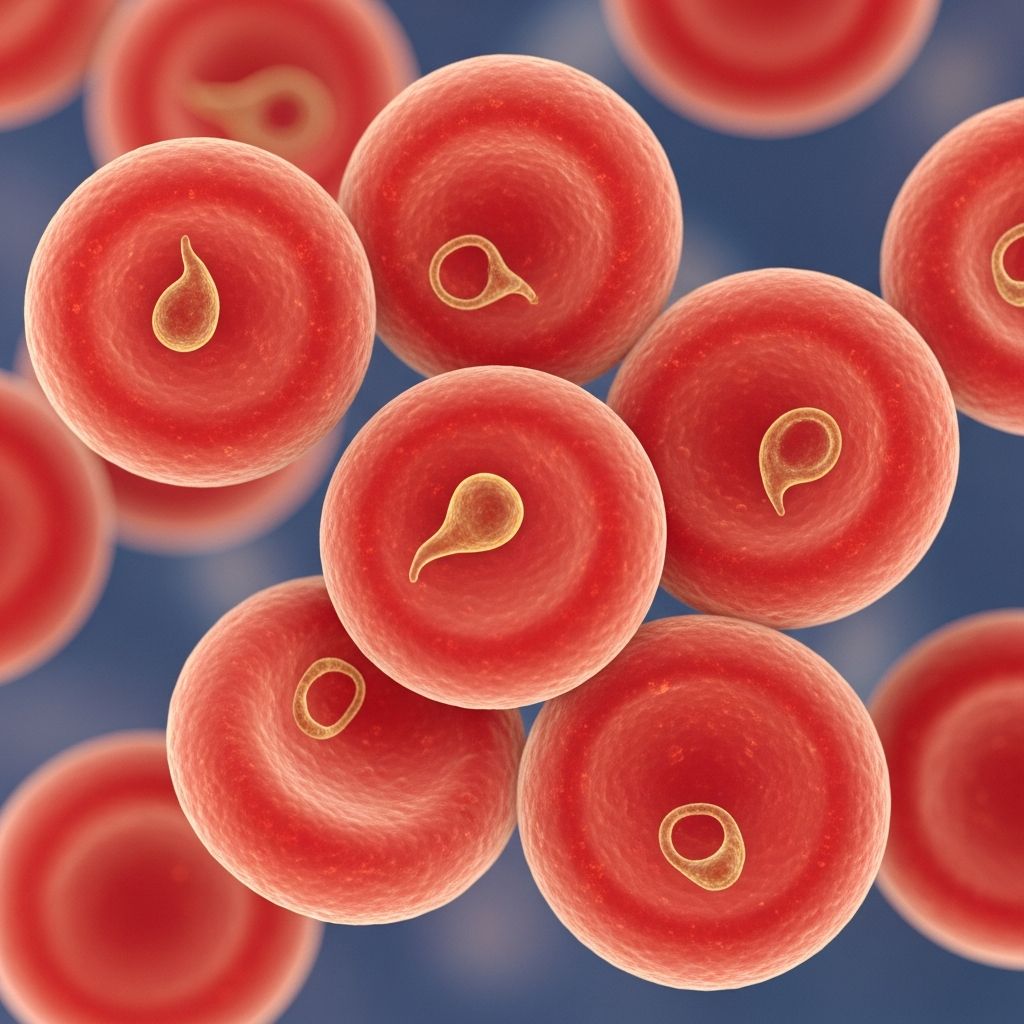
Babesiosis ndash; also known as babe5bosis or babesia infection.
Babesiosis is a parasitic infection of red blood cells caused by intraerythrocytic protozoa of the genus Babesia. It is primarily transmitted by the bite of infected ticks, most commonly Ixodes scapularis (blacklegged tick) in the United States. The disease presents a spectrum from asymptomatic carriage to severe haemolytic anaemia and multi-organ failure, particularly in immunocompromised individuals, asplenic patients, or the elderly.
What is babesiosis?
Babesiosis, often called ‘tick fever’ or ‘redwater fever’ in animals, is a zoonotic disease caused by apicomplexan protozoans of the genus Babesia. These parasites invade and multiply within erythrocytes (red blood cells), leading to their lysis and subsequent haemolytic anaemia. Human infections are emerging globally, with over 2,000 cases reported annually in the US endemic areas like the Northeast and Midwest.
The lifecycle involves ticks as vectors, with rodents and deer as reservoirs. In humans, Babesia microti predominates in the US, while B. divergens is more common in Europe and causes fulminant disease. Transmission occurs 1-4 weeks post-tick bite, with incubation mirroring malaria due to similar intraerythrocytic parasitism.
Who gets babesiosis?
Babesiosis affects individuals exposed to infected tick bites, particularly in endemic regions such as New England, New York, New Jersey, Wisconsin, and Minnesota in the US. Risk factors include:
- Outdoor activities: hiking, camping, gardening in wooded or grassy areas during spring-summer.
- Occupational exposure: landscapers, farmers, wildlife professionals.
- High-risk groups for severe disease: elderly (>50 years), asplenic patients, immunocompromised (HIV, cancer, transplant recipients, immunosuppressive drugs).
Approximately 20-25% of cases co-occur with Lyme disease or anaplasmosis due to shared tick vectors. Blood transfusion and congenital transmission are rare but documented routes. Asymptomatic infection is common in healthy adults, with seroprevalence up to 20% in endemic areas.
What causes babesiosis?
Babesiosis results from infection with Babesia species, intraerythrocytic parasites related to Plasmodium (malaria). Key species include:
| Species | Primary Region | Vector Tick | Severity |
|---|---|---|---|
| B. microti | USA (Northeast/Midwest) | Ixodes scapularis | Mild-moderate |
| B. divergens | Europe | Ixodes ricinus | Severe |
| B. duncani | USA West Coast | Ixodes pacificus | Moderate-severe |
| B. venatorum | Asia/Europe | I. persulcatus | Severe |
Parasites are transmitted transstadially in ticks (larva-nymph-adult stages). Human acquisition occurs mainly via nymph bites (tiny, hard to detect). Rarely, via contaminated blood products or vertical transmission.
What are the clinical features of babesiosis?
Symptoms emerge 1-6 weeks post-infection, resembling influenza or malaria.
Mild/Moderate Disease (Immunocompetent)
- Fever: Intermittent high-grade, chills, night sweats.
- Fatigue/malaise: Profound, lasting weeks-months.
- Myalgias/arthralgias: Muscle/joint pains.
- Headache: Common, sometimes severe.
- Gastrointestinal: Nausea, vomiting, anorexia, abdominal pain.
- Hepatosplenomegaly: In 10-20% cases.
Physical exam often normal; rash absent (distinguishes from Lyme).
Severe Disease (High-Risk Groups)
Occurs in 5-10% cases; fatality ~10-20% despite treatment. Complications:
- Haemolytic anaemia: Jaundice, dark urine.
- Thrombocytopenia/leukopenia: <100,000 platelets.
- Organ failure: ARDS, renal/hepatic failure, DIC, heart failure, coma.
Related Stories



How is babesiosis diagnosed?
Diagnosis combines clinical suspicion, lab tests, and epidemiology (tick exposure, endemic area).
Laboratory Findings
- Peripheral blood smear: Intraerythrocytic parasites (Maltese cross tetrads pathognomonic); sensitivity 60-80% in acute phase.
- CBC: Anaemia (Hb <10 g/dL), thrombocytopenia, lymphopenia.
- Chemistry: Elevated LDH, bilirubin (indirect), low haptoglobin; normal/increased creatinine in severe cases.
- PCR: Highly sensitive for low parasitemia; quantitative for monitoring.
- Serology: IgM/IgG (IFA); useful for past infection but cross-reacts with malaria.
Differentiate from malaria (no schizonts/gametocytes), Lyme, anaplasmosis.
How is babesiosis treated?
Treatment per IDSA/CDC guidelines; mild cases may self-resolve, but therapy recommended for symptomatic patients.
| Regimen | Dose | Duration | Indications |
|---|---|---|---|
| Atovaquone + Azithromycin (1st-line) | 750 mg PO BID + 500-1000 mg PO day 1, then 250 mg daily | 7-10 days | Mild-moderate |
| Clindamycin + Quinine | 600 mg PO TID + 650 mg PO TID | 7-10 days | Severe/intolerant to 1st-line |
| IV regimens | Clindamycin IV + Quinine IV | >6 weeks if immunocompromised | Hospitalized/severe |
Adjunctive therapies: Exchange transfusion if parasitemia >10%, severe anaemia, or organ dysfunction (reduces mortality). Supportive: transfusions, vasopressors. Immunocompromised may relapse; monitor smears until negative x2 weeks.
What is the outlook for babesiosis?
Excellent in healthy individuals (self-limited, <1% mortality). Severe cases: 20% fatality in asplenic/elderly despite Rx. Relapse common in immunocompromised (up to 20%); prolonged therapy needed. Persistent parasitemia possible; lifelong carriers rare. Co-infections prolong recovery.
How can babesiosis be prevented?
- Tick avoidance: DEET repellents, permethrin clothing, long sleeves/pants in endemic areas.
- Tick checks: Daily full-body inspections post-outdoors; shower promptly.
- Tock removal: Grasp tick close to skin with tweezers; clean site.
- Prophylaxis: Not routine; single-dose doxycycline for high-risk Ixodes bites debated (Lyme-focused).
- Blood safety: Donor screening in endemic areas.
Babesiosis in New Zealand
Human cases rare; no endemic foci identified. Imported cases via travel or blood transfusion possible. Monitor for emergence with Lyme-like ticks.
Further reading on babesiosis
- CDC Babesiosis page
- IDSA guidelines on tick-borne diseases
- UpToDate: Babesiosis
Frequently asked questions on babesiosis
What is the incubation period for babesiosis?
1-6 weeks post-tick bite; shorter with high inoculum.
Can babesiosis be transmitted person-to-person?
No, except via blood transfusion, organ transplant, or congenitally.
Does babesiosis cause a rash?
Rarely; unlike Lyme’s erythema migrans.
How long does treatment last?
7-10 days standard; 6+ weeks in immunocompromised.
Is there a vaccine for babesiosis?
No human vaccine; veterinary vaccines exist for cattle.
References
- Babesiosis Overview mdash; Columbia University Lyme & Tick-Borne Diseases Research Center. 2023. https://www.columbia-lyme.org/babesiosis
- Babesiosis mdash; National Organization for Rare Disorders (NORD). 2024-01-15. https://rarediseases.org/rare-diseases/babesiosis/
- Babesiosis mdash; West Virginia Office of Epidemiology and Prevention Services. 2025. https://oeps.wv.gov/babesiosis/pages/default.aspx
- Babesiosis: Causes, Symptoms, Diagnosis & Treatment mdash; Cleveland Clinic. 2024-06-20. https://my.clevelandclinic.org/health/diseases/24809-babesiosis
- Babesiosis mdash; StatPearls, NCBI Bookshelf (NIH). 2025-02-10. https://www.ncbi.nlm.nih.gov/books/NBK430715/
Similar Articles








Read full bio of Sneha Tete