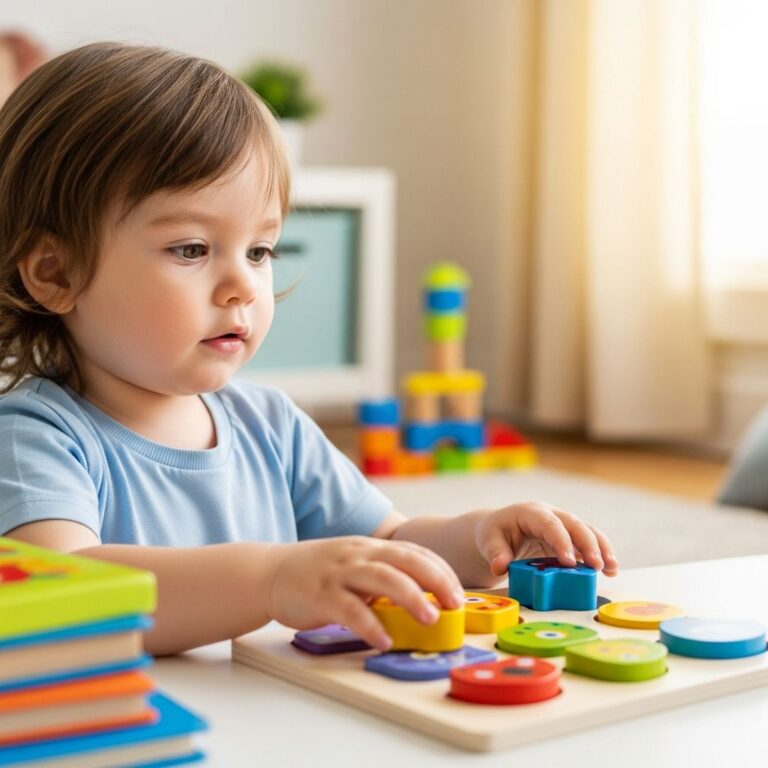
Baby Development Milestones & Safety Guide
Complete guide to infant milestones from birth to 12 months and essential safety tips.
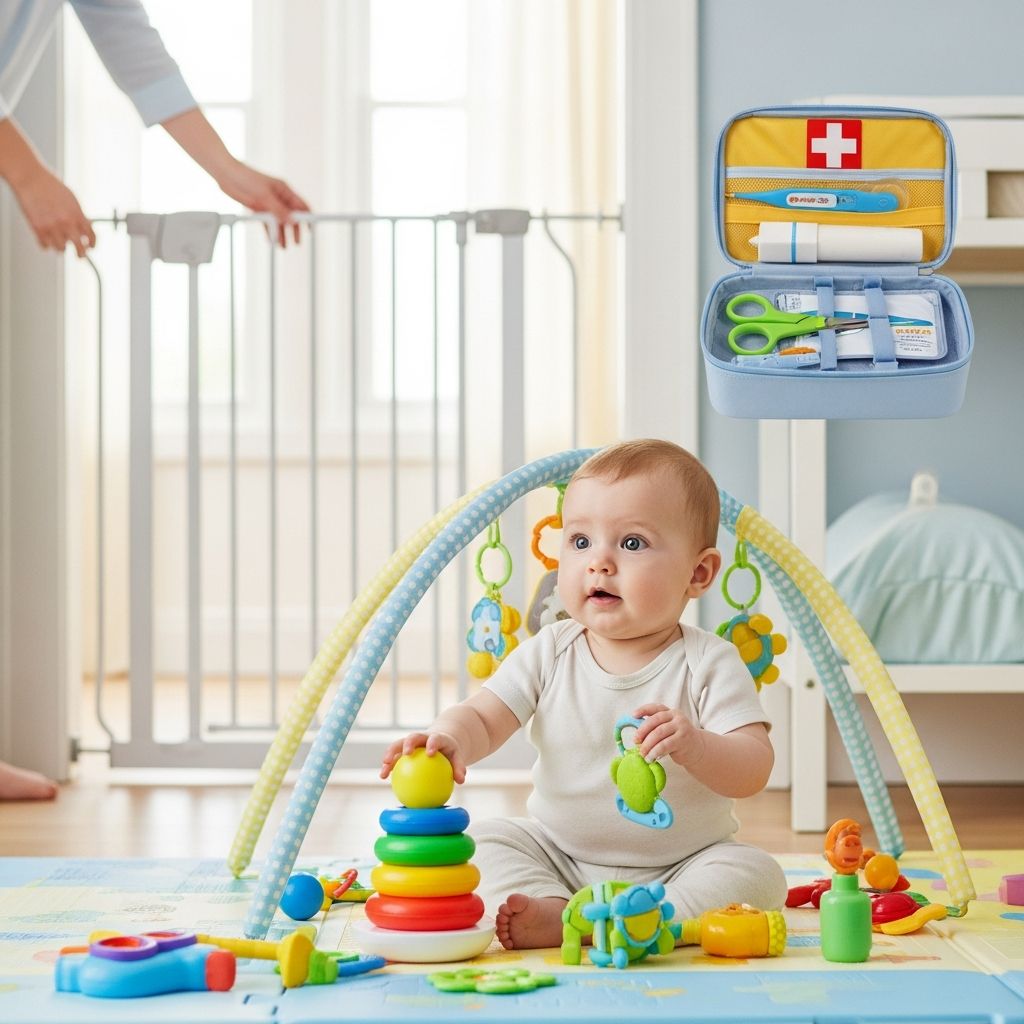
Understanding Baby Developmental Milestones
Baby developmental milestones are specific behaviors and abilities that most infants can accomplish by a certain age. These milestones serve as important markers that help pediatricians and parents track whether a baby is growing and developing as expected. From the moment your baby is born, they begin an incredible journey of growth and discovery. Understanding what to expect at each stage can help you recognize your child’s progress and identify any areas where they might need additional support.
Developmental milestones encompass a wide range of skills and behaviors. Examples include smiling back at you by 2 months, making cooing sounds by 4 months, rolling from their tummy onto their back by 6 months, and looking for things they drop by 9 months. These seemingly small achievements represent significant progress in your baby’s physical, cognitive, and emotional development.
It’s important to recognize that babies develop at their own individual pace. The updated infant milestone list, which was revised in 2022, reflects abilities that at least 3 out of every 4 babies can accomplish by a certain age. This means there is natural variation in development, and some babies may reach milestones slightly earlier or later than others without any cause for concern.
The Four Main Categories of Developmental Milestones
Developmental milestones for babies and children fall into four main categories. While there is some overlap between these categories, understanding them can help you better track your baby’s progress and discuss development with your pediatrician.
- Gross Motor Skills: These involve large muscle movements, such as holding up the head, rolling over, sitting up, and eventually crawling and walking.
- Fine Motor Skills: These include smaller, more precise movements using the hands and fingers, such as reaching for objects, grasping toys, and eventually picking up small items with thumb and forefinger.
- Cognitive Skills: These refer to your baby’s thinking, learning, and problem-solving abilities, including how they explore objects and understand cause and effect.
- Social and Emotional Skills: These involve how your baby interacts with others, expresses emotions, and develops relationships, including smiling, cooing, and eventually showing preferences for familiar people.
Baby Milestones by Month: What to Expect
Newborn to 2 Months
During the first two months of life, your baby is adjusting to the world outside the womb. While the updated milestone list begins at 2 months, pediatricians traditionally tracked certain newborn behaviors by one month of age. Your newborn will begin to show early signs of awareness and responsiveness. At 2 months, most babies can smile in response to your smiles, track objects with their eyes, and begin to make cooing sounds. They may also hold their head up briefly during tummy time and start to kick their legs with more purpose.
Related Stories



4-Month Milestones
By 4 months, your baby becomes increasingly interactive. Most 4-month-old babies can coo and make other vocal sounds, smile spontaneously at familiar faces, and bring their hands to their mouth. They begin to show increased head control and may start to push up with their arms during tummy time. Many babies at this age also begin to follow moving objects with their eyes and show interest in toys placed in front of them.
6-Month Milestones
Six months represents a significant milestone period. By this age, most babies can roll from their tummy onto their back and may also roll from back to tummy. They begin to sit up with arm support and can support some weight on their legs when held upright. Vocalization increases, and babies may babble, combining consonants and vowels. Many 6-month-olds transfer objects from hand to hand, reach for toys they can see, and show recognition of familiar people versus strangers.
9-Month Milestones
Nine months is an active developmental period. Most 9-month-old babies can sit without support for short periods and may begin to crawl or scoot. They actively look for objects they drop, demonstrating object permanence. Babies at this age often say simple sounds like “ma-ma” or “da-da,” though not necessarily with meaning. They wave bye-bye, play peek-a-boo, and show increased interest in exploring their environment. Fine motor skills improve, and many babies can pick up small objects using their thumb and fingers.
12-Month Milestones
By 12 months, your baby has made tremendous progress. Most babies can pull themselves up to stand, cruise along furniture, and some may take their first independent steps. They understand simple words and commands, respond to their name, and may say one or more words with meaning. Babies at this age enjoy games like peek-a-boo and may imitate simple actions. They show affection by hugging or kissing, and their personality becomes increasingly distinct.
How Pediatricians Track Milestones
Your pediatrician plays a crucial role in monitoring your baby’s development. During routine well-check visits, your pediatrician will conduct a physical examination and interact with your baby to observe how they move, play, and make sounds. These appointments provide an opportunity for you to discuss any concerns about your baby’s development.
If your pediatrician identifies that your baby hasn’t reached certain milestones by the expected age, they may recommend developmental screenings to check for potential delays. Early identification of developmental delays is important because early intervention can make a significant difference. Early intervention services provide physical therapy, occupational therapy, and speech therapy to support your baby’s development and help them reach their full potential.
Important Reminders About Milestone Development
While milestones provide helpful guidelines, it’s essential to remember that each baby is unique and develops at their own pace. Not every baby will reach each milestone at exactly the same time as their peers. Some babies may excel in one area while taking more time in another, and this variation is completely normal. Premature babies may also reach milestones on a different timeline based on their corrected age rather than their chronological age.
If you have concerns about your baby’s development, the best course of action is to share these concerns with your pediatrician. They have the expertise to determine whether your baby might benefit from additional evaluation or support. Don’t hesitate to ask questions during well-check visits, as your pediatrician is there to guide and support your family through each stage of development.
Essential Infant Safety Guidelines
As your baby becomes more mobile and curious about their surroundings, safety becomes increasingly important. Accidents and injuries can happen quickly if proper precautions aren’t taken. Creating a safe environment for your baby requires vigilance, but with the right measures in place, you can significantly reduce risks.
Safe Sleep Practices
One of the most important safety practices is ensuring your baby sleeps safely. Your baby should sleep in a crib or bassinet with a firm, flat surface. The crib or bassinet should be kept empty, free of all blankets, pillows, toys, and bumper pads. A tight-fitting sheet is appropriate, and a sleep sack is an effective way to keep your baby warm without using loose blankets. Experts recommend having your baby sleep in your bedroom but not in your bed, as co-sleeping increases the risk of sudden infant death syndrome (SIDS). Once your baby begins rolling over, which typically occurs between 4 to 7 months of age, it’s safe to allow them to roll freely during sleep.
Supervised Tummy Time and Floor Play
Tummy time is essential for your baby’s development, promoting core strength, arm and leg strength, and motor planning. Babies should get at least 60 to 90 minutes of tummy time daily, broken into small sessions throughout the day. Floor play on a clean, safe surface allows your baby to move freely and develop independence in mobility. However, never leave your baby unattended during tummy time or floor play. Always ensure a responsible adult is supervising.
Safety Do’s and Don’ts
| Safety Do’s | Safety Don’ts |
|---|---|
| Always supervise your baby and never leave them unattended | Don’t use walkers, as they don’t teach babies to walk properly |
| Place your baby on their back for sleep | Don’t place pillows, blankets, or bumpers in the crib |
| Use a firm sleep surface in a crib or bassinet | Don’t co-sleep, as it increases SIDS risk |
| Provide regular tummy time on a flat, safe surface | Don’t use jumpers excessively, as babies don’t naturally jump until around 2 years old |
| Keep the sleep area in your room but separate from your bed | Don’t use sleep positioning devices or wedges |
| Use a sleep sack for warmth instead of blankets | Don’t leave your baby in containers (bouncer, car seat) for extended periods |
Preventing Developmental Delays
While some developmental delays may be related to underlying medical conditions, others can be prevented or minimized through appropriate practices. Extended time in certain infant containers, such as bouncers, swings, or car seats, can contribute to developmental delays and may cause a flat spot on your baby’s head (positional plagiocephaly). Limiting time in these devices and providing plenty of floor play opportunities supports healthy development.
Starting with just a few minutes of floor play per day and gradually working up to an hour or more helps your baby hit developmental milestones on schedule. This unstructured play time allows babies to explore their environment, practice new skills, and develop at their own pace.
Sun Safety for Infants
Protecting your baby’s delicate skin from the sun is crucial. Babies under 6 months old should not wear sunscreen. Instead, protect them by seeking shade, planning outdoor activities during cooler parts of the day, and using protective clothing. Once your baby reaches 6 months of age, broad-spectrum sunscreen with SPF 30 or higher can be used on areas not covered by clothing.
Traveling Safely with Your Baby
When traveling with your infant, safety should be your top priority. Always use a properly installed car seat, and gate-check your stroller when flying. Consider bringing noise-canceling headphones for your baby during air travel to protect their sensitive hearing. Keep your baby close, ensure proper feeding and sleep schedules are maintained as much as possible, and pack all necessary medications and supplies.
Frequently Asked Questions
Q: What should I do if my baby hasn’t reached a milestone yet?
A: If you’re concerned that your baby hasn’t reached a milestone, the best step is to consult your pediatrician. They can evaluate your baby’s development, perform screenings if necessary, and recommend early intervention services if appropriate. Remember that babies develop at different rates, so a slight delay doesn’t necessarily indicate a problem.
Q: Are developmental milestones the same for all babies?
A: While milestones provide general guidelines, every baby develops at their own pace. Premature babies may reach milestones based on their corrected age. Additionally, some variation in development is completely normal. Your pediatrician can help determine if your baby’s development is within normal range.
Q: How often should I see my pediatrician for well-check visits?
A: Pediatricians typically recommend well-check visits at 2 months, 4 months, 6 months, 9 months, and 12 months during the first year of life. These visits are essential for tracking development, monitoring growth, and receiving guidance on care and safety.
Q: What is early intervention, and how can it help my baby?
A: Early intervention is a program that provides support to babies and young children with developmental delays or disabilities. Services may include physical therapy, occupational therapy, and speech therapy. Early intervention can help your baby develop skills and reach their full potential.
Q: Is it safe to use baby walkers?
A: Baby walkers are not recommended by pediatricians. They don’t actually teach babies to walk and can pose safety risks. Instead, supervised floor play and tummy time are better ways to support your baby’s motor development.
Q: How much tummy time does my baby need?
A: Babies should get 60 to 90 minutes of tummy time daily, broken into smaller sessions throughout the day. This supports the development of neck, shoulder, and core muscles essential for reaching developmental milestones.
References
- Baby Developmental Milestones By Month — Cleveland Clinic. 2025-04-03. https://my.clevelandclinic.org/health/articles/22063-baby-development-milestones-safety
- Ages & Stages Developmental Guidelines — Cleveland Clinic Children’s. 2025. https://my.clevelandclinic.org/pediatrics/stages
- Is This Typical? Birth to 6 Months — Cleveland Clinic Children’s. https://www.youtube.com/watch?v=nZtczVUTzTg
- Child Development: Milestones & Stages — Cleveland Clinic. https://my.clevelandclinic.org/health/articles/21559-child-development
- Infant Safety Guidelines — Cleveland Clinic Health. https://health.clevelandclinic.org/tag/infant-safety
Similar Articles








Read full bio of Sneha Tete