Baby Eczema: Essential Care Guide For Parents
Discover causes, symptoms, and proven strategies to soothe your baby's sensitive skin and prevent flare-ups effectively.
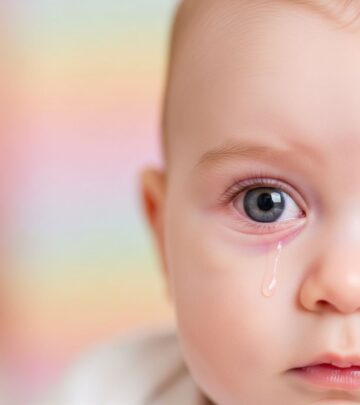
Infant eczema, also known as atopic dermatitis, impacts up to 20% of babies, leading to red, itchy, inflamed skin that disrupts sleep and comfort. This condition arises from a weakened skin barrier and overactive immune responses, often combined with environmental factors.
Genetic Foundations of Infant Skin Sensitivity
The roots of baby eczema frequently trace back to genetics. A key factor is mutations in the filaggrin gene, which impairs the skin’s protective outer layer, making it harder to retain moisture and block irritants. Babies with a family history of eczema, asthma, or allergies face higher risks, as these traits follow the ‘atopic march’—a progression from skin issues to respiratory allergies.
Without sufficient filaggrin, the epidermis fails to function optimally, allowing allergens and irritants to penetrate easily. This genetic predisposition explains why some infants develop eczema shortly after birth, particularly on the face and scalp.
Typical Signs and Where They Appear
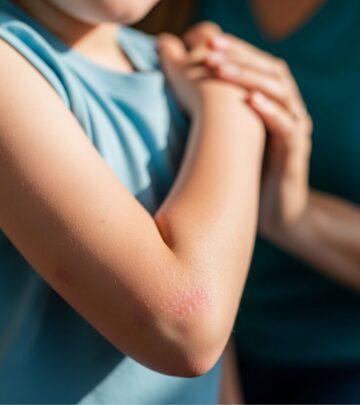
Baby eczema manifests as dry, bumpy rashes that intensely itch. In newborns under six months, it commonly affects the cheeks, forehead, chin, and scalp. Post-six months, rashes shift to elbows, knees, and extremities.
- Red, inflamed patches that may ooze or crust if scratched
- Intense itching causing sleep loss and irritability
- Dry, scaly skin that cracks easily
- Flare-ups triggered by specific exposures
Scratching worsens the cycle, risking infections from broken skin. Early recognition allows prompt intervention to ease discomfort.
Everyday Triggers Disrupting Baby Skin
Numerous environmental and dietary elements provoke eczema flares. Identifying personal triggers is crucial for control.
Household and Product Irritants
Common culprits include harsh soaps, fragranced detergents, fabric softeners, and baby wipes containing irritants like sodium lauryl sulfate or parabens. Dust mites, pet dander, and tobacco smoke also exacerbate symptoms.
| Trigger Type | Examples | Impact on Skin |
|---|---|---|
| Cleaning Agents | Fragranced soaps, detergents | Dries and inflames barrier |
| Fabrics | Wool, synthetics | Causes friction and irritation |
| Household Dust | Mites in bedding, carpets | Allergic reaction flares |
Climate and Bodily Factors
Dry air from heating, extreme temperatures, sweat, and drool irritate delicate skin. Low humidity in winter or hot, sweaty conditions prompt flares. Stress hormones from disrupted sleep further impair skin repair.
Dietary Contributors in Early Infancy
Food allergies trigger about 30% of severe cases, especially cow’s milk and eggs. These can pass through breast milk or formula, heightening redness and itch post-feeding.
Daily Care Routines for Lasting Relief
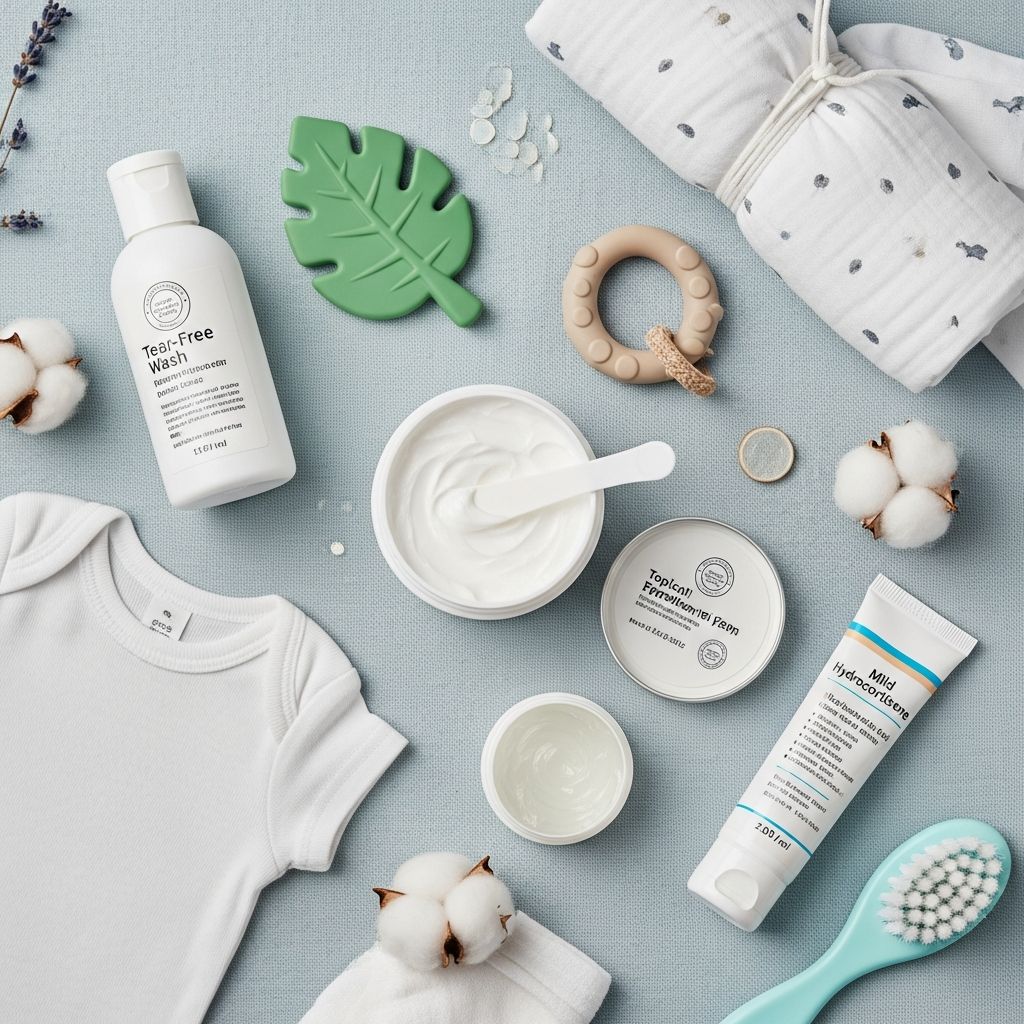
Consistent moisturizing forms the cornerstone of management, applied multiple times daily to lock in hydration. Opt for fragrance-free, hypoallergenic ointments like petroleum jelly.
Gentle Bathing Protocols
Bathe babies 3-4 times weekly in lukewarm water using mild, soap-free cleansers. Pat dry gently and moisturize within three minutes to seal moisture. Dilute bleach baths (1/2 cup per full tub) reduce bacteria and inflammation—consult a doctor first.
- Use soft cloths instead of scrubbing
- Avoid hot water that strips oils
- Follow with thick emollients immediately
Clothing and Environment Tweaks
Dress in breathable cotton; launder with dye-free detergents. Maintain 68-72°F room temps with humidifiers to combat dryness. Vacuum frequently and minimize stuffed toys to cut dust.
Related Stories



Medical Interventions for Persistent Flares
No cure exists, but treatments target inflammation and infection risks. Pediatric dermatologists guide safe options.
- Topical corticosteroids: Low-potency creams reduce itch and redness; apply post-bath sparingly
- Antihistamines: For severe itching disrupting sleep
- Infection control: Antibiotics if weeping or crusting occurs[10]
Avoid long-term steroid use in infants due to sensitivity; follow precise dosing. For allergies, supervised elimination diets may help.
Decoding Myths from Proven Strategies
Myth 1: Eczema solely stems from poor hygiene—actually, over-bathing worsens it.
Myth 2: All babies outgrow it quickly—not always; 50-70% persist into childhood.
Myth 3: Home remedies suffice alone—severe cases need professional input.
When to Consult a Pediatric Specialist
Seek immediate care if rashes ooze, fever develops, or flares resist home care[10]. Widespread involvement or poor weight gain warrants allergy testing. Early specialist intervention prevents chronic issues.
FAQs on Managing Baby Eczema
Is baby eczema contagious?
No, it’s not infectious but an inflammatory response to internal and external factors.
How often should I moisturize my baby?
At least twice daily, plus after baths, using thick, ointment-based products.
Can diet changes help breastfeeding moms?
Eliminating dairy or eggs may reduce flares if allergies are confirmed via testing.
What if scratching leads to bleeding?
Use mittens, trim nails, and moisturize heavily; see a doctor for infection signs.
Does eczema affect sleep long-term?
Untreated, yes—but routines and treatments restore restful nights.
Proactive management empowers parents to minimize baby eczema’s impact, fostering healthier skin and family harmony.
References
- What Triggers Eczema in Babies? — Happy Skin Pediatric Dermatology. 2025-11-21. https://www.happyskindermatology.com/2025/11/21/what-triggers-eczema-in-babies/
- Baby Eczema: What to Know About Causes, Symptoms and Treatment — Riverchase Dermatology. N/A. https://www.riverchasedermatology.com/blog/baby_eczema_what_to_know_about_causes_symptoms_treatment/
- Baby eczema: causes, symptoms, treatment and more — National Eczema Association. N/A. https://nationaleczema.org/children/
- How to treat eczema in babies — American Academy of Dermatology. N/A. https://www.aad.org/public/diseases/eczema/childhood/treating/treat-babies
- Pediatric Eczema (Atopic Dermatitis) — Children’s National Hospital. N/A. https://www.childrensnational.org/get-care/health-library/eczema-atopic-dermatitis
- Baby Eczema Causes & Treatment — Cleveland Clinic. N/A. https://my.clevelandclinic.org/health/diseases/23408-baby-eczema
Similar Articles








Read full bio of Sneha Tete