Back Acne (Bacne): Symptoms, Causes & Treatment
Understanding back acne: causes, symptoms, and effective treatment options.
What Is Back Acne (Bacne)?
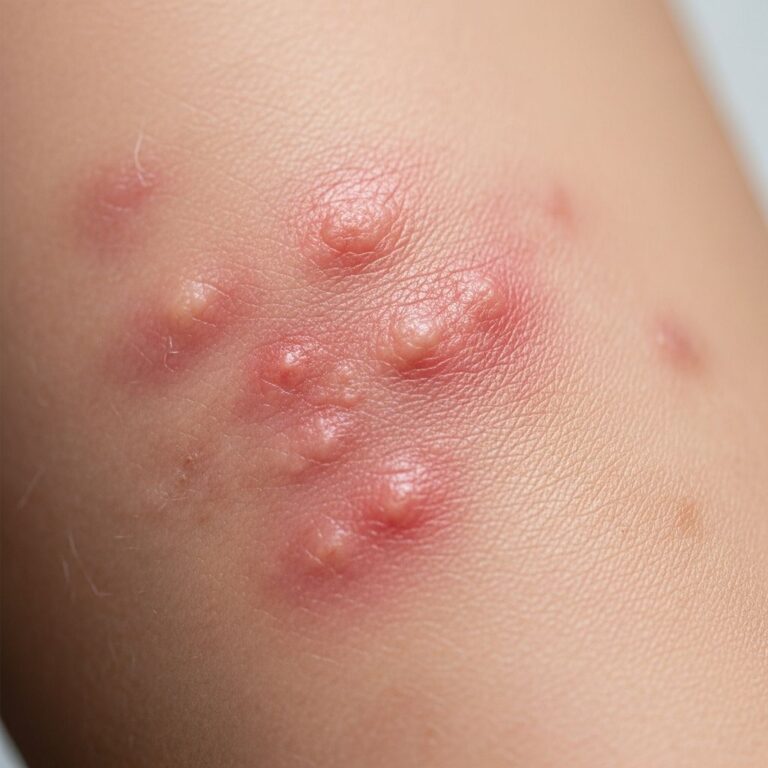
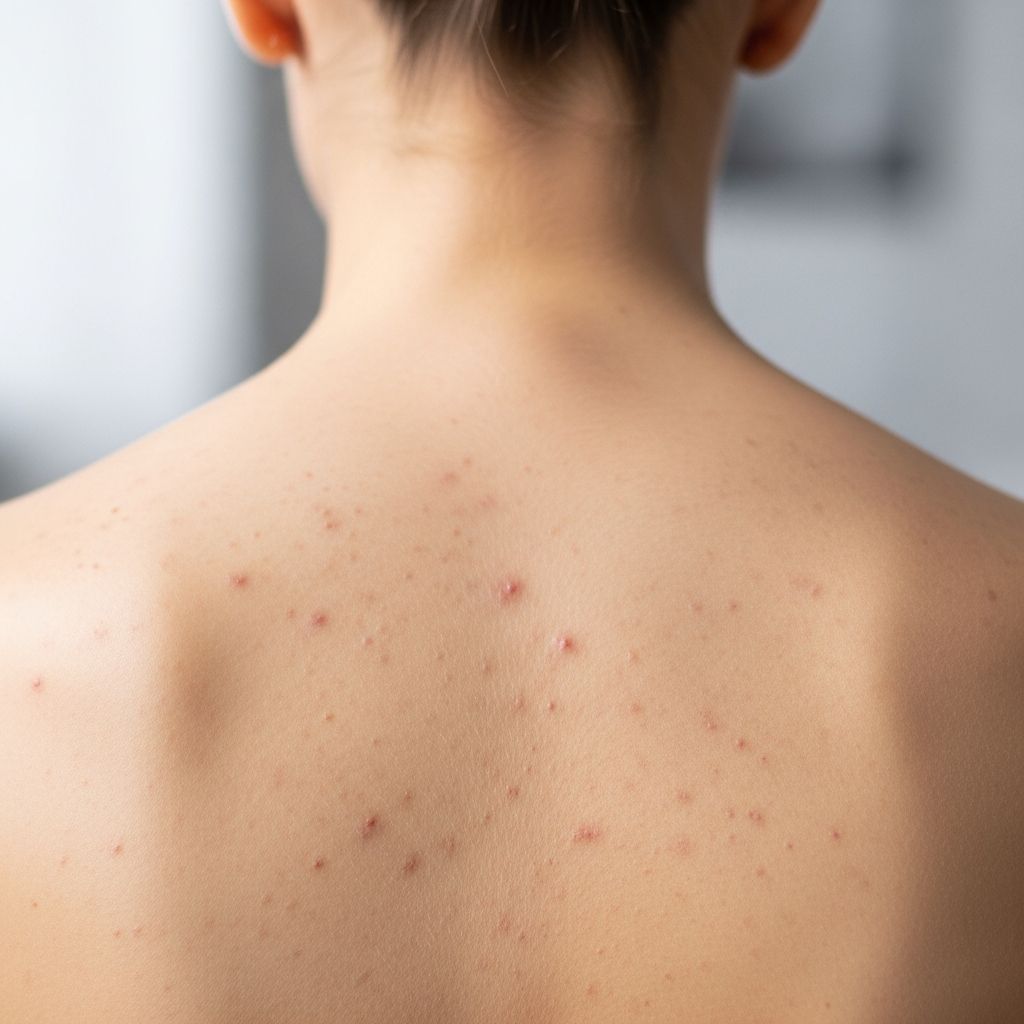
Back acne, commonly referred to as “bacne,” is acne that develops on your back. It causes pimples that appear as red bumps, whiteheads, or blackheads. These zits can be unsightly, annoying, and painful. Back acne develops similarly to acne on other parts of your body, but the unique characteristics of your back—including constant friction from clothing and exposure to sweat—can make it particularly stubborn.
Acne is the most common skin condition in the United States, affecting around 50 million people. While acne most commonly appears on your face, it’s also prevalent on your back, shoulders, chest, neck, and bottom. Anyone can develop back acne regardless of age or sex, though it’s more common in teenagers and young men.
How Does Back Acne Develop?
Back acne happens when oil, dirt, dead skin cells, and bacteria clog your skin’s pores. The process begins with a buildup of sebum—an oil your body naturally produces to keep your skin and hair from becoming too dry. When your body produces excess sebum or you don’t clean your skin properly, your pores become clogged, creating an environment where acne-causing bacteria can thrive.
Your skin’s pores are tiny holes that can easily become blocked. When clogged, these pores can lead to the formation of pimples. Back acne usually develops when sweat gets trapped under a shirt or athletic gear during exercise or strenuous activity. Clothing rubs against your sweaty skin, leading to new zits or making existing ones worse.
Common Causes of Back Acne
Understanding the root causes of back acne can help you take preventive measures and choose appropriate treatments. Several factors contribute to bacne development:
- Excess oil production: Overproduction of sebum is one of the primary factors leading to clogged pores and acne formation.
- Dead skin cells: Excess dead skin cells can combine with sebum in hair follicles, clogging pores and causing breakouts.
- Bacteria: Cutibacterium acnes (formerly Propionibacterium acnes), the bacteria that contributes to acne, thrives in excess sebum and leads to inflammation when your body’s immune system fights off the bacteria.
- Sweat and friction: Back acne usually results when sweat gets trapped under clothing during exercise or strenuous activity. Backpacks, sweaty shirts, and sports equipment create friction that can trigger or worsen breakouts.
- Tight workout clothes: Friction combined with sweat significantly contributes to acne breakouts on the back.
- Sports gear: Athletic equipment that frequently rubs your back can cause friction and irritation leading to breakouts.
- Hormones: Excess androgens, a type of hormone, have been linked to acne development.
- Genetics: You might be breaking out due to your family history. If a predisposition to acne runs in your family, you’re more likely to develop it.
- Stress: While stress isn’t a direct cause of acne, it can indirectly contribute to breakouts through hormonal changes.
- Medications: Certain medications, such as corticosteroids, may trigger or worsen back acne.
- Harsh or comedogenic products: Using skincare products with potent active ingredients or pore-clogging ingredients may irritate your skin or contribute to breakouts.
Recognizing Back Acne Symptoms
Back acne symptoms are similar to facial acne but can vary in location and severity on your back. You may have pimples only along your shoulders and upper back, or they may develop all over your back and torso down to your waist. These zits can be painful and may develop in clusters.
You might experience one type of pimple or a combination of different types:
- Blackheads: Open comedones that appear dark due to oxidation of sebum and dead skin cells.
- Whiteheads: Closed comedones that appear as small, flesh-colored or white bumps.
- Red bumps: Inflamed papules that are tender to the touch.
- Pustules: Pimples with a white or yellow center containing pus.
- Cystic acne: Large, painful, deeply embedded pimples beneath the skin’s surface.
Related Stories



You can usually recognize signs of back acne on your own. However, if you have a lot of pimples on your back or they keep returning despite treatment attempts, it’s important to see your healthcare provider for proper evaluation and guidance.
At-Home Treatment Options
You can treat mild back acne at home using several strategies and over-the-counter products. Most mild-to-moderate cases respond well to benzoyl peroxide products, topical antibiotics, topical retinoids, or a combination of these medications.
Recommended at-home treatment approaches include:
- Keeping your skin clean by washing your back daily with a gentle cleanser, especially after sweating.
- Using acne-fighting body washes designed to clear pores and treat acne.
- Applying zinc pyrithione soap, which helps eliminate acne-causing pityrosporum fungus on the skin—leave soap suds on your skin for a minute before rinsing.
- Using non-comedogenic products to avoid pore-clogging ingredients.
- Changing into clean, dry clothes after exercise or physical activity.
- Using benzoyl peroxide products, which are effective for mild-to-moderate acne.
- Applying topical retinoids to promote skin cell turnover and prevent pore clogging.
- Avoiding harsh products that may irritate your skin or worsen existing breakouts.
- Limiting friction and pressure on your back by avoiding equipment that rubs against your skin.
Professional and Prescription Treatments
If back acne lingers or keeps returning despite at-home treatment efforts, see a dermatologist. They may recommend prescription skin care products to treat severe acne or suggest oral medications. Several professional treatment options are available for moderate-to-severe back acne:
Oral Antibiotics
Oral antibiotics are particularly useful for moderate-to-severe acne and are especially helpful for acne on the chest and back, where topical treatment may be less effective. Antibiotic resistance is becoming a growing challenge for many previously reliable topical and oral antibiotics, so your dermatologist will choose based on current resistance patterns and your specific situation.
Isotretinoin
Isotretinoin, an oral medication formerly called Accutane, is often used to treat severe cystic acne. This powerful medication requires careful monitoring and comes with specific requirements due to potential side effects.
Steroid Injections
If you have a particularly inflamed cyst, a medical professional may use a steroid injection to help reduce inflammation quickly and prevent permanent scarring.
Oral Contraceptives
For individuals with hormonal acne, oral contraceptives may be prescribed to help regulate hormones and alleviate acne symptoms.
Your healthcare provider may recommend a combination of medications to achieve the best results. Treatment timelines vary, and it might take several weeks or even months for back acne to clear completely, depending on severity and the chosen treatment plan.
Prevention Strategies
While you may not be able to completely prevent back acne, you can significantly lower your risk by implementing practical prevention strategies:
- Always clean your skin after you sweat and change into a clean, dry shirt after a workout.
- Shower immediately after exercise or physical activity to remove sweat and bacteria.
- Wear breathable, moisture-wicking fabrics that reduce friction and allow skin to breathe.
- Limit the friction and pressure on your back by avoiding equipment that rubs against your skin.
- Use non-comedogenic products in your skincare and body care routines.
- Avoid harsh or irritating skincare products that may trigger breakouts.
- Ask your healthcare provider if any medications you take, such as corticosteroids, may be causing back acne.
- Maintain a consistent skincare routine focused on gentle cleansing and appropriate acne treatments.
- Keep sports equipment and backpacks clean and consider using padding or barriers between equipment and your skin.
- Manage stress through self-care practices and relaxation techniques.
When to See a Healthcare Provider
Back acne can range from mildly annoying to very painful. Knowing when to seek professional help ensures you receive appropriate treatment before the condition worsens or causes permanent scarring. You should see your healthcare provider if:
- You have a significant number of pimples covering a large area of your back.
- Your back acne keeps returning or persists despite at-home treatment attempts.
- You develop cystic acne or nodular lesions.
- Your acne is causing pain or affecting your quality of life.
- You notice signs of infection or scarring.
- Over-the-counter treatments are not effective after several weeks of use.
Your healthcare provider will examine your skin and may recommend seeing a dermatologist—a specialist who focuses specifically on skin conditions—for more advanced treatment options.
Treatment Timeline and Expectations
Back acne can take time to treat, especially if you play a sport requiring heavy equipment or padding on your back. Most of the time, back acne improves with at-home treatments. However, if these pimples don’t respond to over-the-counter products, dermatologists can treat severe back acne with prescription medications. Depending on how many zits you have and which treatments you use, it might take several weeks for them to clear up completely.
Frequently Asked Questions
Q: Who is most likely to develop back acne?
A: Anyone can develop back acne at any age and regardless of sex. However, it’s more common in teenagers and young men, often correlating with hormonal changes and higher activity levels.
Q: Can back acne leave scars?
A: Yes, particularly severe types like cystic acne carry a greater risk of scarring compared to other types of acne. This is another reason to seek professional treatment for persistent or severe cases.
Q: How long does back acne treatment take?
A: Treatment timelines vary depending on severity and the chosen treatment method. Most mild-to-moderate cases improve within several weeks, though severe acne may take several months to clear completely.
Q: Can certain medications cause back acne?
A: Yes, certain medications such as corticosteroids may trigger or worsen back acne. Always discuss potential side effects with your healthcare provider.
Q: Is back acne contagious?
A: No, back acne is not contagious. While bacteria plays a role in acne development, you cannot catch acne from another person.
References
- Back Acne (“Bacne”): Symptoms, Causes & Treatment — Cleveland Clinic. 2022-04-15. https://my.clevelandclinic.org/health/diseases/22756-back-acne
- Acne vulgaris: One treatment does not fit all — Cleveland Clinic Journal of Medicine, Vol. 70, No. 8. 2003. https://www.ccjm.org/content/70/8/670
- Acne: Types, Causes, Treatment & Prevention — Cleveland Clinic. https://my.clevelandclinic.org/health/diseases/12233-acne
- Pimples: Causes vs. Acne, Types & Treatment — Cleveland Clinic. https://my.clevelandclinic.org/health/diseases/22468-pimples
- Clogged Pores: What They Are, Causes, Treatment & Prevention — Cleveland Clinic. https://my.clevelandclinic.org/health/diseases/22773-clogged-pores
- Acne Papules: vs. Pustules & Symptoms, Causes & Treatment — Cleveland Clinic. https://my.clevelandclinic.org/health/diseases/22905-acne-papules
- Comedonal Acne: Causes & Treatment — Cleveland Clinic. https://my.clevelandclinic.org/health/diseases/comedonal-acne
Similar Articles








Read full bio of Sneha Tete