Back Acne: Causes, Treatments, Prevention
Comprehensive guide to understanding, treating, and preventing back acne (bacne) for clearer skin.
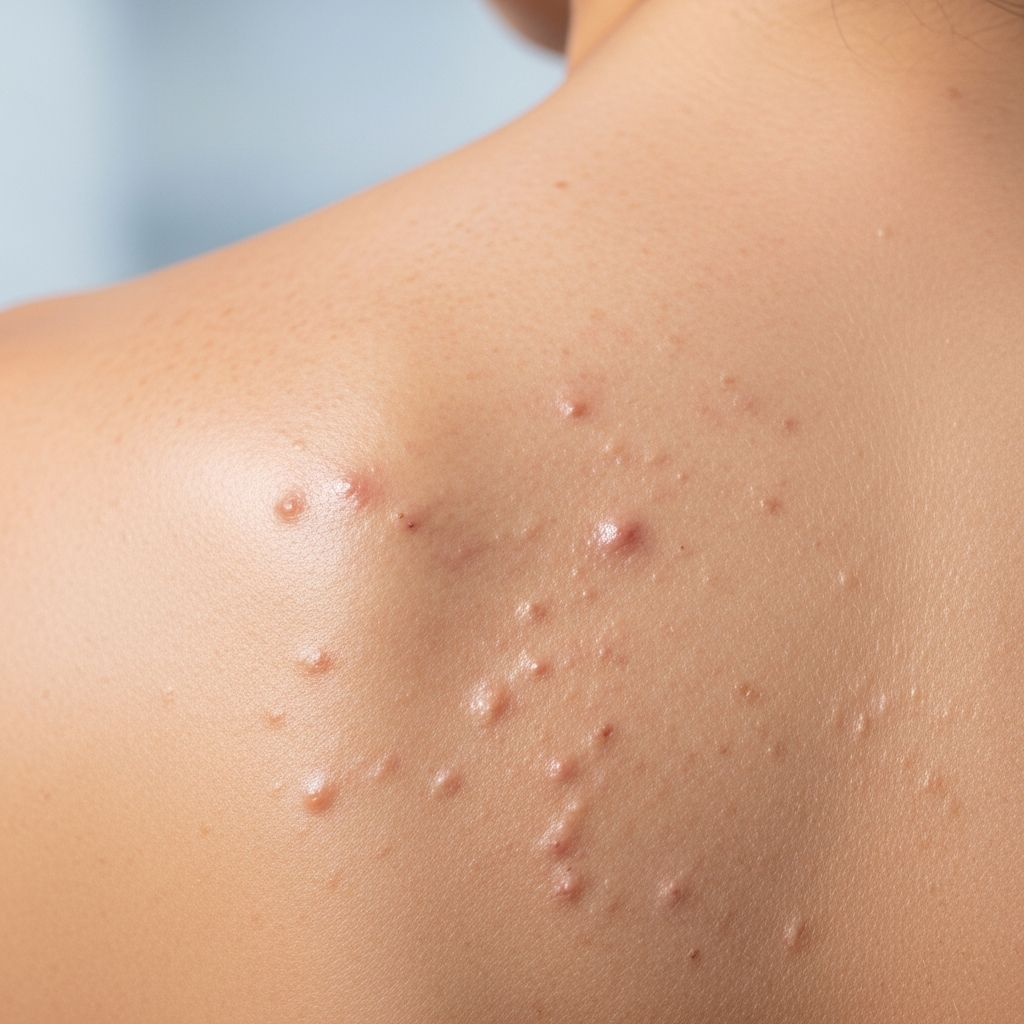
Back acne, commonly known as “bacne,” affects millions and can be painful and persistent. This article covers symptoms, causes, treatments, prevention, and expert advice to help you achieve clearer skin on your back.
What Is Back Acne?
Back acne is a form of acne vulgaris that develops on the back, shoulders, and upper torso. It manifests as red bumps, whiteheads, blackheads, pustules, or cysts, often clustered and more severe due to the thicker skin in these areas. Unlike facial acne, bacne is exacerbated by sweat, friction from clothing, and limited access for treatment.
Acne occurs when hair follicles become clogged with oil (sebum), dead skin cells, and bacteria like Cutibacterium acnes. On the back, higher sebaceous gland density and sweat production increase vulnerability.
Symptoms of Back Acne
- Red, inflamed bumps or papules
- Whiteheads (closed comedones)
- Blackheads (open comedones)
- Pustules filled with pus
- Painful nodules or cysts in severe cases
- Itching or tenderness, especially after sweating
Symptoms often worsen along the shoulders and upper back, extending to the chest or waist. Severe bacne can lead to scarring or post-inflammatory hyperpigmentation.
Causes of Back Acne
Several factors contribute to bacne development:
- Sweat and occlusion: Sweat trapped under tight clothing or gear clogs pores during exercise.
- Friction: Backpacks, sports equipment, or rough fabrics irritate skin.
- Excess sebum: Overactive oil glands produce too much sebum.
- Hormones: Fluctuations during puberty, menstruation, or stress increase oil production.
- Bacteria and dead skin: Poor cleansing allows buildup.
- Shampoo/conditioner residue: Oils from hair products rinse onto the back, clogging pores.
Anyone can develop bacne, but it’s most common in teenagers and young adults, particularly males due to higher androgen levels.
Risk Factors
- Teenage years or young adulthood
- Frequent sweating from sports or hot climates
- Wearing tight, non-breathable clothing
- Using comedogenic (pore-clogging) products
- Family history of acne
- Certain medications like corticosteroids
In the U.S., acne affects about 50 million people annually, with back involvement in many cases.
How to Treat Back Acne at Home
Mild to moderate bacne often responds to over-the-counter (OTC) treatments combined with gentle skincare.
Key OTC Ingredients
| Ingredient | How It Works | Application Tips |
|---|---|---|
| Benzoyl Peroxide (2.5-10%) | Kills acne-causing bacteria, reduces inflammation | Apply foaming wash, leave on 2-5 minutes before rinsing |
| Salicylic Acid (2%) | Exfoliates, unclogs pores | Body sprays or spot treatments for hard-to-reach areas |
| Adapalene 0.1% Gel (Retinoid) | Prevents clogged pores, enhances other treatments | Apply nightly after showering |
Daily Routine:
- Gently cleanse with benzoyl peroxide wash after sweating.
- Apply adapalene or salicylic acid product.
- Moisturize with non-comedogenic, water-based lotion to prevent dehydration-induced oil overproduction.
- Exfoliate 2-3 times weekly, avoiding harsh scrubs.
Results may take 4-8 weeks. Consistency is key, as back skin is thicker and slower to respond.
Prescription Treatments for Severe Back Acne
If OTC fails after 2-3 months, consult a dermatologist. Options include:
- Topical prescriptions: Stronger retinoids (tretinoin), antibiotics (clindamycin), or dapsone gel.
- Oral antibiotics: Doxycycline or minocycline for inflammatory acne.
- Hormonal therapies: Birth control pills or spironolactone for females with hormonal triggers.
- Isotretinoin (Accutane): For cystic bacne; highly effective but requires monitoring.
- Light/chemical peels or laser therapy: For scarring and pigmentation.
Related Stories



Dermatologists tailor combinations based on severity.
Prevention Tips for Back Acne
- Shower immediately after sweating; use acne wash.
- Wear breathable, cotton clothing; change post-workout.
- Avoid backpack straps or padded gear rubbing the back.
- Rinse hair products thoroughly; use clarifying shampoo.
- Opt for non-comedogenic body products.
- Stay hydrated and manage stress to balance hormones.
These habits reduce flare-ups significantly.
When to See a Doctor
Seek professional help if:
- Bacne is deep, painful, or cystic.
- OTC treatments fail after 8 weeks.
- Scarring or dark spots develop.
- Acne spreads or causes emotional distress.
A dermatologist can diagnose and rule out conditions like folliculitis.
Back Acne vs. Other Conditions
| Condition | Key Differences from Bacne |
|---|---|
| Folliculitis | Small red bumps around hairs; itchy, from infected follicles |
| Keratosis Pilaris | Rough, goosebump-like texture; not inflammatory |
| Hidradenitis Suppurativa | Painful boils in skin folds; chronic |
Frequently Asked Questions (FAQs)
Can back acne be cured permanently?
No, but it can be effectively managed. Hormonal changes or triggers may cause recurrences; consistent prevention helps.
Does diet affect back acne?
High-glycemic foods and dairy may worsen acne in some; a balanced diet supports skin health.
Is benzoyl peroxide safe for back acne?
Yes, start with lower strengths to avoid dryness. It’s proven effective for mild-moderate cases.
How long does back acne take to clear?
4-12 weeks with treatment; severe cases longer.
Can I pop back acne pimples?
No, it risks scarring and infection, especially on thick back skin.
Expert Tips for Lasting Results
Dermatologists emphasize gentle care: avoid scrubbing, as it worsens irritation. Combine treatments for synergy, like benzoyl peroxide with retinoids. For gym-goers, pack travel-size washes. Post-acne, use brightening serums for hyperpigmentation.
Maintaining a routine prevents 80% of flares. Track progress with photos.
References
- Back Acne (“Bacne”): Symptoms, Causes & Treatment — Cleveland Clinic. 2023-10-12. https://my.clevelandclinic.org/health/diseases/22756-back-acne
- Back acne: How to see clearer skin — American Academy of Dermatology (AAD). 2024-05-15. https://www.aad.org/public/diseases/acne-and-rosacea/back-acne-how-to-see-clearer-skin
- Acne Vulgaris Guidelines — American Academy of Dermatology. 2024-01-01. https://www.aad.org/member/clinical-quality/guidelines/acne
Similar Articles








Read full bio of Sneha Tete